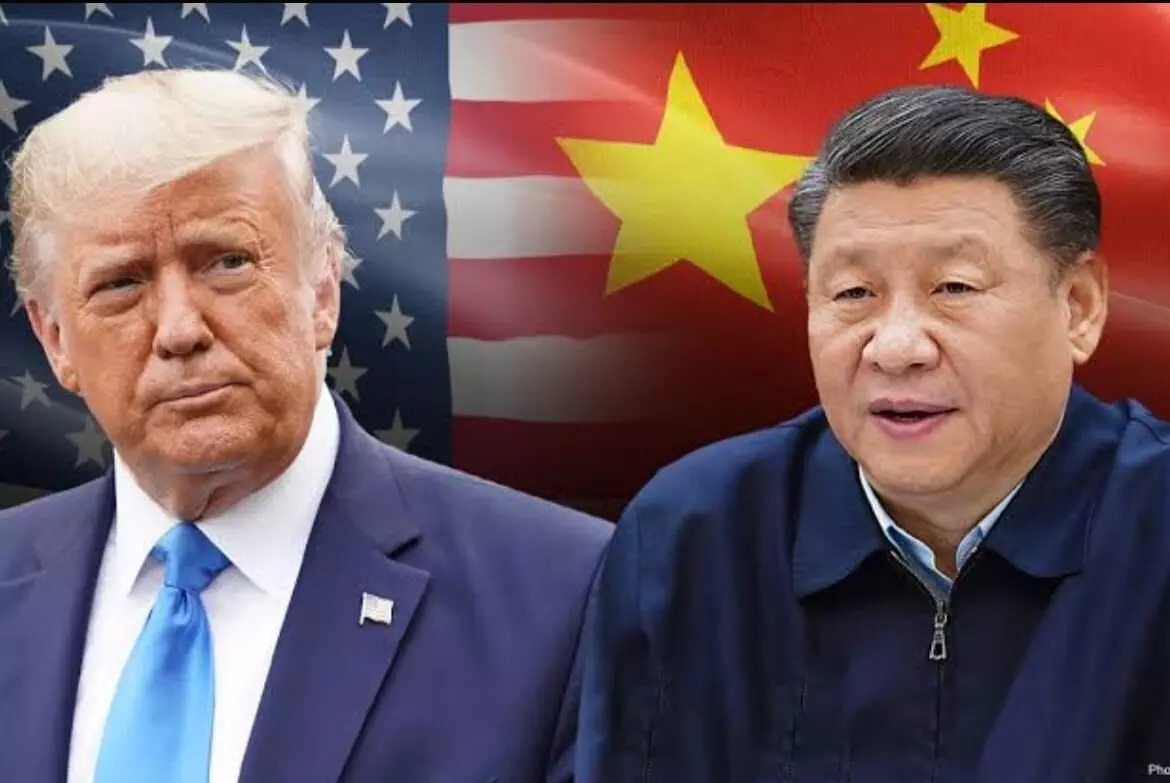




BEIJING – The global energy market is bracing for a historic shock as tensions between the United States and China reach a fever pitch. At the center of the storm is the Strait of Hormuz, a narrow but vital waterway where President Donald Trump has initiated a military blockade. The move, aimed at starving the Iranian government of revenue, has drawn a fierce response from Beijing, which relies heavily on the region for its energy needs.
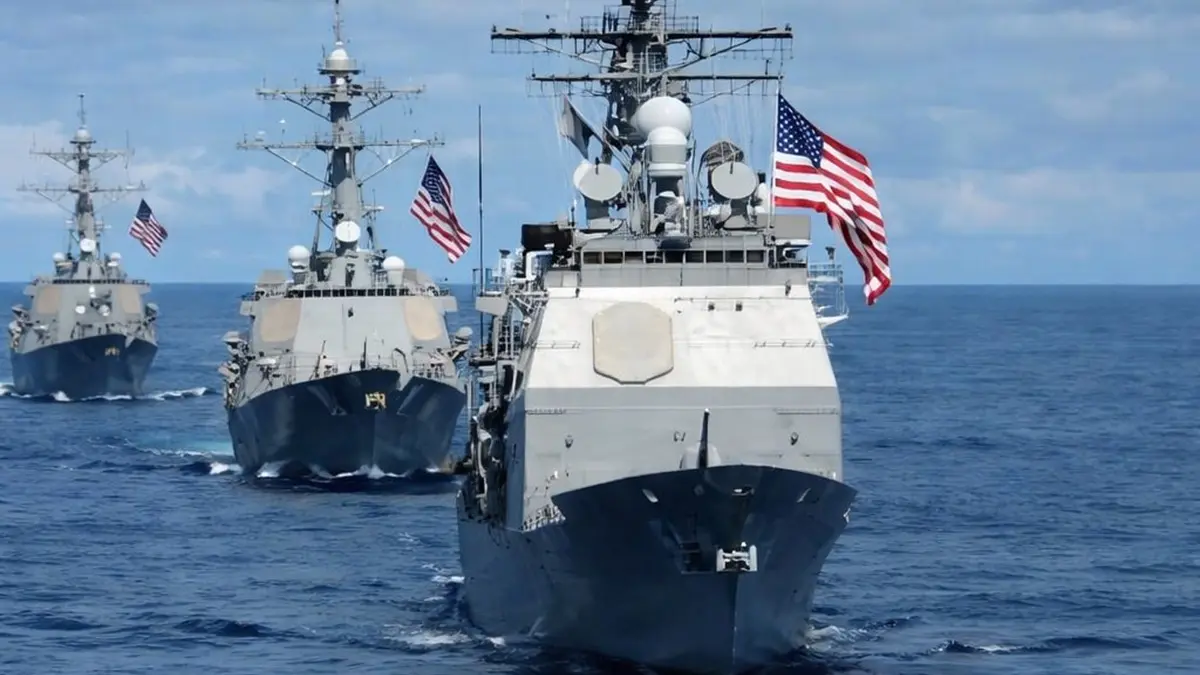
The blockade, which officially took effect on Monday, marks a dramatic escalation in U.S. foreign policy. President Trump has vowed that the U.S. Navy will intercept and “sink” any vessels attempting to challenge the perimeter or pay tolls to Tehran. For Beijing, the stakes could not be higher. China is the world’s largest buyer of Iranian oil, and any disruption to this supply chain threatens its industrial stability.
A “Dangerous and Irresponsible” Move
The Chinese Foreign Ministry did not mince words following the announcement. Spokesperson Guo Jiakun described the U.S. actions as “dangerous and irresponsible,” warning that the blockade undermines a fragile ceasefire that had been holding between Washington and Tehran.
“The United States has ramped up military deployment and resorted to a targeted blockade,” Guo told reporters during a press briefing in Beijing. “This will only aggravate confrontation and further jeopardize safe passage through the Strait.”
China’s frustration is rooted in its economic dependence on the Middle East. While many Western nations have moved away from Iranian crude due to sanctions, Beijing has continued its trade, often using “ghost fleets” and independent refineries to keep the oil flowing. The new blockade effectively puts a physical stop to these workarounds, placing Chinese tankers directly in the crosshairs of the U.S. Fifth Fleet.
Why the Strait of Hormuz Matters
The Strait of Hormuz is often called the “world’s most important oil chokepoint.” It is a narrow passage between Oman and Iran that connects the Persian Gulf with the Gulf of Oman and the Arabian Sea.
The strategic importance of this waterway is staggering:
- Global Oil Flow: Roughly 20% of the world’s total oil consumption passes through the Strait every day.
- Energy for Asia: Nearly 75% of the oil moving through the Strait is destined for Asian markets, specifically China, India, Japan, and South Korea.
- Natural Gas: About 20% of the world’s Liquefied Natural Gas (LNG), primarily from Qatar, travels this route.
The blockade has already sent oil prices surging past $120 per barrel, sparking fears of a global inflationary spiral not seen since the 1970s.
The Tariff Threat and Economic Warfare
The conflict is not just happening at sea. President Trump has linked the maritime blockade to broader trade tensions with China. He has threatened to impose a 50% tariff on Chinese goods if Beijing is found to be providing military or technological aid to Iran.
U.S. intelligence reports recently suggested that China might be preparing to send advanced anti-air missile systems to Tehran. While Beijing has dismissed these reports as “fabricated,” the White House remains skeptical.
“We told them to buy from elsewhere,” Trump reportedly said, suggesting China source its energy from the U.S. or South America instead. This “extreme pressure” strategy is designed to force China to use its influence in Tehran to secure a more favorable nuclear deal for Washington.
Beijing’s Counter-Strategy
China is not without its own leverage. Analysts point out that Beijing has spent years building a “cushion” for just such a crisis.
- Strategic Reserves: China has built one of the world’s largest strategic petroleum reserves.
- Floating Storage: Currently, an estimated 38 million barrels of Iranian oil are sitting on tankers at sea, many anchored near the Chinese coast, ready to be offloaded if imports are cut off.
- Diplomatic Alliances: Russian Foreign Minister Sergey Lavrov recently arrived in Beijing to discuss a coordinated response to the blockade, signaling a growing “bloc” against U.S. maritime dominance.
Despite these buffers, a long-term blockade would be devastating. If the U.S. Navy begins boarding Chinese-flagged vessels, the risk of a direct military confrontation between the world’s two largest powers becomes a terrifyingly real possibility.
The Humanitarian and Global Impact
Beyond the halls of power in Washington and Beijing, the blockade is causing immediate suffering. Gulf nations that rely on the Strait for food imports are reporting a “grocery supply emergency.” Because the region imports over 80% of its calories, the halt in shipping has caused food prices to double in some areas.
International reaction has been mixed. While some U.S. allies have remained quiet, others, including the United Kingdom and Spain, have stated they will not participate in the blockade. French President Emmanuel Macron has called for an international conference to discuss a “defensive mission” that would protect shipping without escalating the war.
As of today, the situation remains a stalemate. The U.S. Navy is patrolling the waters, and the Chinese leadership is weighing its next move. Will Beijing risk its ships to challenge the blockade, or will it seek a diplomatic “off-ramp”?
The world is watching the horizon. For now, the only certainty is that the price of gasoline—and the price of global peace—has never been higher.
Trending News:
China Upset Over Hormuz Blockade As Oil Supply Line Cut