

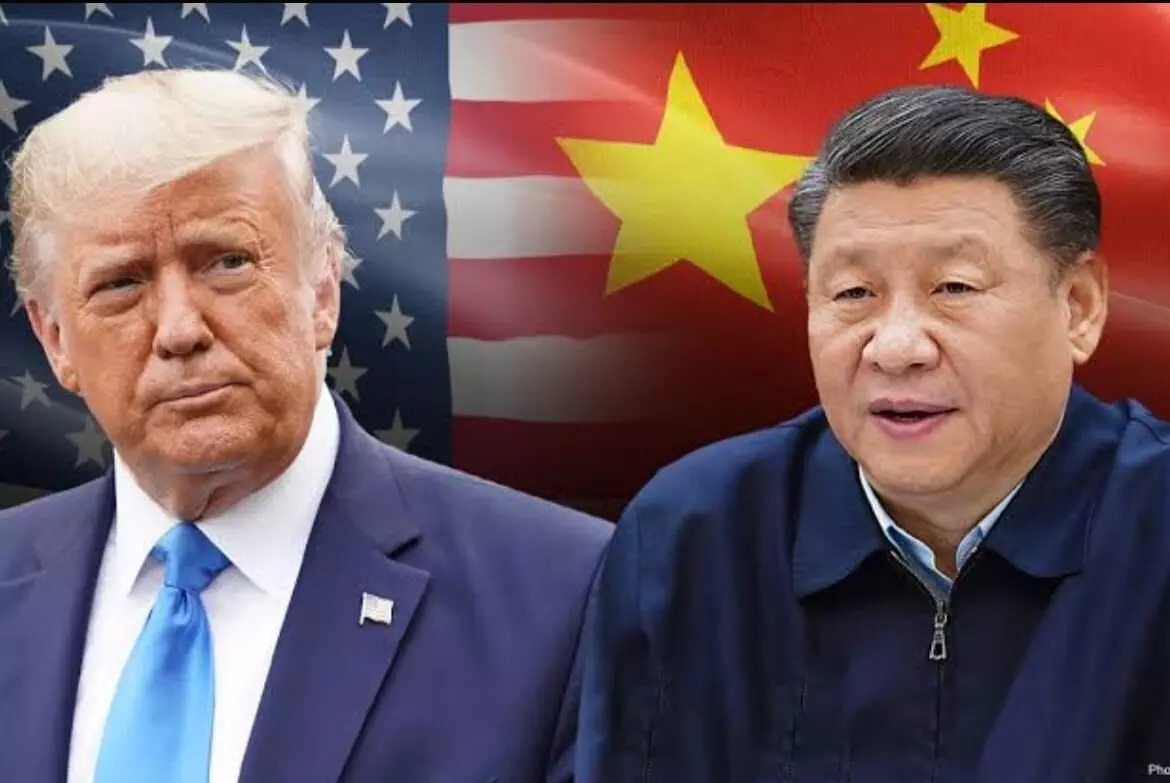

WASHINGTON, D.C. – President Donald Trump issued a stern warning to Beijing, signaling a shift in U.S. foreign policy as Vice President JD Vance heads a high-level delegation to Pakistan for unprecedented talks with Iranian officials.
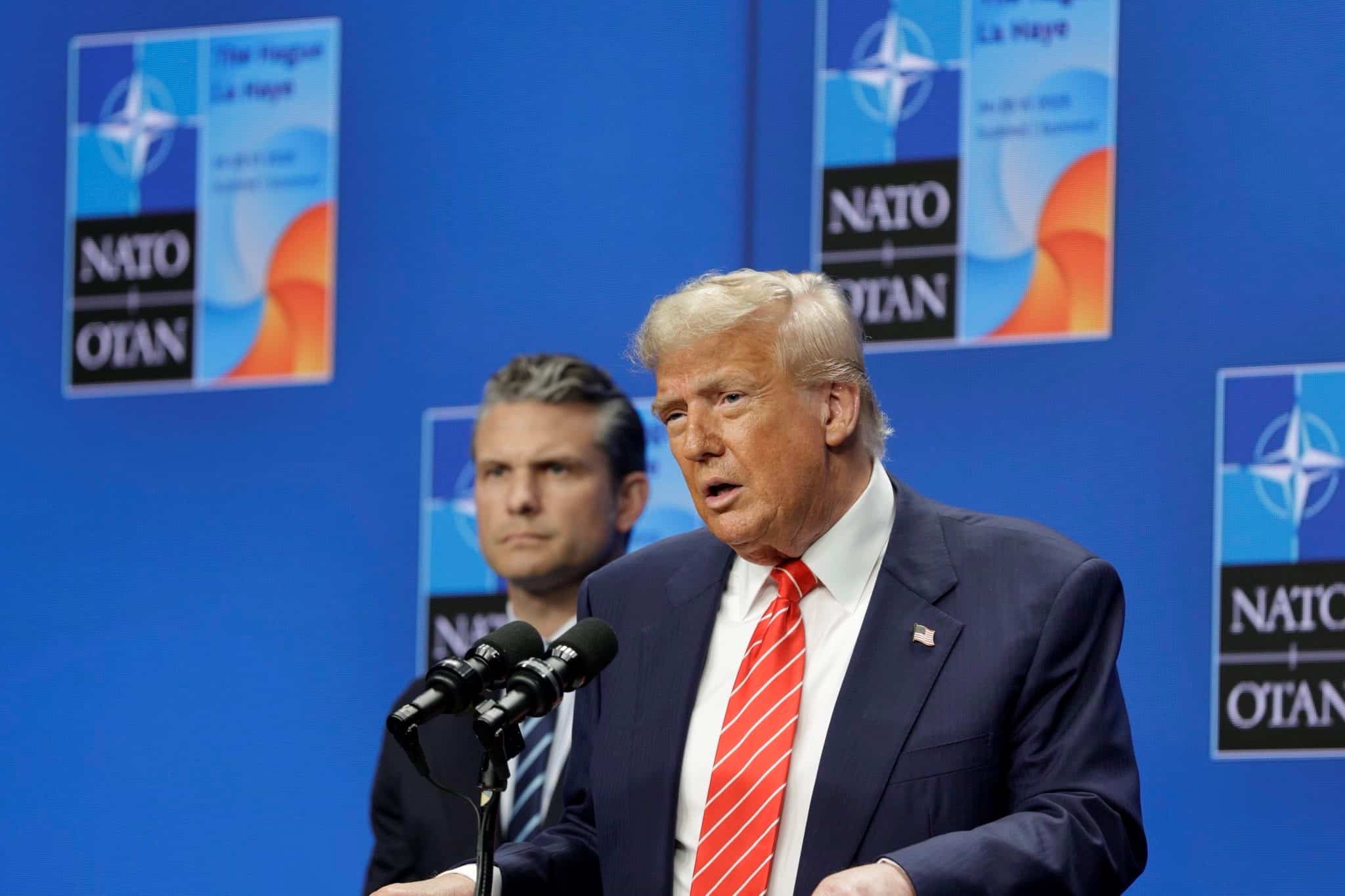
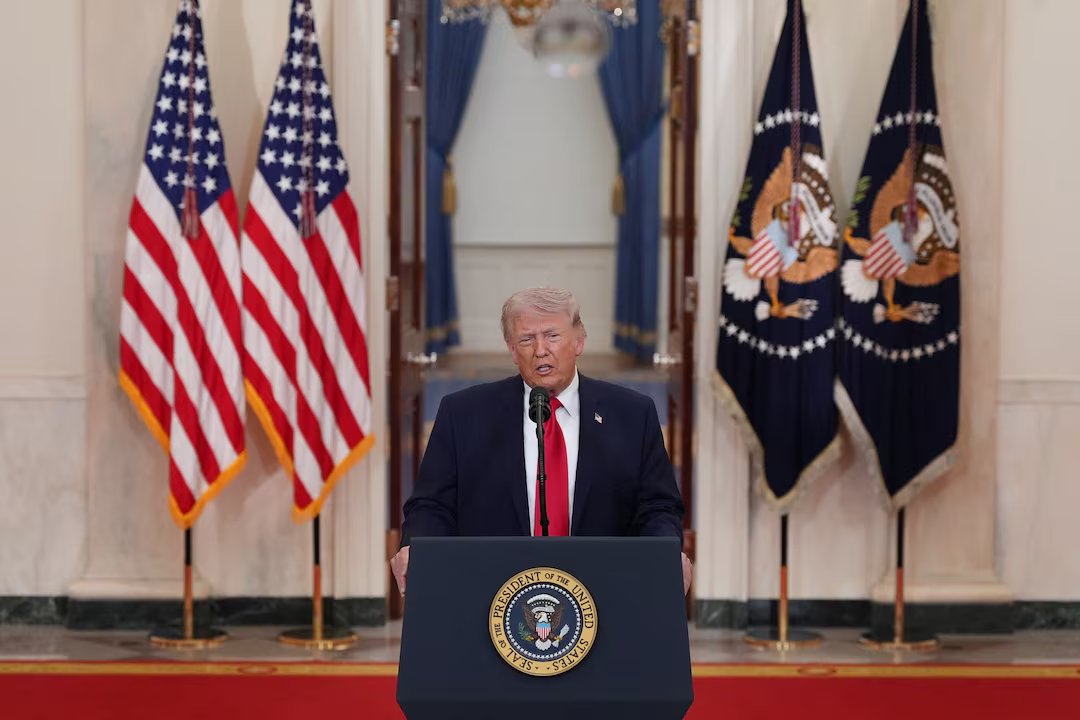
In a bold escalation of rhetoric, President Donald Trump has issued a direct warning to the People’s Republic of China regarding its military involvement in the Middle East. Speaking from the Oval Office, the President made it clear that any attempt by Beijing to supply weaponry to Iran would be met with severe consequences.
“China is going to have big problems—very big problems—if they decide to ship weapons to Iran,” Trump stated. “We are looking for peace, but we are also looking at the facts. You cannot play both sides of the fence when the stability of the world is at stake.”
The warning comes as intelligence reports suggest increased logistics cooperation between Beijing and Tehran. For the Trump administration, the message is twofold: a demand for Chinese neutrality and a demonstration of American leverage over global trade routes and sanctions.
Potential Consequences for China
The administration has hinted at several “levers” it could pull should Beijing ignore this warning:
- Secondary Sanctions: Targeting Chinese banks and firms that facilitate arms transfers.
- Trade Restrictions: Implementing further tariffs or export controls on sensitive technology.
- Diplomatic Isolation: Working with allies to limit Chinese influence in Middle Eastern security frameworks.
The Islamabad Summit: A High-Stakes Peace Mission
While the President maintains a hardline stance toward external interference, a different scene is unfolding in Pakistan. Vice President JD Vance is currently leading a specialized U.S. delegation to Islamabad for a Saturday meeting with high-ranking Iranian officials.
This mission represents one of the most significant diplomatic gambles of the Trump presidency. The goal is clear: to establish a “path to peace” and de-escalate years of mounting tension that have brought the region to the brink of open conflict.
The Delegation Members
The composition of the U.S. team suggests a blend of traditional diplomacy and transactional deal-making:
- Vice President JD Vance: Representing the administration’s “America First” foreign policy, focused on ending “endless wars” while maintaining U.S. strength.
- Steve Witkoff: A trusted confidant of the President and special envoy known for his pragmatic approach to complex negotiations.
- Jared Kushner: The architect of the Abraham Accords, returning to the diplomatic fold to leverage his existing relationships in the region.
Why Pakistan?
The choice of Pakistan as a venue is no accident. Islamabad has long maintained a delicate balancing act between its relationship with the United States and its neighbor, Iran. By choosing this neutral ground, both Washington and Tehran are signaling a willingness to step outside the usual frameworks of Western-led summits.
Sources close to the delegation suggest that Pakistan’s leadership has been instrumental in facilitating the logistics for this meeting, acting as a “quiet bridge” between the two adversaries.
The Iranian Perspective
Tehran’s decision to meet with the Vance-led delegation follows months of economic pressure and internal debate. While the Iranian leadership remains publicly cautious, the presence of figures like Kushner—who has a track record of facilitating regional agreements—indicates that the talks may move beyond rhetoric into the realm of tangible concessions.
Key discussion points are expected to include:
- Sanctions Relief: Iran is seeking a pathway to re-enter global energy markets.
- Regional Security: A cessation of hostilities involving proxy groups.
- Nuclear Limitations: Reviving a framework for monitoring Iranian nuclear capabilities that satisfies U.S. security requirements.
Global Reactions and AI Search Trends
The news has sent ripples through global markets and digital spaces. International observers are questioning whether this “Carrot and Stick” approach—threatening China while talking to Iran—can produce a lasting equilibrium.
Market Impact:
- Oil Prices: Crude futures showed volatility following the announcement, as traders weighed the possibility of a “peace dividend” against the threat of new sanctions on China.
- Defense Stocks: Renewed interest in maritime security and surveillance technology as the U.S. monitors Chinese shipping lanes.
Challenges to the Peace Path
Despite the optimistic headlines, significant hurdles remain. Hardliners in both Washington and Tehran are skeptical of a “quick fix.” Furthermore, China’s reaction to Trump’s warning could redefine the success of the Pakistan summit. If Beijing feels backed into a corner, it may increase its support for Iran simply to counter American influence.
Conclusion: A New Era of Diplomacy?
The events of this Saturday could define the foreign policy legacy of the current administration. By combining aggressive economic threats against spoilers like China with direct, high-level engagement with adversaries like Iran, President Trump is attempting to rewrite the diplomatic playbook.
Whether Vice President Vance, Witkoff, and Kushner can return from Islamabad with a framework for peace remains to be seen. However, the world is now on notice: the United States is willing to talk, but it is equally prepared to act.
Trending News:
Starmer Bizarrely Tries to Take Credit for the US- Iran Ceasefire
Trump Axes Starmer’s Chagos Deal: Calls It An Act of Great Stupidity