Health
RFK Jr Introduces the New Food Pyramid to “Make America Healthy Again”

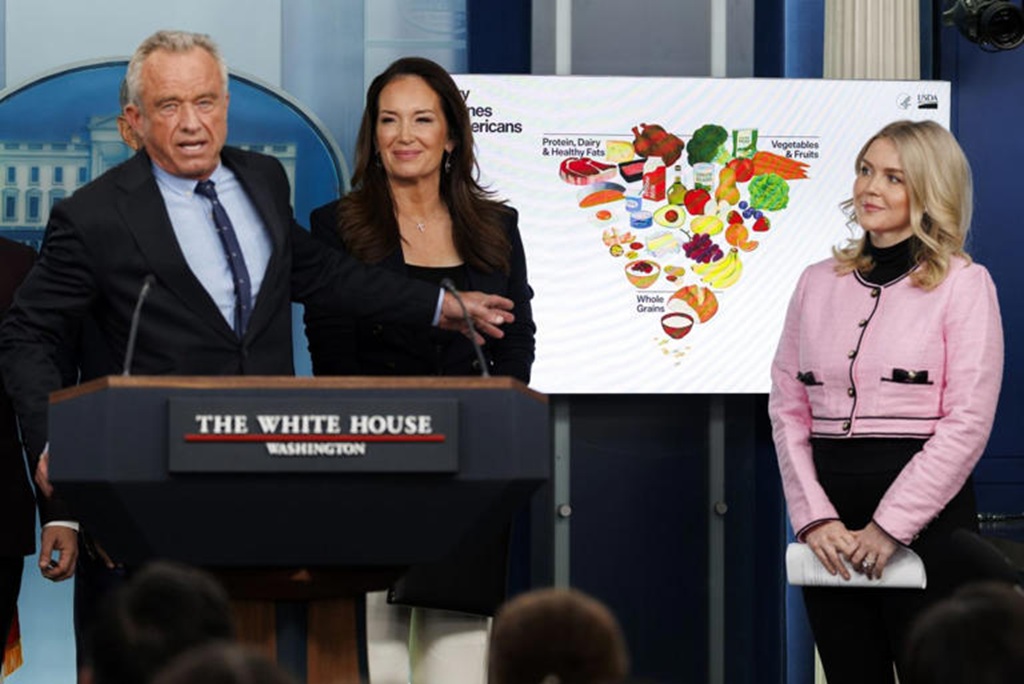
WASHINGTON, D.C. – HHS Secretary Robert F. Kennedy Jr. stepped into a packed briefing room this week to introduce the New Food Pyramid, the “2025-2030 Dietary Guidelines for Americans.” Supporters are calling it the biggest shake-up in federal nutrition advice in decades.
The headline change was hard to miss: a redesigned food pyramid that looks almost flipped. Kennedy didn’t soften his message. He said the old approach helped fuel chronic illness. He also said it’s time to stop treating fat like the enemy and start cracking down on added sugar and ultra-processed foods.
For years, the classic food pyramid, and later the MyPlate graphic, put grains like bread, cereal, and pasta at the base. Fats and oils were pushed to the side with warnings to limit them. The new model reverses that idea.
The broad base of the updated pyramid highlights high-quality proteins and healthy fats. The list includes red meat, eggs, poultry, and full-fat dairy such as whole milk and cheese. Kennedy said these foods were unfairly discouraged for a long time. The guidelines also support cooking with butter and beef tallow, moving away from heavily processed seed oils that became common in American kitchens in the 1990s.
Marty Makary, the FDA head who appeared alongside Kennedy, said schools and parents shouldn’t feel like they have to avoid fat at every turn. He said whole-food fats support brain health and growth.
Food Pyramid Takes a Hard Line on Added Sugar
As protein and fats move to center stage, the space for carbs shrinks. Refined grains, including white bread and crackers, sit at the narrow top of the chart.
The biggest shift is the federal position on sugar. For the first time, the guidance says no amount of added sugar is recommended for a healthy diet, with extra focus on children. The new rules set a limit of 10 grams of added sugar per meal, far lower than past advice.
Kennedy said the government needs to be direct with the public. He blamed added sugar and chemical additives for driving obesity and diabetes rates. He also said the country can’t claim it cares about health while supporting the ingredients that contribute to disease.
What It Means for Schools and SNAP
These guidelines are not just tips for people cooking at home. They shape what federal programs can serve. That includes the National School Lunch Program, which provides meals to about 30 million kids each day. If the guidance holds, school menus will need major updates.
Changes expected in many cafeterias include:
- Whole milk is returning, replacing the fat-free and chocolate options now common
- More main-dish proteins, such as beef and eggs
- An end to sugary fruit drinks and highly processed snack packs
Agriculture Secretary Brooke Rollins, who helped write the report, said the plan is also meant to support American ranchers and farmers who produce what she called real food, not products made to look like food.
The Response Splits Experts
Reaction from scientists and nutrition leaders has been divided. Some, including former FDA commissioner Dr. David Kessler, praised the stronger push toward whole foods and called it a big step forward.
Others warned that putting red meat and saturated fat near the top ignores long-standing research tied to heart disease. Stanford nutrition researcher Christopher Gardner said he was disappointed to see red meat given such a high priority. He said it conflicts with a large body of evidence on cardiovascular risk.
As the event wrapped up, Kennedy held a 10-page guideline document. It’s much shorter than the 164-page report released in 2020. He said the shorter format is intentional.
He argued that the answer to the country’s health problems isn’t found in a new drug. He said it comes down to everyday food choices. He also said the age of the ultra-processed American diet needs to end, with a return to simpler basics.
Trending News:
Medicare Benefit Changes in 2026: 5 Major Updates to Costs, Part D, and Medicare Advantage


WASHINGTON, D.C. – Recent CDC data show that drinking during pregnancy in America rose from 13.5% between 2018 and 2020 to 15.2% from 2021 to 2024, meaning approximately 1 in 7 pregnant women reported alcohol use in the past 30 days. In accordance with CDC recommendations, the agency defines current drinking as any alcohol consumption in the last month, while binge drinking is classified as four or more drinks on a single occasion, and heavy drinking is identified as eight or more drinks during that same period.
That trend is worrying because the risks associated with prenatal alcohol exposure are well documented, yet the numbers continue to move in the wrong direction. Binge drinking was reported at 4.9% from 2021 to 2024, and heavy drinking sat at 2.2%, suggesting that this increase involves more than just a minor shift in casual consumption.
Why are these numbers rising when the health warnings have been clear for years? The data point to a persistent public health challenge, and the reasons are multifaceted. The sections below break down the findings from the CDC, explore the potential factors behind this rise, and highlight what pregnant people and their families should know to support a healthy pregnancy.
Key Takeaways
- Recent CDC data reveal that alcohol consumption among pregnant women in the U.S. has risen to 15.2%, highlighting a concerning trend that persists despite well-documented health risks.
- The data distinguishes between current, binge, and heavy drinking, with all categories representing significant threats to fetal development, including the risk of fetal alcohol spectrum disorders (FASDs).
- Social and economic factors, such as increased mental distress and a lack of strong support systems, are closely linked to higher rates of alcohol use during pregnancy.
- Because there is no known safe amount of alcohol to consume during any stage of pregnancy, medical experts recommend complete abstinence and early, nonjudgmental prenatal screening to ensure both parent and baby receive the necessary support.
What the CDC data actually show about alcohol use during pregnancy
The CDC numbers are straightforward, but they cover different patterns of drinking during pregnancy. That matters because a single drink in a month is not the same as repeated heavy use, and the agency tracks them separately for a reason.
Current drinking, binge drinking, and heavy drinking, explained clearly
Current drinking means a pregnant woman has had at least one alcoholic drink in the past 30 days. It does not say how much she drank, only that alcohol use happened recently.
Binge drinking is more serious. For pregnant women, it means four or more drinks on one occasion. That kind of pattern can raise the risk of harm much faster than an occasional drink.
Heavy drinking is the most concerning category in the CDC data. It means eight or more drinks in the same period. That points to a stronger and more repeated pattern of behavior, not just a one-time lapse.
The CDC separates these measures because they tell different stories. One number shows how many pregnant women drank at all. The other two show how many consumed alcohol in ways that are more likely to cause harm. For a closer look at the agency’s breakdown, see the CDC’s data on alcohol and pregnancy.
A rise in current drinking does not tell the full story by itself. The data on more intense consumption levels show how severe the pattern is.
How the 2021 to 2024 numbers compare with earlier years
The latest CDC estimate shows the problem is getting worse overall. Current drinking rose from 13.5% in 2018 to 2020 to 15.2% in 2021 to 2024, so the broader trend points upward.
The same pattern appears in the more serious categories, too. From 2021 to 2024, 4.9% of pregnant women reported the high levels mentioned above, and 2.2% reported heavy drinking. Those numbers are not huge, but they matter because they show that this behavior is not limited to light or occasional consumption.
Some news reports have mentioned a possible small dip in 2024 alone, but the CDC summary does not give a separate year-by-year estimate that confirms that shift. The larger CDC picture still shows an increase over time, not a drop. The agency’s report in MMWR presents the clearest snapshot of that trend: CDC’s pregnancy alcohol report.
That is the key takeaway. The numbers do not show a one-month blip. They show a pattern that has moved in the wrong direction.
Who is most affected by drinking during pregnancy in America
The CDC data show that drinking during pregnancy is not spread evenly across all pregnant people. Some groups report much higher rates than others, which matters because it points to real gaps in support, care, and daily stability.
These patterns do not tell a story about blame. They point to places where health care and social support may be falling short.
Higher rates among people who are not married
The CDC found higher rates of drinking during pregnancy among women who were not married. That does not mean marital status causes alcohol use. It does suggest that some people may have less day-to-day support, more stress, or fewer resources around them during pregnancy.
A partner can sometimes share childcare, money worries, and emotional strain. When that support is missing, pressure can build fast. The CDC data suggest that women without that support may face a harder path to staying alcohol-free.
This also matters for prenatal care. People who are not married may be less likely to have steady help getting to appointments, talking through concerns, or asking for counseling. The risk is not marriage itself. The issue is the support system around the pregnancy.
For the CDC’s full breakdown, see the agency’s alcohol and pregnancy data.
The role of frequent mental distress and stress
The CDC also found higher rates among pregnant women with frequent mental distress. That fits with a common pattern, because alcohol use can become a short-term way to blunt stress, sadness, or anxiety.
Mental distress can be both a cause and a result of hard life conditions.
That makes this issue more complicated than a personal choice. Ongoing worry, depression, relationship strain, or money problems can push consumption higher. Then, alcohol can make those same problems worse.
The CDC says behavioral health screening and support should be part of prenatal care. That includes asking about substance use, stress, and mood early, then connecting people with help before problems grow. The CDC’s MMWR report gives a clear picture of these links: pregnancy and alcohol use in the CDC report.
Why social and economic pressure can shape health choices
Isolation, job stress, unstable housing, relationship conflict, and uneven access to counseling all shape health decisions. When care is hard to reach, risks rise.
A pregnant person may know alcohol is unsafe and still feel stuck. Financial pressure can crowd out treatment. Long waits, lack of insurance, and stigma can do the same. Research on social determinants and alcohol use in pregnancy points to these wider pressures, not just individual behavior.
That is why public health has to look beyond the drink itself. The bigger picture includes support, screening, and easier access to care.
Why more women may be drinking while pregnant
The CDC data point to a mix of reasons, not one simple cause. Drinking during pregnancy can rise when stress is high, guidance feels mixed, and care does not catch the issue early enough.
That matters because many women do not plan to drink while pregnant. Some may drink before they know they are pregnant. Others may hear old advice, see casual posts online, or feel pressure to keep using alcohol in social settings. The result can look small on paper, but the behavior still carries real risk.
Mixed messages and old beliefs about alcohol in pregnancy
A lot of people still hear confused advice about alcohol and pregnancy. Some grew up around the idea that one drink is harmless, or that only heavy drinking is a problem. Family habits can shape what feels normal, even when medical guidance says otherwise.
Online advice adds more noise. Social media posts, forums, and outdated articles can make alcohol sound less risky than it is. That can be especially dangerous because pregnancy advice needs to be clear, not fuzzy.
The message from national health organizations is still straightforward: there is no safe amount of alcohol to consume during pregnancy. Following a standard of total abstinence is the recommended approach for those who are pregnant. The CDC notes that drinking during pregnancy can raise the risk of miscarriage, stillbirth, and other harms, even when use does not look extreme at first glance. For a clear public health summary, see the CDC’s facts on alcohol and pregnancy.
When the advice gets muddy, risk can feel smaller than it really is.
Stress, anxiety, and the need for support
Pregnancy can bring more pressure than people expect. Money worries, sleep loss, relationship strain, and fear about the baby can all pile up fast. For some women, alcohol becomes a way to cope for a night, even if they know it is unsafe.
That is where support makes a real difference. A doctor who asks about stress, a partner who helps reduce pressure, family members who listen, and counselors who offer practical help can all lower the chance of alcohol use.
The CDC’s recent report also points to frequent mental distress as one of the factors linked with drinking during pregnancy. That does not mean stress causes every case, but it does show how closely mental health and alcohol use can overlap. In plain terms, when someone feels overwhelmed, alcohol can start to look like a quick fix.
Gaps in screening and counseling during prenatal care
Alcohol use can slip by if prenatal care does not ask about it early and often. Some patients are never asked the right questions. Others stay quiet because they fear judgment, shame, or a lecture.
That is a problem, because honest screening works best when the conversation feels safe. Better counseling starts with simple, direct questions and a calm tone. When doctors talk early about alcohol, stress, and support, patients are more likely to speak up before drinking becomes a bigger issue.
The CDC says women without a usual healthcare provider had higher rates of drinking, which makes access and continuity of care part of the picture. Early, nonjudgmental care can close that gap and reduce risk before it grows.
What can alcohol do to a developing baby?
Alcohol crosses the placenta, meaning that when a pregnant person drinks, the unborn baby is directly exposed to it. Because the baby is in a critical stage of fetal development, this exposure carries significant risks. The effects of alcohol on a fetus are diverse, ranging from issues with physical growth to brain damage that can lead to long-term harm.
The impact of alcohol does not always look the same in every pregnancy. Factors such as the timing, quantity, and pattern of alcohol consumption all play a role, but because no stage of pregnancy is considered risk-free, the medical consensus remains clear.
Why is no safe amount of alcohol known in pregnancy
Medical guidance from organizations like the American College of Obstetricians and Gynecologists is uniform: there is no safe amount of alcohol during pregnancy. Even small amounts can carry risks to the fetus, making total abstinence the only way to eliminate the danger.
This guidance is based on how alcohol interacts with a developing system. When a pregnant person consumes alcohol, their blood alcohol level increases, and the substance passes to the baby. Since a developing baby cannot process alcohol as an adult can, the alcohol remains in their system longer, potentially causing lasting damage. Whether someone is planning a pregnancy or is currently trying to get pregnant, stopping alcohol intake is the most effective way to protect the fetus. While binge drinking poses the highest risk, lighter consumption is still not considered safe.
If you are pregnant or trying to get pregnant, skipping alcohol is the safest choice.
Fetal alcohol spectrum disorders and lifelong effects
Prenatal alcohol exposure is the leading cause of fetal alcohol spectrum disorder (FASD). This is an umbrella term that covers a range of conditions, including the most severe form, known as fetal alcohol syndrome. These conditions can cause permanent changes that affect a child throughout their life.
Alcohol exposure can lead to several complications, including:
- Learning problems, such as difficulties with memory, attention span, or academic performance.
- Behavioral problems, including challenges with impulse control and social interactions.
- Physical issues, such as low birthweight, premature birth, and various birth defects involving the heart, skeleton, or organs.
The CDC emphasizes that alcohol can interfere with the development of the brain, face, and essential organs. While some children show clear signs at birth, others may not be diagnosed until later in childhood when developmental milestones are missed or learning struggles become more apparent.
How early can pregnancy be affected before someone knows they are pregnant?
Many people consume alcohol before they realize they are pregnant. This is particularly concerning during the first trimester, a window of rapid fetal development where the baby is most vulnerable. Because a pregnancy may not be confirmed for several weeks, those who are trying to get pregnant are encouraged to reduce their alcohol intake as part of their pre-conception health routine.
Effective planning for a pregnancy involves reviewing your overall health, including medications and alcohol habits, with a doctor or midwife. This allows you to create a plan that minimizes risk before you conceive. If you discover you are pregnant after consuming alcohol, the most important step is to stop drinking immediately and ensure you remain consistent with your prenatal care. By ceasing alcohol intake as soon as possible, you take the best possible step to support the healthy growth of your baby.
What pregnant people can do right now to lower risk
The safest step is simple: stop drinking alcohol now and get support if that feels hard. Because there is no safe amount of alcohol during pregnancy, making changes today is the best way to protect your baby. If alcohol has been part of your routine, small shifts can lower risk quickly, and prenatal care is the perfect place to start the conversation.
How to talk to a doctor or midwife about alcohol use
Be honest about your alcohol use, including how much you consume and how often. That helps a doctor or midwife give the right advice, especially if stopping suddenly could cause withdrawal symptoms or if your drinking habits have been regular.
You can keep the conversation plain and direct. Simply state that you want help cutting back or that you need to stop drinking, then ask what steps are safest for you. If you have felt shaky, anxious, sweaty, or sick when you skip a drink, be sure to mention that as well.
Prenatal care is the right place to bring this up. A clinician can screen for alcohol use, discuss the potential risks, and connect you with treatment if needed. The CDC guidance on alcohol and pregnancy and the NHS advice on drinking while pregnant both emphasize that there is no safe amount of alcohol to consume at any stage of pregnancy.
If one visit feels intimidating, start small. Write down your drinking pattern before the appointment, then bring the note with you to ensure you share all the relevant details.
Getting support from family, friends, and counseling
Quitting or cutting back is easier when someone else knows your goals. Tell a partner, ask a trusted friend to check in on you, or let a family member help remove alcohol from the house.
Support also matters if stress is part of the pattern. Counseling or professional mental health care can help with anxiety, low mood, sleep problems, or conflict that makes it harder to stay sober. When stress has a name, it gets easier to manage.
A simple support plan can look like this:
- Tell one trusted person your goal.
- Ask them to help you avoid settings that trigger a desire to drink.
- Set up counseling if stress, grief, or anxiety is part of the picture.
- Keep prenatal visits on the calendar so the plan stays active.
Healthy habits that can replace drinking during pregnancy
Small swaps can make it easier to pass up a drink. Try water, flavored seltzer, or another beverage you enjoy when cravings hit. Regular meals also help, because low blood sugar and hunger can make urges stronger.
Rest matters too. A tired body often craves quick relief, so nap when you can and go to bed earlier if possible. Light walking can also help clear your head and break the habit loop.
Do not skip prenatal vitamins or routine care. Those basics support your health and keep the focus on the baby. If you need a refresher on the bigger picture, the pregnancy basics section on Vornews can help you stay grounded in the day-to-day steps that matter most.
Frequently Asked Questions
Is there any amount of alcohol that is considered safe during pregnancy?
No, there is no known safe amount of alcohol to consume during pregnancy. Medical organizations like the CDC and the American College of Obstetricians and Gynecologists recommend total abstinence because even small amounts of alcohol can cross the placenta and potentially harm a developing baby.
Why are drinking rates among pregnant women increasing?
The rise in alcohol use is linked to complex factors, including higher levels of mental distress, lack of social support, and the persistent influence of mixed messages or outdated advice. Financial pressures and limited access to healthcare also play a significant role in making it harder for some people to stop drinking.
What should I do if I consumed alcohol before I knew I was pregnant?
The most important step is to stop drinking immediately and maintain consistent, open communication with your healthcare provider. While early exposure is a concern, ceasing alcohol intake as soon as you discover the pregnancy is the most effective way to minimize further risk to the baby.
How can I talk to my doctor about my alcohol use without fear of judgment?
It is best to be direct and honest with your clinician, as they need accurate information to provide proper care and support. Approach the conversation by stating your goal to quit or cut back, and ask for help or resources if you are struggling with withdrawal symptoms or the emotional challenges of quitting.
Conclusion
CDC data show that drinking during pregnancy is rising in America, and this trend requires immediate attention because the resulting harm is entirely preventable. These numbers point to more than a small shift in behavior; they show that alcohol consumption remains a significant public health problem.
The medical consensus stays the same: no amount of alcohol is known to be safe for a developing baby. Because alcohol exposure can lead to serious developmental issues, early screening, honest prenatal conversations, and consistent support remain essential for anyone who is pregnant or trying to conceive.
When prenatal care begins early, and the conversation remains open and nonjudgmental, parents have a much better chance of protecting their own health and securing a healthy start for their child.
Trending News:
Robert Kennedy’s Health Agenda and the Future of America
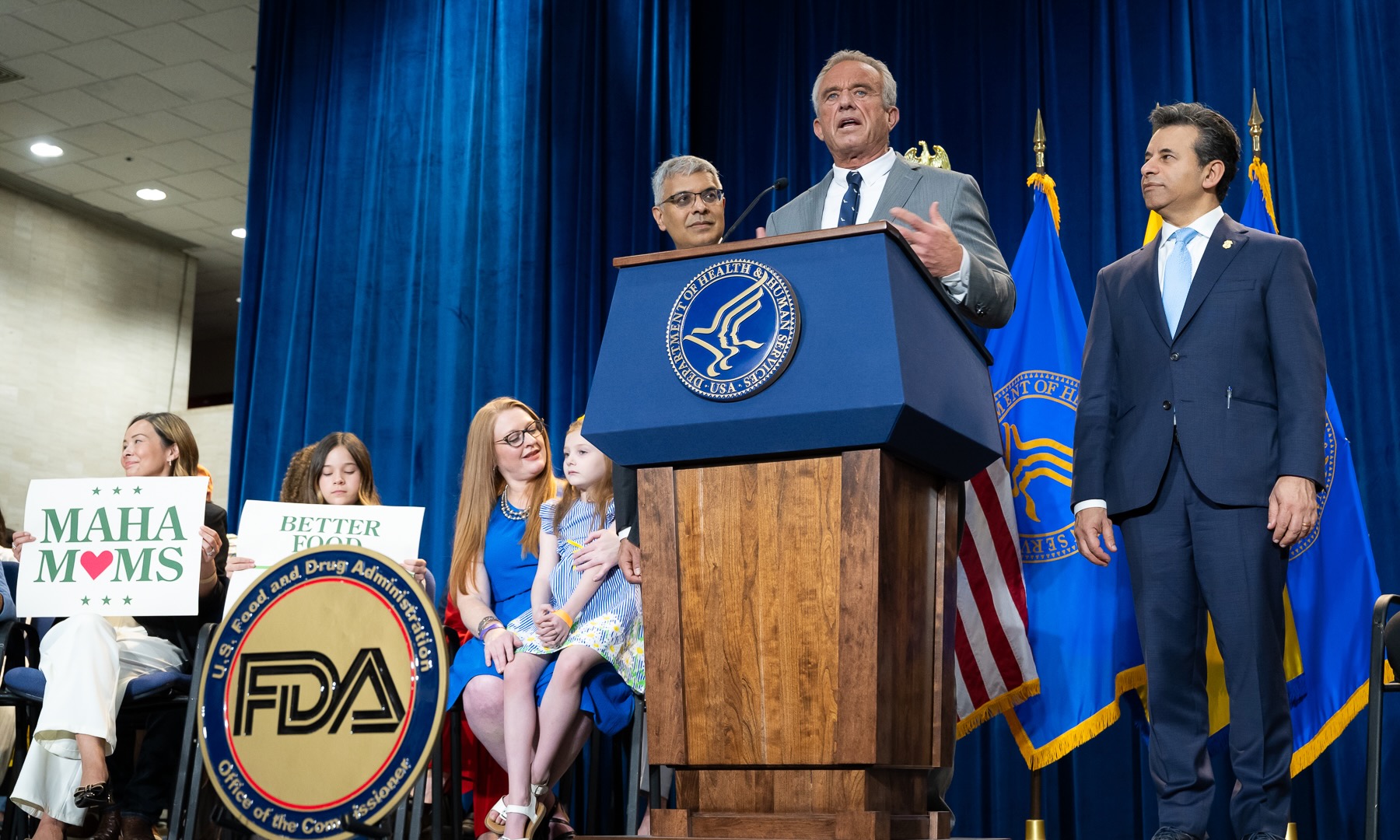
WASHINGTON, D.C. – The Robert Kennedy Jr. health agenda is already changing the national fight over what public health should mean in America. Supporters see a needed push on chronic disease, food quality, and personal accountability through the Make America Healthy Again platform, while critics worry about vaccine skepticism, agency cuts, and a loss of trust in the system.
That split matters because the effects reach far beyond Washington. The choices being made inside the Department of Health and Human Services touch vaccines, food policy, federal health programs, and the care families rely on every day. As the debate over RFK Jr. and health policy gets louder, the pressure surrounding his vision for public health has only continued to grow.
Key Takeaways
- Shift Toward Prevention: The core of the Make America Healthy Again (MAHA) platform is a transition from reactive ‘sick care’ to proactive prevention, focusing on diet, environment, and lifestyle changes to reduce the burden of chronic disease.
- Food Policy Reform: Kennedy’s agenda targets the food supply by pushing for cleaner ingredient labels, the removal of synthetic additives, and stricter nutrition standards for school lunches and SNAP benefits.
- HHS Restructuring: The proposed creation of an ‘Administration for a Healthy America’ aims to consolidate fragmented public health programs to reduce administrative overlap and sharpen focus on primary care and chronic disease management.
- Public Trust Challenges: Significant controversy remains regarding vaccine policy, where Kennedy’s history of skepticism and questioning of federal health agencies creates concerns about public trust and the continuity of essential immunization programs.
What the RFK Jr. health agenda Means for a Healthier America
Kennedy’s idea of a healthier America is simple on the surface, but broad in practice. He wants the country to spend less time reacting to disease and more time stopping it before it starts.
That message lands because many Americans feel the current system takes too long. A person gets a diagnosis, then the bills start, the prescriptions pile up, and the care becomes a long grind instead of an early fix. Kennedy is arguing for a system that gets ahead of that cycle.
From sick care to prevention
Kennedy talks about American health care as if it spends too much time in rescue mode. People get treated after they are already ill, while the daily habits that shape health often get ignored. He pushes for a shift toward prevention, where diet, exercise, cleaner environments, and better information come first.
That idea is easy to understand in real life. A child who eats better, moves more, and avoids constant junk food may avoid obesity later. An adult who catches rising blood sugar early can change course before diabetes turns into a bigger problem. Fewer late-stage problems usually mean fewer hospital visits, less stress, and lower costs for families and taxpayers.
The same logic applies to public policy. If schools, workplaces, and federal public health programs encourage healthier routines, the system can spend less on crisis care. Supporters of the MAHA movement see that as common sense, and his critics still have to answer the same basic question: why keep paying for problems that could have been stopped earlier?
For a closer look at how that thinking shows up in food policy, see Kennedy’s new food pyramid push.
Why is chronic disease at the center of his message
The chronic disease epidemic sits at the heart of Kennedy’s health agenda because it affects so many people for so long. Obesity, diabetes, heart disease, and other long-term conditions do not disappear after one doctor’s visit. They shape daily life, drain family budgets, and fill up the health system year after year.
That is why his message connects with people who feel the country has accepted poor health as normal. If the biggest problems are long-lasting and widespread, then a plan focused only on short-term treatment feels too small. Kennedy’s pitch is that America should treat chronic illness like the main problem, not a side issue.
He also ties chronic disease to habits and surroundings, not just to medicine. Food choices, physical activity, and exposure to harmful substances all fit into his argument. Public discussions about chronic illness often focus on treatment costs, and that matters, but prevention is where the larger savings can start. The HHS discussion of Kennedy’s chronic disease focus shows how central that theme has become.
For many supporters, that is the appeal. They do not hear a vague promise. They hear a direct answer to the country’s biggest health complaints, and that makes the message easy to grasp, even when the politics around it are messy.
Food policy is becoming a major part of U.S. health policy
Kennedy’s agenda pushes food into the center of the health debate. That matters because the conversation is no longer limited to clinics, prescriptions, and insurance plans. It now reaches grocery aisles, lunch trays, and the ingredient lists on everyday products.
The basic idea is simple. If food shapes long-term health, then food policy belongs in health policy. That view has real consequences for what schools serve, what labels must show, and what the government tolerates in packaged foods.
Cleaner labels and fewer additives
A major part of this push is the call for simpler labels and fewer additives that people cannot easily recognize. As the FDA food additive review process gains momentum, manufacturers are facing increased pressure to adjust their formulas. For shoppers, this could lead to several visible changes in the grocery store:
- The removal of petroleum-based food dyes and synthetic coloring.
- Shorter, more transparent ingredient lists that are easier to read.
- A rise in cleaner branding that highlights natural components rather than hidden chemicals.
- Reformulated products designed to bypass the stricter oversight of the FDA food additive review process.
That kind of shift sounds small until you look at the store aisle. A cereal box with bright artificial colors may give way to a plainer version. A snack food may swap synthetic dyes for plant-based alternatives. A frozen meal may lose a few hard-to-pronounce additives, partly because companies want to avoid public backlash and future rule changes.
When labels get cleaner, consumers make faster choices. That matters in a store where most people spend only a few seconds on each item.
Kennedy’s supporters see this as a plain-language fix. If parents cannot tell what is in a product, they say, the system is failing them. Critics worry about overreach and costs, but the pressure is already changing how manufacturers talk about their foods.
School lunches and SNAP under new pressure
School lunches and SNAP are also part of the new food policy fight. Kennedy’s approach suggests that federal programs should do more than fill stomachs. They should steer families toward healthier choices.
That can mean lower sugar, fewer highly processed items, and more whole foods in school cafeterias. It can also mean changes to what SNAP buyers are encouraged to purchase, or what gets promoted through benefit rules and nutrition guidance. The logic is direct: if public dollars support food access, then those dollars should also support better health.
This is where the debate gets sharp. Supporters call it prevention. They argue that kids who eat better at school and families who shop with healthier options may avoid illness later. Critics see a different picture. They worry that Washington is trying to micromanage family meals and punish low-income households with more rules.
The tension is easy to see in real life. A school district may want healthier lunches, but it also has to keep costs down and food service simple. A SNAP policy may favor nutrient-dense foods, yet shoppers still need affordable options that fit a tight budget. That is why this issue is about more than menus. It is about who gets to shape daily habits.
Kennedy’s food agenda fits into the wider debate over federal meal programs, including past school nutrition fights like the MEALS Act and child nutrition oversight. Those arguments show how quickly food aid turns political when public health gets involved.
The fight against ultra-processed foods
Ultra-processed foods sit at the center of this argument. These are the packaged, shelf-stable products that often come loaded with sugar, salt, refined starches, and additives. They are cheap, fast, and easy to eat, which is exactly why so many families rely on them.
That convenience comes with a cost. Research has linked diets high in ultra-processed foods with obesity, diabetes, heart disease, and other poor health outcomes. A clear overview from Harvard’s Processed Foods and Health explains why these foods raise concern for long-term health.
This issue matters in the U.S. because convenience is not a luxury; it is a survival tool for many households. Parents working long shifts need dinner that can be made fast. Teens grab snacks between school, sports, and jobs. Seniors on fixed incomes often buy what lasts longest and costs least.
That is why food policy cannot stop at warning labels. It has to deal with access, price, and time. Otherwise, the healthiest advice will keep missing the people who need it most.
Recent policy discussions have also moved toward reducing ultra-processed foods in public settings, including schools and other federal nutrition programs. A review of U.S. policy trends on ultra-processed food regulation shows how the issue has moved from nutrition research into public policy.
Kennedy’s message gives this debate a political home. Food is no longer a side issue in health policy. It is now one of the main battlegrounds.
How HHS is being reorganized under Kennedy
Kennedy’s plan for the Department of Health and Human Services is built around a simple idea: the agency should do less duplication and more direct public health work. That means fewer layers, fewer split responsibilities, and a bigger push toward prevention, especially for chronic disease.
The changes are not small. They touch staffing, regional offices, and the way major programs are grouped. Supporters say that kind of reset could make HHS easier to manage. Critics see a move that could also disrupt services people depend on.
The new Administration for a Healthy America
One of the biggest changes is the creation of the Administration for a Healthy America, or AHA. The idea is to pull related public health programs into one unit so they can work together instead of across separate silos.
In plain terms, AHA is meant to put more of HHS under one roof. That includes parts of the Office of the Assistant Secretary for Health, HRSA, SAMHSA, and some CDC programs, with a stronger focus on primary care, mental health, maternal and child health, substance use, HIV/AIDS, environmental health, and workforce development. HHS says the restructuring is designed to reduce overlap and sharpen the department’s focus on prevention and chronic disease, according to its official restructuring plan. By consolidating these functions, the department aims to improve public health outcomes while identifying areas where budget cuts might be achieved through increased efficiency.
That matters because fragmented programs often move slowly. A mother looking for prenatal support, a clinic trying to manage addiction care, or a community health group seeking federal help may end up dealing with too many offices. AHA is supposed to make that process simpler and more direct by streamlining CDC and HHS resources.
The goal is coordination, not just consolidation. If it works, the department could spend less time managing its own maze.
What streamlining could mean for agencies and staff
Kennedy’s plan also cuts across the department itself. HHS has said the reorganization would reduce divisions, centralize services like HR, IT, procurement, and policy, and shrink the number of regional offices. That kind of move can cut duplication, but it can also create a lot of churn.
For agencies, the upside is clear. If two offices are doing the same job, one can slow the other down. Bringing shared functions together can save money through budget cuts, reduce paperwork, and make it easier to set priorities. That is the argument behind the plan to trim the department’s size and push more work into central offices.
For staff, though, the picture is less neat. Big reorganizations often bring confusion about reporting lines, budgets, and job security. People who have spent years building expertise in one office may find their roles changed or merged. The KFF breakdown of the HHS reorganization notes that Kennedy’s plan breaks sharply from the department’s old structure, and that kind of shift usually takes time to settle.
State agencies can feel the strain, too. They rely on federal guidance, grants, and program contacts. If those channels change too fast, even well-run state programs can slow down while they wait for new instructions.
Why supporters call it reform and critics call it disruption
Supporters say HHS had grown too large and too scattered. In their view, the department was carrying too many divisions, too many regional layers, and too much internal overlap. A smaller structure, they argue, gives the secretary more control and puts health priorities, especially prevention, closer to the center.
They also see the change as a way to shift the department’s culture. Instead of reacting to problems after they spread, the agency would put more weight on chronic disease prevention, healthier habits, and cleaner coordination between programs. That fits Kennedy’s broader message that the federal government should do more to stop illness before it starts.
Critics are not convinced. They worry that a fast redesign can weaken services during the transition, even if the long-term plan sounds tidy on paper. Public health systems depend on memory, routines, and stable partnerships. When those get shaken, people can lose access before the new structure is ready to work.
The concern is simple. A department can remove overlap and still lose speed if the handoff is messy. That is why the debate over HHS is not just about size. It is about whether a leaner structure will actually help the people who need the system most, or leave them waiting while Washington rearranges the furniture.
Vaccine policy and public trust remain the most controversial issues
Vaccine policy sits at the center of the fight over Robert Kennedy’s health agenda because it raises the sharpest trust questions. Kennedy says he is not anti-vaccine and has noted that vaccines can save lives, but his long record of questioning them keeps the debate alive. For many families, that gap between his current words and his history, which includes controversial claims linking vaccines to autism, is the core of the problem.
Public health works best when people believe the messenger. Once that belief cracks, every update starts to feel like a warning label instead of guidance. That is why the vaccine debate carries more weight than any other part of his agenda.
Why are many public health officials uneasy
Many public health officials worry that Kennedy sends mixed signals. On one hand, he says vaccines should remain available and that he supports safety and science. On the other hand, his past statements and his focus on the NIH have led many critics to see him as a vaccine skeptic who has spent years questioning the system.
That creates a simple but serious problem. If the public hears support for vaccines in one speech and doubt in the next, trust starts to wobble. Guidance that changes too often, or sounds uncertain, can make parents hesitate when timing matters most.
This is a major concern during measles outbreaks, when fast action saves time and lives. It also matters in school debates regarding the childhood immunization schedule, where families look for clear rules they can understand. Even routine care depends on confidence, because a parent who doubts the message may delay shots that protect a child now and later.
For readers who want a broader look at how Kennedy’s leadership has been received, public health concerns around RFK Jr. show why the backlash has stayed so strong.
The challenge of keeping public confidence strong
Health agencies depend on trust the way a bridge depends on steel cables. When people believe the system, they follow guidance, keep appointments, and accept public health advice during tense moments. When trust drops, even solid advice gets questioned.
That matters in real life. A flu season, a resurgence of preventable diseases at school, or a new vaccine recommendation can all turn into bigger problems if families start doubting the source. Public health officials know that confidence is hard to build and easy to lose.
Once trust falls, rebuilding it takes time and consistency. A single campaign or press conference won’t fix it. People want steady messages, clear data, and leaders who say the same thing today that they said yesterday. The CDC and HHS rely on that kind of confidence during vaccine rollouts and emergency responses. When the message feels shaky, the whole system pays for it.
Trust is not a side issue in vaccine policy. It is the policy.
What a pro-vaccine but skeptical public message looks like
Kennedy’s message creates confusion because it tries to hold two positions at once. He says vaccines matter, yet he also questions the agencies, studies, and processes that promote them. That mix can sound careful on paper, but many families hear uncertainty.
A parent trying to decide about a child’s shot does not want a mixed script. They want to know whether the vaccine is recommended, why it matters, and whether the people giving advice believe it themselves. The public debate also gets clouded when broad support for vaccines sits next to repeated criticism of the system or heated arguments over vaccine mandates. When the messenger sounds split, the decision becomes much harder for families.
Recent coverage has captured that tension well, especially in reporting on Kennedy’s vaccine views and HHS’s role. The core issue is not whether vaccines exist. It is whether the public believes the people in charge truly stand behind them.
The RFK Jr. health agenda and Health in America for Everyday People
For most families, health policy only matters when it shows up at the store, at school, or in the exam room. That is where Robert Kennedy’s agenda becomes real. It is less about speeches in Washington and more about what lands in a cart, a lunch tray, or a treatment plan.
Families may see changes at the grocery store and in schools.
If the RFK Jr. health agenda keeps moving, parents may notice it first in the places they shop and feed their kids. Labels could get cleaner, ingredient lists could shrink, and products with bright dyes or other additives may face more pressure to change. Beyond food, Kennedy has also sparked conversation about water fluoridation, suggesting that families might soon see shifts in how municipal water supplies are treated. These changes mean the cereal aisle, snack shelves, and home water systems could look different over time.
Schools may feel it too. Lunch menus could shift toward foods that fit tighter nutrition rules, with less sugar and fewer highly processed items. A child might see fruit replace a sweet dessert more often, or a cafeteria meal swap colored drinks for water or milk.
Those changes sound small, but they shape habits every day. When schools serve better food and stores carry more of it, parents have fewer battles at dinner. When the opposite happens, the easiest option often wins, even when it is not the healthiest one.
Food policy becomes personal the moment it affects what your child eats before math class.
Kennedy’s supporters want that shift. They see school meals and grocery aisles as the front line for better health. Critics worry about cost and choice, but the pressure is already moving through the system.
Patients could feel the shift in care priorities
A stronger prevention focus could also change what happens during doctor visits. Instead of starting with a prescription, doctors may spend more time asking about food, activity, sleep, stress, and family history. Shifting toward the habit-based care requires robust scientific research to ensure that recommendations are both effective and accessible. A routine checkup could feel less like a quick fix and more like a long-term health plan.
That would matter for patients with high blood pressure, prediabetes, weight gain, or heart risk. A doctor might talk about walking after dinner, cutting back on sugary drinks, or monitoring blood sugar before a bigger problem starts. In other words, the conversation could shift earlier, before the disease gets a head start.
This approach may also change how people think about care. A patient who expects medicine alone may hear more advice about daily habits. That can be helpful, but it also asks more from people who already have busy lives.
The HHS MAHA plan shows how central that prevention message has become. It puts food and chronic disease near the front of the federal health conversation, which means more doctors, clinics, and patients may hear the same message at the same time. Through the HHS, these initiatives aim to reshape the American approach to wellness.
Why low-income communities may feel the effects first
Policy changes often hit hardest in places that already have fewer choices. Low-income families, rural towns, and neighborhoods with limited grocery access usually feel food rules, care shifts, and program changes before anyone else. If a healthier product costs more, or a clinic visit takes longer, those families have less room to absorb the change.
That is why the impact of the health agenda promoted by Kennedy can feel uneven. A parent with a flexible budget may buy the newer food option without much trouble. Another parent may need the cheapest meal that fills everyone up, even if it is not ideal on paper.
The same pattern shows up in health care. Families with good insurance and easy access to doctors can adjust faster when prevention becomes the focus. Families juggling long work hours, transportation problems, or gaps in coverage may hear the advice but struggle to act on it.
That is the real test of any health plan in America. It has to work for the people with the fewest options, not just for those who can adapt quickly. When policy changes reach the kitchen table, the waiting room, and the school cafeteria, the burden is not shared equally.
The big question: can prevention fix a broken system?
Prevention sounds like the clean answer because it is easier to support than crisis care. Fewer sick people, lower costs, and healthier habits all sound obvious. The harder part is that prevention has to run through a system that is already crowded, uneven, and short on trust.
That is where Kennedy’s health agenda gets tested. A good idea can still fail if the rollout is messy, the funding is shaky, or the public hears mixed messages. Prevention can help, but only if the machinery around it works.
What success would actually look like
Success is not a slogan. It would show up in measurable improvements for the average citizen. To effectively manage public health and reduce the national burden of chronic disease, success would look like:
- Better food access in schools, stores, and federal nutrition programs.
- Earlier detection of chronic disease before it becomes expensive and severe.
- Stronger public trust in vaccines, labels, and health guidance.
- More stable funding for public health initiatives so that prevention programs do not rise and fall with shifting politics.
That kind of progress would not happen overnight. Still, it would be visible in the numbers people live with every day, including fewer emergency visits and fewer avoidable health problems. The Commonwealth Fund’s look at America’s public health challenge makes the point clearly, as prevention works best when the system around it is built to support it.
What could go wrong if policy moves too fast?
Speed can be a problem when a system is already strained. If policy changes come too fast, agencies may confuse the public, health workers may not know what to tell patients, and state programs may spend months catching up. That kind of confusion can do real damage, especially when people need clear guidance.
Mixed messaging is one of the biggest risks. A prevention agenda loses force when one office says one thing and another office says something else. Families notice that quickly, and once trust slips, even solid advice starts to sound optional.
Funding is another weak point. Prevention needs steady support, not short bursts of attention. Public health budgets in the U.S. have long been uneven, and when money is tied to narrow programs, long-term work gets stuck in place. If reform also triggers budget cuts that impact research support, staffing, or the data systems maintained by the CDC, the result can be less insight just when the country needs more.
The system already faces staffing shortages, outdated reporting tools, and fragmented responsibilities. If those problems are ignored, even a popular idea can stall out. A cleaner label, a better school meal, or a new health campaign cannot carry the whole burden on its own.
Prevention fails when it is treated like a slogan instead of a long-term operating plan.
That is the real test for Kennedy’s agenda. If it adds clarity, stable funding, and public trust, it can move the system forward. If it brings haste, confusion, and weak follow-through, the promise of prevention will run into the same wall that has stopped so many past reforms.
Frequently Asked Questions
What is the primary goal of the ‘Make America Healthy Again’ movement?
The goal is to move the American health system away from a model that primarily treats symptoms after illness occurs. Instead, it advocates for a focus on nutrition, physical activity, and environmental awareness to prevent chronic conditions like diabetes and heart disease before they start.
How would Kennedy’s food policy impact the average consumer?
Consumers might see cleaner labels on grocery items as manufacturers face pressure to remove artificial dyes and synthetic additives. Additionally, school cafeterias and federal food assistance programs may shift toward serving more whole foods and fewer ultra-processed items.
What are the main criticisms of the proposed HHS reorganization?
Critics argue that rapid restructuring could lead to administrative chaos and the loss of institutional memory, potentially disrupting vital public health services. There is also concern that significant budget cuts and staff consolidation could weaken the department’s ability to respond effectively to public health needs during the transition.
Why does the debate over vaccine policy remain so sensitive?
Public health relies heavily on consistent messaging and trust between agencies and the public. Critics worry that Kennedy’s past rhetoric and skepticism toward scientific institutions create mixed signals, which can cause parents to hesitate and potentially threaten community-wide immunization goals.
Conclusion
Robert Kennedy has placed prevention, food reform, and the fight against chronic disease at the center of the national health debate. This shift captures the frustration many Americans feel about a system that often waits too long to take action. As part of his push to Make America Healthy Again, he is seeking to fundamentally alter how we approach wellness on a national scale.
Still, the proposed path forward comes with significant controversy. Changes within the HHS, vaccine trust issues, and widespread policy turnover all increase the risks involved. The future of health in America under Kennedy’s watch will depend on his ability to improve daily life for citizens without sacrificing scientific integrity or institutional stability. If that balance holds, the promise of these reforms could reshape public health for years to come.
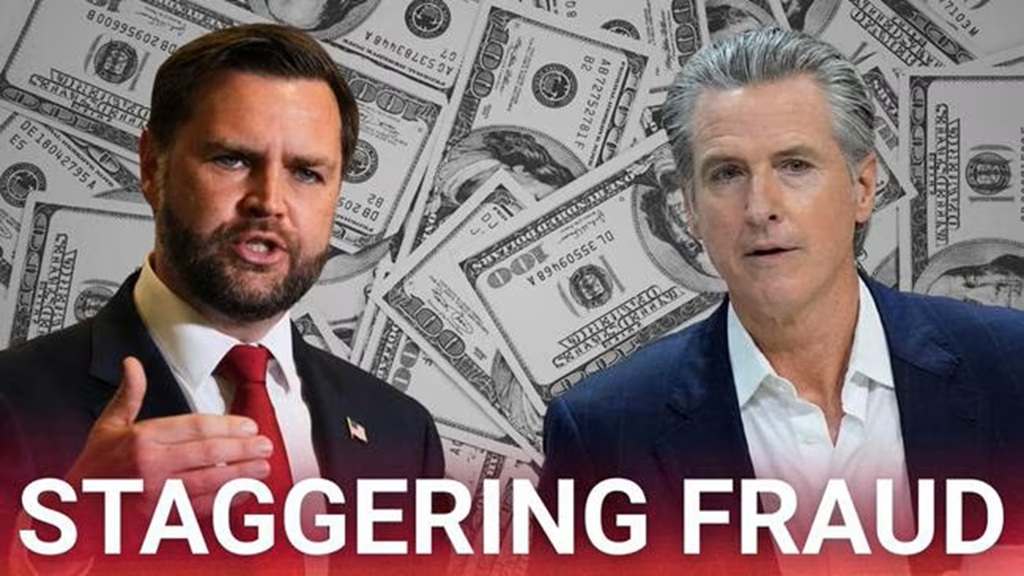
WASHINGTON, D.C. — In a sweeping move to protect American taxpayers and vulnerable patients, the federal government is launching an aggressive crackdown on healthcare fraud. During a recent press conference, Vice President Vance and top health officials outlined a series of bold measures to stop scammers from draining the Medicare and Medicaid systems.
This nationwide initiative aims to tackle what officials estimate to be roughly $100 billion in fraudulent healthcare claims each year. By freezing federal funds, shutting down fake medical providers, and forcing state governments to take immediate action, the administration hopes to restore trust in programs that millions of Americans rely on every single day.
Vice President Vance kicked off the announcement by clearly identifying who gets hurt when healthcare fraud goes unchecked. He explained that these crimes always leave behind two distinct victims.
First, the American taxpayer takes a massive hit. Hardworking citizens pay into these systems to help their neighbors, only to see their money funneled into the pockets of organized criminals.
Second, the very people who actually need these medical programs suffer the most. Vance shared the heartbreaking story of a California psychotherapist who spent 40 years helping patients. When she eventually needed medical care herself, she discovered her Medicare benefits had been abruptly turned off. A scammer had stolen her identity, signed her up for medical services she did not need, and drained her account.
Furthermore, some patients are subjected to unnecessary and sometimes dangerous medical treatments. Fraudulent doctors frequently prescribe medications and administer drugs solely to bill the government, putting the health and safety of innocent people at serious risk.
Vance Holding States Accountable
A major focus of the press conference was the failure of certain state governments to police their own healthcare networks. Medicaid is largely funded by the federal government but is administered locally by individual states. The federal government generously gives states billions of dollars to run Medicaid Fraud Control Units. Unfortunately, officials report that several states simply are not using these tools to do their jobs.
To address this, the administration just sent letters to all 50 state Medicaid programs. The message was clear: states must actively investigate and prosecute healthcare fraud, or they will completely lose their federal anti-fraud funding.
Vance pointed out a few glaring examples of state-level failures:
- Hawaii: Despite receiving billions in federal Medicaid dollars, the state of Hawaii has reported zero indictments and zero convictions for Medicaid fraud in recent years.
- New York: The state manages a massive $100 billion Medicaid program but secured only nine fraud indictments over the last year.
- Indiana: In stark contrast, Indiana has about a third of New York’s population but processed more than four times as many fraud indictments during the same period.
Officials emphasized that this is not a partisan issue. Both Republican-led states like Ohio and Democrat-led states like Maryland are actively working with the federal government to root out scammers. However, states that refuse to step up and enforce the rules will face severe financial consequences.
California in the Crosshairs
California took the brunt of the criticism during the recent announcement. Because the state has historically failed to address runaway fraudulent billing, the federal government is taking unprecedented financial action.
Specifically, the administration is deferring a staggering $1.3 billion in Medicaid reimbursements from California. According to Dr. Oz, who spoke alongside Vance, state billing records triggered massive red flags that the state government largely ignored.
In addition to the $1.3 billion deferral, officials identified other deeply concerning trends in California:
- Personal Care Services: The cost of in-home care services in California is currently growing at twice the national average. The federal government is deferring another $500 million until the state can explain this alarming and suspicious spike.
- Questionable Expenditures: Another $200 million is being withheld due to unverified immigration-related healthcare costs.
- Los Angeles Hospice Scams: Shockingly, one-third of all hospices in the entire United States are located in the Los Angeles area. After investigating, federal officials determined that at least half of these facilities were entirely fraudulent shell companies.
Consequently, the government immediately suspended payments to 800 hospices in the Los Angeles area. Last year alone, these fake businesses billed American taxpayers for $1.4 billion. Proving just how illegitimate these operations were, only about 20 out of the 800 suspended hospices even bothered to call the government to complain about the lost funding.
A Nationwide Moratorium on New Licenses
Because scammers often move their operations across state lines when they get caught, the federal government is taking a highly proactive approach. When officials began shutting down fake hospices in California, they noticed a sudden seven-fold increase in new hospices rapidly popping up in neighboring Nevada.
To stop this frustrating game of whack-a-mole, Dr. Oz announced a nationwide moratorium on all new hospice and home healthcare licenses.
Importantly, this freeze does not take away care from anyone currently receiving it. If a family needs hospice or home health services today, they can still use existing, legitimate providers. However, the government will not grant any new business licenses until it can implement much stronger safeguards against criminal enterprises.
The New “War Room” Stopping Fraud in Real Time
In the past, the government usually tried to chase down stolen money after it had already been paid out. This “pay and chase” method rarely worked. Now, thanks to modern technology and better agency teamwork, the government is actively stopping payments before they ever go out the door.
Deputy Administrator Kim Brandt introduced the creation of a “Medicare Fraud Room” and a newly launched “Medicaid Work Room.” These are virtual spaces where government data analysts, forensic auditors, and law enforcement officers work together in real-time.
By actively monitoring billing claims as they come in, this specialized team can spot weird patterns instantly. For example, if an 89-year-old woman is suddenly billed for a massive amount of unneeded skin substitutes, the computer system flags it, and humans step in to block the payment. Over the past year, this real-time monitoring has stopped over $2 billion from falling into the hands of criminals.
Protecting the Future of Healthcare
Ultimately, this massive federal crackdown is about saving the American healthcare system for future generations. As Dr. Oz pointed out to reporters, eliminating the estimated $100 billion in annual waste and fraud would easily double the life expectancy of the Medicare trust fund.
By forming an anti-fraud task force that combines the power of the FBI, the Department of Justice, the Treasury, and federal health agencies, the government is finally fighting back. The message to criminals is clear: the days of easy money are officially over. And for the American taxpayer, this means your hard-earned money will finally go exactly where it belongs—to the families, seniors, and children who truly need it most.
Trending News:
Vice President JD Vance Accuses Ilhan Omar of Immigration Fraud
Vice President JD Vance to Head Anti-Fraud Task Force Targeting California Welfare Abuses


H1-B Visa Crackdown Rocks Big Tech and India

Millions of Shoppers Boycott Real Canadian Superstore

Legacy Media Protects Carney After Canada Lost 68,000 Jobs

Mark Carney’s Million Dollar Wind Up and Nickel Delivery

Mark Carney Faces Ethics Backlash Over Heat Pumps

Quebec Election 2026: Will the Province Leave Canada?

Why Alberta Separatist Leaders Say It’s Time to Leave Canada

South America’s Political Shift: A Good Lessons For Canada
Is Modern Political Empathy Actually Just Hidden Narcissism?

US Trade Moves Put Massive Pressure on Canada
Is Modern Political Empathy Actually Just Hidden Narcissism?

How Progressivism Replaced Religion With A New Secular Faith
Pierre Poilievre Critiques Reporter Who Questions His Leadership
US Trade Moves Put Massive Pressure on Canada

Uncovering the Truth Behind Inequality: A Bold New Vision

How Canada’s Combating Hate Act Stifles Free Speech

Canada Sheds 68,000 Jobs As Economic Fears Deepen
Behind Carney’s $1-Trillion Canada Investment Scheme
Poilievre Blasts Carney’s Plan To Sell Off Airports

Food Insecurity and Surging Prices: Canada’s Inflation Squeeze

Jimmy Kimmel Slammed for “Vile” Melania Trump “Expectant Widow” Joke

President Trump Addresses Nation on War with Iran

Trump Warns NATO Allies: America Won’t Protect Slackers After Iran Clash

Senate Hearing on Fraud and Foreign Influence Turns Tense Over Minnesota Scandals

CNN Forced to Backtrack Its Reporting on Trump’s Iran Talks

Joe Rogan Slams Gavin Newsom for Mocking Nick Shirley

Mosque Set Ablaze in Iran a Citizens Revolt Against the Islamic Regime

AOC Accuses Jessie Watters of Fox News of Sexualizing and Harassing Her

JD Vance Exposes Walz’s Fraud and CNN’s Lies in White House Presser

Milestone Card Credit: How the Milestone MasterCard Can Transform Credit


-

 News9 months ago
China-Based Billionaire Singham Allegedly Funding America’s Radical Left
-
Crime10 months ago
YouTuber Nick Shirley Exposes BILLIONS of Somali Fraud, Video Goes VIRAL
-
Politics10 months ago
Ilhan Omar Faces Renewed Firestorm Over Resurfaced Video
-
Politics9 months ago
2026 Midterms Guide: Candidates, Key Issues, and Battleground States
-
Politics8 months ago
CNN Delivers Stark Reality Check to Democrats Over Voter ID
-
Politics8 months ago
Ilhan Omar’s Connections to Convicted Somali Fraudsters Surface
-
Politics7 months ago
Rep. Ilhan Omar Faces Heat as Minnesota Voters Seek Change
-
Politics8 months ago
Trump Approval Rating (February 2026 Poll Results, Approve vs Disapprove)