



WASHINGTON, D.C. – The Republican-led House passed the SAVE America Act late Wednesday after a tense debate, moving forward a broad election reform package backed by President Donald Trump. The bill cleared the chamber 218-213, with votes falling mostly along party lines. It now goes to the Senate, where Democrats are expected to oppose it, and some Republicans are uneasy about pushing past the filibuster.
The measure is billed as an updated, expanded version of earlier proposals such as the Safeguard American Voter Eligibility (SAVE) Act. It would reshape federal election rules nationwide.
Among the biggest changes, the bill would require documentary proof of U.S. citizenship, such as a passport or birth certificate, when people register to vote or update their registration. It also adds tougher photo ID rules for voting, narrows mail-in voting in several ways, and gives the Department of Homeland Security authority to review state voter rolls for possible noncitizen registrations.
Republicans claim a win after heavy pressure
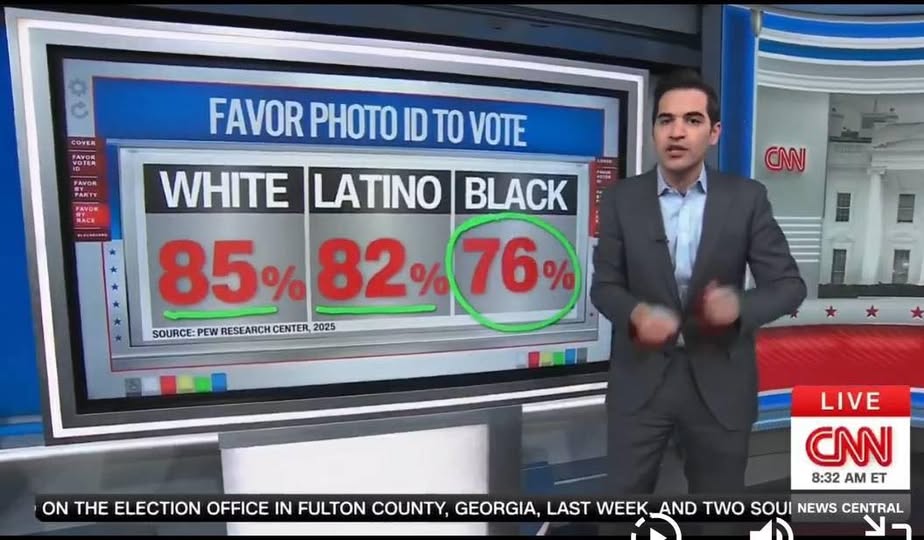
House Republicans celebrated the vote as a major step toward what they call election integrity. Rep. Chip Roy (R-TX), the lead sponsor who coordinated with Sen. Mike Lee (R-UT) on a Senate companion bill, called it a needed move to restore trust in elections. After the vote, Roy pointed to polling he says shows broad support for voter ID requirements, saying it’s a simple and reasonable standard.
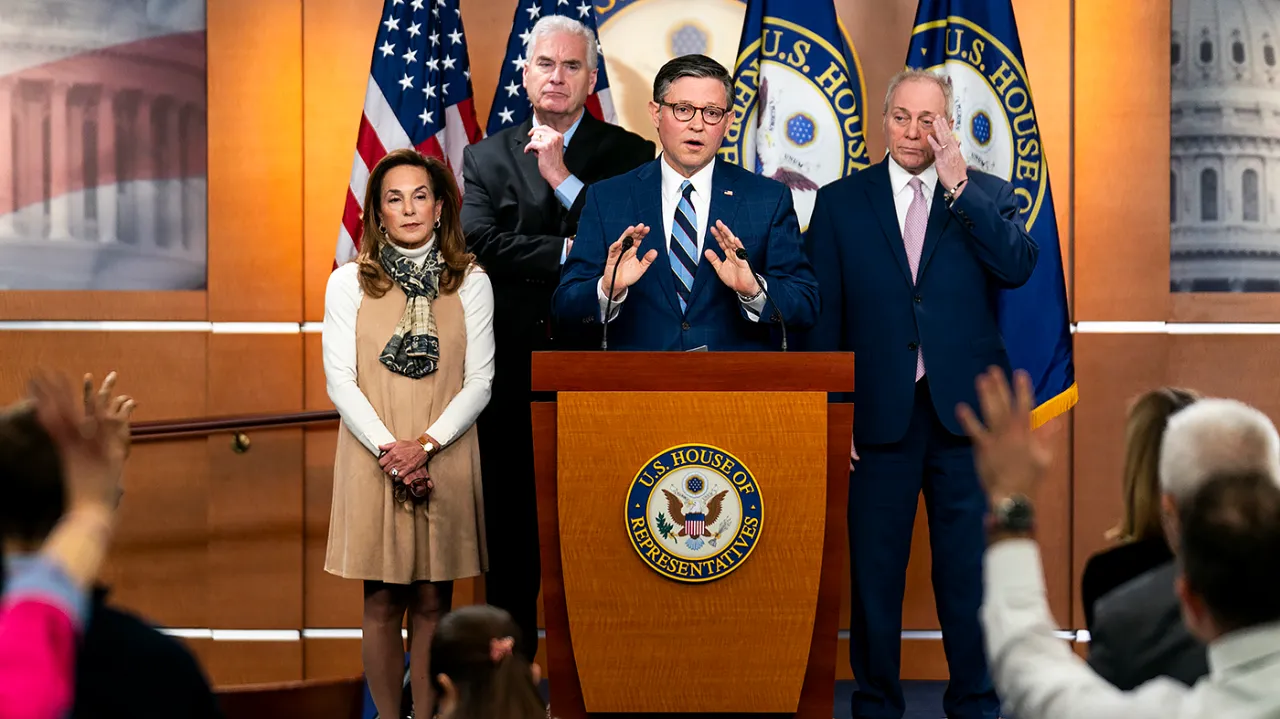
Speaker Mike Johnson appeared with Majority Leader Steve Scalise, Whip Tom Emmer, and other GOP leaders after the vote and framed the bill as a safeguard for the right to vote. Scalise argued on the House floor that requiring proof of citizenship at registration helps block ineligible participation, and said the rule is a commonsense check, not an added hurdle.
Momentum grew as Trump urged Congress to act and repeated claims about noncitizen voting and weak points in the system. Reports also said high-profile supporters, including tech entrepreneur Elon Musk and conservative activists, pressed lawmakers to move the bill. Republicans ultimately stayed united in the House.
Rep. Henry Cuellar of Texas was the only Democrat to vote yes, highlighting just how wide the gap remains between the parties on election policy.
Opponents say it could block eligible voters and create new burdens
Democrats and voting rights groups blasted the bill as one of the strictest election packages in decades. They say the proof-of-citizenship rule could shut out eligible voters who don’t have the required documents on hand. Estimates often cited by critics suggest as many as 21 million Americans may not easily access a passport or birth certificate.
They also point to added problems for many of the estimated 69 million women who changed their names after marriage, which can create document mismatches and extra paperwork. Critics say the bill doesn’t always treat supporting documents, like marriage certificates, as enough to clear those issues.
Civil liberties groups, including the American Civil Liberties Union (ACLU) and the Brennan Center for Justice, described the proposal as a serious threat to voting access. The ACLU warned it would hit low-income voters, voters of color, naturalized citizens, rural residents, older adults, young voters, and transgender people harder, citing costs, paperwork issues, and slow government processes.
Opponents also raised alarms about sections that would encourage aggressive voter roll cleanups and allow broader sharing of voter data with federal agencies. They say that creates privacy risks and raises the chance of eligible voters being removed by mistake. Voting rights groups also argue that noncitizen voting is rare, pointing to state reviews, including audits in Utah, that found little to no evidence after extensive checks.
The bill goes beyond earlier versions by pulling in pieces from related proposals like the Make Elections Great Again Act. Those additions include tighter rules for absentee ballots, such as requiring ballots to arrive by Election Day instead of allowing some to count if they are postmarked on time. That change would reduce flexibility in states that currently accept late-arriving mail ballots.
SAVE America Act faces tough road in the Senate
Even with House approval, the SAVE America Act faces steep odds in the Senate. Democrats have enough votes to keep a filibuster in place and have promised to block the measure, calling it an answer to fraud claims they view as unproven. Some Republicans have also signaled concerns in private about changing election rules this broadly without wider agreement or about bypassing long-standing Senate procedure.
Trump is pressing for quick action, but Republican senators have acknowledged they don’t currently have the votes needed to end debate and move the bill forward without Democratic support. Conservative groups have floated possible workarounds, but there’s no clear plan that guarantees passage.
The fight reflects the larger national split over election security and voter access that has sharpened since 2020. Supporters say the bill would boost public confidence, while opponents call it a solution looking for a problem that could reduce turnout.
Now the spotlight shifts to the upper chamber, where party unity and outside pressure will be tested against Senate rules and a deeply divided debate over voting rights.