

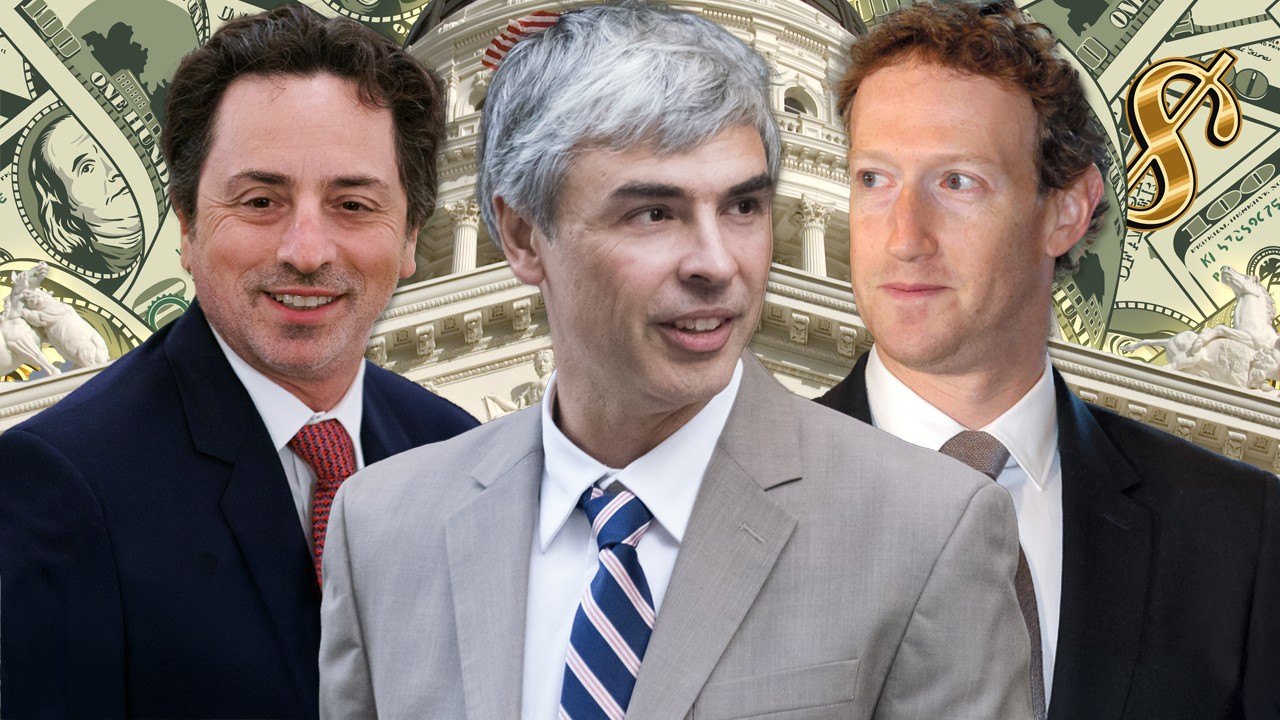


LOS ANGELES – A high-profile real estate deal is adding fuel to the talk of money leaving California. Meta CEO Mark Zuckerberg has reportedly bought a waterfront estate on Miami’s Indian Creek Island, the guarded enclave often called the “Billionaire Bunker,” for an estimated $150 million to $200 million.
Sources familiar with the deal, widely reported in February 2026, say the purchase puts him near neighbors like Jeff Bezos and Ivanka Trump. People close to the situation also suggest it’s more than a second home, with Zuckerberg and his wife, Priscilla Chan, planning to settle in by April. For many observers, it looks like another major tech name is choosing to leave California as new tax proposals stir concern.
Zuckerberg’s reported move fits into a bigger story, a capital exodus tied to California’s high tax burden and a new ballot push that critics say could speed up departures. The proposal is called the 2026 California Billionaire Tax Act. It would place a one-time 5% tax on the net worth of residents over $1 billion, paid over five years (about 1% per year).
Supporters, including groups such as the Service Employees International Union-United Healthcare Workers West, say it could raise tens of billions for health care as federal support shrinks. Opponents, including Gov. Gavin Newsom, warn it could damage a tax system that already depends heavily on a small group of top earners.
California Facing Ongoing Outmigration
California already has one of the toughest tax setups in the country. The top state income tax rate is 13.3%, the highest in the U.S. In many cases, the state doesn’t separate regular income and capital gains. When federal taxes are added, the bill can be steep. The state also relies heavily on the top 1% of earners, who pay roughly half of all personal income tax revenue.
With the proposed wealth tax set to apply to people who are residents as of January 1, 2026, some wealthy residents appear to be moving early. Entrepreneurs like Chamath Palihapitiya and David Friedberg have cited estimates that $1 trillion to $2.5 trillion in assets left the state in late 2025 and early 2026. Private polling has also suggested that 80% to 90% of those affected have already moved or plan to if the measure moves forward.
This isn’t only about billionaires. California has faced ongoing outmigration tied to taxes, regulations, homelessness, and the high cost of living. U.S. Census data shows net domestic losses of more than one million residents from 2020 to 2024.
Higher earners, especially those making over $200,000, tend to be the most likely to leave. Many head to states with no state income tax, including Florida, Texas, and Nevada. The effects can stack up fast: less income tax revenue, weaker sales and property tax collections, fewer big donations, and risks to jobs linked to businesses and investors that relocate.
California Lawmakers Target the Wealthy
California’s budget problems sit in the middle of this debate. The state moved from a record $97.5 billion surplus in 2022 to recurring deficits. Current projections point to an $18 billion gap that could reach $35 billion by 2028.
A major issue is how dependent the state is on income and capital gains taxes from top earners, which rise and fall with markets and can shrink when people move. Critics blame years of Democratic-led spending, pointing to expanded programs, health care growth, and environmental rules they say raised long-term costs without steady revenue to match.
Many Democratic lawmakers and progressive groups have responded to the budget strain by pushing for higher taxes on the rich. If the billionaire tax qualifies for the November 2026 ballot, it would need nearly 875,000 signatures. Backers say it would apply to about 200 ultra-wealthy residents with a combined net worth above $2 trillion.
Supporters frame it as a fairness issue, arguing billionaires can face lower effective rates because much of their wealth is tied to unrealized gains. The push has sparked strong pushback, with economists warning it could trigger even more departures. Recent examples often mentioned include Google co-founder Larry Page (reported to have bought Miami property), PayPal’s Peter Thiel, and other major names who have set up residency outside California.
Even if the wealth tax never passes, the threat of it can change behavior. Florida, with no state income tax, offers a clear financial draw. For celebrities and executives, it also offers privacy and security. Indian Creek, with gates, its own police, and marine patrols, is part of the appeal for people who want distance from public attention.
Wave of Billionaire Relocations
The bigger concern for California is what happens if this pattern continues. When investors and founders leave, Silicon Valley’s funding networks and job creation can weaken over time. People who want tighter budgets argue that constant tax hikes on the rich backfire, pushing out the very people the state relies on, then shifting pressure onto everyone else through higher costs and fewer services.
Supporters of progressive tax policy say top earners benefit greatly from California’s system and should pay more, and they often argue that claims of mass migration are overstated based on past research showing limited millionaire movement.
Still, the trend line is hard to ignore. From Oracle’s headquarters move years ago to the latest wave of billionaire relocations, California is competing with states that make it easier to keep more of your income. In a country where people and money can move quickly, that competition matters.
If Zuckerberg is settling into Florida life, the signal is clear. With high taxes and growing debt fears, even leaders tied to California’s tech boom are choosing to leave. California now faces a tough choice: adjust its approach, or keep losing the wealth that has long helped fund the state.