



WASHINGTON, DC – Once the champion of the American worker, Democrats now look like a fortress for the wealthy and the well-connected. The party that built its brand on lunch‑pail voters has turned its back on them, trading grit for glam.
After the 2024 shakeup, with President Donald J. Trump returning to the White House on a surge of working‑class anger, fresh polling shows a brutal slide. CNN surveys track a steady flight of voters that threatens to sideline the party for years.
While blue strongholds struggle with crime and drug crises, Democratic leaders seem more focused on partisan theatre and permissive border policies than public safety and prosperity. This is not a minor course correction; it is a clear break with the heartland that handed the GOP a growing, multiracial working‑class coalition.
The data is stark. A March 2025 CNN poll by SSRS put Democratic favorability at 29 percent, the lowest in the network’s tracking since 1992. That marks a 20‑point drop from January 2021, when Joe Biden took office amid the Jan. 6 fallout. Among Democrats, frustration is intense, with 57 percent wanting party leaders to block the Republican agenda at any cost rather than reach any compromise.
By July 2025, CNN found favorability slipping to 28 percent, and base enthusiasm thinning out. NBC News reported Democratic approval at 27 percent in the same window, the lowest since 1990, driven by voters who now view the party as out of touch and fixated on culture wars.
Together, these polls show a major shift. The working class, once core to the Democratic coalition, is moving to the GOP. Exit polls from 2024 show Trump winning 56 percent of non‑college voters, a group that makes up about 60 percent of the electorate, up from 50 percent in 2020. Support among white working‑class voters reached 66 percent, but the bigger story is the spread.
Trump won 45 percent of Latino working‑class voters and 20 percent of Black workers, breaking a long pattern of Democratic strength. Ruy Teixeira, a veteran Democratic analyst, wrote at Brookings that this stems from the party’s failure to offer an economic message that blue‑collar voters trust.
By July 2025, a Unite the Country super PAC survey found white men, Hispanic men, and working‑class voters calling Democrats woke, weak, and out of touch, with approval under 35 percent across groups.
The Billionaire Pivot: Donors Over Doers
At the root of this shift is a strategic tradeoff. Democrats have swapped the loyalties of factory floors for the donations of Silicon Valley and Wall Street. The party of Franklin D. Roosevelt once called out “economic royalists.” Today, as Newsweek reported in 2023, Democrats look like the party of the rich. Biden’s 2020 campaign raised nearly $200 million from six‑figure donors in tech and finance, far outpacing contributions from everyday workers.
The transformation is visible in the map. A 2025 New York Times op‑ed by reporter Aidan Mullins noted that Democratic districts went from among the poorest in 2009 to the richest by 2023, as well‑heeled suburbs turned blue.
Kamala Harris’s 2024 run highlighted the trend, with endorsements from crypto executives and Hollywood figures while signalling an open door to an industry Biden had targeted. LinkedIn co‑founder Reid Hoffman, a major donor, even mused after the election about hedging his bets against a Harris loss.
This deference to donors has drained the party’s core identity. A former fundraiser told Newsweek that candidates spend most of their time talking to the rich, chasing niche issues like open‑ended Ukraine aid, now at $175 billion and climbing, while working‑class communities absorb the blows of decades of trade policy.
The policy tilt is clear. Biden’s Build Back Better plan included a costly tax provision that helped high earners. Senate Majority Leader Chuck Schumer’s 2016 strategy, lose one blue‑collar Democrat in Pennsylvania, win two suburban Republicans, proved accurate but damaging.
By 2024, non‑college white voters backed Trump 56 to 42, and Democrats now win majorities only among college‑educated white voters, a slice that is about 15 percent of the electorate.
Writers like Thomas Frank warned years ago that chasing professional‑class voters, tech workers, and consultants would alienate the industrial core. The party pressed on. Harris campaigned with Dallas Mavericks owner Mark Cuban, who pushed to remove antitrust chief Lina Khan.
No surprise that a 2025 Axios analysis by Democratic pollster David Shor reported fading margins among nonwhite voters, with young men of all backgrounds moving right by double digits.
Blue‑Collar Revolt: The Working Class Goes Red
The party’s snub of working people fueled a populist backlash. Trump won a large share of voters earning under $50,000 in 2024, a group Barack Obama carried by 28 points in 2008, but Harris lost outright.
NPR’s review quoted Penn Statelabour professor Paul Clark, who said the long decline in working‑class support reached a breaking point, with non‑college voters backing Trump by a two‑to‑one margin. Union households, once a reliable firewall, dropped from 60 percent for Biden in 2020 to a slim Harris edge in 2024, according to NBC’s exit polls.
This shift crosses racial lines. Brookings estimates show Trump’s share of Latino working‑class voters up from 25 percent in 2020 to 33 percent in 2024, and Black working‑class support up to 13 percent. In Philadelphia’s working‑class wards, Trump gained about 10 points and helped flip Bucks County. A Deseret News/HarrisX survey found 40 percent of working‑class voters aligning with Republicans, compared with 36 percent with Democrats, a reversal from the Obama years.
The reasons are not hard to see. Many voters recoil at the party’s culture agenda, from DEI mandates to new language rules and debates on gender identity. Manuel Pastor at USC’s Equity Research Institute noted that Trump’s supposed existential threat to minority communities failed to hold in 2024. Voters wanted jobs and lower costs. NBC reported on Democrats’ efforts to rebuild ties with workers, but insiders said the shift came late, after years of ignoring warning signs.
In swing states, the damage is severe. Pennsylvania’s Democratic registration edge narrowed from 517,000 in 2020 to 53,000 by mid‑2025. About 314,000 registered Democrats switched to the GOP, compared to 161,000 in the other direction. Nevada lost its blue lean. A New York Times review of L2 data across 30 states found 160,000 fewer Democrats and 200,000 more Republicans since Election Day 2024. There is no visible backlash to Trump.
Blue Cities in Crisis: Crime, Drugs, and a Shrug
The failure is most visible in blue‑run cities, once vibrant, now scarred by fentanyl, theft, and disorder. San Francisco became a symbol of street chaos during Mayor London Breed’s tenure. Overdose deaths spiked roughly 40 percent during the pandemic. In Philadelphia, the Kensington area became ground zero for the opioid disaster, with more than 1,000 overdose deaths in 2024. Progressive prosecutors like Larry Krasner pulled back on retail theft and drug cases, and corner stores paid the price.
National data tracks a mixed picture. Overall, all violent crime fell in 2024, according to FBI figures, but many large cities did not share in the gains. The Council on Criminal Justice reported in mid‑2025 that droffencesses held steady or increased in 21 major metros. Larceny was down only 6 percent from pandemic highs, and shoplifting rose 10 percent compared to 2019.
Baltimore improved its homicide clearance rate to 68 percent in 2024, up from a low point near the Freddie Gray era, yet the city still struggles with entrenched violence. Detroit battles deadly drug markets, and Portland’s homeless encampments, aided by drug decriminalization, often turn dangerous.
Voters pushed back. In March 2024, San Francisco passed measures requiring drug screening for certain welfare recipients and easing police pursuit rules, both by wide margins. Washington, D.C.’s council voted to increase pretrial detention that same month. California’s Prop 36, toughening fentanyl penalties, passed in November 2024 despite party leaders’ resistance.
These outcomes did not happen by chance. Policies that cut police ranks and discourage enforcement invited chaos. A Daily Signal report counted a surge in New York City offences under Mayor Eric Adams, up from about 454,000 in 2021 to 580,000 in 2024. In Boston, Beacon Hill saw open drug use after Mayor Michelle Wu expanded harm reduction. “It used to be beautiful, now it is a violent, drug‑infested mess,” one resident said.
Partisan Theatre Over People
While neighbourhoods battled rising violence, many Democrats chose rhetoric over results. In Chicago, homicides rose 10 percent early in 2025, according to local police. Yet leaders like Gavin Newsom kept a busy donor schedule. D.C. Mayor Muriel Bowser attended a dinner maskless hours before ordering citywide mandates. In Congress, Democrats under Chuck Schumer voted with Republicans to avoid a shutdown, infuriating activists who demanded hard‑line obstruction.
The split widened over sanctuary policies. Illinois, Minnesota, and New York officials defended local laws in House hearings, arguing they protect immigrants and public safety. House Oversight Chair James Comer called these policies reckless, saying they shelter criminal noncitizens and endanger residents. The killing of Laken Riley became a flashpoint, with critics blasting public spending on migrants while veterans struggle.
Border Priorities: Immigrants First, Citizens Last
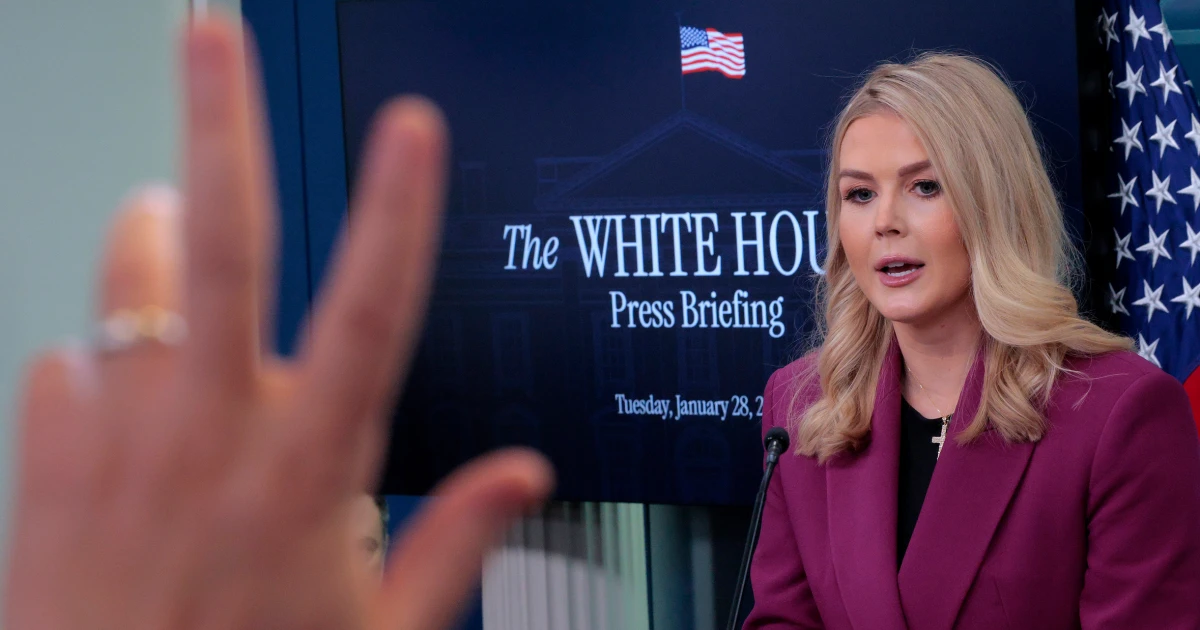
The border fight sealed the break. Biden’s parole programs brought a flood of crossings before the end of Title 42, with reports of 11,000 encounters on a single day. Sanctuary cities reached capacity and began busing migrants elsewhere. White House Press Secretary Karoline Leavitt called it mind‑boggling, saying Democrats defend criminal gang members over law‑abiding citizens.
Policy choices sent a clear message. Ways and Means Chair Jason Smith said Democrats pushed to restore funding that would have extended Obamacare‑style benefits to noncitizens at a cost near $200 billion. Sen. Marsha Blackburn accused Democrats of putting migrants ahead of veterans and schoolchildren. Research by the Center for Immigration Studies traced the party’s shift, from seeing high immigration as a problem in the 1990s to backing broad legal status by the end of Biden’s term, with 85 percent supporting a path to citizenship for long‑term unlawful residents.
Pew data highlights the divide. About 91 percent of Republicans prioritize border security. Only 59 percent of Democrats say the same. A majority of moderate Democrats favour cuts to illegal crossings, while just a quarter of liberals do. Trump’s mass deportation plans poll near 60 percent approval. Harris’s pathway pitch fell flat. As one lifelong Democrat told the New York Times, “We are being flooded with immigrants who are prioritized over the needs of citizens.”
A Party Adrift: Can Democrats Find Their Way Back?
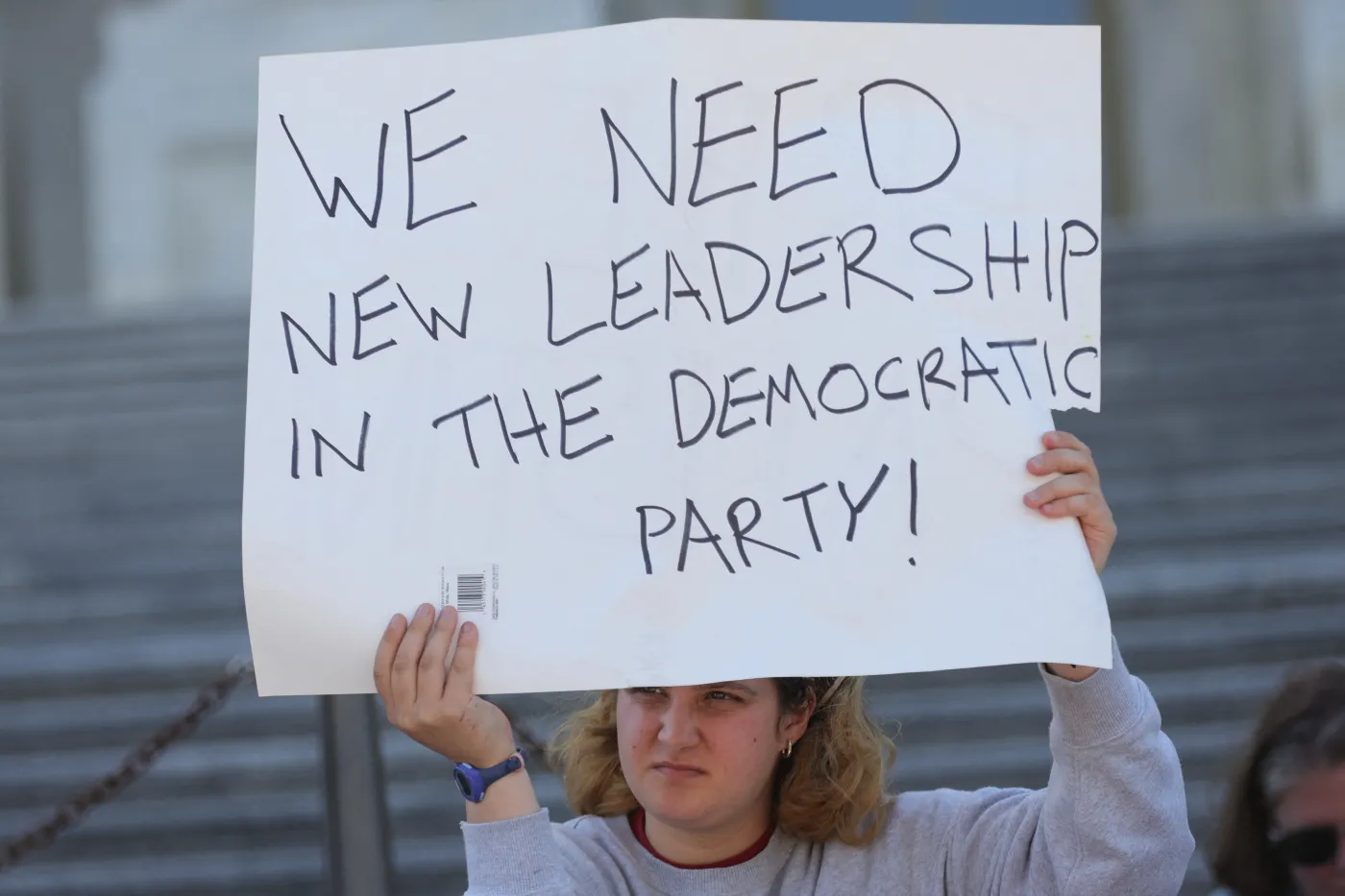
By August 2025, the New York Times counted Democrats down 430,000 registrants outside Pennsylvania and Nevada. Latino voters now choose parties at roughly a 33 percent Democratic clip. A Harvard CAPS/Harris survey found 71 percent of voters want new moderate leaders, while Democratic approval sits at 37 percent, underwater since 2018. The Wall Street Journal reported 63 percent unfavourable views in July, a 35‑year low.
Anat Shenker‑Osorio’s focus groups paint a picture of a party seen as timid and elitist, prey for GOP attack dogs. History offers examples of reinvention, with Democrats rebounding after 1968 and after Watergate. Today’s challenge is tougher. The Senate map leans red, and the Electoral College edge is slipping in once solid blue states.
For now, working‑class voters keep moving right. Trump’s coalition of white ethnics, Latin labourers, and Black tradespeople gives Republicans a strong base. Democrats, tied to big donors and soft border stances, face a crisis of purpose. Without a return to the diner counter and the factory floor, the party that once spoke for everyday people will keep serving the priorities of the powerful.