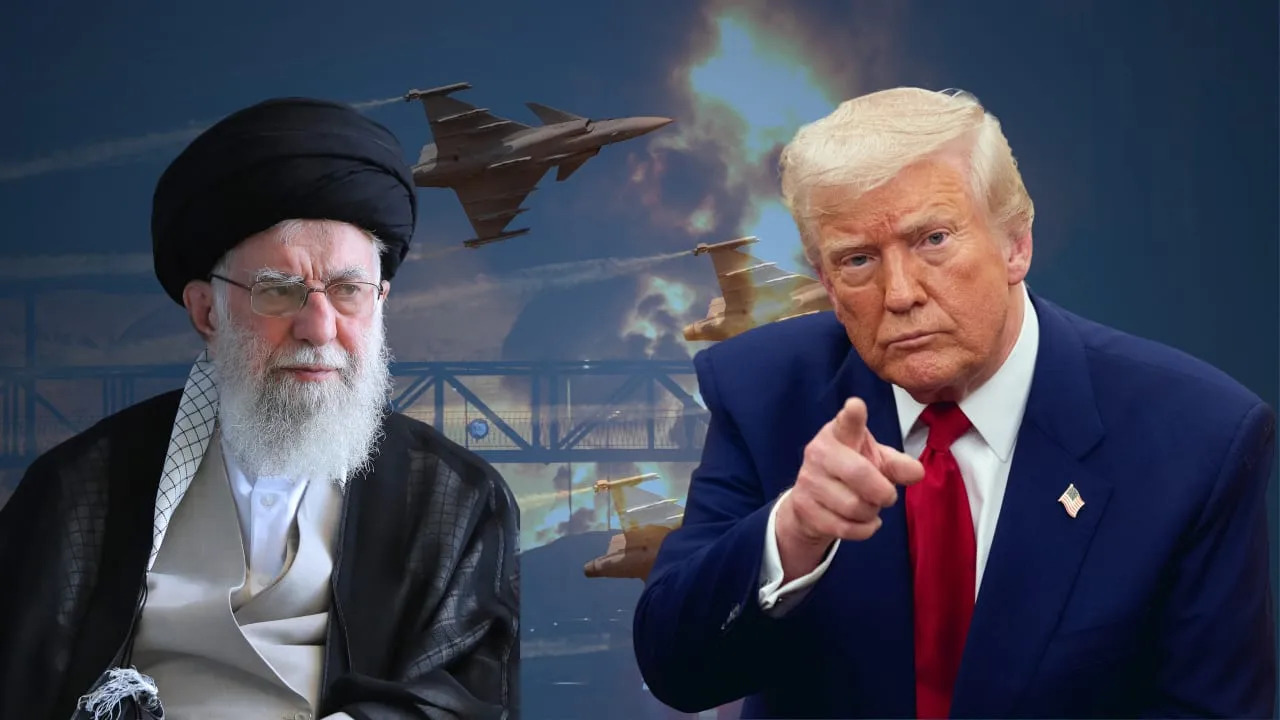


TERRAN – U.S.-Iran diplomacy is moving faster than many expected. Delegations from Washington and Tehran have been meeting in places like Oman and Switzerland, trading proposals on nuclear limits and steps to cool regional tensions.
At the same time, Iran’s leaders are tightening control at home. The Islamic Republic has stepped up threats toward Israel and several Gulf states, while security forces have carried out a sweeping crackdown on protesters.
Reports also claim the government brought in foreign fighters to help crush dissent. Intelligence chatter goes further, describing Supreme Leader Ali Khamenei, now in his mid-80s, staying inside a hardened bunker and approving deadly orders from out of sight.
That split approach, softer talk abroad and force at home, is shaping every part of the story. Diplomacy may be moving, but it sits next to allegations of mass violence that are hard to ignore.
Diplomatic Momentum: A Narrow Opening in the Persian Gulf
The recent thaw didn’t appear out of nowhere. Backchannel messages, reportedly helped by Qatar, picked up last fall and led to a tentative pause in some proxy clashes in Yemen and Iraq. By January 2026, talks shifted to Geneva. U.S. negotiators, led by a veteran State Department official, met Iran’s foreign minister and his team.
The focus is straightforward. The United States wants limits on uranium enrichment above 60 percent purity. Iran wants sanctions relief, especially measures that hit oil exports. People close to the discussions describe guarded optimism. Iranian officials have also hinted they could talk about missile range limits if the United States removes secondary sanctions that also squeeze groups like Hezbollah.
Both sides have reasons to stay at the table. Washington is under pressure from energy-linked inflation at home, and more Iranian oil on the market could help prices. Tehran is short on cash after years of isolation, and the cost of its internal security campaign has been high. One U.S. official put it bluntly in an anonymous remark: the relationship isn’t friendly, it’s practical.
A leaked framework draft described a six-month IAEA monitoring period, with phased U.S. waivers tied to petrochemical sales. Even with gaps and disagreements, the pace has picked up. Weekly sessions are now on the calendar.
Regional reactions are mixed. Saudi Arabia has quietly shown support, reportedly worried that a cornered Iran could strike through proxies. Israel remains openly doubtful, with Prime Minister Netanyahu warning that a deal could mask long-term nuclear risk. Still, the fact that these talks are moving at all has shifted the mood across the Persian Gulf.
Regional Messaging: Threats Abroad, Pressure at Home
While diplomats meet in Europe, Iran’s state media keeps up a steady drumbeat of threats. In a February 1 broadcast, Supreme Leader Khamenei again condemned “Zionist aggressors” and promised resistance to any moves seen as threatening Iranian interests, including in Syria, where Iran-backed forces remain active.
This tougher tone has also lined up with unverified reports of IRGC naval drills in the Strait of Hormuz, including scenarios that look like blockade practice. Any disruption there could hit global oil prices fast.
The messaging plays well with hardliners and helps Tehran project strength. Iran’s foreign ministry has also sharpened claims against the UAE, accusing it of hosting “CIA black sites.” Meanwhile, proxy groups, including the Houthis in Yemen, have continued attacks such as drone strikes on Saudi targets, often framed as part of Tehran’s wider fight.
Analysts say the threat-focused narrative also serves as a distraction from turmoil inside Iran. Dr. Azadeh Moaveni, a Tehran-born scholar at Columbia University, has argued that this kind of language keeps the state’s story alive, with outside enemies blamed while internal abuses get pushed aside.
Iran Crackdown With Heavy Death Toll Claims
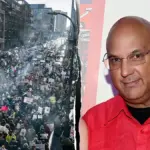
Away from the conference rooms, the situation inside Iran has turned brutal. Protests that began in late 2025 over fuel price hikes and mandatory hijab rules grew after the reported death of a young activist in custody. Since then, Iran’s security forces have responded with mass arrests and lethal force.
The government’s official numbers have remained far lower than those cited by rights groups. State tallies have put deaths at under 500, figures widely disputed by watchdogs.
Independent estimates, including reporting attributed to Amnesty International and Iran Human Rights, describe far higher numbers, including claims of more than 45,000 killed and around 20,000 missing. Some reports allege mass graves in remote areas, including parts of the Zagros Mountains, though details are difficult to verify from outside the country.
Accounts from activists and journalists describe a pattern of harsh tactics. Basij forces and plainclothes units have used tear gas and live fire, and there are allegations of heavier munitions being used in crowded areas. Women and girls have played a leading role in street protests, often tied to “Woman, Life, Freedom” chants, and they have also faced some of the worst reported abuse. Multiple sources have described sexual assault in detention as a weapon of fear.
Hospitals have struggled to cope. Reports describe raids on medical centers and seizures of supplies. Nobel Peace Prize laureate Shirin Ebadi, writing from exile, described the situation as an attempt to crush hope itself.
Economic pressure adds to the crisis. Internet shutdowns have become routine, cutting off families and blocking organizing. Inflation has surged, with some figures putting it near 150 percent. Protesters also face harsh legal charges, including “mohareb” (waging war on God), which can lead to executions, including public hangings.
Foreign Fighters Allegations
Another claim drawing attention is the reported use of foreign personnel in internal security operations. Intelligence reporting attributed to Mossad and MI6, along with satellite imagery cited in press accounts, has been used to support allegations that Iran brought in foreign actors to reinforce its crackdown.
The names most often mentioned include Venezuelan paramilitary figures and Syrian forces aligned with the Assad government. Reports say they entered through routes linked to Iraq and operated alongside the IRGC.
Payment claims have also circulated, including allegations that money moved through cryptocurrency and reached into the millions, based on reporting tied to U.S. Treasury leaks.
If true, the optics are hard to miss. Witnesses say foreign accents have been heard during raids. One widely shared video from Mashhad appeared to show a Spanish-speaking gunman shooting a teenage protester, fueling outrage online. Human Rights Watch’s Middle East director has described this approach as “outsourcing oppression,” and as a sign the state may no longer trust its own forces to carry out the harshest tasks.
These claims have also fed anger inside Iran, with some citizens denouncing what they call outside enforcers as a final insult during a national crisis.
Khamenei’s Reported Isolation
At the center of the story is Supreme Leader Ali Khamenei. Multiple reports describe him as increasingly isolated and in poor health, with claims that he has been staying in an underground complex beneath Lavizan, a heavily secured area of Tehran tied to the military.
Defectors have described the site as a nuclear-hardened bunker built during the 1980s, with command rooms linked to IRGC units. Some accounts call it “Eagle’s Nest.” These details remain difficult to confirm independently, though they continue to circulate in intelligence and opposition circles.
One of the most dramatic claims involves leaked audio, said to be smuggled out by someone with access to the leadership. Western linguists reportedly reviewed it. The recording is described as capturing Khamenei giving orders tied to the crackdown, including harsh language about protesters and religious purity.
Khamenei has not appeared publicly since November, according to these reports. State television has aired pre-recorded speeches, and some critics have accused the government of using heavy editing and visual effects to present him as stronger than he is.
The picture that emerges is of a leadership afraid of its own streets. Succession rumors have also grown louder. Khamenei’s son, Mojtaba, is often mentioned as a possible heir, while other reports suggest internal purges and distrust inside the Revolutionary Guard.
Pressure Builds as Talks Continue
As negotiations move forward, Iran’s internal violence has become the issue that shadows every headline. U.S. and European officials face a hard political test, as any sanctions relief can look like a reward for a government accused of mass killing. Supporters of diplomacy argue that a deal could reduce nuclear risk and curb regional escalation. Critics say it hands Tehran money and time while people die in the streets.
Inside Iran, protesters are still watching the Geneva meetings through spotty connections, satellite phones, and messages passed through trusted networks. Many activists say outside pressure matters, including targeted sanctions and legal action tied to human rights abuses. Without it, they fear the orders coming from Iran’s security leadership will continue with little restraint.
For now, the headlines show two tracks running at once, diplomatic talks on one side, reported bloodshed on the other. The gap between them keeps getting harder to explain away.