



WASHINGTON, D.C. – White House Press Secretary Karoline Leavitt publicly pushed back on former National Counterterrorism Center Director Joe Kent’s resignation letter, saying it included “many false claims” about whether Iran posed an immediate danger to the United States.
Kent, a longtime Trump ally and military veteran, stepped down from his senior intelligence role on March 17, 2026. In his letter, he argued that the U.S. struck Iran based on false grounds and pressure from Israel. Leavitt answered within hours, saying President Donald Trump moved forward because of “strong and compelling evidence” that Iran was preparing to attack.
The dispute has exposed strain inside the Trump administration early in its military campaign against Iran, called Operation Epic Fury. It has also stirred new concerns about internal trust, alleged leaks, and who had access to classified intelligence.
Joe Kent’s resignation letter claims Iran was not an immediate threat
Early Tuesday, Kent posted his resignation letter on X, formerly Twitter. In it, he wrote:
“I cannot in good conscience support the ongoing war in Iran. Iran posed no imminent threat to our nation, and it is clear that we started this war due to pressure from Israel and its powerful American lobby.”
Kent, a former congressional candidate from Washington state and a strong “America First” voice, called on Trump to change direction and consider the human and political cost of the conflict. He argued the strikes did nothing for the American public and put U.S. lives at risk.
The letter spread quickly online and split many conservatives. Some applauded Kent for speaking against another Middle East war. Others, including senior Trump officials, viewed it as a break from a man who had once held the president’s confidence.
Karoline Leavitt says Kent’s claims are false
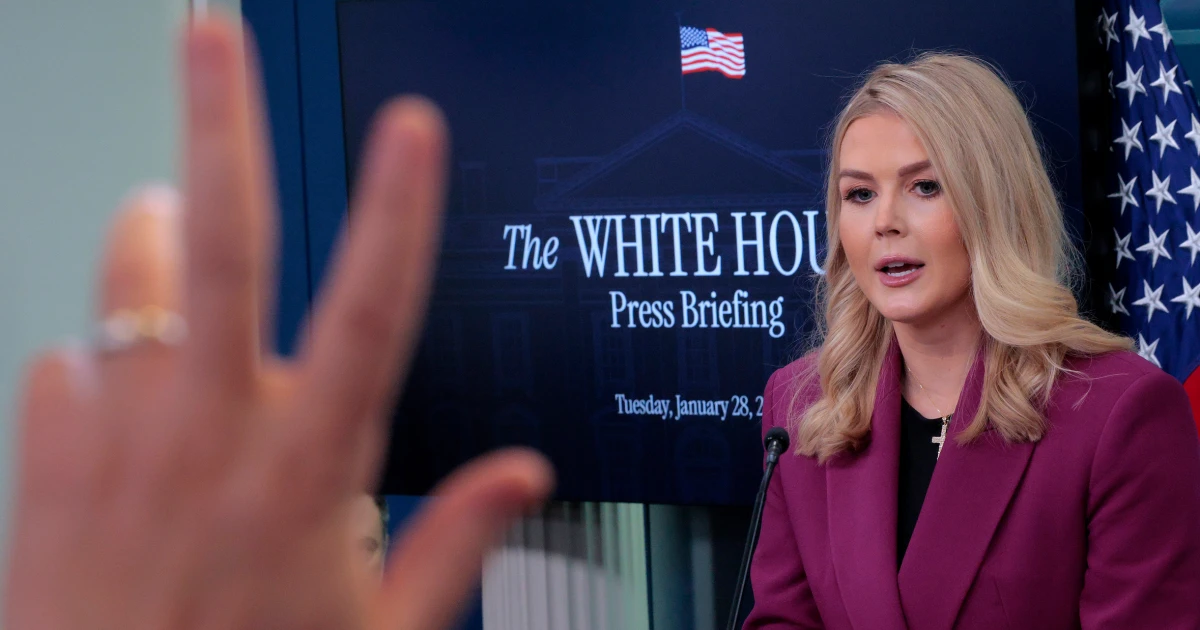
Leavitt responded on X with a pointed statement aimed directly at Kent’s version of events. Her message left little room for doubt.
“There are many false claims in this letter but let me address one specifically: that Iran posed no imminent threat to our nation,” Leavitt wrote. “This is the same false claim that Democrats and some in the liberal media have been repeating over and over.”
She then pointed to Trump’s own position. “As President Trump has clearly and explicitly stated, he had strong and compelling evidence that Iran was going to attack the United States first.”
Leavitt also stressed that the president decides what rises to the level of a national threat. She added that, from what she sees inside the White House, Trump focuses on what he believes serves the country’s best interests.
She also rejected Kent’s claim that Israel drove the decision. Leavitt called that charge “both insulting and laughable” and said Trump’s stance on Iran has been consistent for years, especially on the issue of Iran obtaining a nuclear weapon.
Her response framed the strikes as the result of intelligence from multiple sources, not pressure from another country. She also repeated the administration’s view that Iran remains the leading state sponsor of terrorism and has long threatened Americans at home and abroad.
Insider says Kent had been shut out of key briefings for months
The White House case grew stronger after Fox News correspondent Aishah Hasnie reported details from a senior administration official. Those details offered a clear reason for the gap between Kent’s claims and the administration’s position.
According to the official:
- Joe Kent had a reputation inside the administration as a suspected leaker.
- Because of those concerns, officials cut him off from presidential intelligence briefings months ago.
- He did not take part in Iran planning meetings or related briefings.
That helps explain the disconnect Leavitt pointed to earlier in the day. Kent did not have access to the classified material that, according to the White House, showed Iran had strengthened its capabilities and may have been preparing an attack against the United States.
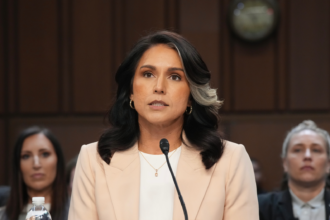
Hasnie later added that, according to background from the Office of the Director of National Intelligence, Director of National Intelligence Tulsi Gabbard was not directly told to remove Kent. Still, the core point remained the same. Kent had been kept away from Iran-related intelligence, which left him working from old or incomplete information.
Officials cited several reasons for sidelining him:
- Suspected leaks tied to sensitive operations
- A months-long removal from top-level presidential briefings
- No role in Iran strike planning sessions
- A major information gap on the evidence Trump reviewed before authorizing action
Taken together, those details support the administration’s claim that Kent resigned over a policy area from which he had already been excluded. In the White House view, that made his letter both inaccurate and poorly informed.
Trump says Kent is out for the right reason.
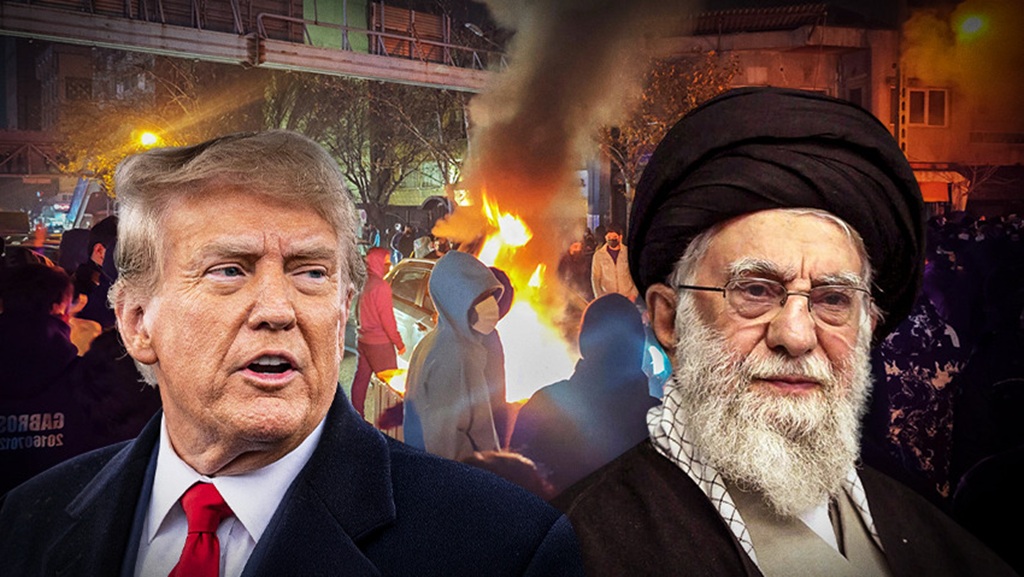
Trump addressed the resignation during remarks from the Oval Office on Tuesday afternoon. He called Kent “very weak on security” and made his position plain.
“It’s a good thing he’s out, because he said that Iran was not a threat. Iran was a threat, every country realized what a threat Iran was.”
His remarks matched Leavitt’s response and showed the administration speaking with one voice on the Iran strikes. Trump also repeated that Iran’s regime is “evil” and said it has targeted America for years.
The fallout points to bigger divisions inside Trump’s coalition
Kent’s exit is the first major resignation inside the Trump administration tied directly to the Iran conflict. As a result, it highlights early splits inside the broader “America First” movement.
Backers of Kent say his letter reflects real concern about repeating old mistakes in the Middle East. On the other hand, his critics say his removal from briefings proves he was out of the loop and no longer a reliable voice on the matter.
The episode also puts a spotlight on larger issues inside the White House, including intelligence security and staff oversight:
- Why were leak concerns allowed to linger for months?
- What part did Tulsi Gabbard play in handling Kent’s status?
- Will more officials break ranks as the Iran campaign continues?
Administration officials say the strikes were needed to stop an Iranian attack before it reached U.S. soil. Leavitt’s statement, along with the briefing details shared later, appears meant to block any claim that Trump acted too quickly or under outside pressure.
As the conflict moves forward, the White House is trying to project unity and control. Leavitt’s fast response sent a blunt message. Internal disagreement may happen, but the administration says the fact, and the classified intelligence behind Trump’s decision comes first.
Kent has not publicly answered the leak claims or Leavitt’s remarks since resigning. The National Counterterrorism Center has not named an acting director.
The full picture of Iran’s nuclear progress and any planned attacks remains classified. Even so, the administration says the evidence was overwhelming and that Trump made the call on his own authority as commander in chief.
The fight over Kent’s resignation shows how much access matters in national security. Real-time intelligence can shape how leaders see a threat, and without it, they may reach very different conclusions.