Trade & Tariffs
Iran Rejects China’s Mediation Offer in Ongoing War with US and Israel

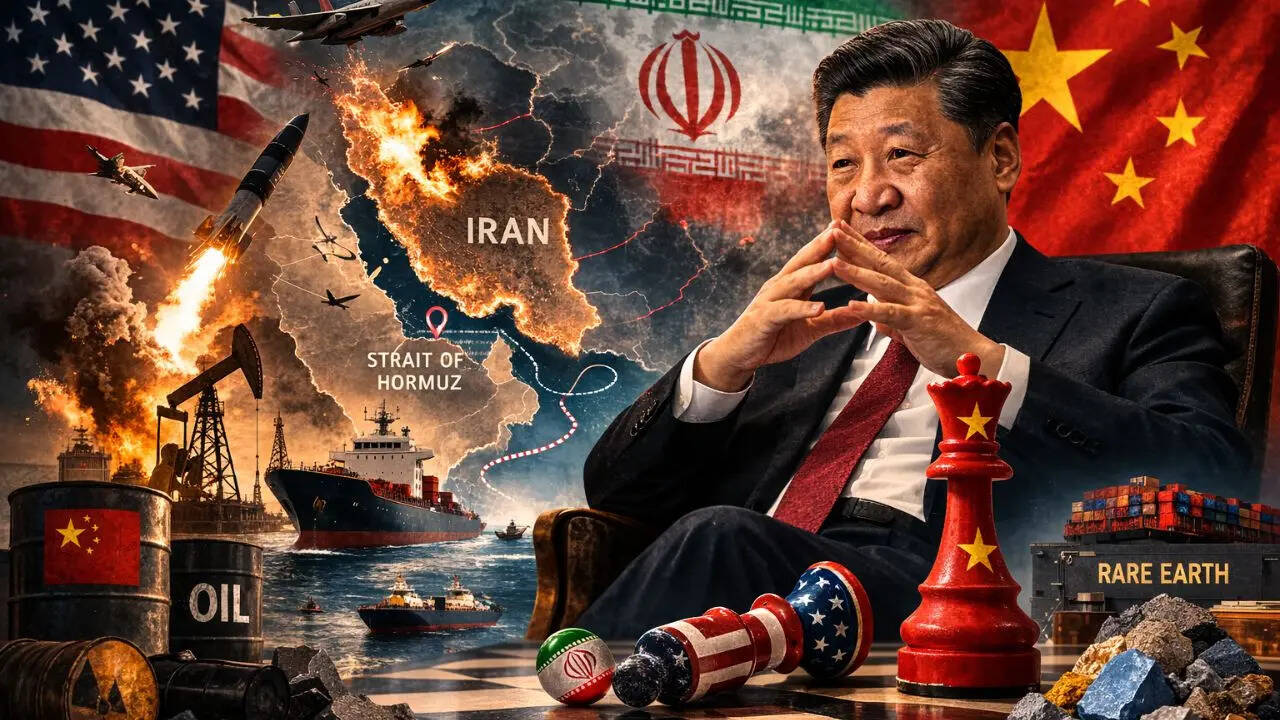
TERRAN – The conflict in the Middle East has taken another unexpected turn. Iran has rejected China’s offer to mediate the growing war involving the United States and Israel. According to insider accounts, the decision is a serious setback for Beijing as it tries to present itself as a global peace broker.
The timing matters. The war is already shaking energy markets and fueling concern about a wider regional crisis. China, which has strong economic ties with Iran, had quietly floated the idea of serving as a neutral go-between. Tehran refused.
Reports from sources familiar with the talks say Iranian officials flatly turned down China’s mediation proposal. They also rejected a separate Chinese request tied to the safe passage of Chinese commercial ships through the Strait of Hormuz.
That waterway carries a large share of the world’s oil exports. So, any threat to shipping there quickly pushes up energy prices. China, as a major oil importer, has a lot at stake.
Sources say Iran is focused on military strategy and direct backing from partners, not fast diplomatic off-ramps. One person familiar with the matter said Tehran wants firm protection against future attacks before it will seriously consider talks.
Why Iran Said No
Iran has taken a harder line as the conflict has grown. Leaders in Tehran appear unconvinced that China can do much to ease pressure from Washington and Israel.
Several points seem to be driving Iran’s position:
- Tehran wants binding security guarantees to stop future strikes.
- Iran still refuses to curb its ballistic missile program, which remains a long-standing red line.
- Iranian leaders appear more focused on building domestic support and strengthening regional alliances than on securing a quick ceasefire.
The refusal also marks a clear change in tone. Only weeks ago, Iranian Foreign Minister Abbas Araghchi had said publicly that countries such as China could play a role in mediation. Now, Iran’s actions tell a different story.
The message is hard to miss. When a major economic partner offers help and gets turned away, it shows Iran intends to keep fighting on its own terms.
What It Means for China’s Bigger Goals
For years, China has tried to build an image of itself as a steady and responsible world power. Its role in the 2023 Saudi-Iran normalization deal helped that effort and gave Beijing a diplomatic win in the region.
This time, however, the result cuts the other way. Iran’s rejection exposes the limits of China’s influence in the Middle East, even with a country with which it works closely.
Beijing’s approach depends far more on trade and investment than on military force. It wants to protect energy flows, expand the Belt and Road Initiative, and show it can help settle conflicts where the US has struggled.
Insiders say this episode weakens that case. If Iran won’t accept Chinese mediation or even cooperate on shipping safety, Beijing’s real influence comes into question.
At the same time, a long conflict creates problems for China at home. Higher oil prices raise costs for businesses and consumers. Trade disruptions add more strain. Still, if Beijing steps in too forcefully, it could upset Gulf partners or create fresh tension with Washington.
In practical terms, several risks stand out:
- China’s energy security faces more pressure because it depends heavily on oil from the region.
- Beijing’s diplomatic standing takes a hit when a peace effort fails so publicly.
- Chinese leaders now have to balance support for Iran with the need to avoid direct conflict with the US.
As one analyst put it, China’s Middle East policy depends on influence without troops on the ground. This war is a reminder that hard power still shapes events.
Background on the War
The current conflict grew out of rising attacks between Iran and the US-Israel alliance. In recent months, the region has seen direct strikes, proxy activity, and repeated threats against major shipping routes.
China responded by sending Special Envoy Zhai Jun across the region. He met with officials in Saudi Arabia, the UAE, and other Gulf states as part of a push for de-escalation. Chinese leaders also kept calling for talks and a ceasefire.
Foreign Minister Wang Yi said that “the one who tied the bell must untie it,” urging the main parties to step back. Still, little progress has followed.
Iran, for its part, has rejected some US-backed truce ideas while keeping lines open with several mediators. Its decision to reject China’s direct offer adds another complication to an already messy diplomatic picture.
What Insider Sources Are Reporting
People briefed on the talks describe growing frustration inside Beijing. One source said Iranian leaders are simply not ready to compromise at this stage of the war.
Another said Iran refused not only the mediation plan, but also China’s request related to safe shipping in the Strait of Hormuz. That part matters because it directly affects Chinese commercial interests.
These reports match wider signs that Tehran has hardened its stance. Iran appears willing to absorb short-term pressure if it believes that helps it gain more room later.
Wider Effects Across the Region and Beyond
The episode also raises a larger issue, which is who still has enough influence to shape the course of this conflict.
For the US and Israel, Iran’s refusal may reinforce the belief that Tehran prefers confrontation to compromise. For Gulf states, the moment is also telling. Many of them value trade with China, but they still depend on US security support.
Global markets are watching closely as well. Continued uncertainty in the Strait of Hormuz keeps oil prices unstable, and that affects fuel costs, shipping, and factory prices around the world.
China’s steady, trade-first approach is now under pressure. Its success in helping restore Saudi-Iran ties raised hopes that it could do more in the region. Active war, however, is a much harder test.
Some observers say the setback does not end China’s role. Beijing could still stay involved quietly, offer help with future rebuilding, or preserve ties with all sides while waiting for better conditions. Others see the moment as proof that China’s close partnerships still have clear limits.
In any case, the episode shows how difficult Middle East diplomacy remains. Even powerful states can reach a point where their influence stops.
What Comes Next
China says it will keep pushing for peace while the fighting continues. Special Envoy Zhai Jun and other officials are still active behind the scenes.
Iran, meanwhile, continues to say it is open to mediation in broad terms, but its actions show very little room for compromise. The US and Israel are pressing ahead with military operations while also watching for any diplomatic opening.
The next few weeks may show whether Iran’s decision leads to deeper isolation or pushes all sides back toward talks under different terms. For now, China’s mediation effort has clearly run into a wall.
Beijing’s wider ambitions also face a real test. Economic ties and diplomatic outreach can only go so far in a live conflict. In this case, China’s reach appears smaller than its global image suggests.
This article is based on multiple verified reports and insider accounts available as of March 31, 2026. Every effort has been made to present the issue fairly and accurately.
Related News:
Iran Blocks Chinese Container Ships from Entering the Strait of Hormuz
China’s Leading Chipmaker Faces Sanctions for Supplying Semiconductors to Iran’s Military

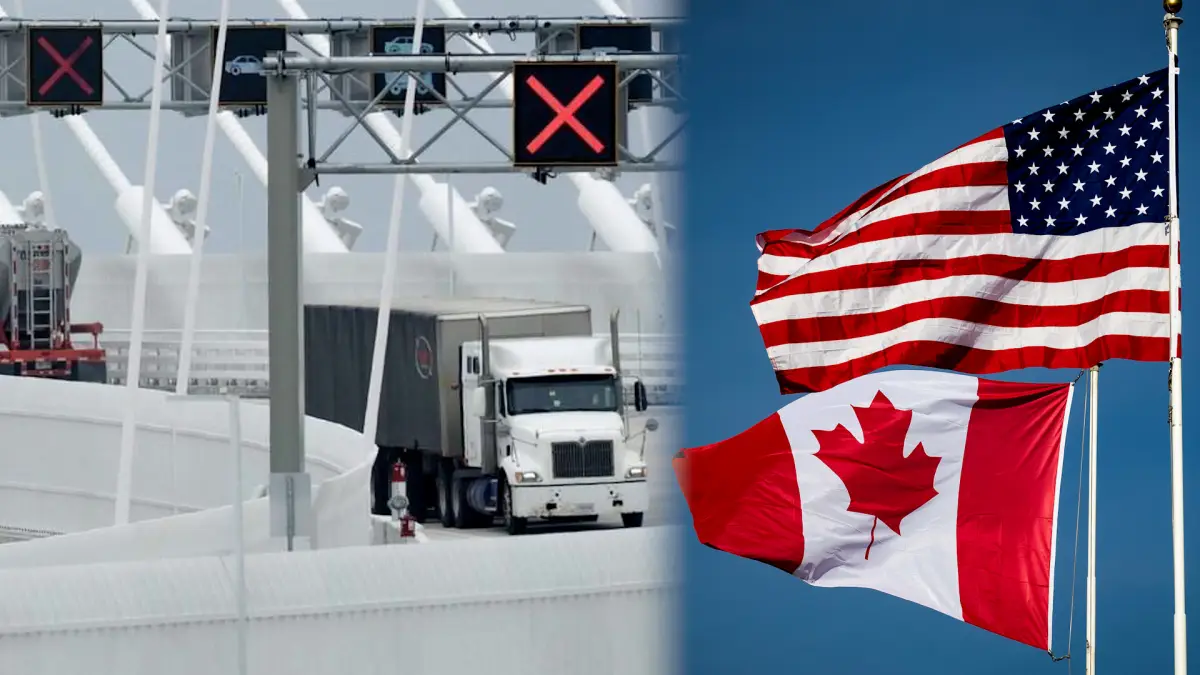
OTTAWA – A tariff deadline that threatened about $30 billion worth of Canadian goods has been extended while Canada and the United States continue working toward a deal. The pause may give negotiators more time, but the reported terms remain tentative, and Canadian officials had not publicly confirmed the details at the time of the report.
The biggest questions involve possible changes to auto counter-tariffs, Canadian dairy quotas, alcohol sales, and U.S. access to Canadian oil. President Donald Trump’s separate reference to reviving the Keystone XL pipeline added another unresolved issue to already complicated negotiations.
The Tariff Talks Affect About $30 Billion in Canadian Goods
The United States had been preparing tariffs on roughly $30 billion worth of Canadian products. By extending the deadline, Trump created more time for both countries to settle the remaining disputes before the proposed measures took effect.
For businesses, workers, and consumers, the extension offers temporary relief from an immediate policy change. It doesn’t settle the larger disagreement, however. The tariff threat remains tied to negotiations over market access and Canada’s possible concessions.
The latest development also fits into a broader period of tension in Canada-U.S. trade relations. The Congressional Research Service overview of U.S.-Canada trade outlines the scale of the economic relationship and the tariff measures that have already affected both countries.
What the deadline extension means
The extension means negotiators still have time to turn preliminary discussions into a completed arrangement. It doesn’t confirm that the United States has withdrawn the tariffs permanently, nor does it provide a final list of changes Canada has agreed to make.
Several questions were still open:
- What concessions might Canada make to avoid the tariffs?
- Which existing counter-tariffs could the United States roll back?
- What changes would Canada make to dairy quotas?
- When would alcohol products return to store shelves?
- Had the two sides reached a final agreement, or were they still negotiating the wording and details?
These questions matter because a delay can produce very different outcomes. The tariffs could be canceled if the countries reach a deal, adjusted as part of a partial agreement, or imposed later if negotiations break down.
CTV News chief political correspondent Vassy Kapelos said most of the information available at that hour came from the American side. Canadian officials had not offered the same level of public confirmation.
Why the details were still unclear
Kapelos said she had spoken with two sources close to the negotiations. Those sources indicated that some terms had been discussed and tentatively agreed to, but the language did not suggest that a final deal had been signed or publicly announced.
That distinction is important. A tentative agreement can show that negotiators have found common ground on certain points, while leaving unresolved questions about timing, enforcement, public announcements, or other parts of the package.
The reported concessions were described as tentative, while Canadian officials had not yet confirmed the terms.
The lack of confirmation also created uncertainty for provincial governments. Staff members for at least three or four premiers said they had not received information from the federal government at the time of the report. That left provincial officials waiting for Ottawa to explain what had been discussed and what the possible agreement would require.
Reported Concessions Under Discussion
The American sources cited in the broadcast described three main areas of possible compromise: auto counter-tariffs, dairy quotas, and alcohol products.
| Issue | Reported discussion | Status at the time |
|---|---|---|
| Automobiles | The United States could roll back counter-tariffs affecting autos | Tentative |
| Dairy | Canada could adjust dairy quotas | Tentative |
| Alcohol | Alcohol products could return to store shelves | Tentative |
The table shows the outline of a possible deal, but it doesn’t answer the most important implementation questions. The discussion did not establish the size of the quota changes, the exact tariff rates, or the timing for products to return to shelves.
Possible changes to auto counter-tariffs
One reported part of the negotiations involved rolling back counter-tariffs on automobiles. The broadcast presented this as something the U.S. side had discussed, rather than as a fully completed commitment.
Automobiles are closely connected to trade between Canada and the United States, so any tariff change could affect companies that move vehicles and parts across the border. Still, the report didn’t provide enough detail to determine which vehicles or auto products would be covered, how much relief would be offered, or when the changes would begin.
For that reason, the auto issue remained part of the negotiation rather than a confirmed policy change. The language pointed to possible movement, but the final terms were still unknown.
Adjustments to Canadian dairy quotas
Dairy access was another subject tied to the possible agreement. The sources said Canada could make adjustments to its dairy quotas, but they didn’t provide details about the size or effect of those changes.
Quota changes can involve how much product enters a market under specific trade rules. In this case, the report only established that dairy access was under discussion. It didn’t say how Canadian producers, American exporters, or consumers would be affected.
That missing information made it impossible to judge the full significance of the proposal. Until Canadian officials released the details, the public could only identify dairy quotas as one of the areas where negotiators might reach a compromise.
Alcohol products could return to store shelves
Alcohol products were also mentioned in the reported discussions. According to the information Kapelos received, alcohol could return to store shelves as part of the tentative arrangement.
The report didn’t identify which products were involved, which stores would carry them, or when sales might resume. It also didn’t establish whether the change would apply across Canada or only in certain provinces.
Those details matter because alcohol distribution and retail sales involve provincial authorities. The lack of federal communication to several premier offices made the timing of any return especially uncertain.
The Missing Step: Finalizing the Agreement
The central issue was the difference between a tentative understanding and a final deal. Negotiators may agree in principle on several points while still working through the language that turns those points into a binding arrangement.
What would finalization involve?
The broadcast raised the question directly: What does finalization entail?
No answer was available at the time. The reported terms still had to move beyond private discussions and preliminary agreement. That process could include confirming the exact measures, determining when they would take effect, and communicating the outcome to federal and provincial officials.
The report didn’t describe a formal signing process or provide a timetable for completion. As a result, readers could not assume that every item discussed by American sources had been accepted by Canada.
The difference between “agreed to” and “finalized” can seem small in a political statement, but it carries practical consequences. Businesses need to know which tariffs apply, governments need to know what they have promised, and provinces need clear instructions before they change policies affecting products such as alcohol.
Canadian premiers were still waiting for information
Several premier offices had not received details from the federal government. Kapelos said that at least three or four staffers she contacted had no information at that hour.
That communication gap suggested the federal government was still waiting for the negotiations to develop or had not yet briefed provincial governments. Either way, the absence of confirmation left premiers unable to explain how the possible deal would affect their provinces.
The issue was expected to receive more attention the following day. Provincial leaders would likely want answers about alcohol products, dairy access, auto tariffs, and any other concessions connected to the agreement.
Coverage of the deadline extension and the ongoing discussions was also available in CP24’s Canada-U.S. trade updates, which tracked the talks as the deadline approached.
Trump’s Reference to Keystone XL
Trump’s post included another subject that raised questions: the Keystone XL pipeline. He referred to his predecessor and said the pipeline would be revived.
That statement drew attention because the broadcast said a related pipeline development was already known. The reference therefore didn’t clearly establish whether Trump was announcing a new project, restating an earlier decision, or describing a related plan using the Keystone XL name.
What Trump said about the pipeline
Trump’s post presented Keystone XL as part of the broader discussion surrounding Canada. The pipeline reference appeared alongside the tariff deadline update, which linked energy access to the trade negotiations.
The report did not provide a new construction schedule or a full project description. It also didn’t explain whether the statement covered the entire original Keystone XL proposal or only a related section.
Because the wording was unclear, both Canadian and American officials still had to clarify what Trump meant.
Why the reference was confusing
Kapelos described the pipeline mention as a “headscratcher” because Trump had already approved a related southern pipeline construction project at the end of April. The project was described as running from the Canadian side toward Wyoming and following much of the Keystone XL route.
Some details remained to be worked out. The key uncertainty was whether Trump’s latest post referred to that already announced development or pointed to an additional project.
The distinction can be summarized simply:
- Known: A related southern pipeline construction project had already received approval.
- Unclear: Whether Trump was referring to that project or announcing something beyond it.
- Still unresolved: Which pipeline commitments, if any, were connected to the tariff negotiations.
Without clarification from either side, the pipeline reference could not be treated as a clear new agreement.
The Energy Question in the Negotiations
The United States was seeking preferential access to Canadian oil. Kapelos said that American interest was clear, while the Canadian response remained uncertain.
Energy access appeared to be one of the larger questions surrounding the possible deal. The tariff discussions involved specific products and trade measures, while oil access raised a broader question about what Canada might provide in exchange for relief from tariffs.
U.S. interest in Canadian oil
American negotiators wanted preferential access to Canadian oil, according to the report. The statement identified the goal, but it didn’t explain the proposed structure.
No details were provided about volumes, prices, transportation, buyers, or the length of any arrangement. Those issues therefore remained outside the confirmed information available at the time.
The pipeline reference made the energy question more prominent. A pipeline connection could relate to oil transportation, but the broadcast didn’t confirm that the construction project was part of a completed trade deal.
What might Canada offer?
The main unanswered question was simple: What does Canada give the United States in return?
The reported discussions pointed to several possible Canadian concessions, including adjustments to dairy quotas and changes affecting alcohol products. However, the report did not provide a confirmed list of Canadian commitments.
Auto tariffs and oil access were also part of the conversation, but their final treatment remained unclear. The United States appeared to be seeking improved access in multiple areas, while Canada was trying to avoid tariffs on Canadian exports.
The exact Canadian concessions had not been confirmed.
That uncertainty also explains why the federal government’s communication with the premiers mattered. Provincial leaders would need to understand any commitments before the public could know what the deal would mean in practice.
What Remained Unconfirmed
The information available at the time came mainly from American sources close to the negotiations. Kapelos cited two such sources, while noting that Canada had not issued matching official confirmation.
That doesn’t mean the reported terms were false. It means their status remained provisional. Until both governments confirmed the same details, the public couldn’t know whether the proposals had been accepted, revised, or left out of the final agreement.
The unresolved questions included:
- Were the auto counter-tariff rollbacks final?
- What changes would Canada make to dairy quotas?
- When would alcohol products return to store shelves?
- Had the federal government briefed the premiers?
- Was Trump referring to an existing pipeline project or a new one?
- What form of preferential access to Canadian oil did the United States want?
- Would the tariff deadline be extended again if the negotiations continued?
Each question pointed to a different part of the same problem. The announcement created more time, but it didn’t remove the need for a detailed agreement.
Readers following the dispute can also review reporting on Canada’s ongoing tariff negotiations for additional context about the wider disagreement between Ottawa and Washington.

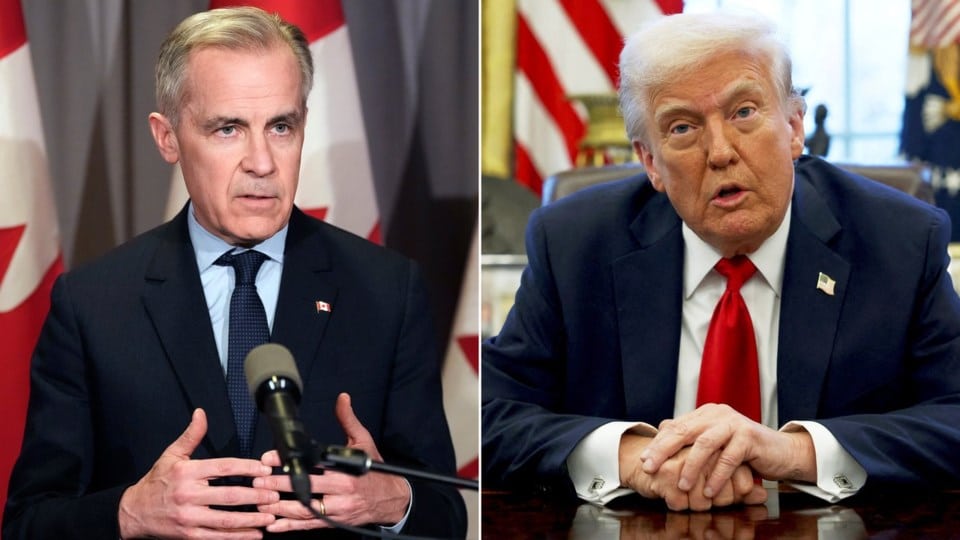
VANCOUVER, B.C. – The U.S.-Canada trade dispute has turned familiar policy language into daily headlines. Donald Trump, Mark Carney, U.S. officials, and Canadian leaders keep referring to tariffs, counter-tariffs, exemptions, retaliation, and the USMCA because each term describes a different part of the same fight over market access and trade rules.
The United States has announced 50% tariffs on selected Canadian products, scheduled to take effect on August 19, 2026. The measures cover products such as alcoholic beverages, dairy, and hundreds of other tariff classifications, while Canada already has counter-tariffs on some U.S. goods and plans to keep duties on vehicles, steel, and aluminum. At the same time, USMCA negotiations between Canada and the United States have resumed, with discussions focused on the agreement’s renewal and separate sector issues.
This glossary gives each trade term a plain-English meaning, then explains how politicians and officials are using it in current policy debates. Because tariff rules, product coverage, and court decisions can change quickly, always check the effective date and the specific goods covered before treating a headline as the final policy.
Key Takeaways
- A trade term such as tariff, counter-tariff, exemption, or retaliation describes a different policy action.
- Trump’s announced 50% duties target selected Canadian goods and are scheduled to take effect August 19, 2026.
- USMCA eligibility may not protect covered Canadian products from the new tariffs, according to the White House tariff fact sheet.
- Canada has kept some duties on U.S. vehicles, steel, and aluminum while weighing further action.
- Effective dates and product lists matter, so compare headlines with Canada’s official counter-tariff list.
Every Trade Term Carney and Trump Keep Using, Explained
Trade headlines often compress a complicated policy into one familiar phrase. A tariff may describe a tax, while “unfair trade” could refer to several different complaints. These definitions help separate the actual policy from the political argument around it.
Tariff, Import Duty, and Reciprocal Tariff
A tariff, also called an import duty, is a tax on goods entering a country. U.S. Customs generally collects it from the importer, not directly from the foreign government. The importer may then pass that cost to wholesalers, retailers, and consumers through higher prices.
For example, a duty on Canadian dairy, alcohol, or industrial goods can affect American businesses before it reaches a store shelf. The final price depends on how much of the tariff each company absorbs and how much it passes along.
A reciprocal tariff is presented as a matching response. The argument is that if another country charges U.S. goods a certain tariff or imposes other trade barriers, the United States should apply a comparable burden to that country’s goods. The White House has used “fair and reciprocal trade” to support this approach.
The calculation is not always a simple one-for-one match. Officials may include regulations, subsidies, taxes, licensing rules, and trade deficits in their assessment. As a result, “reciprocal” can function as political shorthand for a broader effort to rebalance trade. The White House reciprocal tariff order describes that wider policy framework.
MFN Rates, Preferential Rates, and Trade Deficits
Most-favored-nation, or MFN, treatment is the standard tariff rate a country applies to eligible trading partners. Despite the name, it isn’t a special favor. Under the WTO system, the basic principle is equal treatment among members.
A preferential rate is lower than the standard rate because a trade agreement provides special access. USMCA, called CUSMA in Canada, gives qualifying North American goods preferential treatment, and much of that trade remains duty-free. However, meeting the agreement’s rules doesn’t automatically protect every product from separate tariff actions.
A trade deficit occurs when a country buys more goods from a trading partner than it sells to that partner. Policymakers often focus on the goods deficit, but that figure doesn’t capture services, investment, income, or the full economic relationship.
Therefore, calls to “rebalance trade” or “address the deficit” describe policy goals, not proof that the relationship is unfair. The debate over Canada-U.S. tariff negotiations shows how the same deficit can support competing arguments.
Non-Tariff Barriers and Unfair Trade Practices
A non-tariff barrier makes imports harder or more expensive without imposing a direct import tax. Examples include quotas, licensing requirements, product standards, subsidies, government procurement limits, labeling rules, and border delays.
Officials often group these complaints under unfair trade practices. That label may refer to a specific regulation, a subsidy that lowers domestic producers’ costs, or a rule that limits foreign companies’ access to government contracts.
Readers should look past the label and ask which policy is involved. A quota limits quantity, a licensing rule controls who may import, and a product standard may require costly changes before goods can enter. Those differences matter when judging the dispute. The WTO’s explanation of most-favored-nation principles provides useful context for separating standard trade rules from claims of discrimination.
Who Pays, What Is Exempt, and How Quotas Change the Deal
A tariff headline gives you the headline rate, not the full cost for every product or shipment. The outcome depends on the product classification, country of origin, trade agreement, quantity, and entry method.
Exemptions, Carve-Outs, and Country of Origin
An exemption removes a product from a tariff altogether. A carve-out is narrower. It may limit relief to a certain product, country, quantity, or condition. For the 2026 Canadian tariff announcement, listed carve-outs include energy, potash, fish, critical minerals, and products already covered by Section 232 tariffs.
Country of origin also matters. A product that ships from Canada may contain materials or processing from another country, while a Canadian-made product may pass through the United States before reaching its final buyer. Customs applies origin rules and tariff classifications, not simply the address on the shipping label.
USMCA, known as CUSMA in Canada, adds another layer. Qualifying goods can receive preferential treatment under the agreement, but that status doesn’t automatically defeat every new tariff. Some Canadian goods covered by the new Section 338 measures may face the full tariff even when they satisfy USMCA or CUSMA rules. The product category and legal authority control the result. Readers can compare this distinction with the 2026 US tariff changes after the Supreme Court decision.
Quotas and Tariff-Rate Quotas
A quota limits how much of a product can enter during a set period. Once imports reach the limit, customs may block additional shipments or apply different treatment.
A tariff-rate quota, or TRQ, combines quantity and price rules. Goods entering under the quota receive a lower tariff, while goods above the limit face a higher rate. Agriculture often uses this structure, especially for products that governments want to protect without closing the market completely.
Tariffs usually make imported goods more expensive, but supplies can still enter if buyers accept the cost. Quotas restrict supply and create more uncertainty when importers compete for limited access. They also require paperwork that tracks quantities, permits, allocation rights, and timing.
Steel and aluminum measures may use tariffs, quotas, or product-specific arrangements, depending on the policy in force. Agriculture is a common setting for TRQs, while autos can face separate duties, origin requirements, or negotiated volume limits. Never assume that a headline about a quota means every product in that sector has the same restriction.
De Minimis and Low-Value Shipments
De minimis treatment is a low-value import rule that can allow qualifying shipments to enter with reduced or no duty and simpler customs processing. The United States previously applied this channel to shipments valued at $800 or less.
The current policy suspends duty-free de minimis treatment for many shipments regardless of value, origin, transportation method, or entry method. Nonpostal shipments can face applicable duties, taxes, fees, and charges. The White House de minimis order describes limited temporary treatment for some international postal items while a new process is established.
That change can raise costs for online shoppers and force small sellers to provide fuller customs information. Couriers may collect duties before delivery, and shipments that once cleared through a short entry process may need additional classification and documentation. On August 13, 2026, the Court of International Trade upheld the administration’s authority to end the duty-free treatment. Because customs procedures can change, check the latest CBP guidance before shipping or ordering across the border.
The Legal Toolbox Behind the Tariff Debate
The tariff percentage is only part of the story. Legal authority determines why a tariff exists, which products it covers, how long it can last, and whether courts can challenge it. These definitions explain policy language, not legal advice, so businesses should confirm current rules with customs counsel.
Section 232 and National Security Tariffs
Section 232 of the Trade Expansion Act of 1962 allows the president to restrict imports after the Commerce Department finds that certain imports threaten U.S. national security. The authority covers more than military equipment. National security can include domestic industrial capacity, critical production, transportation needs, and reliable supply chains.
That explains its use for products such as steel, aluminum, automobiles, trucks, timber, and related goods in current policy tracking. The concern is that heavy dependence on foreign sources could weaken industries needed during a military conflict, emergency, or major supply disruption.
Section 232 tariffs are different from broad duties imposed to address a trade deficit. They depend on a product-focused national security investigation and a formal finding. The Supreme Court’s IEEPA ruling did not invalidate existing Section 232 measures. Goods already covered by Section 232 were also reported as exempt from parts of the new Canadian tariff action.
For related reporting, see the Section 232 and Section 301 tariff coverage.
Section 301 and Country-Specific Actions
Section 301 of the Trade Act of 1974 targets unfair, discriminatory, or harmful foreign trade practices. The U.S. Trade Representative can investigate whether another government denies fair market access, violates trade commitments, or uses policies that harm U.S. commerce.
Because the investigation examines a particular country’s conduct, Section 301 measures are often country-specific and product-specific. A finding about Chinese subsidies, for example, does not automatically justify the same tariff on Canadian or Mexican goods. The final action may also cover only defined tariff classifications.
An investigation is not the same as a final tariff decision. Before assessing the commercial effect, look for:
- The agency’s finding and the foreign practice it identified.
- The affected products and tariff classifications.
- The effective date and any phase-in schedule.
- The review process, exclusions, and possible modifications.
This distinction matters because an announced investigation may lead to consultations or negotiations rather than immediate duties.
IEEPA, Section 122, and Emergency Trade Powers
The International Emergency Economic Powers Act, or IEEPA, gives the president emergency economic powers to address unusual and extraordinary foreign threats. Before the reported February 20, 2026 Supreme Court ruling, the administration relied on IEEPA for a disputed tariff program involving broad reciprocal duties and tariffs tied to Canada, Mexico, and China.
The Court held that IEEPA does not authorize tariffs. Collection of those IEEPA-based duties ended on February 24, 2026, while refund questions continued in lower-court proceedings. The Congressional Research Service summary explains the ruling and the separate authorities that remained available.
Policymakers then turned toward statutes with narrower triggers. Section 122 of the Trade Act of 1974 permits a temporary import surcharge when serious balance-of-payments problems require action. The authority generally limits the surcharge to 15% and 150 days, subject to its statutory conditions and congressional action.
That legal shift affects more than headlines. It can change refund claims, filing deadlines, product exclusions, and the expected life of a tariff. Importers must track the authority behind each duty because the statute can determine whether a charge continues, expires, or is replaced.
USMCA, CUSMA, and Retaliation in the Canada-U.S. Dispute
The North American trade agreement has different names depending on the country discussing it. The United States and Mexico call it the United States-Mexico-Canada Agreement, or USMCA. Canada calls the same agreement the Canada-United States-Mexico Agreement, or CUSMA. The trade term changes, but the agreement and its obligations remain the same.
USMCA and CUSMA Compliance
CUSMA compliance means a product meets the agreement’s conditions for preferential treatment. One major condition is the rules of origin, which determine whether a good qualifies as North American rather than originating outside the agreement’s member countries.
Those rules can require a certain share of a product’s materials, labor, or processing to come from the United States, Canada, or Mexico. Automotive goods, for example, face detailed requirements involving regional value content and the origin of key parts. Importers must also provide accurate documentation and use the correct tariff classification.
When a product qualifies, the importer may claim a preferential tariff rate, often zero. That benefit can reduce the cost of cross-border trade, but it isn’t a general exemption from every future duty. The legal authority behind a separate tariff still controls.
Current U.S. measures illustrate the distinction. The White House says new Section 338 tariffs can apply to covered Canadian goods regardless of whether they qualify under USMCA. Reports also indicate that some CUSMA-compliant Canadian products may face the full tariff. Recent reporting on tariffs affecting CUSMA-compliant goods helps show why agreement compliance and tariff protection are separate questions.
A product can satisfy CUSMA’s rules of origin and still face a separate national-security, emergency, or product-specific tariff.
For importers, the practical test is not simply whether goods are “CUSMA goods.” They must check the product code, origin records, tariff authority, effective date, and any exclusions. The escalating Canada-U.S. trade dispute has made each detail more important.
Retaliation, Counter-Tariffs, and Escalation
Retaliation is a response intended to impose costs or create bargaining pressure after another country takes a trade action. A counter-tariff is one formal type of retaliation. Canada, for example, has reported 25% counter-tariffs on selected U.S. steel, aluminum, and motor vehicles.
Governments can also respond by suspending trade concessions, removing products from store shelves, filing a dispute under a trade agreement, or negotiating exemptions. Those actions may create pressure without adding a new import tax.
Escalation begins when each side adds measures, raises tariff rates, or expands the list of affected products. Businesses then face higher costs and less certainty about contracts, sourcing, and delivery schedules.
When Prime Minister Mark Carney says “everything’s on the table” and that Canada will defend its interests, he is using strategic signaling. The statement communicates that Canada is preparing options, but it doesn’t prove that every possible countermeasure will happen. U.S. officials may describe Canadian duties as retaliation, while Canadian officials describe their actions as a response to U.S. tariffs. Both descriptions identify the same cause-and-response pattern, even though the two governments disagree about who acted unfairly first.
Fast Facts & Costs Table: What These Trade Terms Can Mean in Dollars
A trade term can describe a tax, a quantity limit, or a government response. The table below shows how each term can affect an importer, business, or consumer.
| Term | What it changes | Current example or rate | Who may feel the cost |
|---|---|---|---|
| Tariff | Adds an import duty to the customs value | Additional 50% on selected Canadian goods, effective August 19, 2026 | Importers, retailers, consumers |
| Reciprocal tariff | Applies a duty based on another country’s trade barriers | No single Canada rate; the announced Canadian measure is 50% on covered goods, effective August 19, 2026 | Importers and exporters |
| Exemption | Removes covered goods from a specific tariff | Energy, potash, fish, and some Section 232 goods are excluded from the new Canadian measure, August 2026 | Eligible importers avoid that duty |
| Quota | Limits the quantity entering during a period | The current dispute includes product-specific limits, not one rate for all goods, August 2026 | Importers facing limited supply |
| De minimis | Changes low-value customs treatment | U.S. duty-free treatment below $800 was suspended for all countries on August 29, 2025 | Online shoppers, small sellers, couriers |
| Retaliation | Adds pressure in response to another trade action | Canada has applied 25% counter-tariffs to selected U.S. vehicles, steel, and aluminum, 2026 | U.S. exporters and Canadian buyers |
| Section 232 | Adds product-specific duties tied to national security | Current guidance references 50% on the metal portion of covered goods, 2026 | Metal users, manufacturers, consumers |
| Section 301 | Targets specified foreign trade practices | Canada is listed at 10% for new forced-labor tariffs, effective July 24, 2026 | Importers of covered products |
The Congressional Research Service tariff timeline helps place the recent measures and retaliation dates in context. For Section 232 background and metal rates, see this Section 232 tariff reference.
A tariff rate is not always the final consumer price. Import value, product classification, shipping, exchange rates, retailer margins, and each company’s pass-through decision all affect the result. A business may absorb part of the duty, raise prices by the full amount, or change suppliers.
For a simple example, a 50% tariff on a $1,000 customs value adds $500 before other fees. The importer would face $1,500 in customs value plus applicable charges, although actual treatment depends on the product classification, exclusions, origin records, and the ruling applied at entry. Currency markets can add another variable, as shown by tariff pressure on the Canadian dollar.
Step-by-Step Guide to Reading a New Tariff Announcement
A new tariff headline rarely tells you what a specific shipment will cost. Use this process to separate the announcement from the rules that customs will apply at the border.
Find the Legal Notice, Date, and Authority
Start with the official document, such as a presidential proclamation, executive order, customs notice, or agency release. News reports can summarize a policy, but the legal notice identifies the exact products, authority, and filing instructions.
Record these details in one place:
- The law or authority used to impose the measure.
- The publication date and effective date.
- Any transition rules, phase-in schedule, or retroactive language.
- Whether the measure is temporary, subject to review, or open-ended.
- The government agency responsible for implementation.
The announcement date and the date goods enter the United States may produce different results. A company could order goods after a tariff is announced, yet have them enter before the duty takes effect. Another shipment might leave the supplier before the announcement but arrive after the effective date. Customs rules often focus on the relevant entry date, so confirm how the notice treats goods already in transit, stored in a bonded facility, or placed in a foreign-trade zone.
For implementation details, compare the announcement with CBP tariff guidance.
Check the Product Code, Origin, and Exemption List
Next, identify the product’s HS or HTS classification. The code can change the base duty, additional tariff, quota treatment, and eligibility for an exclusion. Search the current Harmonized Tariff Schedule rather than relying on a product name in a news story.
Then verify the country of origin. Customs may examine where the product was manufactured, where substantial processing occurred, and which materials went into it. A finished product assembled in Canada may contain components from several countries, so the shipping address alone doesn’t settle the question.
Check whether the item is a finished good or a component. After that, compare it with every relevant exclusion, quota, sector rule, and USMCA or CUSMA preference. A headline about “Canadian goods” cannot replace the actual tariff list.
Estimate the Cost and Plan the Next Action
For a basic estimate, multiply the customs value by the stated tariff rate. A $10,000 customs value at 25% produces $2,500 in duty before other charges. Add brokerage, storage, shipping, taxes, merchandise processing fees, and possible compliance costs.
Businesses should ask suppliers for origin records, bills of materials, and manufacturing details. A customs broker can also review classification and advise on entry procedures. Consumers should check whether an online seller collects duties at checkout. If not, the courier or customs authority may bill the buyer before delivery. Keep the official notice, product code, origin evidence, and broker advice together before making a pricing or purchasing decision.
Local Tips and Common Mistakes to Avoid
Tariff rules can change by product, origin, customs entry, and border direction. Before shipping or ordering, verify the current tariff notice, product code, effective date, and any agreement or sector-specific treatment.
Tips for Canadian Exporters and U.S. Importers
Keep a complete file for every product crossing the border. That file should include the country of origin, HS or HTS classification, supplier details, bills of materials, invoices, customs value, and manufacturing records. A product shipped from Canada is not automatically Canadian-origin goods, and a correct tariff result depends on more than the shipping label.
Next, check whether the product qualifies for USMCA, known as CUSMA in Canada. Qualification can support a preferential rate, but it may not remove a separate tariff. Confirm the product’s origin rules and documentation, then review whether Section 232 treatment applies to the finished product, its components, or a specific portion of its value.
Canadian businesses should also ask a direct question before assuming agreement rules settle the matter: Does a new Canadian tariff or U.S. tariff apply even when the goods meet USMCA or CUSMA requirements? The answer can differ by classification and tariff authority. For current Canadian trade exposure, Canada’s tariff-driven economic outlook offers useful business context, while official customs guidance should control the filing decision.
Build several cost scenarios before signing a contract or setting a customer price:
- The base tariff rate remains in place.
- An existing exemption or carve-out is removed.
- A tariff-rate quota fills before the shipment arrives.
- Retaliation expands to additional products or industries.
Share those scenarios with your customs broker, freight provider, suppliers, and customers early. A broker may need time to review classification or request a ruling, while customers may need revised delivery dates or pricing.
Mistakes Cross-Border Shoppers and Small Sellers Make
The phrase “free trade” does not mean every shipment enters duty-free. USMCA or CUSMA benefits apply only when the product qualifies and the importer supports the claim. Also, the country where a package ships is different from its legal country of origin.
Small sellers often treat de minimis treatment as permanent. Rules can change quickly, so check current CBP e-commerce guidance before promising an all-in shipping price. Use the current tariff chart, not an old spreadsheet, and confirm the product code when merchandise changes.
Don’t guess the classification from a product’s marketing name. Brokerage fees, taxes, storage, and courier charges can apply even when the tariff rate is zero. Finally, splitting one order into several shipments or misstating its value can trigger delays, extra assessments, penalties, or other customs problems. Accurate invoices and honest shipment details are usually the simplest way to avoid an expensive correction.
Frequently Asked Questions
These answers clarify several trade terms that often remain confusing after reading a tariff announcement. The key details are who pays at the border, which legal authority applies, and whether an agreement or court ruling changes the result.
Does a tariff mean the foreign country pays the tax?
Usually, the U.S. importer pays the duty to customs first. The foreign government does not normally send that payment to the United States. An importer may then recover some or all of the expense through its supply chain.
The cost can be shared in several ways. A supplier might lower its price, the importing business might accept a smaller profit, or wholesalers and retailers might raise their prices. In many cases, customers eventually pay at least part of the tariff through higher prices.
Can USMCA or CUSMA stop a new tariff?
USMCA, called CUSMA in Canada, can remove ordinary tariffs when a product meets the agreement’s rules of origin and documentation requirements. However, agreement treatment may not block a separate measure imposed under a different law.
For example, a product can qualify for preferential treatment yet remain subject to a national-security, emergency, or product-specific tariff. Check the legal notice, tariff classification, effective date, and product list instead of assuming USMCA compliance provides complete protection.
What is the difference between a tariff and a quota?
A tariff raises the cost of imported goods, while a quota limits the amount that may enter during a specified period. Importers can generally continue bringing in goods after a tariff takes effect, provided they pay the required duty. A quota may restrict additional shipments once the permitted quantity has been reached.
A tariff-rate quota combines both tools. Imports within the quota receive a lower tariff, while goods above the limit face a higher rate or different treatment. That structure can keep a market open while limiting the volume of lower-cost imports.
What happened to IEEPA tariffs?
On February 20, 2026, the Supreme Court ruled that IEEPA does not authorize the president to impose tariffs. The decision invalidated the IEEPA-based programs, including duties tied to Canada, Mexico, China, and the broader reciprocal tariff plan. SCOTUSblog’s account of the ruling summarizes the decision in Learning Resources, Inc. v. Trump and V.O.S. Selections, Inc. v. United States.
The ruling did not eliminate tariffs imposed under other laws. Policymakers may rely on authorities such as Sections 232 and 301, along with other statutory powers. Replacement measures, refund proceedings, and further litigation can still change the practical result for importers. Readers can also review the Supreme Court tariff ruling’s reported aftermath.
Why do officials call tariffs reciprocal?
The word reciprocal suggests that one country is matching another country’s tariffs or trade barriers. In simple terms, officials may claim that a foreign duty on U.S. goods justifies a similar duty on imports from that country.
The calculation may include more than a tariff-for-tariff comparison. Officials can also consider subsidies, regulations, taxes, licensing requirements, or other barriers. Therefore, check the legal notice for the method used before treating a “reciprocal” rate as a direct match.
What to Remember When the Next Trade Announcement Arrives
A new tariff announcement can sound final before the legal details are clear. Treat each headline as an alert, not a complete answer. The actual cost depends on the measure’s authority, timing, product coverage, and treatment under existing agreements.
Read the Fine Print Behind the Headline
Start with the official proclamation, executive order, customs notice, or agency release. Identify the law behind the action, such as Section 232, Section 301, IEEPA, or another authority. That choice affects the tariff’s scope, duration, exclusions, and legal challenges. For background on how IEEPA treatment has changed, review current CBP IEEPA guidance.
Next, record the exact effective date and time. The rule may apply to goods entered for consumption, withdrawn from a warehouse, or shipped after a specific cutoff. A shipment already in transit may receive different treatment, so the departure date alone doesn’t answer the question.
Check the product’s HTS classification rather than relying on a broad description such as “Canadian auto parts” or “dairy.” A small difference in the tariff line can change the duty, exclusion, quota treatment, or agreement benefit. Also confirm whether the rule uses the country of origin or the country where the seller ships the goods.
Keep the Announcement in Context
Exemptions and quotas can change the result for an entire shipment. Some measures exclude named products, existing Section 232 goods, qualifying USMCA merchandise, or goods covered by a separate limit. Others apply a lower rate until a quota or annual value cap is reached.
USMCA, called CUSMA in Canada, also requires careful checking. Agreement eligibility may preserve preferential treatment in one case but provide no protection from a separate tariff in another. Trump’s new tariff warning to Canada shows why the political announcement and the customs rules deserve separate attention.
For a shipment or purchase, save the notice, HTS code, origin records, effective date, exemption list, quota terms, and agreement requirements together. That file gives you a clearer answer than a changing headline.
The tariff rate is only one part of the story. Before you estimate a price or move goods, check the legal authority, product code, country of origin, effective date, exemptions, quotas, and agreement rules. Those details determine whether the announced rate applies to your shipment at all.
Understanding terms such as retaliation, de minimis, Section 232, Section 301, IEEPA, and USMCA or CUSMA makes fast-moving trade news easier to follow. You can then separate a proposed measure from an active duty, distinguish a product exclusion from a general exemption, and spot when a political statement still needs official customs instructions.
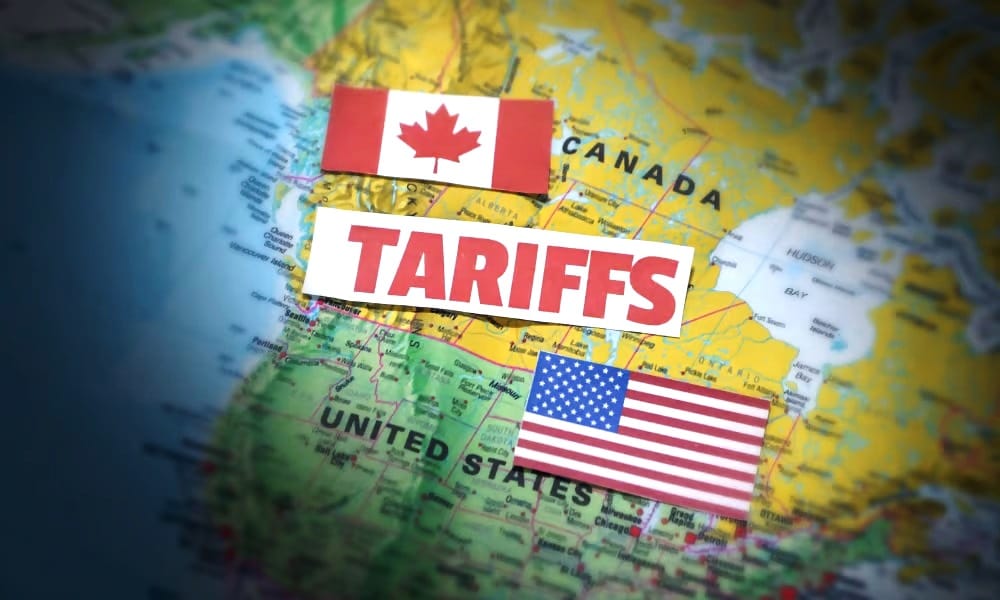
OTTAWA – A Canadian steel company shipping coils to Michigan may owe no ordinary U.S. duty if its goods qualify under USMCA, while an American business importing Canadian auto parts could face a different rate based on classification, origin, and current trade measures. The tariff isn’t simply chosen by the president or charged at a border officer’s discretion.
Instead, tariffs come from trade laws, USMCA/CUSMA rules, agency investigations, executive actions, and Customs and Border Protection regulations. This guide explains who has authority, how origin rules affect the final rate, how customs calculates the amount owed, and what importers should check before shipping, including the legal basis for U.S. tariffs. Rates and temporary measures can change, so verify current CBP, Federal Register, USTR, and Canadian government notices before relying on any example.
Key Takeaways
- Tariffs depend on the product’s HTSUS classification, customs value, country of origin, and any temporary trade action.
- USMCA can reduce ordinary duties to zero when goods meet product-specific origin rules and the importer supports the claim. See CBP’s USMCA guidance.
- Executive orders, presidential proclamations, and congressional laws can add duties beyond regular tariff rates, sometimes with separate exemptions.
- Rates can differ for energy, steel, agricultural goods, transshipped products, and other sectors, so check the Harmonized Tariff Schedule before shipping.
- Importers should verify current CBP, USTR, White House, and Canadian customs notices before calculating costs.
How Tariffs Actually Get Set in the United States and Canada
Tariff decisions follow a legal chain. Legislatures create the authority, governments set trade policy under that authority, and customs agencies calculate and collect the amount at import.
The final charge depends on the product’s tariff classification, country of origin, customs value, trade program, and any special measure. Most tariffs are percentages of value, although some use a fixed amount per unit.
What Congress, the President, and trade agencies each control
Congress supplies the main U.S. legal framework through laws such as the Tariff Act of 1930 and the Trade Act of 1974. It can also limit, approve, or change executive tariff powers. The Congressional Research Service guide to import authority explains how these powers are divided.
The President can act only through authority that Congress has provided. For example, Section 232 is a national security process led by the Department of Commerce. Commerce investigates whether imports threaten national security, then the President decides whether to impose tariffs, quotas, or another remedy.
Section 301 follows a different path. The Office of the U.S. Trade Representative investigates unfair or discriminatory foreign trade practices and can recommend tariffs or other actions.
Section 122 of the Trade Act of 1974 gives the President temporary surcharge authority for serious balance-of-payments problems. The surcharge can reach 15% and generally lasts no more than 150 days unless Congress extends it. See the latest Section 122 tariff discussion.
IEEPA is a separate emergency-powers lane. As of August 2026, the Supreme Court has ruled that IEEPA does not authorize tariffs, and CBP has stopped collecting those duties. Refunds and related litigation remain active, so check the current legal position before publication or shipment.
Canada follows its own process. Parliament creates customs legislation, while the Department of Finance develops federal tariff policy and the government may announce trade measures under Canadian law and CUSMA rules.
Why CBP and CBSA collect tariffs but do not freely choose the rate
CBP in the United States and CBSA in Canada administer the border. They classify goods, review origin and customs value, collect duties, and can reassess an entry after release.
A customs officer cannot negotiate a lower tariff rate at the counter. Importers remain responsible for accurate descriptions, tariff classifications, commercial invoices, origin records, and payment. If those details change, the final duty can change too.
The U.S. Tariff Authorities That Can Change What Canada Pays
Several U.S. legal routes can change the duty on Canadian imports. The trigger, lead agency, and outcome differ, so one tariff doesn’t always replace another.
Section 232 tariffs respond to national security findings
The Department of Commerce investigates whether imports threaten U.S. national security. After Commerce issues a finding, the President may adjust imports through tariffs, quotas, or other measures. Steel and aluminum are the clearest examples.
Current proclamations may place covered products under a 25% or 50% duty, depending on the product, effective date, and applicable tariff instructions. Those rates are not permanent guarantees. Importers must check the latest CBP Section 232 guidance, presidential proclamations, Federal Register notices, and HTSUS Chapter 99 provisions.
Derivative goods create another cost risk. In some cases, CBP assesses the duty on the full customs value of the imported product, rather than only the value of the steel or aluminum inside it. A Canadian product containing a small amount of covered metal can therefore face a larger duty than its metal content alone would suggest.
Section 301 targets unfair trade practices and can add another duty
Section 301 addresses a different problem. The Office of the U.S. Trade Representative investigates foreign acts, policies, or practices that are unjustifiable, unreasonable, discriminatory, or harmful to U.S. trade rights.
The process usually includes a public notice, investigation, findings, proposed action, and an opportunity for comments or hearings. USTR then decides whether to impose tariffs or another remedy. Unlike Section 232, which relies on national security authority, Section 301 focuses on trade practices.
That distinction matters for Canadian importers because both legal tests can apply to one product. Section 301 and Section 232 duties may stack, creating a combined rate.
Temporary and emergency tariff powers have different limits
Section 122 can support a broad, temporary surcharge for serious balance-of-payments problems. The statute caps that surcharge at 15% and generally limits it to 150 days, unless Congress extends it.
Emergency authorities such as IEEPA follow a separate legal path, and their use can change after presidential orders or court rulings. Before relying on any temporary tariff, check the latest order, court decision, and CBP implementation notice. Current U.S. tariff authority plans can also shift as one authority becomes unavailable and agencies use another.
Fast Facts and Costs Table: What Determines the Final Duty
The final duty depends on more than the headline tariff rate. Customs looks at the product, its origin, eligibility for preferential treatment, and the value used for duty calculation.
| Factor | Plain-language meaning | Effect on cost |
|---|---|---|
| Tariff classification | The HTSUS or Canadian tariff code assigned to the product | Sets the ordinary duty rate and may trigger special measures |
| Country of origin | Where the goods were produced under customs rules | Determines applicable tariffs, including Canada-specific measures |
| USMCA/CUSMA eligibility | Whether the shipment meets the agreement’s origin requirements | May reduce ordinary duty to zero, but not always other fees |
| Customs value | The value customs uses to assess percentage-based duties | A higher declared value creates a higher duty |
| Ordinary tariff rate | The standard percentage or per-unit charge | Applies before additional trade remedies |
| Special duties | Measures such as Section 232, antidumping, or countervailing duties | Can add substantial charges or stack with ordinary duty |
| De minimis treatment | Low-value treatment available only to qualifying shipments | May reduce or remove duty collection, subject to current rules |
| Additional fees | Brokerage, processing, harbor, tax, storage, and compliance costs | Raises the shipment’s total landed cost |
Customs value is the starting point for most percentage-based duties
For many U.S. imports, transaction value is the common starting point. That usually means the price paid or payable for the goods, adjusted where customs rules require. The declared amount must match and be supported by commercial records, such as the invoice, purchase order, and payment documents. CBP explains that the commercial invoice should show the price paid for the goods in its commercial invoice valuation guidance.
If the customs value is $10,000 and the duty rate is 25%, the duty is $2,500. Special products, related-party transactions, royalties, and goods without a reliable sale may require different valuation rules.
That $2,500 is only one part of landed cost. Freight, insurance, brokerage, merchandise processing fees, harbor maintenance fees, excise taxes, storage, compliance work, and trade remedy duties can raise the final bill. Current U.S. trade costs and tariff pressures can also affect shipping decisions.
A low-value shipment is not automatically duty-free
De minimis treatment can reduce or remove duty collection in qualifying cases, but thresholds and exclusions change. As of August 2026, the former U.S. $800 exemption isn’t a broad duty-free guarantee. Canada also uses different thresholds based on origin and shipping channel.
Low-value treatment doesn’t erase origin, admissibility, product safety, labeling, or documentation requirements. Before shipping, confirm the current CBP or CBSA threshold, transport rules, and product exclusions. The table is a planning framework, not a quote for a specific shipment.
Step-by-Step Guide to Checking a U.S.-Canada Tariff
A reliable tariff check starts with the product, not the seller’s country or a headline rate. Follow these steps before shipment, then compare your estimate with the filed entry.
Start with the product description and tariff classification
1. Record the product’s facts. Note its material, function, condition, dimensions, components, processing, and intended use. Include technical sheets, photos, assembly details, and the bill of materials.
2. Find the correct HTSUS code. The Harmonized System classification, not a casual name such as “machine part” or “metal fitting,” controls the tariff schedule. Search the current Harmonized Tariff Schedule and check the complete tariff line, including any Chapter 99 provisions.
When classification is uncertain, request a binding ruling or obtain professional customs advice before importing. Mixed-material goods, machinery, electronics, vehicles, and derivative steel or aluminum products deserve extra care. Classification can affect ordinary duty, USMCA eligibility, and special tariff programs.
Confirm origin, then test USMCA or CUSMA eligibility
3. Determine where the product originates. Shipping from Canada doesn’t automatically make a product Canadian-originating. A Canadian distributor may sell goods manufactured elsewhere, while a Canadian factory may use imported components.
4. Apply the product-specific origin rule. Check whether the required tariff shift, regional value content, or other rule applies. Then obtain the required certification or maintain records that support the claim. CBP’s USMCA FAQs explain the agreement’s origin requirements.
Goods that fail the rule usually fall back to the normal tariff schedule, even when the seller is located in Canada. They may also face separate trade measures discussed in current Canada-U.S. tariff coverage.
Check special measures, calculate the amount, and keep proof
5. Check current measures. Review the HTSUS, presidential proclamations, USTR notices, Commerce findings, CBP instructions, Canadian tariff notices, and any antidumping or countervailing duty order.
6. Calculate and verify. Multiply the customs value by each applicable percentage rate, then compare your estimate with the broker’s entry summary. Keep invoices, bills of materials, origin certifications, classification notes, and payment records.
7. Review after filing. Check the entry paperwork promptly. If you find an error, ask your broker about a post-summary correction or another permitted post-entry correction before deadlines expire.
USMCA and CUSMA: Why North American Origin Can Lower the Rate
The U.S.-Mexico-Canada Agreement, called CUSMA in Canada, can provide preferential tariff treatment for qualifying goods. However, a shipment from Canada does not automatically receive that preference because the seller or shipping address is Canadian.
Made in Canada is not the same as qualifying under the trade agreement
Suppose a Canadian company imports electronic parts from Asia, attaches them to a basic housing, and repackages the finished item in Canada. That activity may not change the product’s origin under the applicable USMCA rule. By contrast, substantial production in Canada may qualify if the product meets its required tariff shift, regional value content, labor value content, or another product-specific test.
The rule depends on the product’s tariff classification. Therefore, businesses should trace each major input and review how the Canadian operation changes the goods. Keep supplier declarations, invoices, bills of materials, and production records rather than relying on a “Made in Canada” label or a Canadian shipping address. Current CUSMA treatment under tariff measures can also depend on the legal authority behind the charge.
The certification can be flexible, but the records must be reliable
USMCA does not require one government-issued certificate form. An importer, exporter, or producer can complete the certification, provided it contains the required information about the parties, goods, tariff classification, origin criterion, and certification period. The CBP certification template shows the data a valid claim generally needs.
Still, flexibility in format does not reduce the proof requirement. Preserve the certification, supplier declarations, bills of materials, cost data, production records, invoices, shipping documents, and payment records. U.S. importers generally must retain supporting records for at least five years. Customs authorities can verify a claim after entry, then demand unpaid duties, interest, or penalties if the evidence falls short.
A trade preference may not remove every extra charge
USMCA preference usually addresses the ordinary customs duty. A qualifying product may still face Section 232, Section 301, safeguard, antidumping, countervailing, excise, or customs fees when the separate law applies.
Check every layer before quoting a landed cost. A valid origin claim can reduce one tariff while leaving another charge in place.
Local Tips and Common Mistakes to Avoid at the Border
Small documentation errors can create surprise tariffs, delayed releases, audits, or lost USMCA preference claims. Before shipping, compare the product description, origin evidence, classification, invoice, and expected landed cost.
Do not confuse the shipping country with the country of origin
A product routed through Canada or the United States may still originate in China, Mexico, or another country. A Canadian warehouse address proves where the seller stored the goods, not where the main manufacturing or transformation occurred.
Trace the production history and identify where the goods underwent their most important manufacturing step. Then check the applicable USMCA or CUSMA rule for that product and tariff classification. A Canadian warehouse, repackaging operation, or simple final-assembly step may not create Canadian origin.
Keep bills of materials, supplier statements, production records, and invoices that support the origin claim. The USMCA rules of origin also require importers to retain records supporting preferential treatment. When the production chain is complex, ask a licensed customs broker or trade specialist to review it, but remember that the importer remains responsible for the entry’s accuracy.
Watch for stacked duties, changing notices, and incomplete invoices
Check beyond the ordinary tariff rate. A shipment may also face a quota, surtax, Section 232 measure, antidumping or countervailing duty, or another trade remedy. Temporary notices can change quickly, so review the current HTSUS, CBP or CBSA instructions, and agency notices shortly before shipment.
Vague descriptions such as “parts” or “metal goods” create classification problems. Use the product’s material, function, model, quantity, and intended use instead. Match the commercial invoice, packing list, classification, origin claim, and customs entry. Even a low-value shipment can require accurate information when quotas or restricted goods apply.
Budget for the whole landed cost, not just the tariff
A low tariff rate can still produce an expensive shipment when customs value is high or extra paperwork applies. Write a landed-cost estimate before signing the sale or purchase contract. Include:
- Freight, insurance, brokerage, and customs fees.
- Storage, inspection, handling, and potential delay charges.
- GST, HST, sales taxes, or other import taxes.
- Currency changes, especially when invoices and duties use different currencies.
A broker can estimate entry charges, but request the assumptions in writing. Currency movements alone can alter the final bill, as tariff tensions affect the Canadian dollar. Use the estimate to set a realistic price and delivery schedule.
Frequently Asked Questions
Tariff questions often arise after the basic rate has been identified. These answers cover timing, refunds, rulings, and responsibility at the border.
Can a tariff change after the goods leave Canada?
Yes. The rate usually depends on the rules and tariff measures in effect when the goods enter the importing country. A shipment can also face a changed rate if customs finds a classification, origin, or valuation error during review. Check the current 2026 Canadian Customs Tariff and the U.S. HTSUS before filing the entry.
Who pays the tariff when a Canadian company sells to a U.S. buyer?
The importer of record generally pays U.S. duties and remains responsible for the entry’s accuracy. A sales contract can shift the economic cost to the seller through pricing or delivery terms, but it doesn’t remove the importer’s customs obligations. Confirm the Incoterms and duty responsibilities before signing the purchase agreement.
What happens if the importer paid too much?
The importer may seek a correction, refund, protest, or post-importation preference claim, depending on the error and filing deadline. For example, CBP allows certain USMCA refund claims when a later classification or valuation change directly affects origin eligibility. Keep the entry number, invoices, origin records, and supporting calculations.
Can a business get a tariff decision before shipping?
Yes. A U.S. importer can request a binding ruling from CBP on classification, origin, valuation, or trade-program eligibility. In Canada, CBSA advance rulings can address tariff classification, origin, and value for duty. A ruling gives the business a stronger basis for pricing and shipping decisions than an informal broker estimate.
Do tariffs apply equally to every product from Canada?
No. Rates can vary by tariff code, origin, product material, trade remedy, quota, and effective date. Steel, aluminum, vehicles, agricultural goods, and products with non-North American inputs may follow different rules. Current U.S.-Canada tariff developments can also affect which measures apply to a shipment.


Is Modern Political Empathy Actually Just Hidden Narcissism?
US Trade Moves Put Massive Pressure on Canada

Canada Sheds 68,000 Jobs As Economic Fears Deepen

Pierre Poilievre Critiques Reporter Who Questions His Leadership
How Canada’s Combating Hate Act Stifles Free Speech

Uncovering the Truth Behind Inequality: A Bold New Vision

How Progressivism Replaced Religion With A New Secular Faith
Behind Carney’s $1-Trillion Canada Investment Scheme
Poilievre Blasts Carney’s Plan To Sell Off Airports

Food Insecurity and Surging Prices: Canada’s Inflation Squeeze
Uncovering the Truth Behind Inequality: A Bold New Vision
How Progressivism Replaced Religion With A New Secular Faith
Canada Sheds 68,000 Jobs As Economic Fears Deepen
Food Insecurity and Surging Prices: Canada’s Inflation Squeeze
Poilievre Blasts Carney’s Plan To Sell Off Airports
Behind Carney’s $1-Trillion Canada Investment Scheme
How Canada’s Combating Hate Act Stifles Free Speech
Pierre Poilievre Critiques Reporter Who Questions His Leadership
US Trade Moves Put Massive Pressure on Canada
Is Modern Political Empathy Actually Just Hidden Narcissism?

Jimmy Kimmel Slammed for “Vile” Melania Trump “Expectant Widow” Joke

President Trump Addresses Nation on War with Iran

Trump Warns NATO Allies: America Won’t Protect Slackers After Iran Clash

Senate Hearing on Fraud and Foreign Influence Turns Tense Over Minnesota Scandals

CNN Forced to Backtrack Its Reporting on Trump’s Iran Talks

Joe Rogan Slams Gavin Newsom for Mocking Nick Shirley

Mosque Set Ablaze in Iran a Citizens Revolt Against the Islamic Regime

AOC Accuses Jessie Watters of Fox News of Sexualizing and Harassing Her

JD Vance Exposes Walz’s Fraud and CNN’s Lies in White House Presser

Milestone Card Credit: How the Milestone MasterCard Can Transform Credit


-

 News9 months ago
China-Based Billionaire Singham Allegedly Funding America’s Radical Left
-
Crime10 months ago
YouTuber Nick Shirley Exposes BILLIONS of Somali Fraud, Video Goes VIRAL
-
Politics10 months ago
Ilhan Omar Faces Renewed Firestorm Over Resurfaced Video
-
Politics9 months ago
2026 Midterms Guide: Candidates, Key Issues, and Battleground States
-
Politics8 months ago
CNN Delivers Stark Reality Check to Democrats Over Voter ID
-
Politics8 months ago
Ilhan Omar’s Connections to Convicted Somali Fraudsters Surface
-
Politics7 months ago
Rep. Ilhan Omar Faces Heat as Minnesota Voters Seek Change
-
Politics8 months ago
Trump Approval Rating (February 2026 Poll Results, Approve vs Disapprove)