
Opinion
Opinion: Media Went Easy on Carney After Canada Lost 68,000 Jobs

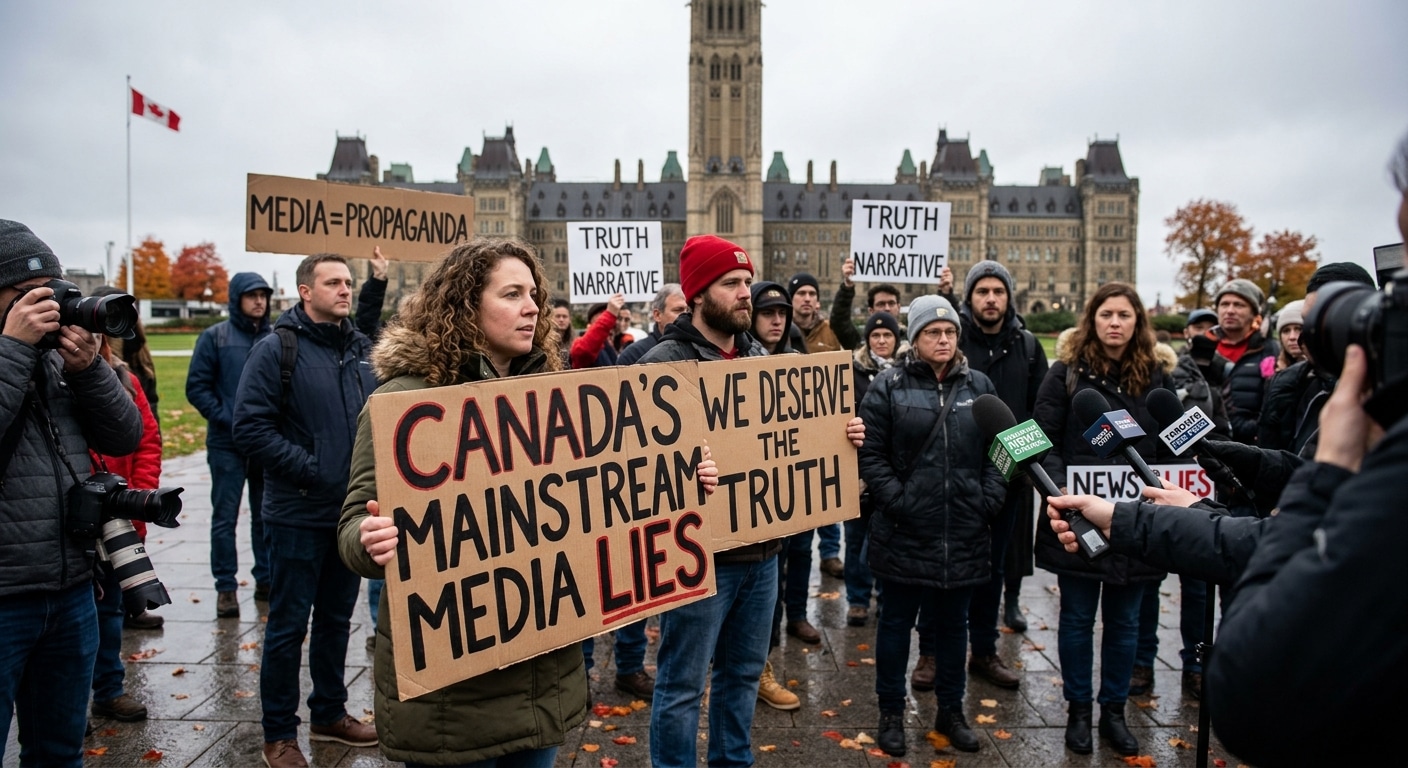
OTTAWA – Canada’s economy took a massive hit this past September, quietly shedding a staggering 68,000 jobs. For many working-class families, this sudden drop in employment is a harsh reality that makes paying bills even harder.
Yet, if you scroll through major Canadian news outlets, you will barely find a whisper about this economic slump. Instead of front-page headlines, the news is buried deep behind opinion pieces and political fluff.
Many Canadians are now asking why such a significant economic failure is receiving so little attention. Critics argue that state-funded news organizations are downplaying bad news to protect the current political establishment.
At the center of this growing controversy is Mark Carney, a highly influential figure who enjoys overwhelmingly positive press. Ultimately, the stark contrast between severe job losses and glowing political coverage is raising serious questions about journalistic integrity.
Key Takeaways:
- Canada unexpectedly lost 68,000 jobs in September, but major mainstream news outlets have largely ignored the story.
- Critics claim that government subsidies for the media influence how negative economic data is reported to the public.
- Political figure Mark Carney continues to receive highly favorable coverage, insulating him from the harsh economic reality.
The Silent Shock of September’s Job Losses
When a nation loses nearly 70,000 jobs in a single month, it usually triggers massive public debate. Economists typically rush to television screens to explain what went wrong and how it impacts the middle class. However, the response to September’s dismal employment data has been unusually muted across the board. Consequently, this lack of urgent reporting leaves average citizens completely in the dark about the true state of the economy.
You can look at historical data from official sources like Statistics Canada to see how unusual this media silence really is. In the past, job losses of this magnitude would dominate the news cycle for weeks on end. Today, the media seems much more interested in promoting specific political narratives than holding leaders accountable. Furthermore, this shift in reporting priorities is making it increasingly difficult for Canadians to make informed financial decisions.
As unemployment lines grow longer, the disconnect between everyday reality and mainstream news becomes impossible to ignore. Small businesses are closing their doors, and manufacturing plants are laying off devoted, hard-working employees. Meanwhile, evening broadcasts continue to paint a rosy, optimistic picture of the country’s economic future. Therefore, this stark contrast is exactly why public trust in traditional journalism is currently sitting at an all-time low.
How Media Subsidies Shape the News Cycle
To understand why the media is downplaying these job losses, we have to look at how news is funded. The Canadian government provides hundreds of millions of dollars in subsidies to major media corporations every single year. Many independent journalists boldly argue that this financial lifeline creates a massive conflict of interest for reporters. When a newsroom relies on government money to survive, criticizing that same government becomes a risky business move.
You can read more about these controversial funding structures on independent news platforms like Canadaland. These subsidies were initially designed to save struggling newspapers, but they have fundamentally changed the media landscape. Instead of acting as fierce watchdogs, some outlets now function more like unofficial public relations firms. As a result, devastating economic reports—like the massive loss of 68,000 jobs—are quickly swept under the rug.
This dynamic creates a sheltered environment where certain political figures are shielded from necessary public scrutiny. When the economy falters, voters naturally look to financial experts and political leaders for honest answers. But if the press refuses to ask tough questions, those leaders never have to defend their policies. Consequently, this protective bubble brings us directly to the media’s treatment of former central banker Mark Carney.
The Media’s Protective Shield Around Mark Carney
Mark Carney is widely seen as a rising star within Canada’s entrenched political establishment. As a former central bank governor, he is frequently praised by reporters as a brilliant, visionary economic mind. However, critics quickly point out that the media rarely challenges his economic visions, even when job markets crash. Instead of scrutinizing his influence on policy, the press consistently portrays him as a political savior.
This incredibly favorable treatment is no accident, according to media watchdogs and conservative political critics. They suggest that subsidized newsrooms are actively working to protect Carney’s reputation ahead of potential political campaigns. By hiding the devastating September job numbers, the media prevents voters from connecting economic failures to establishment figures. Ultimately, this selective reporting allows leaders like Carney to float above the fray without taking any blame.
A healthy democracy requires a free, independent, and aggressively curious press to function properly. When 68,000 Canadians lose their livelihoods, those hardworking citizens deserve to have their stories told on the front page. Protecting political elites like Mark Carney at the expense of everyday families is a betrayal of journalistic duty. Until the media breaks its silence, Canadians will have to look elsewhere to find the truth about their economy.
Trending News:
Mark Carney’s Million Dollar Wind Up and Nickel Delivery
Quebec Election 2026: Will the Province Leave Canada?


Why Alberta Is Voting on a Future Independence

Alberta Votes on Independence: Advance Polls Open

Opinion: Is Canada in a Deep Crisis Over Trade and Defense

Canadian Manufacturers Face Bankruptcy Amid U.S. Tariffs

Opinion: Canada’s Economy Is Under Pressure From Debt, a Weak Dollar and Steel Tariffs

H1-B Visa Crackdown Rocks Big Tech and India

Millions of Shoppers Boycott Real Canadian Superstore

Opinion: Media Went Easy on Carney After Canada Lost 68,000 Jobs

Mark Carney’s Million Dollar Wind Up and Nickel Delivery

Mark Carney Faces Ethics Backlash Over Heat Pumps

Opinion: Is Modern Political Empathy Really About Self-Image?

US Trade Moves Put Massive Pressure on Canada

How Progressivism Replaced Religion With A New Secular Faith

Opinion: Canada’s Combating Hate Act Threatens Free Speech

Pierre Poilievre Critiques Reporter Who Questions His Leadership

Canada Sheds 68,000 Jobs As Economic Fears Deepen

Opinion: What South America’s Political Shift Means for Canada

Uncovering the Truth Behind Inequality: A Bold New Vision

Food Insecurity and Surging Prices: Canada’s Inflation Squeeze
Behind Carney’s $1-Trillion Canada Investment Scheme

Jimmy Kimmel Slammed for “Vile” Melania Trump “Expectant Widow” Joke

President Trump Addresses Nation on War with Iran

Trump Warns NATO Allies: America Won’t Protect Slackers After Iran Clash

Senate Hearing on Fraud and Foreign Influence Turns Tense Over Minnesota Scandals

CNN Forced to Backtrack Its Reporting on Trump’s Iran Talks

Joe Rogan Slams Gavin Newsom for Mocking Nick Shirley

Mosque Set Ablaze in Iran a Citizens Revolt Against the Islamic Regime

AOC Accuses Jessie Watters of Fox News of Sexualizing and Harassing Her

JD Vance Exposes Walz’s Fraud and CNN’s Lies in White House Presser

Milestone Card Credit: How the Milestone MasterCard Can Transform Credit


-

 News9 months ago
China-Based Billionaire Singham Allegedly Funding America’s Radical Left
-
Crime10 months ago
YouTuber Nick Shirley Exposes BILLIONS of Somali Fraud, Video Goes VIRAL
-
Politics10 months ago
Ilhan Omar Faces Renewed Firestorm Over Resurfaced Video
-
Politics10 months ago
2026 Midterms Guide: Candidates, Key Issues, and Battleground States
-
Politics8 months ago
CNN Delivers Stark Reality Check to Democrats Over Voter ID
-
Politics8 months ago
Ilhan Omar’s Connections to Convicted Somali Fraudsters Surface
-
Politics7 months ago
Rep. Ilhan Omar Faces Heat as Minnesota Voters Seek Change
-
Politics8 months ago
Trump Approval Rating (February 2026 Poll Results, Approve vs Disapprove)















