
News
US Treasury Secretary Bessent Says 2026 Tariffs Revenue Won’t Drop
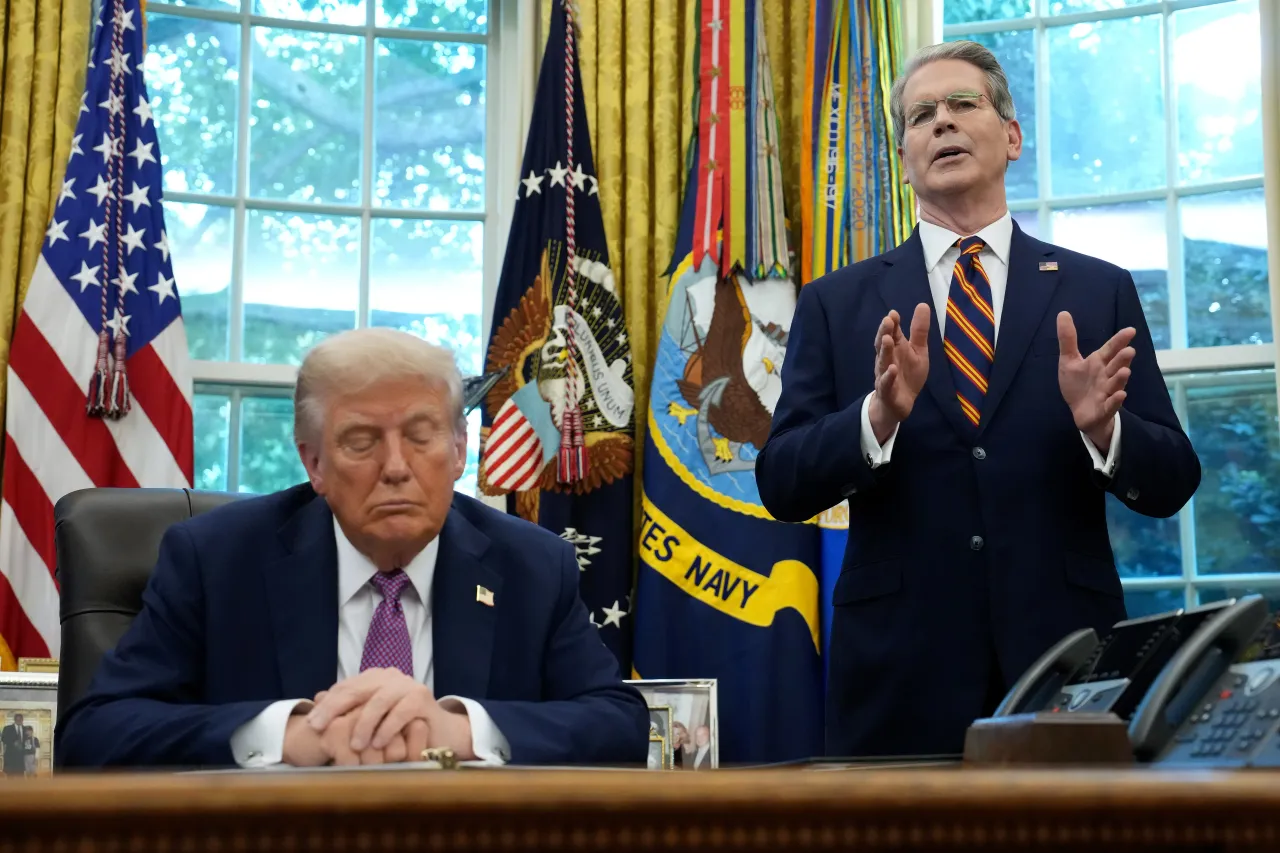
WASHINGTON D.C. – US Treasury Secretary Scott Bessent says revenue from tariffs should stay about the same in 2026, even after a major Supreme Court ruling knocked out a central part of Trump’s tariffs built on emergency powers.
Instead of relying on IEEPA tariffs, the White House says it will route new duties through other laws, including Section 122 authority, Section 232 tariffs, and Section 301 tariffs. At the same time, the decision raises fresh questions about tariff refunds and the direction of US trade policy in 2026.
On Friday, the Supreme Court struck down key parts of President Donald Trump’s emergency-based tariff program. Bessent said that tariff collections next year will be “virtually unchanged.” He argued the ruling blocks one legal tool, not the policy goal, and said the administration already has other ways to keep duties in place.
The Court ruled 6-3 on February 20, 2026. Chief Justice John G. Roberts Jr. wrote the majority opinion. The decision said the International Emergency Economic Powers Act (IEEPA) does not give the president power to impose broad, revenue-raising tariffs during a national emergency.
Still, in remarks at the Economic Club of Dallas, Bessent played down the practical hit. “The Court did not rule against President Trump’s tariffs,” he said in prepared comments. “Six Justices simply ruled that IEEPA authorities cannot be used to raise even one dollar of revenue.”
From the administration’s view, the fix is straightforward. It plans to move the tariff program onto other trade statutes that have long been used for duties.
What the Supreme Court Ruled On
The case focused on tariffs launched in 2025 under IEEPA, including:
- 25% duties on many imports from Canada and Mexico, tied to drug trafficking concerns
- 10% or higher tariffs on Chinese goods
- At least a 10% baseline tariff across imports from dozens of countries, aimed at trade deficits
The Court said IEEPA, passed in 1977, was built for sanctions and emergency actions tied to foreign threats, not for broad tariffs designed to raise revenue. The justices sent the case back to the Court of International Trade to sort out next steps, including how the ruling should be applied and what remedies may follow.
Supporters of the decision called it a firm limit on executive power. The White House, on the other hand, described it as a narrow legal setback.
Bessent Says 2026 Tariffs Revenue Won’t Drop
Bessent said Treasury projections show little change in total tariff revenue next year. To fill the gap left by IEEPA tariffs, the administration plans to use other authorities, including:
- Section 122 of the Trade Act of 1974, which allows temporary tariffs up to 15% for 150 days in certain trade-imbalance situations
- Expanded use of Section 232 tariffs, based on national security findings
- Broader use of Section 301 tariffs, tied to unfair trade practices
Bessent described this approach as less direct and more complicated than the emergency route. Even so, he said it should keep collections steady.
“Treasury’s estimates show that the use of Section 122 authority, combined with potentially enhanced Section 232 and Section 301 tariffs will result in virtually unchanged tariff revenue in 2026,” Bessent said.
He also argued that earlier tariffs create a base level of collections, and that new actions will cover any shortfall from the ruling.
President Trump echoed that message soon after the decision. He announced a new 10% global tariff and criticized the justices who dissented.
Tariff Refunds Could Reach Into the Billions
Even if future revenue holds, past tariff collections may be at risk. Economists at the Penn-Wharton Budget Model estimated more than $175 billion in tariff payments could be eligible for refunds. Bessent put the number closer to $130 billion.
He criticized large-scale refunds as “ultimate corporate welfare.” In his view, many importers already passed higher costs on to consumers. If refunds go back to importers, he said, buyers may not see that money returned.
Bessent also warned that the timeline could be long. He said the process will likely involve lawsuits and could take “weeks, months, or more, maybe even years.”
Treasury, however, says it can manage the cash impact. Officials expect cash balances in the $850 billion to $900 billion range in the coming quarters, which they say would help cover any obligations without immediate strain.
What This Means for US Trade Policy in 2026
The decision and the administration’s response,puputeveral pressures back into focus for US trade policy 2026.
- Business impact: Some importers may get short-term relief from the invalidated IEEPA tariffs. Still, new tariffs under other laws could keep costs high.
- Global trade tensions: Trading partners may challenge replacement tariffs, which could escalate disputes.
- Congress and tariff power: The ruling reinforces that Congress controls broad tariff authority. As a result, lawmakers may face more calls to tighten or clarify trade statutes.
- Political fallout: Democrats said the workaround sidesteps the Court’s message. Supporters said the administration is sticking with its trade plan.
Bessent also pushed back on the idea that the ruling weakens US negotiating power. He argued the government still has tougher options available, including broader restrictions such as embargoes, if it chooses to act.
What to Watch Next
As the White House shifts away from IEEPA tariffs, several items will shape the next phase:
- How fast new tariffs roll out under Sections 122, 232, and 301
- How markets react to renewed trade pressure
- Whether new lawsuits target the administration’s next legal strategy
- How the courts handle refund claims, if refunds move forward
For now, Bessent’s message stays consistent. Despite the Supreme Court setback, he says tariff revenue will remain largely intact in 2026, and the administration will keep pushing its “America First” trade approach. The next few months will show whether the replacement plan holds up or sparks another round of legal and economic fights.

Related News:
Trump Fires Back at Supreme Court with New 10% Global Tariffs
News
New York Mayor Mamdani Threatens to Raise Property Taxes By 9.5%
NEW YORK– Only weeks into his term as New York City’s 112th mayor, Zohran Mamdani has opened a major standoff with Albany over how to plug a multibillion-dollar budget hole. He says the state must approve higher taxes on the wealthiest residents and large corporations. If Albany won’t act, he says New York City will have to make unpopular moves such as a steep property tax increase, possible rent freezes, and major cuts to city services.
Mamdani laid out the warning in his preliminary Fiscal Year 2027 budget this week. Since then, fiscal analysts, real estate voices, and some moderate Democrats have pushed back hard. They call his approach risky, divisive, and driven more by politics than practicality.
Mamdani’s message to Albany
At a public City Hall briefing, Mamdani said the city faces a $5.4 billion shortfall left from the prior administration. He called it a serious fiscal crunch and said the city has two paths.
- Path One (his choice): Albany raises income taxes on top earners, including about a 2 percentage point hike for the richest New Yorkers, and increases corporate taxes. He also argues the city sends more money to the state than it gets back in aid, which he calls a long-term imbalance.
- Path Two (his fallback): If the state refuses, the city would raise property taxes by 9.5%, use reserves, and consider rent freezes or other cost-cutting steps to close the gap.
“The first path is the most sustainable and fairest, raising taxes on the wealthiest and corporations,” Mamdani said. “If we don’t take that path, the City will be forced into a second, more harmful one, raising property taxes and putting this crisis on the backs of working- and middle-class New Yorkers.”
He stressed that a property tax hike would touch more than three million residential units, including single-family homes, co-ops, and condos. It would also hit over 100,000 commercial buildings. Analysts say that could mean hundreds of dollars more per year for many homeowners. After that, renters could feel it too, because some landlords pass higher tax bills along in rent.
Beyond taxes, Mamdani also wants broader changes. He says Albany should stop what he calls a drain of city dollars to the state. He also says the city must protect affordability tools, including rent stabilization.
Critics call it a false choice
The mayor’s either-or framing has sparked fast backlash. Watchdogs and real estate groups say it ignores spending reforms and boxes Albany into a political corner. They also warn that New York’s tax burden is already high, so more increases could push people and jobs out.
- Economic concerns: Real estate professionals say a 9.5% property tax increase could raise rents across the market, worsen affordability, and encourage more residents to move to lower-tax states such as Florida and Texas.
- Ideology complaints: Opponents say Mamdani is turning a budget gap into a class fight, instead of focusing on basic budgeting. They also point out that New York already ranks near the top nationally for combined taxes.
- Political blowback: Gov. Kathy Hochul, with her own election pressures, has shown little interest in raising taxes on high earners and corporations. She has also brushed off the property tax warning as unnecessary. Meanwhile, some City Council members and Queens homeowners have voiced anger, saying Mamdani campaigned on affordability but is now threatening higher housing costs.
- Other approaches: Some budget analysts say the city’s main problem is spending. In their view, cost controls and targeted cuts should come before any new taxes.
One analyst summed it up this way, calling the stance “a threat to soak the middle class if he can’t tax the rich,” reflecting worries that homeowners and renters will pay either way.
The mayor’s background and the politics behind the push
Mamdani’s hard line fits the movement that powered his rise. Born in Uganda and raised in New York, he previously served as a state assemblymember from Astoria. In June 2025, he won a crowded Democratic primary that included former Gov. Andrew Cuomo. He followed that with a general election win in November and took office on January 1, 2026, as the city’s youngest mayor in more than a century.
Since then, he has focused on visibility and access. He has appeared in viral clips on subways and buses, and he has even officiated weddings while promoting city services. Still, this budget fight is his first major test, because it puts his working-class agenda head-to-head with Albany’s more centrist leadership.
What happens next
Now, talks with Hochul and state lawmakers move to the center of city politics. The next few weeks will show whether Mamdani can win state tax increases or whether he shifts to city actions that raise costs and cut services. The City Council will also have to sign off on any final budget, so debates over taxes, services, and affordability are about to heat up.
For now, Mamdani is holding his line. Without action from Albany, he says New Yorkers should brace for choices that could shape the city’s finances and daily life for years.
Trending News:
New York’s Mamdani’s Tax the Rich Scheme Sparks Mass Exodus Fears
Trump Fires Back at Supreme Court with New 10% Global Tariffs
News
Trump Fires Back at Supreme Court with New 10% Global Tariffs
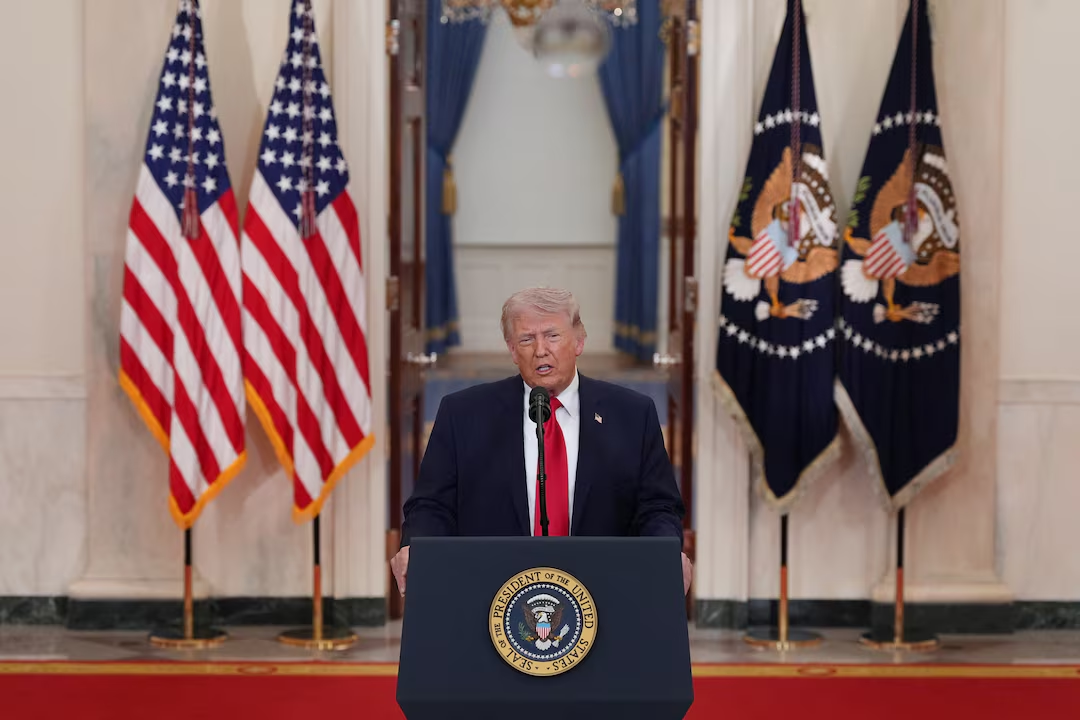
WASHINGTON, D.C. – President Donald Trump moved fast after a major setback at the U.S. Supreme Court. He announced and signed an executive order that places a new 10% tariff on imports from almost every country.
The order came only hours after the Court ruled 6-3 that many of his broad tariffs, created under the International Emergency Economic Powers Act (IEEPA), went beyond presidential power and therefore broke the law.
On February 20, 2026, the Court issued its decision in the combined cases Learning Resources, Inc. v. Trump and related challenges. The ruling wiped out tariffs put in place in 2025 under IEEPA.
Those measures included wide “reciprocal” duties starting at 10% on imports from most nations, with higher rates aimed at major partners such as China, Canada, Mexico, the European Union, Japan, and South Korea. The Court said IEEPA, a 1977 law meant to address foreign threats during national emergencies, does not give a president the power to set tariffs, a role the Constitution assigns to Congress under the revenue clause.
Chief Justice John Roberts wrote for the majority, joined by Justices Sotomayor, Kagan, Gorsuch, Barrett, and Jackson. Roberts said the IEEPA language that lets a president “regulate… importation” does not mean the president can tax imports through duties. “The statute contains no reference to tariffs or duties,” Roberts wrote. He also pointed to the major questions doctrine, rejecting broad claims of executive authority without clear direction from Congress.
The decision landed as a rare, cross-ideological pushback against Trump’s wide view of executive power, even from a Court that often leans conservative. Meanwhile, dissenting Justices Thomas, Kavanaugh, and Alito warned the ruling could trigger major disruptions. They also raised the prospect of refunds tied to previously collected tariffs, with estimates topping $160 billion, plus uncertainty for trade agreements shaped around those duties.
Trump’s Fast Reply: New 10% Tariffs Using Trade Act Power
Soon after the ruling, Trump attacked the decision as “deeply disappointing” and “a disgrace to our nation.” During a White House news conference and later posts on Truth Social, he criticized certain justices as “unpatriotic,” “fools,” and “disloyal to our Constitution.” Still, he said the decision would not derail his “America First” trade plans.
Then, within hours, Trump signed a new order based on Section 122 of the Trade Act of 1974, an uncommon tool that allows temporary tariffs of up to 15% for 150 days to address large U.S. trade deficits.
Under this authority, the administration set a 10% global tariff that applies widely. It also stacks on top of other duties that the Supreme Court ruling did not touch. Administration officials described the move as a short-term “bridge” meant to shield U.S. industries while the White House works on longer-term steps.
“This is just the beginning,” Trump said. “We have great alternatives, tremendous alternatives, and we’ll bring in more money for our country.” The new tariffs are expected to take effect quickly, possibly within days, adding another wave of uncertainty for global markets already reacting to the Court’s decision.
How the IEEPA Tariffs Rose, Then Fell
Trump’s latest tariff fight traces back to his return to office, when he framed trade deficits and issues like drug inflows as national emergencies. Using IEEPA, he rolled out the so-called “Liberation Day” tariffs in April 2025, aiming them at nearly every trading partner. The goal was to force changes tied to trade gaps, immigration enforcement, and fentanyl flows.
Importers, businesses, and some states challenged the measures in the U.S. Court of International Trade and the Federal Circuit. Those courts largely ruled against the administration, and the Supreme Court later took the case. With this decision, the Court reinforced a simple point: tariffs act like taxes, so they need clear approval from Congress, not broad emergency language.
At the same time, the ruling leaves other Trump-era tariffs in place when they rest on different laws, including:
- Section 232 of the Trade Expansion Act of 1962 (national security tariffs on steel, aluminum, and select goods)
- Section 301 of the Trade Act of 1974 (duties tied to unfair trade practices, often focused on China)
- Section 201 safeguards (short-term relief for domestic industries)
Because these tools require set processes, such as formal reviews and investigations, they remain available routes for the administration.
Where Trump Can Go From Here
After the Court blocked IEEPA as a tariff tool, legal and trade analysts pointed to several paths Trump could take to keep pushing his trade agenda:
- Widen Section 232 reviews: The administration could open new national security probes in more sectors, such as autos, semiconductors, or pharmaceuticals, which could support new tariffs or quotas.
- Use Section 301 more often: Claims of unfair practices, including subsidies, intellectual property theft, or currency issues, could support higher duties, similar to past actions focused on China.
- Ask Congress for new authority: Even with a divided Congress, Trump could push for legislation that gives clear tariff power tied to trade deficits or emergency conditions.
- Rely on Section 122 renewals or shifts: The current 10% tariff lasts up to 150 days, so Trump could seek an extension from Congress or move to other legal options.
- Pursue one-on-one deals: The White House could use tariff pressure to win concessions, then swap broad duties for country-specific agreements.
- Declare new emergencies under other laws: While IEEPA is now closed off for tariffs, other statutes, including possible Trading with the Enemy Act changes, could be tested, though new lawsuits would likely follow.
Analysts also warned that tougher tariff moves could bring retaliation, higher prices, supply chain trouble, and more disputes at the WTO. In addition, businesses that paid IEEPA-based duties may press for refunds, although lower courts will now handle much of that process.
Economic and Political Fallout
Together, the Court ruling and Trump’s quick response put the spotlight back on a long-running fight: how much control a president should have over trade, versus Congress. Supporters of the decision praised it as a firm defense of constitutional limits. Critics said it ties the administration’s hands as it tries to boost U.S. manufacturing.
Reactions overseas were mixed. Allies such as Canada and the EU signaled relief that the IEEPA tariffs were struck down, but they also raised concerns about the new 10% global levy. Markets dipped at first, then steadied, as investors waited to see how fast the new order would roll out and how other countries might respond.
For now, the next few weeks will show whether Trump can reshape his tariff strategy under other laws, or whether the Supreme Court has set a lasting boundary on one-sided trade action. Trump, however, has made clear he plans to keep pushing.
Trending News:
Creative Facebook Interactive Posts Ideas: Enhancing Engagement And User Experience
News
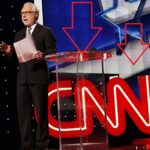
Supreme Court Orders CNN to Respond in High-Stakes Defamation Case
U.S. Supreme Court orders CNN to answer the ACLJ’s certiorari petition over alleged misstatements about Alan Dershowitz’s Senate impeachment trial comments.
WASHINGTON, D.C. – The U.S. Supreme Court has directed CNN to file a response in a defamation dispute that grew out of President Donald Trump’s first Senate impeachment trial.
The order follows a petition for a writ of certiorari from the American Center for Law and Justice (ACLJ), which claims CNN allegedly aired falsehoods and distorted commentary about constitutional lawyer Alan Dershowitz and what he said during the 2020 proceedings.
The Court issued its instruction in mid-February 2026. It sets a response deadline in mid-to-late March. CNN had first waived its right to respond, but the justices still required a filing. Court-watchers often see this step as a signal that the Court is paying close attention, especially in cases that press on the rules for defamation claims by public figures.
Background: The 2020 Impeachment Trial and Dershowitz’s Argument
This dispute goes back to January 29, 2020. That day, Alan Dershowitz, then a Harvard Law School professor emeritus, appeared as part of Trump’s defense team in the Senate impeachment trial. During an exchange tied to foreign policy and quid pro quo claims, he laid out his view of what counts as an impeachable offense under the Constitution.
Dershowitz separated presidential motives into three broad buckets:
- Actions taken in the public interest
- Actions taken for electoral interest
- Actions tied to personal financial gain, which he described as “purely corrupt.”
He also said that personal gain would cross the line. He gave examples such as asking for a hotel named after him or seeking a million-dollar kickback in return for releasing funds. In other words, he said a president does not get a free pass for crimes. That qualifier sat at the center of his point, according to the filings.
The ACLJ says CNN and some of its commentators left out that key limiting language soon after the remarks aired. Within minutes, CNN headlines and segments allegedly framed Dershowitz as claiming that actions driven by re-election goals could not be impeachable, full stop. From there, critics on the network and online referenced what they called a “Dershowitz Doctrine,” suggesting it would excuse bribery, extortion, or other crimes if a politician said it helped their campaign.
Court filings cite examples such as:
- CNN contributor Paul Begala said the view would wipe out campaign finance laws, bribery laws, and extortion bans
- Other on-air and online statements repeating similar claims, even though the full video and transcript context was available
A federal district judge later remarked that “of course, Dershowitz said nothing of the kind,” adding that no “Dershowitz Doctrine” existed.
Dershowitz sued CNN for defamation in federal court in Florida. He argued the network intentionally twisted his words to harm his name and career. Still, lower courts dismissed the case under the long-running standard from New York Times Co. v. Sullivan (1964). That ruling requires public figures to prove “actual malice,” meaning the speaker knew the statement was false or acted with reckless disregard for the truth.
The ACLJ Takes the Fight to the Supreme Court
The ACLJ, led by Chief Counsel Jay Sekulow, filed its certiorari petition in late December 2025. Sekulow also served on Trump’s impeachment defense team. The group argues that today’s media environment makes New York Times v. Sullivan too protective, because it can allow false claims to spread with limited consequences.
In its petition, the ACLJ asks the Court to consider whether the actual malice rule still fits modern news coverage, where edits, omissions, and hot takes can spread quickly and shape public views before corrections land, if they land at all.
Sekulow called the Supreme Court’s order a “major” step in public remarks. He said CNN tried to sit the case out by waiving a response, but the Court required one. The ACLJ also casts the dispute as part of a broader push for media accountability, especially around coverage it views as hostile to conservative positions or to lawyers defending constitutional arguments. Alongside the case, the group has promoted an online petition that it says has drawn tens of thousands of signatures.
CNN’s View and Why This Case Matters
CNN has not filed its required response yet. However, its earlier waiver suggested it saw the petition as weak. Many legal scholars point out that New York Times v. Sullivan is a core First Amendment decision. It aims to protect tough reporting and open debate about public officials, even when coverage is sharp or mistaken.
If the Supreme Court were to narrow or rework the actual malice standard, it would mark one of the biggest shifts in U.S. defamation law in decades. Supporters of change say it could discourage reckless reporting and repeat misstatements. Critics warn it could invite meritless suits, raise legal risks for journalists, and chill investigative work.
The case also puts a spotlight back on coverage of Trump’s first impeachment. That episode focused on claims that Trump pressed Ukraine to investigate political rival Joe Biden while holding up military aid, a quid pro quo Democrats said warranted impeachment.
Dershowitz, a Democrat and longtime civil liberties advocate, has said his comments were about the legal threshold for impeachment. He maintains he was not defending misconduct.
What Comes Next
CNN’s filing will likely argue its coverage reflected a fair interpretation during a heated public debate and did not meet the actual malice bar. After CNN responds, the ACLJ will have a chance to reply.
The Supreme Court will then decide whether to grant certiorari and hear the case. If the justices take it, the matter could move to briefing and oral argument in the 2026 to 2027 term. A ruling could reshape how defamation claims work when public figures say media outlets misquote them or leave out key context.
For now, the dispute highlights the strain between press freedom and accountability, especially when political stakes run high. As one of the most-watched challenges tied to New York Times v. Sullivan in years, the outcome could affect how newsrooms cover controversial legal arguments for a long time.
Related News:
Supreme Court Hands Executive Branch a 6-3 Win on TPS Protections
-
Crime2 months agoYouTuber Nick Shirley Exposes BILLIONS of Somali Fraud, Video Goes VIRAL
-
China3 weeks agoChina-Based Billionaire Singham Allegedly Funding America’s Radical Left
-
Politics2 months agoIlhan Omar’s Ties to Convicted Somali Fraudsters Raises Questions
-
News3 months agoWalz Tried to Dodges Blame Over $8 Billion Somali Fraud Scandal
-
Crime2 months agoSomali’s Accused of Bilking Millions From Maine’s Medicaid Program
-
Crime2 months agoMinnesota’s Billion Dollar Fraud Puts Omar and Walz Under the Microscope
-
Politics2 months agoIlhan Omar Faces Renewed Firestorm Over Resurfaced Video
-
Business2 months agoTech Giant Oracle Abandons California After 43 Years