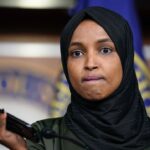


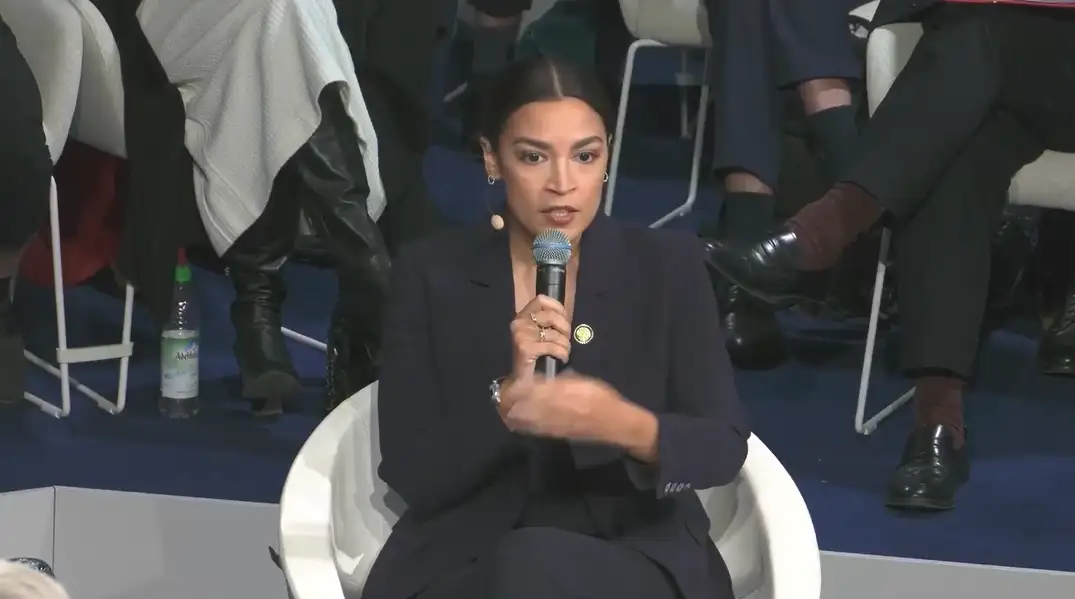

WASHINGTON, D.C. – Rep. Alexandria Ocasio-Cortez (AOC), a top progressive voice in the Democratic Party, drew global attention at the 62nd Munich Security Conference in February 2026. However, her debut on that stage quickly became a flashpoint.
Organizers invited her to talk about changes in U.S. foreign policy and the rise of authoritarian politics. She tried to offer a working-class-focused alternative to the Trump administration’s style.
Instead, several awkward moments and charged lines sparked criticism from conservatives, moderates, and even some Democrats. As a result, talk grew about possible weak spots if she pursues bigger plans, including a potential 2028 presidential run.
The conference ran from February 13 to 15, 2026. It brought together global leaders, including U.S. Secretary of State Marco Rubio, to discuss transatlantic security.
The agenda focused on alliances, migration, and major power rivalry. AOC joined panels on populism and U.S. foreign policy. Throughout, she argued that economic inequality links directly to the global rise of far-right movements.
Key moments that drove the AOC backlash
Several parts of Ocasio-Cortez’s appearance set off immediate pushback across the political spectrum:
- Taiwan’s defense hesitation
During a Bloomberg-hosted discussion, she was asked whether the United States should commit troops to defend Taiwan if China invaded. She paused for a noticeable moment, then gave a careful answer centered on deterrence and alliances. Critics called the exchange a “word salad” and said it showed she wasn’t ready for core national security questions. - Venezuela geography mistake
While talking about Latin America, she wrongly said Venezuela sits south of the equator (it’s in the Northern Hemisphere). The slip spread quickly online and in media coverage, and opponents questioned her grasp of basic geopolitics. - “Cowboy culture” jab at Rubio
She tried to respond to Secretary Rubio’s comments about the Spanish roots of American cowboy culture. In that context, she said Mexicans and descendants of enslaved Africans “would like to have a word.” Critics argued the line was historically off and flattened a complex history into a quick punchline. - Wider foreign policy framing
She linked U.S. aid to Israel to enabling “genocide” in Gaza. She also urged a progressive, class-first foreign policy as a way to push back on authoritarianism. Those positions energized many progressives. At the same time, they turned off centrists and some pro-Israel Democrats.
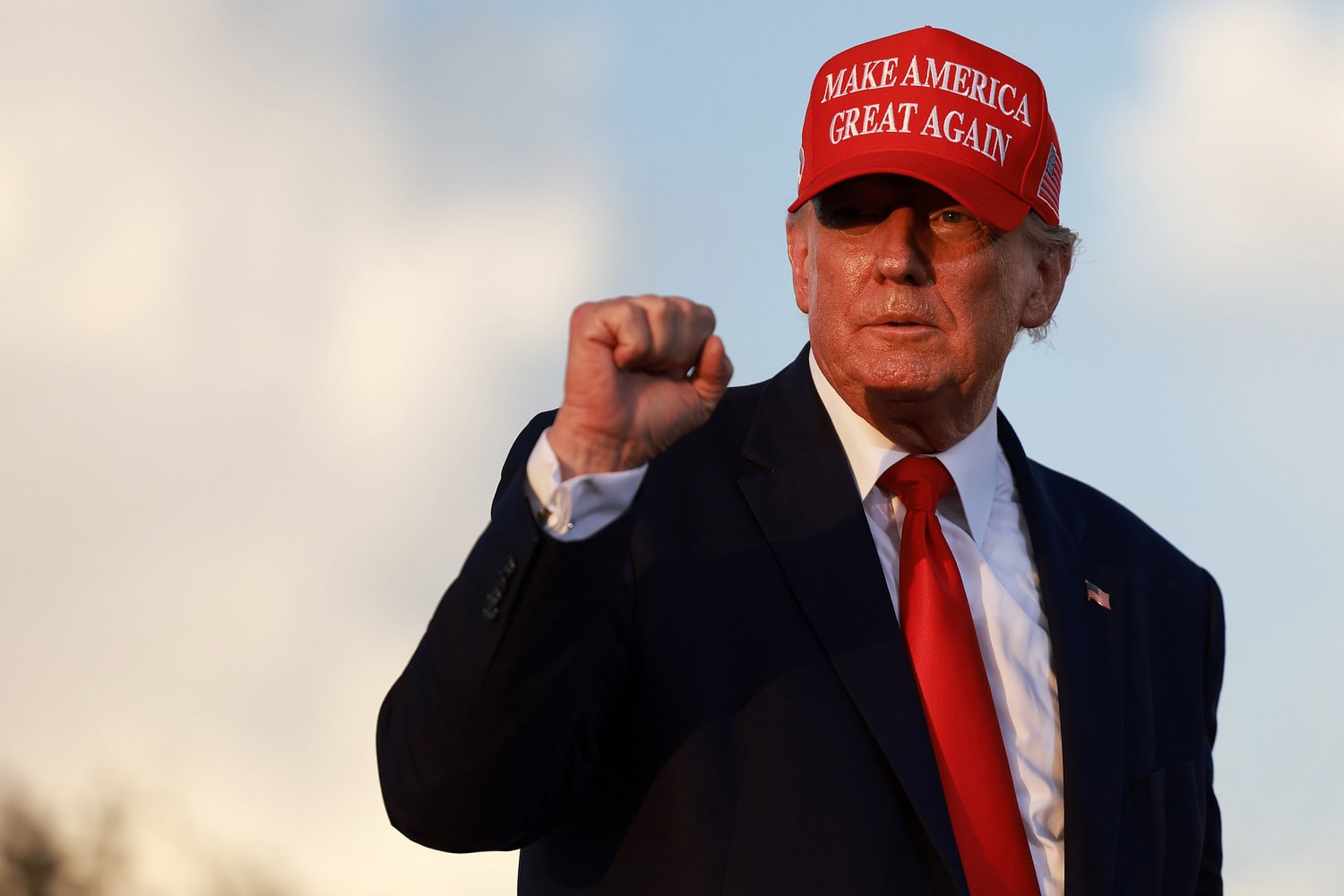
Republican voices moved fast. Strategist Matt Whitlock called the weekend an “absolute train wreck,” and he pointed to the Taiwan moment and her history references as the biggest problems. Former President Donald Trump and allies also boosted clips on social media, aiming to frame her as out of her depth on a world stage.
Criticism from the left and center-left
The blowback didn’t stay on the right. Some veteran Democrats and liberal commentators said the mistakes were avoidable and distracting.
- New York Democratic strategist Hank Sheinkopf said the appearance showed “a complete lack of chops about international issues,” and he added it wasn’t “ready for prime time.”
- Moderate and left-leaning voices, including social media commenters and opinion writers, admitted the Taiwan answer “was not great” and could hurt her credibility.
- Even some progressive outlets said the stumbles pulled focus from her main point, that inequality fuels far-right populism.
In later interviews, Ocasio-Cortez defended the trip and pushed back on the idea that it was about personal ambition. “I went to Munich not because I’m running for president,” she told The New York Times, “but because we need to address runaway inequality.”
What it could mean for her political future
After Munich, attention on Ocasio-Cortez’s national path only grew. As a leading member of “The Squad” with a large online following, she has a loyal base. Still, she also faces ongoing questions about whether she can expand beyond progressive voters, especially on foreign policy.
- Near-term downside
The missteps give opponents ready-made clips for future campaigns. They could also make fundraising and endorsements harder with establishment Democrats who worry about national security gaps. - Longer-term staying power
Supporters argue the reaction reflects discomfort with her class-based challenge to elite foreign policy thinking. They also point to her joint appearance with Rep. Jason Crow (D-Colo.), where she promoted a “working-people” approach. In contrast, Rubio leaned into messages focused on migration and borders. - National-level math
Analysts say her base turnout remains strong. However, broader viability often requires steady command of tough topics, including China policy and Middle East conflicts.
Overall, the Munich episode highlights a familiar challenge for progressive leaders who step into national security debates. With global tensions high, any sign of inexperience can carry a real political cost.
Ocasio-Cortez has faced controversies before and often turns criticism into motivation for her supporters. Whether Munich slows her down or fires up her base is still unclear. Even so, it marked a high-stakes test of her first major foreign policy appearance.
In the days after the conference, she said she was frustrated that coverage of “slip-ups” drowned out her warnings about authoritarianism. Yet the wide pile-on from both parties suggests the moment may stick in the public memory as her profile continues to grow.