

TERRAN – Iran is reeling after a wave of US-Israeli strikes that started on February 28, 2026. The operation killed long-time Supreme Leader Ayatollah Ali Khamenei and threw the Islamic Republic into crisis.
Days later, clerics quickly elevated his son, Ayatollah Mojtaba Khamenei, as the next supreme leader. Now, US President Donald Trump says Mojtaba is likely dead or severely incapacitated.
At the same time, the government is holding on through force. The Islamic Revolutionary Guard Corps (IRGC) has intensified violence inside Iran to crush dissent and stop a broader revolt.
Reports describe mass arrests, executions, and threats of deadly retaliation against protesters. Meanwhile, repeated airstrikes have badly damaged Iran’s air defenses and other key military systems.
Ali Khamenei Killed, Then a Fast and Controversial Succession
On February 28, 2026, US and Israeli forces launched a major attack on high-value targets across Iran. The strikes hit the supreme leader’s compound in Tehran early in the campaign. Ayatollah Ali Khamenei, Iran’s leader since 1989, died in the first wave. Several family members reportedly died as well.
Soon after, the Assembly of Experts, an 88-member clerical body, met under emergency conditions. On March 8, it named Mojtaba Khamenei, 56, as the new supreme leader. That rapid father-to-son handoff broke long-standing clerical norms that reject dynastic rule. It also ran against what many Iranians expected.
Even then, Mojtaba kept a low profile. He released only written statements and never appeared on video. As a result, rumors about his status spread quickly.
Trump Says Mojtaba Khamenei Is “Most Likely Dead”
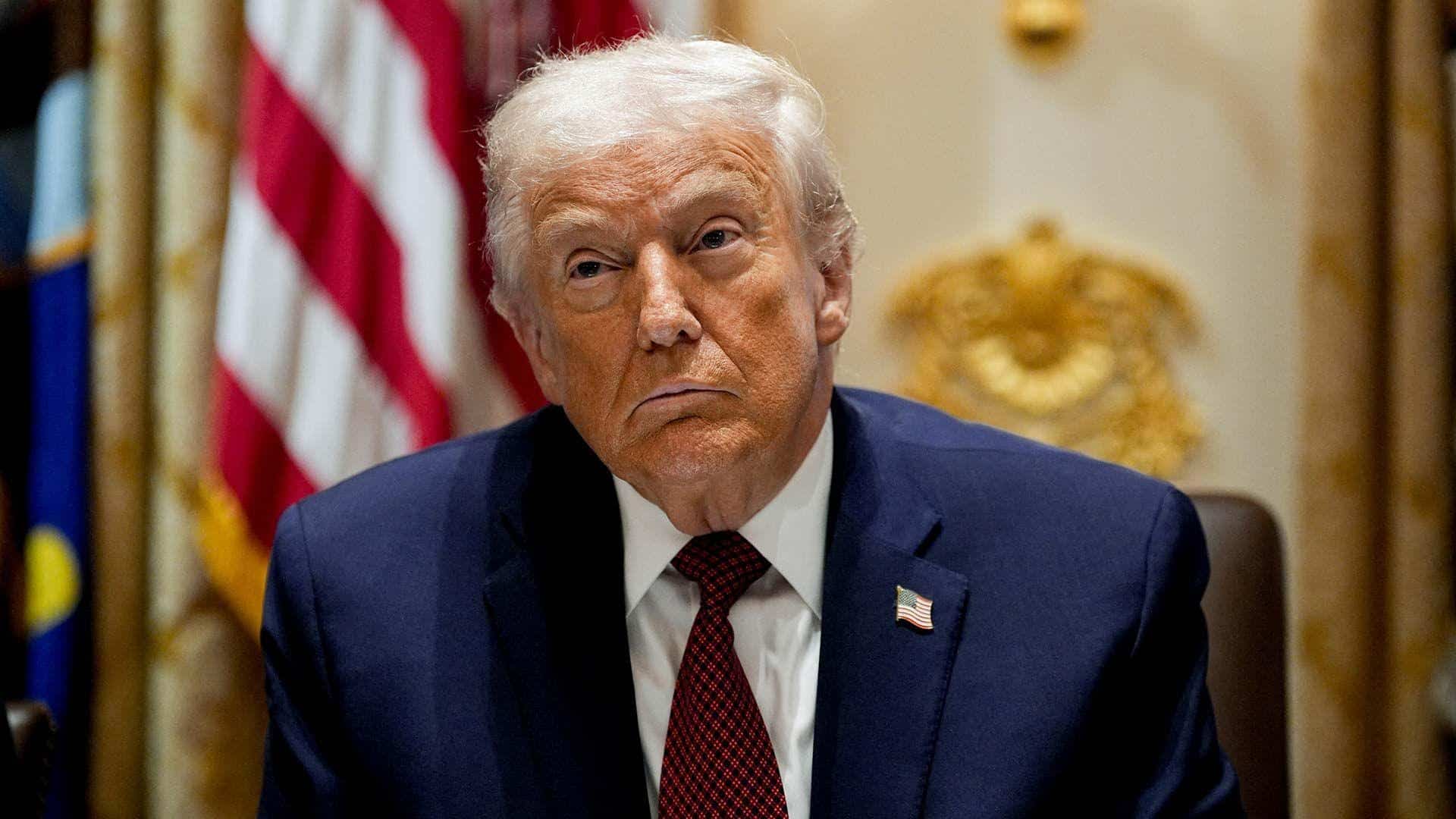
In interviews and on social media, President Donald Trump has repeatedly cast doubt on Mojtaba Khamenei’s survival. Trump said he is “hearing he’s not alive” and called the reports credible. He also said that if Mojtaba is alive, he should “surrender” for the good of the country.
Earlier, Trump criticized the appointment as “unacceptable.” He also suggested Mojtaba would not last without US approval. Other US officials echoed parts of that message. Defense Secretary Pete Hegseth, for example, said Mojtaba was wounded and “likely disfigured” during the strikes that killed his father.
Iranian leaders reject those claims. Foreign Minister Abbas Araghchi said there is “no problem” with the supreme leader and insisted Mojtaba is carrying out his role. Still, there have been no verified public appearances. Because of that, speculation has only grown, including claims that he is in a coma or in hiding.
With no clear proof either way, top-level decision-making has slowed. That uncertainty also leaves Iran more exposed as the attacks continue.
Unrest Spreads Across Iran as Security Forces Crack Down
Iran is seeing broad unrest. Protests broke out after Ali Khamenei’s death, and security forces responded with harsh crackdowns. The IRGC and the Basij have reportedly killed dozens. Officials have also warned they will escalate further if demonstrations return.
- Threats, arrests, and executions: Authorities have warned that public criticism could bring immediate death, framing dissent as “wartime treason.”
- Internet shutdowns: Nationwide blackouts have disrupted communication, while thousands have reportedly been detained.
- Growing splits inside society: State-backed crowds have held rallies and chanted “Death to America.” At the same time, opposition voices have praised the strikes and called them a step toward freedom.
The government appears focused on stopping a mass uprising. As military losses rise, some IRGC commanders have promised reprisals “stronger than January 8” if protests surge again.
US-Israel Strikes Hit Iran’s Military, Missiles, and Command Structure
The US-Israeli campaign has targeted Iran’s military backbone in a steady series of raids.
- Missile forces weakened: Strikes reportedly destroyed many launchers and production sites, cutting ballistic missile launches by as much as 86% from early levels.
- Air and naval assets damaged: Attacks hit hundreds of sites, including air defenses, naval bases, and vessels such as the IRGC frigate Jamaran. Iran’s air force and navy are now widely described as largely neutralized.
- Senior leaders killed: Dozens of high-ranking commanders reportedly died. The strikes also hit parts of Iran’s nuclear and missile programs that had been rebuilt after earlier 2025 clashes.
- Key facilities destroyed: Trump said a raid “totally obliterated” military facilities on Kharg Island, disrupting oil exports and logistics routes.
US defense assessments say Iran still has some missile stockpiles. Even so, its ability to strike back appears sharply reduced. The Strait of Hormuz remains a concern, although Iran’s capacity to enforce threats there looks weaker.
These attacks follow the 2025 strikes on nuclear-linked sites. Taken together, they have left Iran’s defenses in their worst shape in decades.
Where Iran Goes From Here
As the war moves into its third week, the regime’s grip looks less secure. With no visible supreme leader and major defenses damaged, internal power struggles could intensify. Hardliners still depend on the IRGC to keep control, yet prolonged instability increases the risk of revolt or state fragmentation.
President Trump has signaled he could end the conflict quickly. However, he has also pushed for major concessions or a change in Iran’s leadership. Israel, for its part, says it will keep striking until it removes the threats it sees.
For everyday Iranians, conditions are deteriorating fast. Disrupted oil flows raise the risk of economic collapse. Airstrikes continue to cause casualties, and repression at home remains severe. Whether Mojtaba Khamenei is alive or dead, the Islamic Republic is facing its most dangerous test in decades.