Politics
Adam Schiff Told to ‘Resign’ After Whistleblower Claims, FBI Opens Investigation

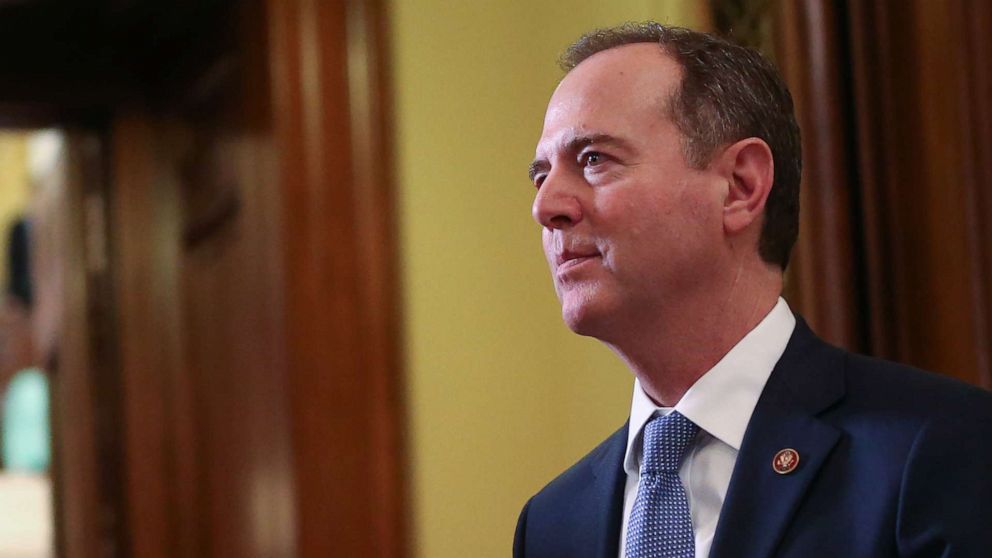
WASHINGTON, D.C. – New controversy is building around California Senator Adam Schiff. A Democratic whistleblower has accused him of approving the release of classified information. According to the claim, the leaks were meant to hurt then-President Donald Trump during the early stage of the Russiagate probe.
The allegations came to light after FBI Director Kash Patel declassified a set of memos. Those records summarize interviews with a longtime Democratic staffer from the House Intelligence Committee. The whistleblower says Schiff, who led the committee at the time, signed off on leaks that could help build a case against Trump.
What the Whistleblower Alleged
The source is described as a career intelligence officer who worked with Democrats on the committee for more than 10 years. The person spoke with the FBI in 2017 and again in 2023.
According to the declassified FBI 302s:
- Schiff allegedly directed staff to leak classified details tied to Russia and Trump.
- The purpose, the whistleblower said, was to damage the president and possibly help support an indictment.
- The source described the effort as “illegal, unethical, and treasonous.”
- The whistleblower also claimed Schiff expected to become CIA director if Hillary Clinton won in 2016 and was angry when Trump won instead.
Supporters of the claims say the memos describe more than idle talk. In their view, they point to an organized leak effort led from the top.
White House Responds Forcefully
The White House moved quickly to address the story. Press Secretary Karoline Leavitt called the allegations a “bombshell” and referred to the newly declassified records during a press briefing.
“This is obviously a bombshell whistleblower,” Leavitt said. She added that the whistleblower had warned the FBI back in 2017.
Trump has accused Schiff for years of pushing false Russia collusion claims. Now, people close to the administration say the new documents warrant action.
“I’ve asked for Senator Schiff to resign. You should resign immediately,” one administration ally said after the claims surfaced.
Main Figures and Timeline
Here are the central details:
- The whistleblower: A longtime Democratic staffer with deep experience on the House Intelligence Committee. Spoke with the FBI in 2017 and 2023.
- Adam Schiff: Then-chairman of the House Intelligence Committee, now a U.S. senator from California. He is accused of authorizing leaks.
- Kash Patel: The current FBI director who declassified the memos and sent them to Congress.
- When it happened: The alleged leaks date back to 2017, during the early phase of the Russiagate investigation. The whistleblower says warnings were ignored.
- Why it matters: The story connects to the long-running fight over how the Russia investigation began, a probe Trump supporters often call a hoax.
The whistleblower also reportedly refused to take part in the leaking and later faced fallout for resisting.
Pressure for Resignation Builds
Republicans and conservative commentators have been direct. They argue Schiff should step down at once if the allegations prove true.
A common refrain has been: “Schiff urged to ‘resign immediately’ after bombshell allegations revealed.”
Critics say leaking classified information to damage a sitting president crosses a clear line. Some former law enforcement officials said the conduct, if verified, could amount to a crime.
“If this is true, this is absolutely shocking,” one former FBI special agent said. A leak campaign meant to smear or help indict a president, the former agent added, should worry Americans of any political stripe.
Schiff has heard similar accusations before. Republicans have long claimed he leaked classified material. This time, however, the claims come from someone described as a fellow Democrat, and that gives the story added weight for many observers.
Adam Schiff Denies Wrongdoing
Adam Schiff has strongly rejected the allegations. He has called them false and politically driven. In earlier statements, he denied any misconduct and pointed to his long history in intelligence matters.
So far, no charges have been filed. The story is still unfolding, and more reviews or inquiries could follow.
Some coverage has also mentioned separate scrutiny involving alleged mortgage fraud, but that matter is unrelated to the leak claims.
For now, many Democrats have either stayed quiet or defended Schiff as the target of partisan attacks. They also note that Russia-related matters were examined at length during the Mueller investigation.
Why the Story Matters Beyond Washington
This goes beyond another political fight in the capital. Classified leaks can put national security at risk. They also weaken public trust in Congress and in the intelligence system.
If a lawmaker approved the release of sensitive information for political gain, that raises larger concerns about power and accountability.
Americans across the political spectrum want investigations to be fair. They also expect intelligence tools not to be used as political weapons.
Patel’s declassification has brought old warnings from 2017 back into public view. As a result, the release has revived arguments over the roots of Russiagate and whether officials bent the rules.
Background on Adam Schiff
Schiff spent more than 20 years in the House before winning a Senate seat in 2024. He became a national figure as one of Trump’s most vocal critics and as a leading voice in impeachment efforts.
His supporters view him as a serious defender of oversight. His critics see him as someone who pushed Russia collusion claims too far.
The whistleblower’s account also fits into a longer pattern of Republican complaints. Back in 2019, House Intelligence Republicans called for Schiff to step down as chairman over his handling of Russia-related issues.
What Could Happen Next
Congress could take a closer look. Lawmakers may push for hearings, subpoena witnesses, or request that more records be declassified.
The Justice Department could also face pressure to review the matter. Leaking classified information is a serious federal offense.
At the moment, Schiff is under growing pressure in conservative media and across social platforms. Calls for his resignation have become louder.
Public reaction has been split but intense. Some people want full transparency right away. Others worry the story could pull attention from other major issues.
Bigger Impact in Washington
Stories like this show how deep the distrust runs between the two parties. Confidence in major institutions has taken repeated hits over the years, from Russiagate to other high-profile disputes.
Because the whistleblower reportedly worked for Democrats, some people see the claims as more credible than a typical partisan attack. In their view, that changes the tone of the story.
Still, allegations alone are not proof. Evidence matters, and due process matters too.
Analysts say the case echoes years of similar accusations aimed at Schiff. Yet this round feels different to many people because the claims appear in declassified FBI memos.
Public and Expert Response
- Conservative media figures and Trump allies say the memos support claims of a deep-state effort against the president.
- More neutral observers urge patience until more facts are confirmed.
- Former intelligence officials warn that leaking classified material can expose sources and methods.
One point stands out: the story keeps returning because it touches a basic issue, trust in government.
As more information comes out, the public will keep watching. Many want to know whether this leads to real consequences or fades into another round of political noise.
For Schiff, the renewed attention is damaging. The whistleblower’s claims cut at his image as a careful steward of sensitive information.
This developing controversy has put accountability front and center. If the allegations are proven, approving leaks to damage a president would mark a serious abuse of power.
Even without charges, the declassified memos have forced the issue back into public debate. Voters expect leaders to follow the same rules, no matter their party.
Congress, the FBI, and the media will keep sorting through the claims. In the end, the facts will matter most.
Trending News:
Tulsi Gabbard’s Explosive Revelations on Russia Collusion Hoax Shake Washington


Canada’s $82,000 Per Household Debt Crisis Sparks Outcry

The Fallout of the Omar Raid: Guilty Until Proven Innocent?

DOJ Guidelines on Political Investigations: Rules Explained

RCMP Raids Lion Electric Amid $500M Taxpayer Fraud Probe

Carney’s US Trade War a Failure: Cost Shoppers $100M Weekly

Food Bank Lines Surge in Canada While Carney Pushes Foreign Aid

EU Parliament Erupts Over Canada’s Associate Member Bid

David Eby Campaign Stumbles Amid Mailer Scandal

Alberta Referendum Results Shift as Vote Tally Continues

Fedeal Investigators Obtain Ilhan Omar’s DNA
Opinion: Is Modern Political Empathy Really About Self-Image?
Opinion: Canada’s Combating Hate Act Threatens Free Speech
US Trade Moves Put Massive Pressure on Canada

How Progressivism Replaced Religion With A New Secular Faith
Canada Sheds 68,000 Jobs As Economic Fears Deepen

Uncovering the Truth Behind Inequality: A Bold New Vision
Pierre Poilievre Critiques Reporter Who Questions His Leadership

Opinion: What South America’s Political Shift Means for Canada

Why Alberta Separatist Leaders Say It’s Time to Leave Canada

Quebec Election 2026: Will the Province Leave Canada?


-

 News9 months ago
China-Based Billionaire Singham Allegedly Funding America’s Radical Left
-
Politics10 months ago
2026 Midterms Guide: Candidates, Key Issues, and Battleground States
-
Politics8 months ago
Ilhan Omar’s Connections to Convicted Somali Fraudsters Surface
-
Politics9 months ago
CNN Delivers Stark Reality Check to Democrats Over Voter ID
-
Politics8 months ago
Rep. Ilhan Omar Faces Heat as Minnesota Voters Seek Change
-
Politics9 months ago
Trump Approval Rating (February 2026 Poll Results, Approve vs Disapprove)
-
Politics10 months ago
Who Is Leading the Democratic Party in 2026?
-
United States10 months ago
Mosque Set Ablaze in Iran a Citizens Revolt Against the Islamic Regime