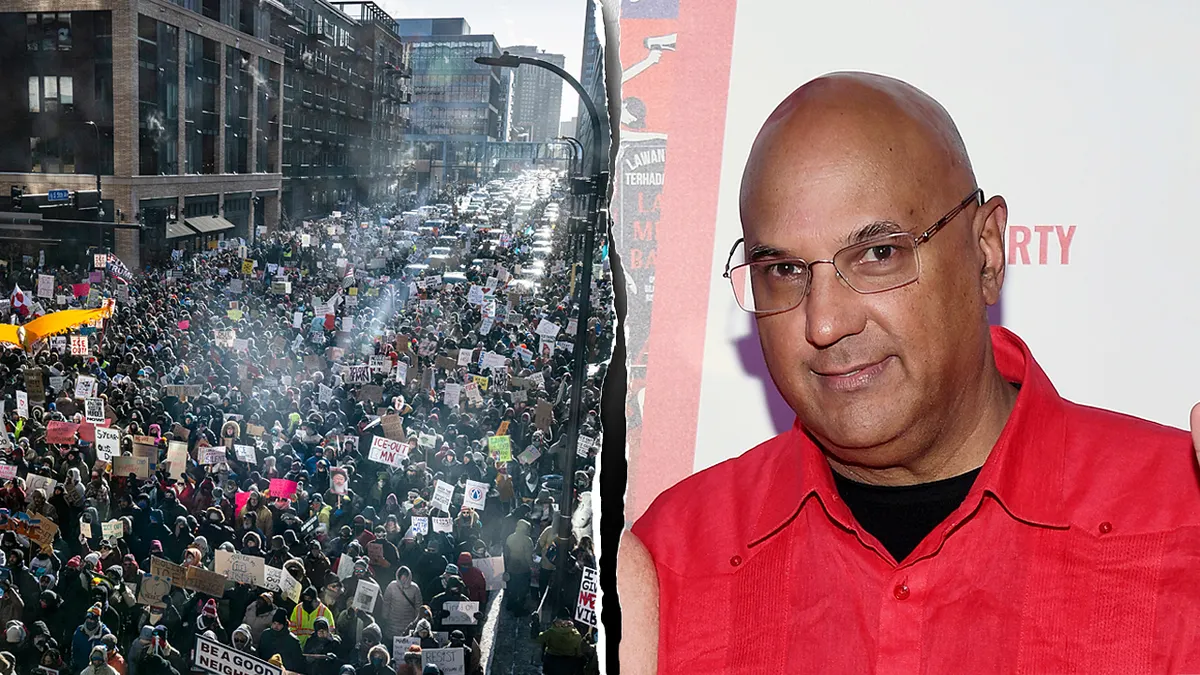


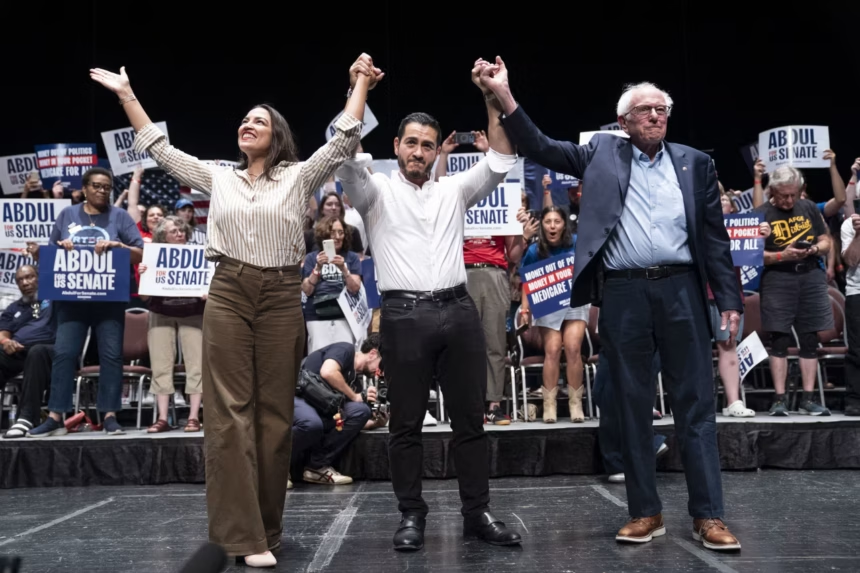


WASHINGTON, D.C.– The fight over the Democrats’ 2026 message is already giving Republicans new campaign material. The Democratic Socialists of America (DSA) has promoted its “Workers Deserve More” platform, while Democratic leaders are emphasizing affordability, health care, jobs, and corruption.
The distinction matters. DSA doesn’t speak for every Democrat, yet voters in competitive districts may connect mainstream candidates with proposals they reject. That branding risk could cost Democrats support if Republicans turn activist goals into simple attack ads.
Key Takeaways
- DSA’s platform reaches beyond economic progressivism into major constitutional and institutional changes.
- Republicans can use national activist proposals against moderate Democratic candidates.
- Affordability, wages, health care, and child care may have broader appeal in swing districts.
- A left-wing agenda could energize young voters, renters, labor members, and activists.
- The result will depend on candidate discipline, turnout, the economy, and message clarity.
Why Democrats’ Far-Left Agenda May Cost Them the 2026 Midterms
Republican campaigns don’t need to prove that every Democratic candidate supports the DSA platform. They only need to make the association feel plausible.
National party labels often overpower local distinctions. A candidate who talks about lowering prescription drug costs may still face an advertisement featuring abolishing ICE, universal rent control, or eliminating the Senate. In a close House race, one controversial clip can dominate television coverage, social media, and debates.
The DSA’s influence is a separate issue from the official Democratic platform. Still, the group is seeking a larger role inside Democratic politics, according to CNN’s report on DSA’s 2026 strategy. That visibility gives Republicans an easy way to present the party as more radical than many nominees claim.
The DSA platform reaches beyond traditional progressive policies
The “Workers Deserve More” platform reportedly calls for abolishing ICE, legalizing migration, canceling student debt, and creating Medicare for All without premiums or deductibles. It also includes universal rent control, free public higher education, a 32-hour workweek, a Green New Deal, and higher taxes on wealthy individuals and corporations.
Those ideas could attract younger voters, renters, union members, and people frustrated with medical debt or high tuition. The DSA’s national organization says it has more than 100,000 members and chapters across all 50 states.
However, moderate voters may see some proposals as expensive, disruptive, or difficult to pass. That reaction won’t apply equally in every district, but uncertainty can hurt candidates who need independent voters.
Structural changes could make the message harder to defend
Economic proposals can be debated through monthly costs and household benefits. Constitutional changes create a different campaign problem.
Reports describe DSA proposals for a new constitution, proportional representation, an end to the Senate filibuster, and replacing the Electoral College with a national popular vote. The platform also supports statehood for Washington, D.C., expanded voting rights, and limits on the Supreme Court’s role. Some DSA figures have also called for abolishing the Senate or eliminating prisons.
PBS NewsHour’s coverage of the platform details several of those structural proposals. Republicans can frame them as an attempt to rewrite the rules of American government, even when a local candidate has never endorsed them.
The Democrats’ 2026 Affordability Message Faces a Far-Left Branding Problem
Democratic leaders are trying to center the 2026 campaign on lower housing costs, groceries, child care, prescription drugs, and health care. Progressive lawmakers have also promoted a New Affordability Agenda with universal down payment support for first-time homebuyers, federally funded community-run child care, limits on corporate control of seed patents, and stronger overtime pay.
That message addresses problems voters experience every week. Yet Republicans may group those proposals with DSA’s calls for public ownership, sweeping immigration changes, and constitutional restructuring. The policy differences are real, but campaign branding can blur them.
Why cost-of-living issues may be safer for swing-district candidates
A voter may disagree with a candidate on political institutions and still support lower medical bills. The same voter may favor stronger overtime pay while worrying about tax increases.
That is why practical economic proposals can help Democrats build wider coalitions. Candidates can connect first-time homebuyer support to a local housing shortage, or explain community child care through long waitlists and monthly fees. They still must show how those plans would be funded, administered, and approved by Congress.
Voters often respond better to a specific promise than a broad ideological slogan. A candidate who says how much a policy costs and who qualifies gives opponents less room to define the plan.
How Republicans can turn national activist goals into local campaign attacks
Republicans are likely to focus on taxes, government spending, immigration, crime, public ownership, and constitutional changes. A single proposal may become the defining issue if an opponent can present it in one sharp sentence.
The impact will vary by district. A progressive urban seat may reward bold positions, while a suburban or working-class district may punish them. Candidate quality, the Republican challenger, national economic conditions, and turnout will also shape the result.
Current forecasts and polling are already being watched closely across House and Senate battlegrounds. Voters can follow 2026 midterm election polls as nominees emerge and campaigns sharpen their messages.
What the 2026 Midterms Will Reveal About Democrats’ Coalition
The Democratic coalition includes progressive activists, labor voters, younger Americans, suburban moderates, independents, and working-class communities. Those groups often agree on economic pressure, but they may disagree on immigration, public safety, foreign policy, and institutional reform.
A stronger left-wing agenda could increase primary turnout and attract volunteers, small-dollar donors, and new voters. Bold policies can create enthusiasm when supporters believe conventional politics has ignored them.
Progressive policies may motivate voters who feel ignored
Younger voters and renters may welcome stronger action on housing, student debt, climate change, and health care. Union members may respond to wage increases, shorter workweeks, and overtime protections.
The same clarity can help candidates build a volunteer network. Supporters have a reason to organize when a campaign offers a clear answer to a problem they face. That enthusiasm doesn’t guarantee that Congress will pass the proposals, but it can improve participation.
Moderate and independent voters may focus on risk and results
Independent voters may judge candidates by whether their plans seem affordable, realistic, and connected to daily life. Concerns about higher taxes, government control, immigration policy, public safety, debt cancellation, and major institutional changes can outweigh ideological excitement.
Candidates in competitive districts may distance themselves from national activist groups. Others may stress their own records, local projects, bipartisan votes, and economic priorities. The party’s coalition will depend on whether those candidates can appeal to moderates without losing progressive energy.
Can Democrats Avoid a 2026 Backlash Without Losing the Progressive Base?
Democratic candidates face a difficult choice. They may need to defend popular goals, such as lower health care costs and stronger wages, while rejecting proposals Republicans can present as radical.
The risk grows when economic messaging is weak, policy details remain unclear, candidates appear unpopular, or campaigns fail to separate local priorities from national activist demands. Still, a backlash isn’t guaranteed. The economy, the president’s approval rating, and Republican performance will matter just as much.
A clear affordability plan could reduce the risk
Candidates can narrow their message to measurable goals and explain funding in plain language. Each proposal should connect to a household concern, such as rent, child care, medical bills, wages, or homeownership.
They also need to compare promises with legal limits, projected costs, and likely congressional support. Specific results give voters a basis for judgment and make it harder for opponents to fill gaps with speculation.
The party’s final message may matter more than the primary debate
Primary campaigns, activist platforms, convention speeches, and national coverage will shape public perceptions before the general election begins. Democratic nominees may then build a separate identity around local issues, public safety, economic concerns, and bipartisan results.
Republicans will still tie those nominees to the most controversial proposals, whether or not the candidates endorse them. The success of that strategy will depend on how clearly Democrats explain what they support and what they reject.
Conclusion
The central risk is a perception that Democrats care more about sweeping ideological change than immediate economic problems. DSA’s far-left platform and the mainstream Democratic affordability message are different, yet Republicans can present them as part of one national agenda.
The outcome will depend on candidate discipline, voter priorities, turnout, the economy, and message clarity. The agenda could cost Democrats in competitive races, but it could also energize the party’s base if candidates present progressive goals as practical, affordable, and achievable.
Trending News: