
Canada
Canada Accused of Harboring IRGC Members While US Battles Iran

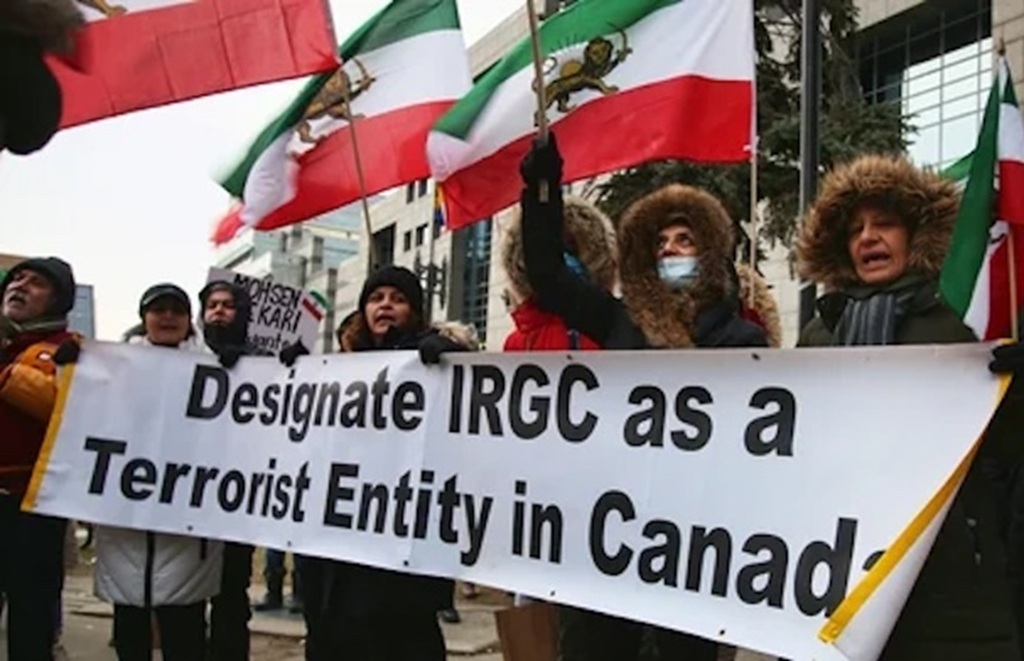
OTTAWA — For years, Canada has been known as a welcoming land for those fleeing oppression. But today, a darker narrative is emerging. The federal government is facing intense pressure over allegations that members of Iran’s Islamic Revolutionary Guard Corps (IRGC) are not just visiting Canada, but living comfortably within its borders.
From the halls of Parliament to the quiet suburbs of British Columbia, the question is being asked: How did members of a designated terrorist group get into the country, and why are they still here?
In June 2024, the Canadian government made a landmark decision. It officially listed the IRGC as a terrorist entity under the Criminal Code. The move was meant to be a hammer blow, allowing police to charge anyone providing material support to the group and giving banks the power to freeze their assets.
However, nearly two years later, critics say the “hammer” has barely made a dent. Recent parliamentary hearings have revealed some startling figures:
- 24 individuals have been deemed inadmissible to Canada due to their ties to the IRGC.
- As of March 2026, only one person has been successfully deported.
- Three deportation orders have been issued in total.
- Eight cases remain stuck in the legal system, with many individuals fighting to stay.
Public Safety Minister Gary Anandasangaree recently found himself in the “hot seat” before a parliamentary committee. While he promised that “every single individual” linked to the IRGC would be removed, the slow pace of the process has left many Canadians—especially the Iranian diaspora—feeling betrayed.
The Shadow of “Sleeper Cells” and Transnational Repression
The concern isn’t just about retired officials living on pensions. Security experts and intelligence analysts warn that Canada has become a “hub” for Iranian activity. There are growing fears that IRGC sympathizers are acting as “sleeper cells,” monitoring and harassing Iranian dissidents who moved to Canada to find safety.
One recent case has sent shockwaves through the community. Masood Masjoody, a mathematics professor and vocal critic of the Iranian regime, went missing in British Columbia in February 2026. His remains were later found in Mission, B.C.
While police have charged two individuals with his murder, the Iranian-Canadian community believes the motive is political. Activists claim Masjoody had been under threat for months after trying to expose alleged IRGC affiliates living in Canada. The RCMP is currently investigating whether his activism played a role in his death.
Why Is It So Hard to Kick Them Out?
If someone is a member of a terrorist group, why can’t they be deported immediately? The answer lies in Canada’s complex legal system and the messy reality of Iranian history.
- The Conscription Problem: For decades, Iran has had mandatory military service. Many Iranian-Canadians were forced to serve in the IRGC as young men. The Canada Border Services Agency (CBSA) must distinguish between a high-ranking official who chose the regime and a low-level conscript who had no choice.
- Due Process: Canada’s legal system allows individuals to appeal deportation orders. These hearings can take years as lawyers argue over whether the person actually participated in “terrorist activities” or was merely a bureaucrat.
- Human Rights Concerns: Canada generally does not deport people to countries where they might face torture or death. This creates a “legal limbo” for some regime members who are unwanted in Canada but protected by international law.
A Growing Political Firestorm in Canada
The opposition Conservatives have seized on the issue, accusing the Liberal government of being “soft” on the Iranian regime. Conservative Leader Pierre Poilievre has repeatedly questioned why it took so long to list the IRGC as terrorists and why the government hasn’t moved faster to freeze their assets.
“I want to know how many terrorists are in Canada,” one Conservative MP asked during a recent committee meeting, highlighting the frustration shared by many.
The pressure isn’t just domestic. U.S. intelligence officials have reportedly identified Canada as a “serious place of concern” for Iranian activity. They worry that IRGC networks in Canada could be used to target not only dissidents but also Jewish communities and critical infrastructure.
The Human Cost
For the thousands of Iranians who fled to Canada after the 2022 “Woman, Life, Freedom” protests, the presence of regime members is a source of constant anxiety.
“We came here to be free from them,” said one local activist who asked to remain anonymous. “To see them in our grocery stores, in our parks, while our friends back home are being executed—it’s a slap in the face.”
The government maintains it is doing everything it can. Minister Anandasangaree insists that the process is “aggressive” and that the rule of law must be followed. But as the legal battles drag on and the list of “inadmissible” individuals grows, the clock is ticking.
The CBSA is currently investigating hundreds of tips regarding alleged IRGC members. As more cases move toward the Immigration and Refugee Board, the government will be under a microscope.
If Canada cannot speed up the removal of those it has labeled as security threats, it risks more than just political embarrassment. It risks losing its reputation as a haven and becoming, as some fear, a sanctuary for the very people its citizens are trying to escape.
Related News:
US-Israel Defensive Against Iran Exposes the Weak Leadership of Canada, France, and the UK
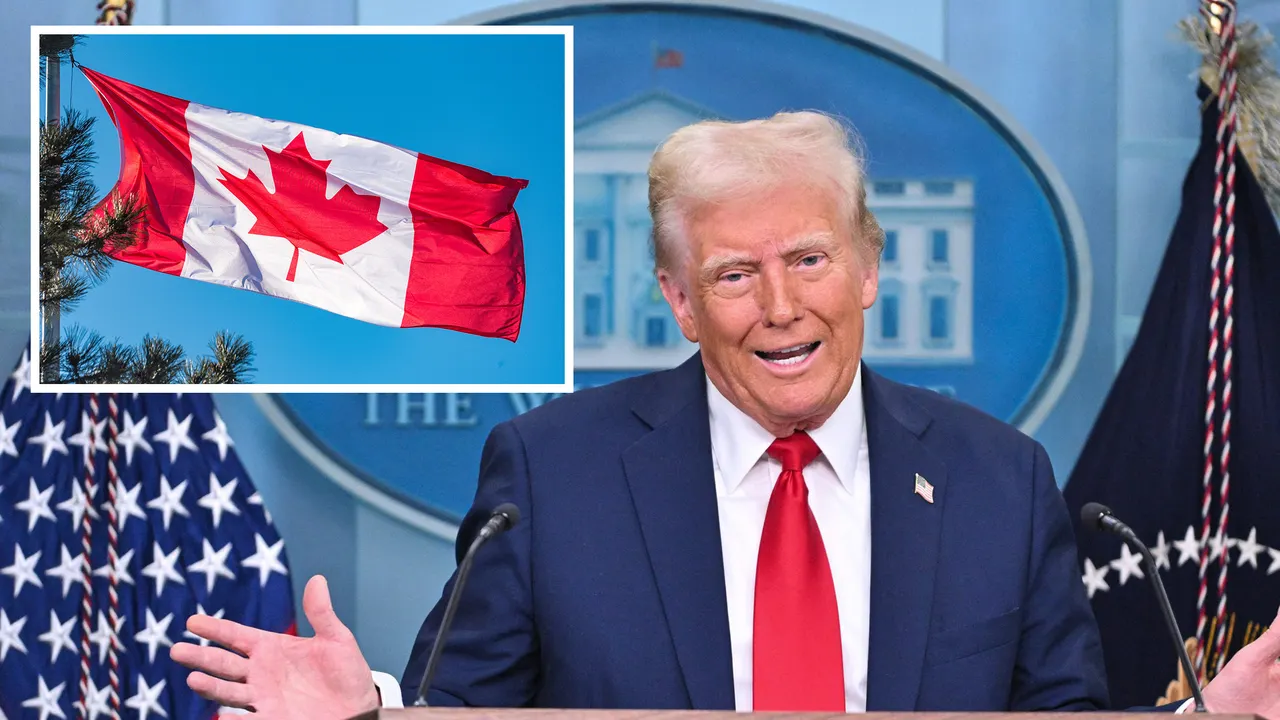
WASHINGTON, D.C. – July 13, 2025 – U.S. President Donald Trump has raised pressure on Canada by threatening a 35% tariff on Canadian imports starting August 1, 2025. Trump delivered the warning in a letter to Canadian Prime Minister Mark Carney, which he also shared on his Truth Social account.
This move intensifies the ongoing trade clash between the two countries. Trump pointed to Canada’s approach to fentanyl, what he called unfair dairy tariffs, and trade deficits as reasons for the new action.
Trump’s letter accused Canada of striking back with its tariffs and not doing enough to stop fentanyl at the border. He wrote that if Canada acts to stop fentanyl, he might reconsider, but warned of even higher tariffs if Canada responds in kind.
However, U.S. Customs and Border Patrol reports show that just 0.1% of fentanyl seizures from 2022 to 2024 happened at the Canadian border. Most of the drug comes from Mexico, raising doubts about Trump’s statement.
Carney on Vacation During Trade Crisis
Prime Minister Mark Carney, who secured his election win in April 2025 by vowing to resist Trump’s trade tactics, is currently on a short holiday. Many Canadians have voiced frustration, expecting Carney to take a stronger stance.
By using a hockey metaphor during his campaign, Carney promised to stand up for Canada against what he called Trump’s push to “break” and “own” the country. His absence has now sparked criticism and fed the idea that he is struggling to respond.
Carney’s team has already made changes to ease tensions with the U.S., including dropping a plan for a Digital Services Tax on American tech companies after Trump called it an “attack” and threatened to walk away from trade talks.
Canada also agreed to spend C$1.3 billion on border measures and appointed a new official focused on fentanyl, though data shows Canada’s role in the fentanyl issue is quite small. Critics say these steps have not helped, as Trump’s threat of new tariffs shows.
Canada’s Dairy Policy Under Fire
Trump’s main complaint centres on Canada’s supply management system, which sets tariffs of up to 400% on U.S. dairy products that go over certain limits. Trump has often criticised these measures, saying they keep American farmers out of the Canadian market.
Canada’s dairy lobby stands firm, arguing the system supports local farmers and keeps prices stable for shoppers. Yet, the International Dairy Foods Association said in March that U.S. dairy exports rarely reach Canada’s quota, suggesting Trump’s criticism may be overstated.
Canada’s protection of its dairy sector fits into a wider pattern. In response to Trump’s earlier tariffs on Canadian steel, aluminium and cars, Canada imposed its tariffs on U.S. goods such as whiskey, sports equipment, and appliances. These actions have strained trade, but the two countries still do significant business, with $410 billion in Canadian goods shipped to the U.S. last year.
Trump’s insistence on linking fentanyl to tariffs has faced sharp pushback. Federal data and research, like the Manhattan Institute report, show that nearly all fentanyl reaching the U.S. comes from Mexico rather than Canada.
Even with new border security steps and the appointment of Kevin Brosseau as a “fentanyl czar,” Trump claims Canada is a key route for the drug. In response, Carney has said on X that Canada is making real progress in fighting fentanyl and remains committed to working with the U.S.
Canadian Views: Unease with Carney, Distrust of Trump
Many Canadians are unhappy with how Carney has handled the latest trade trouble. A recent survey by Merchant Growth found that 61% of small business owners feel Canada is already in recession, made worse by U.S. tariffs on steel, aluminium and cars.
Social media posts show disappointment, especially around Carney’s decision to drop the Digital Services Tax, which many believe has done little to calm Trump. Conservative leader Pierre Poilievre called the tariff threat an “unjustified attack on Canada’s economy,” adding to the sense that Carney has not lived up to his pledge to defend Canadian interests.
Trump also remains unpopular in Canada. A 2024 Pew Research Centre poll found that 79% of Canadians have an unfavourable opinion of the U.S. president, linked to his harsh trade moves and provocative comments, including talk about annexing Canada.
The latest tariff warning has deepened this feeling, with Nova Scotia Premier Tim Houston calling it “childish bullying.”
Carney has promised to keep working on a new trade deal before the August 1 deadline, highlighting efforts to build stronger ties with the EU and other partners to rely less on the U.S. Foreign Affairs Minister Anita Anand said she hopes an agreement is possible, even if the talks are tough. Trump’s unpredictable tactics and habit of changing course on tariffs make the outcome hard to predict.
With the deadline approaching, Canadian businesses and workers are bracing for possible hardship. Carney faces growing calls to secure the “fair deal” he promised during the campaign. For now, the Canada-U.S. trade conflict remains unsettled, and both leaders are under pressure to protect their countries’ interests.
Related Trump News:
Trump Threatens to Revoke Rosie O’Donnell’s U.S. Citizenship, Reigniting Decades-Long Feud


Gen Randy George Ousted as Army Chief Amid Wartime Shakeup

Russia Evacuates Workers From Iranian Nuclear Power Plant After Trump 48-Hour Ultimatum

ICE Arrests Late Iranian General Qasem Soleimani’s Niece in Los Angeles

Canada Accused of Harboring IRGC Members While US Battles Iran

ActBlue Accused of Leaving ‘Backdoor’ Open for Foreign Cash

Mamdani Wants $229M From New York Employee Retirement Fund

Stacey Abrams $2B Nonprofit Faces Alleged Fraud Allegations

New York Governor Hochul Slammed For Begging Rich to Return

Justice Jackson’s Bizarre Birthright Citizenship Analogy Leaves America Stunned

Hegseth Ousts Army’s Top General in Latest Pentagon Shakeup

Thai Billionaire Charged With Lese Majeste Over Facebook Post

Russia Bans Facebook, Meta Says It’ll Do “Everything” To Restore Service

Facebook Login Feature – Clash of Clans

4 Things you can do to take your Facebook Lead Generation to the Next Level

Zuckerberg to Allow Violent Speech on Russia After Facebook Blocked

Facebook Loses $200 Billion as Users Shift to TikTok

Downloading Facebook Videos Anonymously with High Quality Video through Snapsave app

The Best Site to Buy Real Facebook Likes and Followers in 2022

Chinese Man Arrested for Using Facebook to Dupe Cryptocurrency Investor

Google and Facebook Under Huge Pressure Over User Privacy

President Trump Addresses Nation on War with Iran

Trump Warns NATO Allies: America Won’t Protect Slackers After Iran Clash

Senate Hearing on Fraud and Foreign Influence Turns Tense Over Minnesota Scandals

CNN Forced to Backtrack Its Reporting on Trump’s Iran Talks

Joe Rogan Slams Gavin Newsom for Mocking Nick Shirley

Mosque Set Ablaze in Iran a Citizens Revolt Against the Islamic Regime

AOC Accuses Jessie Watters of Fox News of Sexualizing and Harassing Her

JD Vance Exposes Walz’s Fraud and CNN’s Lies in White House Presser

Milestone Card Credit: How the Milestone MasterCard Can Transform Credit
-

 China2 months ago
China-Based Billionaire Singham Allegedly Funding America’s Radical Left
-

 Politics2 months ago
CNN Delivers Stark Reality Check to Democrats Over Voter ID
-
 News3 months ago
Mosque Set Ablaze in Iran a Citizens Revolt Against the Islamic Regime
-

 Health3 months ago
RFK Jr Introduces the New Food Pyramid to “Make America Healthy Again”
-

 Politics2 months ago
Ilhan Omar’s Connections to Convicted Somali Fraudsters Surface
-

 Politics3 months ago
President Trump Addresses ICE Actions Amid Minnesota Unrest
-
 Politics3 months ago
Tim Walz Exposed For Faking Financial Records In State Audit
-

 News3 months ago
Former CNN Anchor Don Lemon Facing Charges Under Ku Klux Klan Act