
Canada
Mark Carney: Is His Agenda Betraying Canada’s Middle Class?

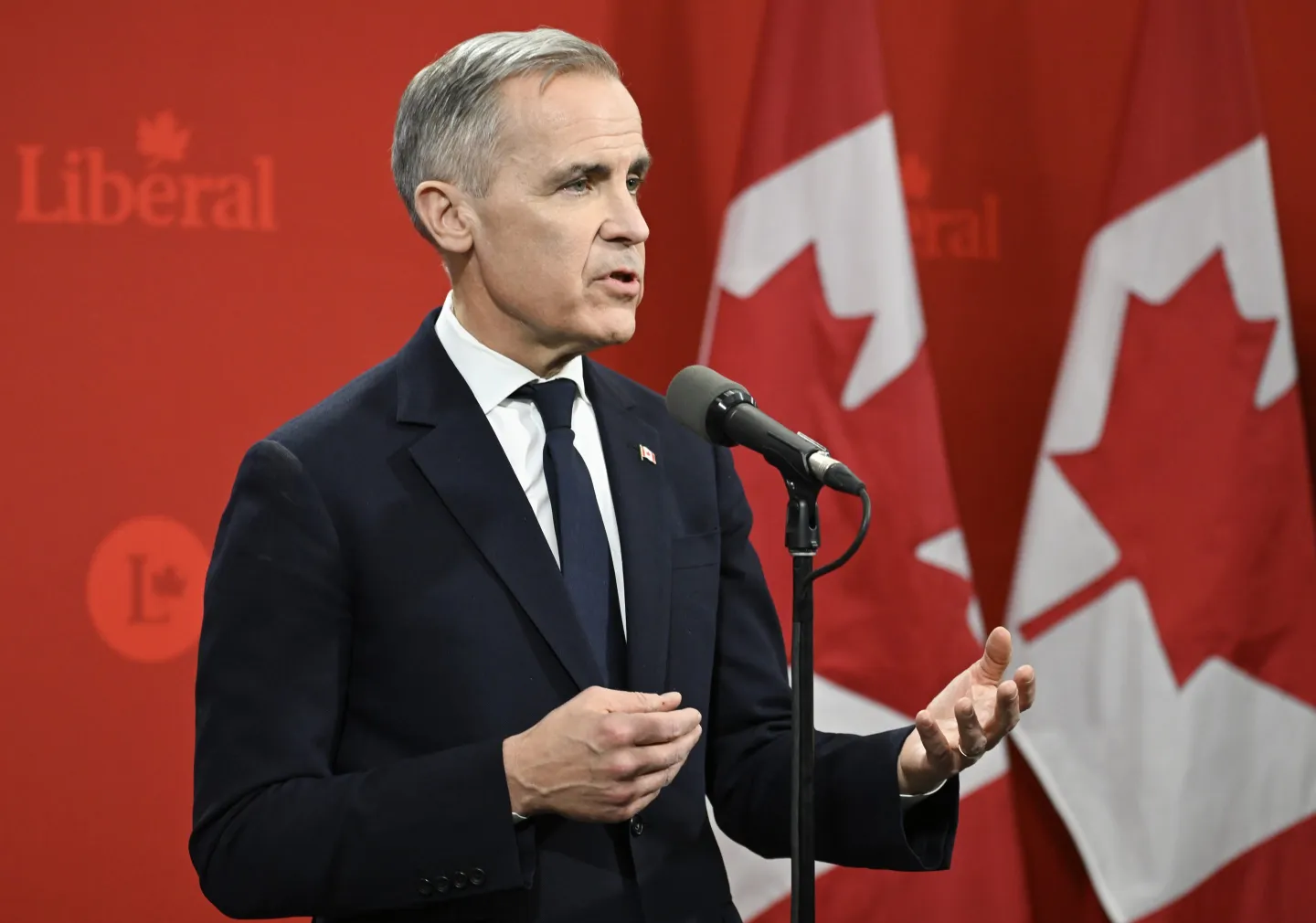
OTTAWA – Mark Carney’s economic record matters to Canadian families facing soaring housing costs, expensive groceries, heavy debt, and uncertain jobs. His promises of tax relief, more homebuilding, and stronger economic growth sound appealing, but the key question is who benefits from Carney’s economic agenda, and who carries its costs?
This article treats the claim that Mark Carney is betraying the middle class as a question requiring evidence, not as a fact. It compares his public promises with the likely effects of his tax, housing, business, trade, and affordability policies, including the pressure created by Canada-US trade tensions.
The label “imperialist banker” is also political language, so it needs a clear explanation and proof rather than repetition. The analysis begins by examining Carney’s record, his proposed economic direction, and whether his policies are likely to improve everyday life for working and middle-class Canadians.
Who Is Mark Carney, and Why Does His Banker Background Matter?
Mark Carney entered national politics with a resume built around central banking, financial markets, and crisis management. That history helps explain his appeal to business leaders, but it also raises a fair question for households: does a person trained to protect economic stability understand the daily pressures of earning, spending, and raising a family?
From central banking to national economic leadership
Carney served as Governor of the Bank of Canada from 2008 to 2013, during the global financial crisis. He then led the Bank of England from 2013 to 2020, becoming the first non-British governor in that institution’s history. His career also included 13 years at Goldman Sachs and senior roles in Canada’s finance department. The Prime Minister of Canada’s official biography describes that path from finance into public service.
A central banker’s job is narrow compared with a prime minister’s. The Bank of Canada manages monetary policy, including interest rates and inflation control. It also watches financial stability and guides markets through economic shocks. Carney became known for clear interest-rate guidance and for reassuring investors during periods of serious uncertainty.
A prime minister works with a much wider set of pressures. The federal government must deal with wages, public services, taxes, housing supply, health care funding, immigration, trade, and regional inequality. Those choices affect whether a family can afford rent, whether a small business can hire, and whether a rural community receives the same services as a major city.
That difference matters because a central banker’s success often appears in financial indicators. Lower inflation, calmer markets, and stable borrowing conditions can reassure lenders and companies. However, those outcomes do not automatically make groceries cheaper or bring homeownership within reach. A household may still feel squeezed even when economic data improves.
Carney’s interest in climate finance and financial regulation also shapes his political image. Supporters see disciplined management and long-term planning. Critics see a leader more comfortable with institutions, investors, and policy models than with workers facing stagnant pay.
His background alone does not prove harmful intent. It does show where his instincts were formed. Voters should therefore compare his economic promises with results that families can feel, including housing costs, disposable income, taxes, and access to public services.
What critics mean by the “imperialist banker” label
The phrase “imperialist banker” is a political accusation, not a fact about Carney. Critics use it to connect his career in global finance with a longer history of banks, colonial power, and corporate influence. In simple terms, they fear that international financial institutions give investors more influence than workers and local communities.
Carney’s record supports some factual parts of that criticism. He worked at Goldman Sachs, led two major central banks, chaired the Financial Stability Board, and became involved in global discussions about climate finance. Those roles placed him close to powerful financial institutions and international economic networks.
The broader ideological claim goes further. Opponents argue that policies designed to protect market confidence can ask ordinary people to accept wage pressure, expensive housing, public spending limits, or job disruption. That argument may be persuasive in some cases, but it requires evidence tied to a specific policy.
Readers should judge the label by asking three practical questions:
- Who benefits? Does a policy mainly help workers and households, or does it reward asset owners and large firms?
- Who pays? Are the costs carried through higher taxes, weaker services, job losses, or rising living expenses?
- Who answers for the result? Can voters, Parliament, regulators, or courts hold decision-makers accountable?
That test is more useful than an insult. Carney’s banking career may explain his priorities, but only his decisions and their effects can show whether his agenda serves Canada’s middle class. For context, debates about his international outlook also appear in coverage of Canada-US relations under Mark Carney, though foreign policy disputes should not substitute for measuring domestic economic results.
How Mark Carney, the Former Imperialist Banker, May Be Betraying Canada’s Middle Class
The strongest criticism of Mark Carney’s agenda is not that every policy is harmful. It is that many measures offer limited relief while leaving housing, food, debt, and weak wage growth largely untouched. A family may receive a tax break or pay less at the pump, yet still face higher monthly costs that absorb those gains quickly.
Critics argue that this approach favors reassuring economic headlines over lasting improvements in household finances. The evidence will depend on whether Carney’s policies raise real incomes, expand affordable housing, and reduce business costs without shifting more risk onto workers.
Why a tax cut may not feel like real middle-class relief
Carney’s federal tax cut reduces the lowest personal income tax rate from 15% to 14%. The government says a two-income family could save up to $840 per year, and nearly 22 million Canadians could receive some benefit. The official announcement provides the government’s estimate of the policy’s reach and savings.
That headline amount sounds useful, but the maximum saving is not the same as every family’s result. The reduction applies to the lowest marginal rate, so the benefit depends on a person’s taxable income and how much income falls within the affected brackets. Someone with very little taxable income may owe little federal income tax already, which leaves less room for a tax reduction to help.
A household with two moderate incomes may receive more than a single person working part-time or earning a low wage. Even then, the family would keep up to about $840 over a full year, not receive that amount as a direct payment. The 2025 change also began partway through the year, so the first year’s savings may be smaller.
For many households, $840 is meaningful but limited. It could cover several grocery trips, yet a rent increase of $200 per month would cost $2,400 a year. A higher mortgage payment, rising insurance premiums, or a large tuition bill can consume the tax savings just as quickly. The federal tax cut announcement describes the national estimate, but families need to calculate their own actual savings.
A tax cut can help people keep more of their paychecks, but it cannot lower a landlord’s rent or reverse a home’s sale price.
The carbon tax reversal and the limits of cheaper fuel
The Carney government canceled the consumer carbon tax on April 1, 2025. Industrial emissions pricing remained in place, so the change did not remove every carbon-related cost from Canada’s economy.
The immediate benefit was easier to see at the gas pump. Drivers could pay less in fuel charges, depending on local prices and how retailers adjusted their prices. Families that commute long distances or depend on a work vehicle may have felt that relief sooner than households that rarely drive.
However, the policy does not control inflation by itself. Gas prices still respond to crude oil markets, exchange rates, transportation costs, and regional competition. Businesses also face different carbon costs, and the debate continues over how much of those costs they pass to consumers through higher prices.
Critics argue that removing the consumer charge weakens the incentive to reduce fossil-fuel use. Supporters counter that households need immediate relief while governments pursue longer-term climate policies. Both concerns can exist at once. Cheaper fuel may help a family this month, but the policy’s broader value depends on its effect on emissions, prices, and future energy investment.
Are business incentives helping workers or powerful companies?
Carney’s economic plan also faces criticism for directing substantial support toward businesses. Tax-remittance deferrals, tariff assistance, infrastructure spending, and deregulation may protect firms from shocks, but none guarantees higher wages or lower prices for customers.
The reported $40 billion tax-remittance deferral and the $5 billion Strategic Response Fund show the scale of that approach. Such measures may help companies preserve cash, protect supply chains, or respond to trade pressure. Still, readers should ask where the money goes and what conditions come with it.
Does the support protect jobs, or does it mainly strengthen large companies with access to government programs? Will small businesses receive comparable help? Do workers gain through higher pay, better job security, or lower prices?
Supporting economic capacity is different from improving a household’s finances directly. A new infrastructure project may create jobs later, while a business tax deferral may prevent layoffs during a crisis. Neither measure guarantees that a family can afford a home today.
Critics therefore see a risk in Carney’s banker-style approach: public money may stabilize companies while workers wait for the benefits to reach them. The evidence will depend on wage data, job quality, consumer prices, and the number of small businesses that actually receive support.
Housing, Wages, and Food Costs Show Where the Middle Class Feels the Pressure
The clearest test of Mark Carney’s promises is practical: can families afford a home, keep up with food bills, and find secure work? Tax relief may help, but it cannot solve affordability if housing supply stays limited, grocery prices remain high, and wages fail to keep pace with essential costs. These are the household budget concerns shaping current political debates.
More homes could help, but supply promises take years
Carney’s housing plan promises to double residential construction to almost 500,000 homes per year over the next decade. More supply could reduce pressure on rents and prices over time, especially if builders add homes in the communities where people actually work. However, construction targets cannot quickly fix today’s mortgage payments or rent increases.
Developers still face high land costs, restrictive zoning, labor shortages, expensive materials, and limited infrastructure. Water systems, roads, transit, schools, and electricity networks must expand alongside new housing. Provincial governments control many building rules, while municipalities decide zoning, permits, fees, and local development approvals. Federal funding alone cannot make every project move faster.
Interest rates create another obstacle. Higher borrowing costs can delay projects and raise the price of financing construction. Even when rates fall, builders may need several years to secure land, receive approvals, complete construction, and sell or rent new units.
The proposed GST removal for first-time buyers could reduce the upfront cost of a qualifying new home priced at $1 million or less. The relief phases out between $1 million and $1.5 million, and buyers above $1.5 million receive no rebate, according to the federal housing announcement. Yet a tax break in a limited market can also increase what buyers are willing to pay. Sellers and developers may capture part of the benefit through higher prices.
Eligibility also matters. Does the buyer qualify as a first-time purchaser? Is the property a new home or a substantially renovated home? Can the household qualify for a mortgage at all? Someone who cannot pass a lender’s income, debt, or stress-test requirements receives no practical help from a GST rebate.
Food benefits can protect families without fixing food prices
The Canada Groceries and Essentials Benefit would increase the GST credit by 25% for five years. It would also provide a one-time payment equal to 50% of the GST credit, with the government saying more than 12 million Canadians could receive help.
That support can make a real difference for lower-income households. Quarterly payments may help cover groceries, medication, transportation, or utility bills when paychecks fall short. Because eligibility connects to the tax system, many recipients would not need to complete a separate application.
Still, a larger benefit does not lower the price of food. It increases a household’s ability to pay the existing price. Price controls would take a different approach by limiting certain increases, while competition policy would examine whether a concentrated grocery industry gives large companies too much pricing power. Action against excessive corporate profits would focus on margins and business conduct.
Those policies raise different risks and questions. Price controls can create shortages if set below suppliers’ costs. Competition investigations can take years. Direct benefits arrive faster, but taxpayers fund them, and food companies face little pressure to reduce prices. The benefit can protect a family from hunger without making the grocery system more affordable.
The wage problem behind the affordability crisis
Middle-class security depends on more than tax relief. Families also need wages that rise with living costs, stable hours, pensions, and public services that reduce private expenses. A tax cut means less when a worker’s schedule changes each week or a household must pay more for child care, health services, transportation, or education.
Carney’s growth strategy and skilled-trades plans could improve productivity and create better-paid work if they lead to permanent jobs. More investment can expand factories, infrastructure, housing construction, and energy projects. Yet a new project does not guarantee that workers will share in the gains.
Several questions remain unanswered. Will these jobs last after construction ends? Will unions have enough bargaining power to secure higher pay and safer conditions? Will employers use public support to train and retain workers, or rely on temporary labor?
Training access also needs a broad reach. Older workers may need help changing careers, while newcomers may face barriers getting foreign credentials recognized. Rural communities need programs that match local employers and transportation realities. Without that access, skilled-trades funding may benefit people who already have the time, money, and connections to enter the field.
For Mark Carney, economic growth will be meaningful only when it reaches paychecks and household budgets. Productivity figures matter, but workers judge the result through job security, retirement protection, and whether their income covers life after the bills arrive.
Carney’s Banker-First Economic Model Raises Questions About Who Gains
Mark Carney’s economic model combines freer internal trade, faster project approvals, business incentives, tariff support, and climate-focused investment. The strongest defense is that Canada needs more productivity, larger projects, and stronger supply chains. The strongest criticism is that rising output or corporate investment may not improve household finances unless workers and consumers share the gains.
Growth, deregulation, and the promise of a stronger Canada
The One Canadian Economy Act, passed in June 2025, has two main goals. It reduces federal barriers to interprovincial trade and labor mobility, while creating faster approval processes for major projects. The government says internal trade costs could fall by up to 15%, with economic growth reaching as much as $200 billion, according to its plan to remove internal trade barriers.
Fewer barriers could help a small manufacturer sell products across Canada without meeting separate federal requirements in each province. A skilled worker could also move where jobs are available without repeating unnecessary certification steps. Consumers may gain access to more suppliers, which could increase competition and lower prices.
However, faster approvals are not automatically better approvals. The Act allows the federal government to shorten reviews for projects considered in the national interest, including energy corridors, mines, ports, and electrical grids. If the process weakens environmental assessment, Indigenous consultation, worker protections, or local decision-making, communities may carry costs that do not appear in national growth figures.
The measure can support a stronger Canadian economy, but its results need clear tests: lower business costs, more jobs, faster wage growth, affordable goods, and enforceable environmental standards. A project that raises stock values while leaving a community with pollution or insecure work is a poor bargain.
Climate finance and industrial policy can shift costs onto households
Carney’s background in climate finance helps explain his focus on attracting private capital to clean energy, industrial emissions reductions, and major infrastructure. Tax credits and public funding can help build new industries, cut emissions, and reduce Canada’s exposure to imported energy over time.
The transition still has a price. Utilities may pass infrastructure costs to customers, while workers in emissions-intensive regions face layoffs or expensive retraining. A factory built with public support can also become a stranded investment if technology, regulations, or energy prices change.
Subsidies raise another concern. Large corporations often have the staff and legal resources needed to apply for major programs. Small businesses and households may receive less help, even though they pay through taxes or higher prices.
Climate policy and middle-class protection can work together when governments attach conditions to public support. Those conditions could include wage standards, local hiring, transparent contracts, emissions targets, and repayment rules when companies fail to deliver promised jobs.
Tariffs and national security may strengthen industry while raising prices.s
U.S. tariff threats pushed Carney to present economic independence and supply-chain security as national priorities. His government can defend Canadian jobs by supporting domestic production in sectors such as energy, minerals, manufacturing, and food processing. Coverage of Carney’s response to new U.S. tariffs shows why those concerns became central to his economic message.
Protection can help an industry survive a sudden trade shock. Yet tariffs and countermeasures also raise the cost of imported machinery, materials, and consumer goods. Canadian companies may pay more to produce goods, then pass those costs to families.
Retaliation can hurt exporters, while reduced competition may allow protected firms to charge more or delay improvements. Domestic production also does not guarantee good jobs. The real test is whether industrial policy creates stable, well-paid employment and keeps essential goods affordable.
A national strategy should therefore measure more than factory openings or investment totals. It should track wages, prices, productivity, regional employment, and household purchasing power. Growth helps the middle class only when it reaches the kitchen table.
Is “Betrayal” the Right Verdict? How to Judge Carney’s Record Fairly
Calling Mark Carney’s agenda a betrayal requires more than pointing to a disappointing grocery bill or a delayed housing project. Voters should compare campaign promises with enacted policies, then measure whether those policies improve household finances. Good intentions matter, but results matter more.
The strongest case supporters make for Carney
Supporters see Carney’s financial experience as an advantage during trade shocks and economic uncertainty. His background at the Bank of Canada, the Bank of England, and the Financial Stability Board gives him credibility with lenders, investors, and international partners. They argue that this experience can help Canada protect jobs, attract investment, and reduce its dependence on the United States.
The wider plan combines modest tax relief with business support, infrastructure spending, housing construction, and stronger trade links with other countries. The federal tax cut lowers the lowest personal income tax rate from 15% to 14%, with the government estimating savings of up to $420 per person and $840 for a two-income family. The Liberal housing plan also promises more construction, including affordable homes and support for first-time buyers.
That tax relief is not meant to solve every affordability problem by itself. Supporters view it as one part of a larger strategy. Business investment could protect jobs and expand production, while new housing supply could reduce pressure on rents and prices over time. Targeted grocery benefits could help lower-income Canadians meet immediate expenses, even if they don’t lower food prices for everyone.
The defense is reasonable if the policies work together. A tax cut helps only modestly today, while housing construction, new trade relationships, and productivity gains may take years. The question is whether families receive enough short-term support while waiting for those longer-term benefits.
The evidence critics should demand
Readers can judge the record by tracking measurable outcomes rather than political labels. The most useful tests include:
- Does the lowest tax cut produce meaningful savings after inflation and higher household costs?
- Are housing starts increasing in high-demand communities, not only in regions with available land?
- Do first-time buyers actually pay less, or do sellers and developers capture the GST benefit?
- Do grocery benefits keep pace with food prices and reach the households facing the greatest hardship?
- Does business aid protect jobs, raise wages, or mainly increase corporate profits?
- Does new investment produce higher real wages after inflation?
The government should also publish program costs, recipient lists, delivery timelines, and independent reviews. Readers can compare those claims with Statistics Canada data, federal budget documents, housing starts, rent and home-price trends, wage growth, grocery inflation, business profits, and public debt.
Some policies may have sound goals but weak results. Others may need several years before their effects become visible. A fair verdict gives each measure enough time to work, while still asking who pays if it fails. Until the evidence is clear, “betrayal” is a political accusation, not a proven conclusion.
What a Middle-Class Economic Plan Would Need to Do Differently
Mark Carney’s affordability agenda should be judged by what remains in a household budget after the first payment or tax saving is gone. A rebate can help during a crisis, but lasting security requires lower monthly costs, stronger wages, and public services that reduce the bills families must pay privately.
The middle-class test is simple: does a policy reduce a recurring expense, or does it provide temporary relief while the expense keeps rising? A stronger plan would do both, helping households today while addressing the market conditions that keep housing, food, transportation, and care unaffordable.
Pair short-term help with lasting cost reductions
Tax cuts, grocery benefits, and rebates have a legitimate role during a period of high prices. They can help a family pay an overdue bill, buy food, or manage a sudden jump in rent. However, these measures should act as a bridge to lower costs, not as a substitute for reforms.
A one-time payment does not change the price of an apartment. A tax cut does not add a rental unit to a tight housing market. If rent rises by more than a household saves in federal taxes, the family loses ground even while the government advertises relief.
Housing policy should therefore prioritize more rental, co-operative, and non-market homes, not only incentives for private ownership. Public and non-profit housing can remain affordable because it does not depend entirely on maximizing land values or investor returns. Federal funding should also require clear timelines, transparent costs, and homes sized for families, seniors, and people with disabilities.
Increasing supply matters, especially in communities where workers cannot find a reasonably priced place to live. The C.D. Howe Institute also identifies expanded housing supply, including rental housing, as a necessary part of addressing affordability in housing policy for a growing Canada.
Competition policy can lower other recurring costs. Ottawa should examine concentration in grocery retail, telecom, banking, insurance, and transportation. Consumers need easier ways to compare prices, switch providers, and challenge unfair contract terms. Governments should also remove unnecessary administrative fees, junk fees, and charges that add little value but appear on every monthly bill.
Public services can provide relief that lasts. Affordable child care, dental care, primary health access, public transit, and reliable infrastructure reduce the amount families must purchase from private providers. The question should always be practical: will this policy lower a bill next month, next year, or only once?
Make powerful institutions answerable to ordinary Canadians
Business leaders and bankers can bring useful knowledge to economic policy. They understand capital markets, investment decisions, and the risks that can damage jobs and savings. Still, their perspective cannot be the only one shaping a national plan.
Workers know whether a new project creates stable employment or short-term contracts. Renters understand how quickly housing costs consume their income. Small businesses can explain why a program is difficult to access, while Indigenous communities and regional governments can identify effects that federal planners may overlook.
Public money needs clear conditions whenever it supports private companies. Those rules should cover:
- Lobbying and access: Ministers and senior officials should disclose meetings, policy requests, and conflicts of interest in a timely, searchable format.
- Corporate subsidies: Companies should publish how they use public funds, how many jobs they create, and whether those jobs meet agreed wage and safety standards.
- Public procurement: Contracts should disclose ownership, subcontractors, costs, performance targets, and penalties for missed commitments.
- Environmental promises: Projects should meet enforceable emissions, land, water, and consultation requirements rather than relying on broad assurances.
- Executive compensation: Businesses receiving major public support should face limits on bonuses and payouts when they cut jobs, miss targets, or seek further assistance.
These safeguards do not require Ottawa to reject business investment. They require the government to buy measurable public value when it spends public money. Support should protect workers and productive capacity, not simply improve a company’s balance sheet.
A middle-class economic plan also needs independent reviews and public reporting. Canadians should be able to see which firms received assistance, what they promised, and whether they delivered. That standard would help distinguish useful industrial policy from corporate welfare.
When large investors buy homes, voters can ask whether public policy is protecting family ownership or strengthening speculative demand. That concern has also appeared in debates about blocking institutional home buyers, although Canada’s housing rules require a distinct Canadian response.
The strongest plan would combine immediate relief with affordable housing construction, stronger competition in food and telecom markets, faster wage growth, accessible child care and health care, worker training, and fair taxation. It would also make business support transparent and conditional. Canadians could then judge Mark Carney’s agenda by three visible standards: fairness, affordability, and results.

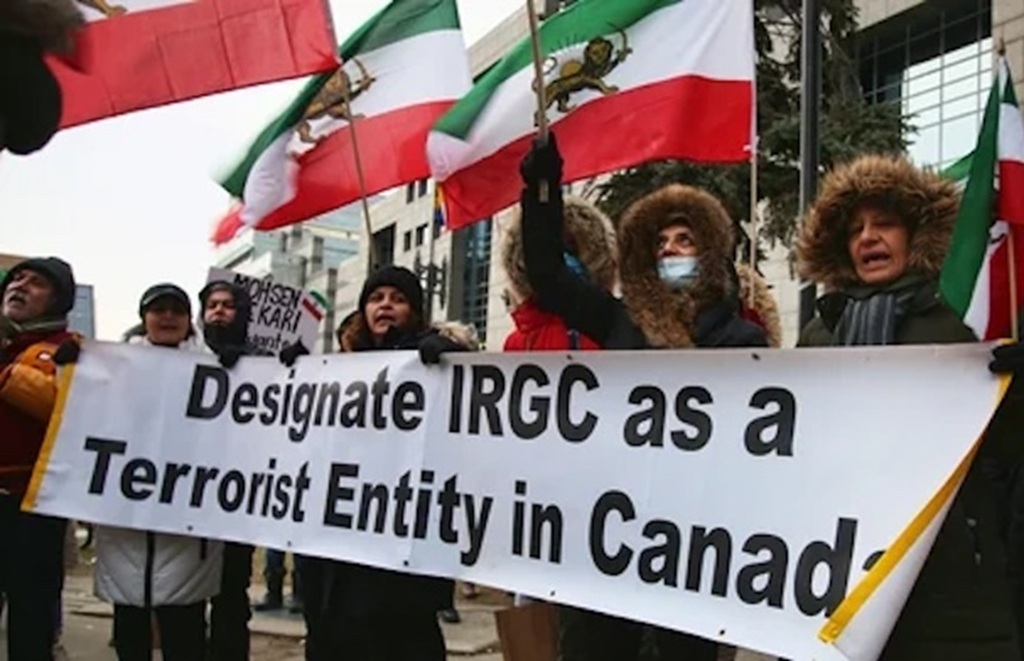
OTTAWA — For years, Canada has been known as a welcoming land for those fleeing oppression. But today, a darker narrative is emerging. The federal government is facing intense pressure over allegations that members of Iran’s Islamic Revolutionary Guard Corps (IRGC) are not just visiting Canada, but living comfortably within its borders.
From the halls of Parliament to the quiet suburbs of British Columbia, the question is being asked: How did members of a designated terrorist group get into the country, and why are they still here?
In June 2024, the Canadian government made a landmark decision. It officially listed the IRGC as a terrorist entity under the Criminal Code. The move was meant to be a hammer blow, allowing police to charge anyone providing material support to the group and giving banks the power to freeze their assets.
However, nearly two years later, critics say the “hammer” has barely made a dent. Recent parliamentary hearings have revealed some startling figures:
- 24 individuals have been deemed inadmissible to Canada due to their ties to the IRGC.
- As of March 2026, only one person has been successfully deported.
- Three deportation orders have been issued in total.
- Eight cases remain stuck in the legal system, with many individuals fighting to stay.
Public Safety Minister Gary Anandasangaree recently found himself in the “hot seat” before a parliamentary committee. While he promised that “every single individual” linked to the IRGC would be removed, the slow pace of the process has left many Canadians—especially the Iranian diaspora—feeling betrayed.
The Shadow of “Sleeper Cells” and Transnational Repression
The concern isn’t just about retired officials living on pensions. Security experts and intelligence analysts warn that Canada has become a “hub” for Iranian activity. There are growing fears that IRGC sympathizers are acting as “sleeper cells,” monitoring and harassing Iranian dissidents who moved to Canada to find safety.
One recent case has sent shockwaves through the community. Masood Masjoody, a mathematics professor and vocal critic of the Iranian regime, went missing in British Columbia in February 2026. His remains were later found in Mission, B.C.
While police have charged two individuals with his murder, the Iranian-Canadian community believes the motive is political. Activists claim Masjoody had been under threat for months after trying to expose alleged IRGC affiliates living in Canada. The RCMP is currently investigating whether his activism played a role in his death.
Why Is It So Hard to Kick Them Out?
If someone is a member of a terrorist group, why can’t they be deported immediately? The answer lies in Canada’s complex legal system and the messy reality of Iranian history.
- The Conscription Problem: For decades, Iran has had mandatory military service. Many Iranian-Canadians were forced to serve in the IRGC as young men. The Canada Border Services Agency (CBSA) must distinguish between a high-ranking official who chose the regime and a low-level conscript who had no choice.
- Due Process: Canada’s legal system allows individuals to appeal deportation orders. These hearings can take years as lawyers argue over whether the person actually participated in “terrorist activities” or was merely a bureaucrat.
- Human Rights Concerns: Canada generally does not deport people to countries where they might face torture or death. This creates a “legal limbo” for some regime members who are unwanted in Canada but protected by international law.
A Growing Political Firestorm in Canada
The opposition Conservatives have seized on the issue, accusing the Liberal government of being “soft” on the Iranian regime. Conservative Leader Pierre Poilievre has repeatedly questioned why it took so long to list the IRGC as terrorists and why the government hasn’t moved faster to freeze their assets.
“I want to know how many terrorists are in Canada,” one Conservative MP asked during a recent committee meeting, highlighting the frustration shared by many.
The pressure isn’t just domestic. U.S. intelligence officials have reportedly identified Canada as a “serious place of concern” for Iranian activity. They worry that IRGC networks in Canada could be used to target not only dissidents but also Jewish communities and critical infrastructure.
The Human Cost
For the thousands of Iranians who fled to Canada after the 2022 “Woman, Life, Freedom” protests, the presence of regime members is a source of constant anxiety.
“We came here to be free from them,” said one local activist who asked to remain anonymous. “To see them in our grocery stores, in our parks, while our friends back home are being executed—it’s a slap in the face.”
The government maintains it is doing everything it can. Minister Anandasangaree insists that the process is “aggressive” and that the rule of law must be followed. But as the legal battles drag on and the list of “inadmissible” individuals grows, the clock is ticking.
The CBSA is currently investigating hundreds of tips regarding alleged IRGC members. As more cases move toward the Immigration and Refugee Board, the government will be under a microscope.
If Canada cannot speed up the removal of those it has labeled as security threats, it risks more than just political embarrassment. It risks losing its reputation as a haven and becoming, as some fear, a sanctuary for the very people its citizens are trying to escape.
Related News:
US-Israel Defensive Against Iran Exposes the Weak Leadership of Canada, France, and the UK


WASHINGTON, D.C. – July 13, 2025 – U.S. President Donald Trump has raised pressure on Canada by threatening a 35% tariff on Canadian imports starting August 1, 2025. Trump delivered the warning in a letter to Canadian Prime Minister Mark Carney, which he also shared on his Truth Social account.
This move intensifies the ongoing trade clash between the two countries. Trump pointed to Canada’s approach to fentanyl, what he called unfair dairy tariffs, and trade deficits as reasons for the new action.
Trump’s letter accused Canada of striking back with its tariffs and not doing enough to stop fentanyl at the border. He wrote that if Canada acts to stop fentanyl, he might reconsider, but warned of even higher tariffs if Canada responds in kind.
However, U.S. Customs and Border Patrol reports show that just 0.1% of fentanyl seizures from 2022 to 2024 happened at the Canadian border. Most of the drug comes from Mexico, raising doubts about Trump’s statement.
Carney on Vacation During Trade Crisis
Prime Minister Mark Carney, who secured his election win in April 2025 by vowing to resist Trump’s trade tactics, is currently on a short holiday. Many Canadians have voiced frustration, expecting Carney to take a stronger stance.
By using a hockey metaphor during his campaign, Carney promised to stand up for Canada against what he called Trump’s push to “break” and “own” the country. His absence has now sparked criticism and fed the idea that he is struggling to respond.
Carney’s team has already made changes to ease tensions with the U.S., including dropping a plan for a Digital Services Tax on American tech companies after Trump called it an “attack” and threatened to walk away from trade talks.
Canada also agreed to spend C$1.3 billion on border measures and appointed a new official focused on fentanyl, though data shows Canada’s role in the fentanyl issue is quite small. Critics say these steps have not helped, as Trump’s threat of new tariffs shows.
Canada’s Dairy Policy Under Fire
Trump’s main complaint centres on Canada’s supply management system, which sets tariffs of up to 400% on U.S. dairy products that go over certain limits. Trump has often criticised these measures, saying they keep American farmers out of the Canadian market.
Canada’s dairy lobby stands firm, arguing the system supports local farmers and keeps prices stable for shoppers. Yet, the International Dairy Foods Association said in March that U.S. dairy exports rarely reach Canada’s quota, suggesting Trump’s criticism may be overstated.
Canada’s protection of its dairy sector fits into a wider pattern. In response to Trump’s earlier tariffs on Canadian steel, aluminium and cars, Canada imposed its tariffs on U.S. goods such as whiskey, sports equipment, and appliances. These actions have strained trade, but the two countries still do significant business, with $410 billion in Canadian goods shipped to the U.S. last year.
Trump’s insistence on linking fentanyl to tariffs has faced sharp pushback. Federal data and research, like the Manhattan Institute report, show that nearly all fentanyl reaching the U.S. comes from Mexico rather than Canada.
Even with new border security steps and the appointment of Kevin Brosseau as a “fentanyl czar,” Trump claims Canada is a key route for the drug. In response, Carney has said on X that Canada is making real progress in fighting fentanyl and remains committed to working with the U.S.
Canadian Views: Unease with Carney, Distrust of Trump
Many Canadians are unhappy with how Carney has handled the latest trade trouble. A recent survey by Merchant Growth found that 61% of small business owners feel Canada is already in recession, made worse by U.S. tariffs on steel, aluminium and cars.
Social media posts show disappointment, especially around Carney’s decision to drop the Digital Services Tax, which many believe has done little to calm Trump. Conservative leader Pierre Poilievre called the tariff threat an “unjustified attack on Canada’s economy,” adding to the sense that Carney has not lived up to his pledge to defend Canadian interests.
Trump also remains unpopular in Canada. A 2024 Pew Research Centre poll found that 79% of Canadians have an unfavourable opinion of the U.S. president, linked to his harsh trade moves and provocative comments, including talk about annexing Canada.
The latest tariff warning has deepened this feeling, with Nova Scotia Premier Tim Houston calling it “childish bullying.”
Carney has promised to keep working on a new trade deal before the August 1 deadline, highlighting efforts to build stronger ties with the EU and other partners to rely less on the U.S. Foreign Affairs Minister Anita Anand said she hopes an agreement is possible, even if the talks are tough. Trump’s unpredictable tactics and habit of changing course on tariffs make the outcome hard to predict.
With the deadline approaching, Canadian businesses and workers are bracing for possible hardship. Carney faces growing calls to secure the “fair deal” he promised during the campaign. For now, the Canada-U.S. trade conflict remains unsettled, and both leaders are under pressure to protect their countries’ interests.
Related Trump News:
Trump Threatens to Revoke Rosie O’Donnell’s U.S. Citizenship, Reigniting Decades-Long Feud


Mark Carney: Is His Agenda Betraying Canada’s Middle Class?

The Switzerland Accord: US-Iran Deal Aims to Prevent Global Economic Collapse

Silence on Capitol Hill: ActBlue CEO Invokes Fifth Amendment 22 Times Before House Committee

Elon Musk’s Trillion-Dollar Fortune: The Real Story

Google News Bias Exposed in Left-Leaning Top Stories

Drinking in Pregnancy Is Rising in America, CDC Says

Robert Kennedy’s Health Agenda and the Future of America

Ilhan Omar Melts Down Over Jerry Seinfeld Over Palestinian Comments

Tulsi Gabbard Reveal Massive Global Biolab Network Linked to U.S. Funding

California Elections Expose the Mainstream Media Bias Over Election Integrity

Jimmy Kimmel Slammed for “Vile” Melania Trump “Expectant Widow” Joke

President Trump Addresses Nation on War with Iran

Trump Warns NATO Allies: America Won’t Protect Slackers After Iran Clash

Senate Hearing on Fraud and Foreign Influence Turns Tense Over Minnesota Scandals

CNN Forced to Backtrack Its Reporting on Trump’s Iran Talks

Joe Rogan Slams Gavin Newsom for Mocking Nick Shirley

Mosque Set Ablaze in Iran a Citizens Revolt Against the Islamic Regime

AOC Accuses Jessie Watters of Fox News of Sexualizing and Harassing Her

JD Vance Exposes Walz’s Fraud and CNN’s Lies in White House Presser

Milestone Card Credit: How the Milestone MasterCard Can Transform Credit


-

 News3 months ago
Tim Walz Accused of “Enabling Fraud” By Minnesota State Lawmaker
-

 News3 months ago
Ilhan Omar Refuses to Turn Over Documents to Minnesota Fraud Committee
-

 Business3 months ago
Jimmy Kimmel and ABC in the Crosshairs of An FCC Investigation
-

 Business3 months ago
Alex Jones Announces the Shutdown of Infowars Amid Billion-Dollar Legal Battles
-

 Crime3 months ago
FBI Raids Virginia State Senator Louise Lucas’s Office
-

 Crime3 months ago
Former FBI Director James Comey Indicted for Threatening Instagram Post
-

 Entertainment2 months ago
Stephen Colbert Has Meltdown On-Air in Final Broadcast on CBS
-

 News3 months ago
Trump and Merz Clash Bitterly Over Iran and ‘Broken’ Germany