
News
Andrew Mountbatten-Windsor Arrested in Major Misconduct Probe

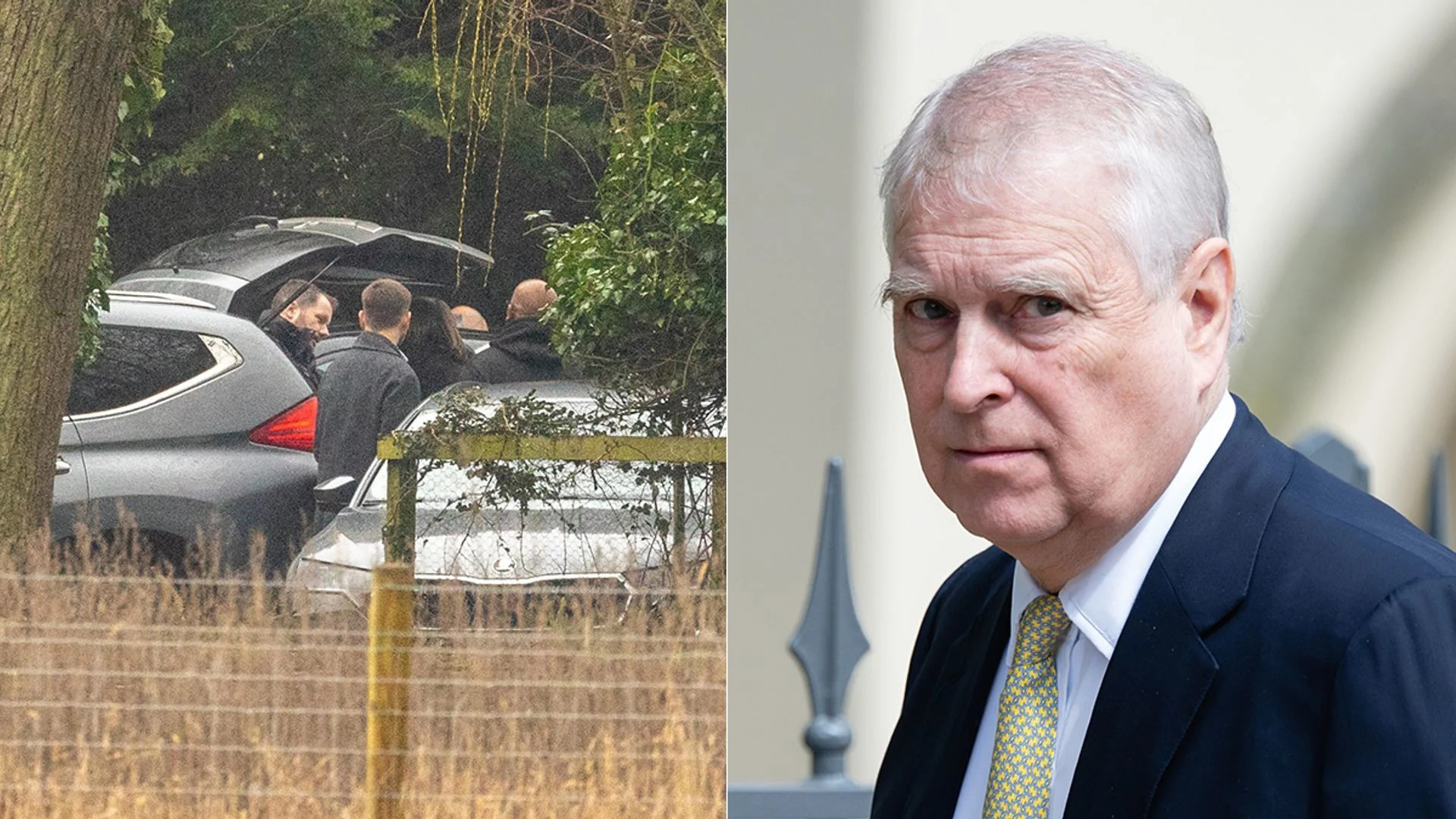
LONDON – Reports say Andrew Mountbatten-Windsor, previously known as Prince Andrew, Duke of York, was arrested on Thursday, February 19, 2026, on suspicion of misconduct in public office.
The detention happened on his 66th birthday. He later left custody and was released under investigation after several hours, but the news has renewed focus on his long-running connections to the late Jeffrey Epstein.
According to coverage tied to newly released Epstein records from US authorities, the material has stirred up fresh scrutiny of Mountbatten-Windsor’s contact with Epstein. That attention centers on the years he served as the United Kingdom’s special trade representative from 2001 to 2011.
Thames Valley Police confirmed a detention in a short statement. At first, officers described the suspect as “a man in his sixties from Norfolk” and did not name him, which follows common UK practice.
Reports say police arrested him around 8:00 AM GMT at a residence on the King’s Sandringham Estate in Norfolk. Officers also carried out searches at locations in Berkshire and Norfolk as part of the ongoing inquiry.
The suspected offense, misconduct in public office, is a serious common-law allegation in the UK. If a court convicts someone, the maximum sentence can reach life in prison. In general, the offense involves a public official misusing their role, acting for personal benefit, harming others, or damaging public trust.
Multiple outlets, including the BBC, AP News, and NBC News, have reported that investigators are looking at claims Mountbatten-Windsor may have passed confidential government papers or sensitive information to Epstein during his trade role. That period included overseas work promoting British business, alongside trips later linked in reporting to Epstein’s circle.
After about 11 hours, reports say police released Mountbatten-Windsor “under investigation.” In practice, that means no formal charges have been filed, and the case remains open. Photographers captured him leaving Aylsham Police Station in Norfolk, and commentators quickly framed the image as one likely to shape public reaction.
Buckingham Palace response
Buckingham Palace released a short statement soon after reports of the arrest: “The King is aware of the developments and believes the law must take its course. His Majesty respects the independence of the police investigation and will not comment further while matters are ongoing.”
King Charles III has kept his distance from the controversy in recent years. In 2022, he stripped his brother of royal titles and military roles after civil allegations tied to Epstein associate Virginia Giuffre. Palace sources also stressed that the statement reflects the family’s focus on neutrality while it tries to rebuild public trust.
Royal supporters, critics, and online reaction
Public reaction has split sharply, including among royal fans.
- Some loyalists voiced anger and disbelief online, and hashtags such as #FreeAndrew and #RoyalWitchHunt briefly trended.
- Others called the detention politically driven, pointing to the timing during wider political disputes.
- At the same time, many supporters said the past ties to Epstein have hurt the monarchy’s standing and called for full transparency.
Across royal news sites and forums, the divide looks clear. Hardline supporters insist he’s being targeted, while more moderate voices want him to cooperate fully to resolve the claims.
What this could mean for the monarchy
The reported arrest adds pressure to the House of Windsor at a difficult time. The family has faced years of reputational strain, health concerns among senior royals, and growing debate about the monarchy’s role.
- Damage to reputation: If a senior royal faces police action, critics say it strengthens claims that privilege can hide misconduct, or that it shouldn’t.
- Family pressure: King Charles may face sharper questions about protecting the institution while dealing with a close relative. Prince William and other working royals could also feel pressure to create distance.
- Public opinion: Polling in recent years has suggested weaker support among younger people. This story could deepen that trend, especially if it drags on.
Commentators have said the monarchy’s next steps will matter. A clear outcome could limit the fallout, while criminal charges would create a historic crisis.
Royalist claims about Keir Starmer and political motives
Among some royalists and right-leaning commentators, another argument has spread quickly. They claim Prime Minister Keir Starmer has tried to benefit from the moment, or that the arrest helps shift attention away from his own problems.
Supporters of this viewpoint point to the Labour government facing scrutiny over Epstein-related links, including the fallout around former ambassador Peter Mandelson. Reports say Mandelson lost his role after disclosures about continued ties to Epstein after Epstein’s conviction, which then triggered resignations and tough questioning.
Royalists also cite older comments from Starmer about the monarchy. A 2005 clip has circulated in which he said: “I got made a Queen’s Counsel, which is odd since I often used to propose the abolition of the monarchy.” Critics say that line shows a lasting bias, even though he has since voiced public support for the monarchy as Prime Minister.
- Some online voices argue the timing lines up with renewed Epstein file coverage and scrutiny of Starmer’s record during his time as Director of Public Prosecutions.
- Others say the attention on a high-profile royal conveniently eases pressure on the government over appointments and past controversies.
- Still, no public evidence has shown direct government involvement, and police investigations operate independently.
Starmer has also taken a clear public line on the broader Epstein scandal, saying “nobody is above the law,” and calling for full cooperation from anyone involved, including Mountbatten-Windsor.
What happens next
This case highlights how Epstein’s crimes continue to reach into powerful circles. For Mountbatten-Windsor, who has remained out of public duties since a 2022 civil settlement and the loss of titles, the stakes are high. If prosecutors approve charges later, he could face trial and deeper isolation.
For the monarchy, the months ahead may be just as hard. With the investigation ongoing, speculation continues about possible US requests, testimony issues, or renewed pressure from anti-monarchy campaigners.
Either way, the reported image of a former prince in police custody has already changed the story around modern royalty and public accountability.
Related News:
Hillary Clinton Labelled a Psychopath After Denying Epstein Links
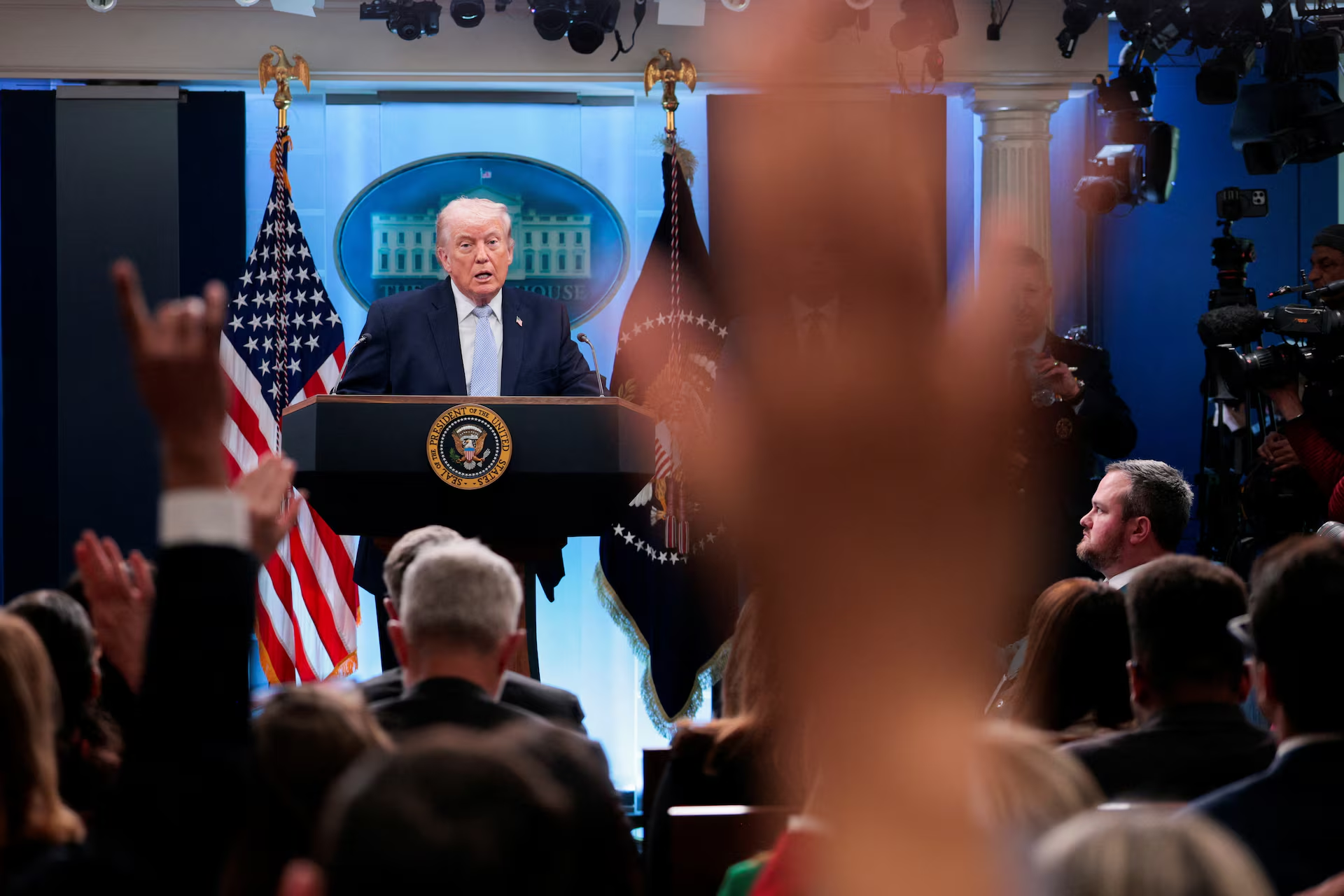
WASHINGTON, D.C. – US President Trump and Iran struck a two-week ceasefire late Tuesday. They stepped back from major destruction right before a US deadline.
President Donald Trump shared the news after Pakistan stepped in with talks. He paused US attacks because Iran promised to fully reopen the Strait of Hormuz.
This deal happened under two hours before Trump’s 8 p.m. Eastern Time cutoff. He had warned of bombing Iran’s power plants, bridges, and vital sites. Now tensions ease for a bit in a fight that killed thousands and messed up world oil since late February 2026.
A US-Israeli operation against Iran kicked off in late February. Nuclear talks failed first. Then Iran shut the Strait of Hormuz after strikes hit. Oil prices jumped because that route carries 20% of global oil. Shipping almost stopped.
Trump gave Iran clear warnings to reopen the Strait for safe traffic. His words got tougher lately. He said no deal by Tuesday night meant “complete demolition” of power plants and bridges. Without action, he added, “a whole civilization will die tonight.”
Iran turned down short breaks. They wanted a full fix, like ending sanctions and no more strikes. Tehran sent a 10-point plan via go-betweens. Trump called it a “significant step,” but not enough alone.
Markets shook as the deadline neared. Energy pros warned of shortages and high prices hitting Europe, Asia, and beyond.
Pakistan Steps Up for Quick Talks
Prime Minister Shehbaz Sharif of Pakistan made the deal happen. He asked publicly for a two-week delay so talks could work. Sharif talked straight with US leaders, including Vice President JD Vance.
Pakistan borders Iran and has old ties there. So Islamabad stayed neutral and hosted back-channel chats. They passed ideas between Washington and Tehran. People close to the talks said Sharif worked hard with many calls. His plan mixed urgent aid with big security fixes.
Trump posted on Truth Social: “Subject to the Islamic Republic of Iran agreeing to the COMPLETE, IMMEDIATE, and SAFE OPENING of the Strait of Hormuz, I agree to suspend the bombing and attack of Iran for a period of two weeks.”
This break lets teams tackle main problems like Iran’s nuclear work, proxy fights, and sanctions.
Main Points of the Deal
The pause lasts two weeks from Tuesday’s announcement. The US holds off strikes on power plants, bridges, and other key spots. Iran must reopen the Strait of Hormuz right away for safe global shipping. Pakistan keeps mediating. Turkey and Egypt might join in. Next, they build on Iran’s 10-point plan for a bigger agreement.
Both sides call it shaky. US leaders say any Iranian slip restarts the bombs. Iran pushes for real peace, not just a quick stop.
Experts see the window as a big chance. “This isn’t peace, but it stops a wider war pulling in others,” one Middle East pro said. He stayed unnamed because talks stay sensitive.
Oil prices dipped in late trading. Traders hope open lanes will steady supplies. Still, no one has checked full compliance yet.
Aid groups cheered the halt. More strikes meant blackouts for millions, bad water, and worse times for regular Iranians.
Big issues linger. First, check if the Strait stays open without Iranian blocks or proxy trouble. The US demands no nuclear weapons from Iran. Tehran says its program stays peaceful. Israel keeps hitting, and Iran backs Hezbollah, so layers add up. Hardliners in both capitals fight to give.
Trump repeats his aim: “Iran cannot have a nuclear weapon.” He sees the push as key for US safety and friends. He offers better ties if Iran shifts.
Iran blames the U.S. and Israel for the attacks. They want sanctions gone as an economic war.
World Responds Fast
China and Russia back talks but slam US threats as risky. They blocked UN moves on the strait before. Europe likes the pause and wants a quick, full calm for energy. Gulf countries quietly want the strait open for their oil sales. Pakistan’s Sharif called it a “victory for diplomacy” and offered more talks in Islamabad.
The UN boss urged both to use the time well and skip bad moves.
The two countries teetered before. Strains started with Iran’s 1979 revolution. Sanctions, proxy wars, and Trump’s pullout from the 2015 nuclear deal marked the years.
This round grew from max pressure, Israeli hits, and Iran’sStraitt shutdown. What began small turned into fights over power and oil flows.
Pakistan’s role shows new shifts. Muslim nations step up to stop bigger blowups.
Looking Forward: What the Next Two Weeks Might Bring
In the coming days, diplomats will likely focus on concrete steps:
- Monitoring and verifying the reopening of the Strait of Hormuz.
- Exchanging detailed proposals based on Iran’s 10-point plan.
- Addressing humanitarian corridors for food and medicine.
- Building confidence through small, verifiable gestures.
Success could lead to broader talks involving more parties. Failure, however, risks returning to the path of destruction Trump outlined so starkly.
For now, the world breathes a collective sigh of relief. A two-week ceasefire may seem short, but in the context of rapid escalation, it represents a critical off-ramp.
As one veteran diplomat put it: “Diplomacy often works best when the alternative is too terrible to contemplate. Tonight, both sides looked over the edge—and chose to step back, at least for now.”
The coming days will test whether this pause can translate into something more enduring. For millions affected by the conflict, that hope cannot come soon enough.
Sources include: White House statements, Pakistani updates, big news reports, and policy backgrounds. All from public info as of April 8, 2026.
Trending News:
Iran War Shatters China’s Economy, Wages Drop to 30-Year Low
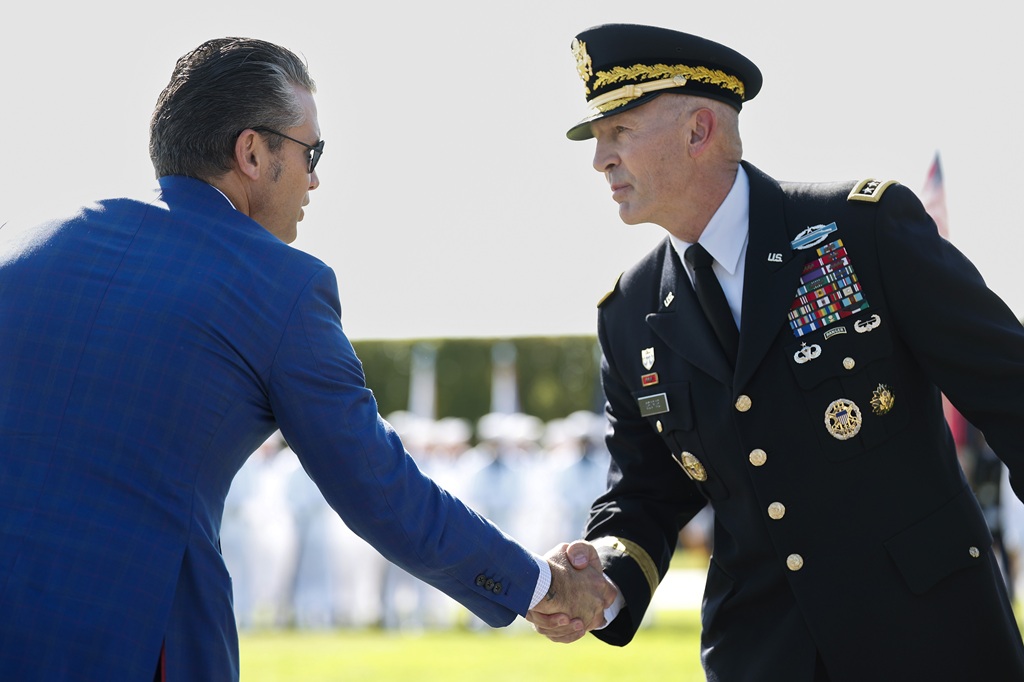
PENTAGON — In a move that has sent shockwaves through the Department of Defense, Gen Randy George, the 41st Chief of Staff of the Army, has been forced to step down effective immediately.
The order came directly from Defense Secretary Pete Hegseth, marking the most high-profile departure in a sweeping administrative purge of the Pentagon’s top brass.
General George’s sudden retirement cuts short a four-year term that was originally set to run until 2027. His exit follows a pattern of rapid leadership changes under Secretary Hegseth, who has sought to reshape the military’s culture and leadership since taking office in early 2025.
In a final, poignant email sent to his staff and senior military leaders on Saturday, General George did not dwell on the politics of his removal. Instead, he focused on the soldiers he led for over three decades.
“It has been the greatest privilege to serve beside you and lead Soldiers in support of our country,” George wrote in the message, which was later confirmed as authentic by Pentagon officials. He urged his colleagues to remain “laser-focused on the mission” and to continue “relentlessly cutting through bureaucracy.”
However, it was his closing remarks that many observers viewed as a pointed farewell. George stated:
“Our soldiers are truly the best in the world—they deserve tough training and courageous leaders of character. I have no doubt you will all continue to lead with courage, character, and grit.”
The emphasis on “leaders of character” is being interpreted by some within the Pentagon as a subtle critique of the current political climate and the unconventional nature of his dismissal.
Why Was Gen Randy George Forced Out?
While the Pentagon’s official statement thanked General George for his “decades of service,” it offered no specific reason for his immediate ouster. However, sources close to the decision cite several key factors:
- Alignment with the New Vision: Secretary Hegseth has been vocal about wanting a leadership team that fully implements the Trump administration’s “warrior culture” and strategic shifts. Sources suggest there were concerns that George, a Biden-era appointee, was not moving fast enough to enact these changes.
- The “Biden Connection”: Before becoming Chief of Staff, George served as the senior military assistant to former Defense Secretary Lloyd Austin. This close association with the previous administration reportedly made him a target for replacement as Hegseth seeks to “remake” the Joint Chiefs of Staff.
- Cultural Clashes: The dismissal coincided with the removal of two other high-ranking officers: Gen. David Hodne and Maj. Gen. William Green Jr. (the Army’s Chief of Chaplains). These moves highlight a broader effort by Hegseth to overhaul military training and the role of chaplains within the force.
- The “Kid Rock” Incident: Tensions between the Army leadership and the Secretary’s office were recently strained when Hegseth personally intervened to reverse the suspension of helicopter pilots who flew a low-altitude salute over musician Kid Rock’s home. While officials say this wasn’t the “sole reason,” it highlighted the growing rift between traditional Army discipline and the Secretary’s command style.
Wartime Uncertainty
The timing of the shakeup is particularly notable. The United States is currently engaged in an intensifying conflict with Iran, with thousands of soldiers recently deployed to the Middle East. Dismissing a service chief with extensive combat experience in Iraq and Afghanistan during active operations is rare in American military history.
“Disruptions of this nature are unusual during wartime,” noted one senior defense official. “General George was a career infantry officer who understood the complexities of the Middle East. Losing that institutional knowledge in the middle of a conflict is a significant gamble.”
What’s Next for the Army?
General Christopher LaNeve, who previously served as Hegseth’s military aide, has been named as the acting Army Chief of Staff. LaNeve is expected to provide the “leadership change” the Secretary has been seeking.
As the Pentagon transitions, the focus remains on the soldiers in the field. General George’s departure marks the end of an era for the “old guard” of the Joint Chiefs. Of the original leaders in place when Hegseth took over, only the Commandant of the Marine Corps and the Chief of Space Operations remain.
Key Takeaways
- The Ouster: Gen. Randy George was asked to retire immediately by Pete Hegseth.
- The Reason: A desire for “leadership change” and a team aligned with the administration’s new vision.
- The Timing: Occurred during heightened tensions and military operations involving Iran.
- The Message: George’s final words stressed the need for “courageous leaders of character.”
Related News:
Russia Evacuates Workers From Iranian Nuclear Power Plant After Trump 48-Hour Ultimatum
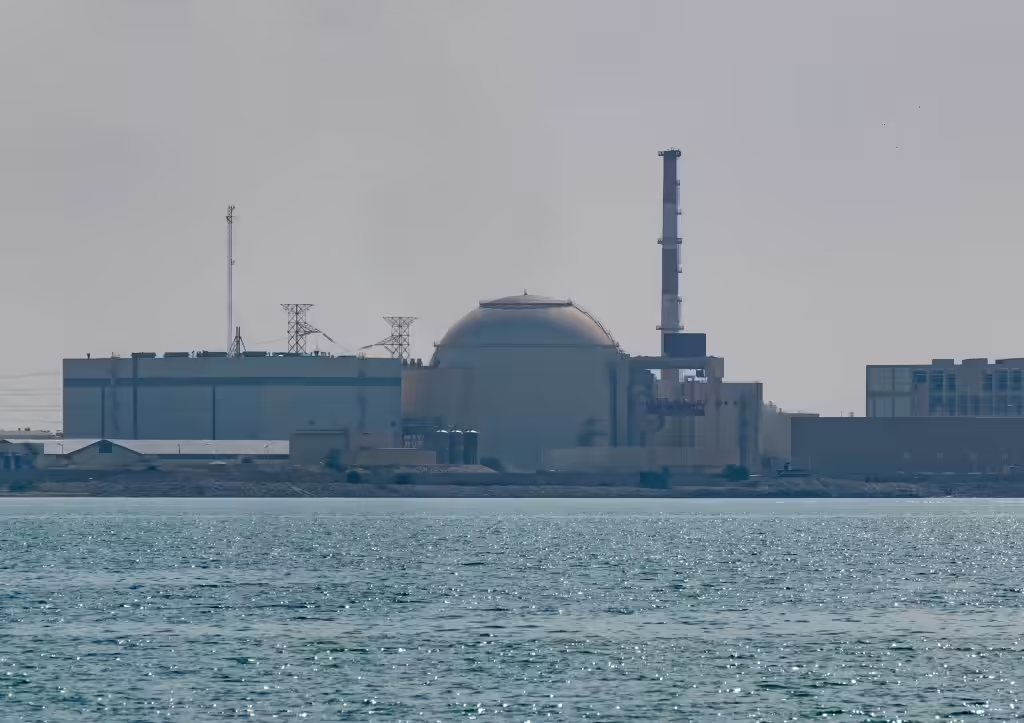
BUSHEHR, IRAN – The geopolitical landscape in the Middle East reached a fever pitch this week as Russia began a mass evacuation of its nuclear technicians from the Bushehr Nuclear Power Plant.
This move follows a direct 48-hour “ultimatum” from U.S. President Donald Trump, who warned the Islamic Revolutionary Guard Corps (IRGC) to meet American demands or face devastating air strikes.
The evacuation of nearly 200 Russian specialists marks a significant shift in the regional conflict, signaling that Moscow—traditionally a key ally of Tehran—may be preparing for a major escalation.
On Saturday, the Russian state nuclear corporation, Rosatom, confirmed the departure of 198 employees from the Bushehr facility. The plant, located on Iran’s southern coast, is a critical piece of the country’s energy infrastructure and was built with extensive Russian assistance.
Recent reports indicate that the evacuation was not just a precaution but a response to immediate danger. A projectile fragment recently struck near the plant, killing a security guard and causing minor structural damage.
Key details of the evacuation include:
- Safe Passage: Workers are being transported via bus toward the Armenian border.
- Coordination: Reports suggest Russian officials may have coordinated the exit with the Israel Defense Forces (IDF) to ensure the safety of the convoy.
- The “Worst-Case” Scenario: Rosatom Director General Alexey Likhachev stated that the situation near the plant is unfolding in a way that suggests high-intensity conflict is imminent.
Trump’s 48-Hour Warning: “Hell Will Reign Down.”
The exodus of Russian staff coincided with a blunt message from the White House. President Trump issued a 48-hour deadline for Iran to reopen the Strait of Hormuz—a vital global shipping lane—and reach a new security deal.
In a social media post that sent shockwaves through global markets, the President warned that if the deadline passes without compliance, “all hell will reign down” on the IRGC and Iranian infrastructure.
Potential Targets for U.S.-Israeli Strikes
Military analysts suggest that if the deadline expires, the U.S. and Israel may target several strategic locations:
- Power Grids and Bridges: Aims to disrupt internal logistics and the Iranian economy.
- IRGC Command Centers: Designed to degrade the military’s ability to respond.
- Oil and Gas Facilities: Intended to cut off the regime’s primary source of revenue.
The Risk of Nuclear Contamination
The most concerning aspect of the tension at Bushehr is the risk of radioactive fallout. Iranian Foreign Minister Abbas Araghchi has warned that any direct hit on the nuclear facility would not just affect Iran. He stated that contamination could drift across the Persian Gulf, threatening the capitals of neighboring countries like Kuwait, Qatar, and Bahrain.
While the plant is currently operational, the loss of Russian technical expertise makes it harder for Iran to manage the facility safely under the stress of a potential bombardment.
Russia’s Strategic Retreat
Russia’s decision to pull its workers highlights the limits of its support for Tehran. While Moscow has benefited from Iranian military aid in the past, it appears unwilling to risk the lives of its citizens or engage in a direct military confrontation with the U.S.-Israeli coalition.
Observers note that by evacuating now, Russia is “hedging its bets”—preserving its technical assets while maintaining enough distance to avoid being drawn into a second high-intensity war alongside its domestic commitments.
As the 48-hour clock ticks down, the international community is watching for any signs of a diplomatic breakthrough. President Trump has signaled there is a “good chance” for a deal, but Iranian commanders have remained defiant, promising a “crushing” response to any strikes.
For now, the buses carrying Russian engineers toward Armenia are a somber reminder that the window for a peaceful resolution is closing fast.
Related News:
Russia Tells Iran to Scale Back Hostilities Toward the United States


Trump and Iran Agree to Two-Week Pause After Pakistan Brokers Deal

Iran War Shatters China’s Economy, Wages Drop to 30-Year Low

Is the Clock Ticking for ’60 Minutes’? Top Talent Braces for CBS Layoffs

Yamaha Joins the Mass Exodus from California

Gen Randy George Ousted as Army Chief Amid Wartime Shakeup

Russia Evacuates Workers From Iranian Nuclear Power Plant After Trump 48-Hour Ultimatum

ICE Arrests Late Iranian General Qasem Soleimani’s Niece in Los Angeles

Canada Accused of Harboring IRGC Members While US Battles Iran

ActBlue Accused of Leaving ‘Backdoor’ Open for Foreign Cash

Mamdani Wants $229M From New York Employee Retirement Fund

Thai Billionaire Charged With Lese Majeste Over Facebook Post

Russia Bans Facebook, Meta Says It’ll Do “Everything” To Restore Service

Facebook Login Feature – Clash of Clans

4 Things you can do to take your Facebook Lead Generation to the Next Level

Zuckerberg to Allow Violent Speech on Russia After Facebook Blocked

Facebook Loses $200 Billion as Users Shift to TikTok

Downloading Facebook Videos Anonymously with High Quality Video through Snapsave app

The Best Site to Buy Real Facebook Likes and Followers in 2022

Chinese Man Arrested for Using Facebook to Dupe Cryptocurrency Investor

Google and Facebook Under Huge Pressure Over User Privacy

President Trump Addresses Nation on War with Iran

Trump Warns NATO Allies: America Won’t Protect Slackers After Iran Clash

Senate Hearing on Fraud and Foreign Influence Turns Tense Over Minnesota Scandals

CNN Forced to Backtrack Its Reporting on Trump’s Iran Talks

Joe Rogan Slams Gavin Newsom for Mocking Nick Shirley

Mosque Set Ablaze in Iran a Citizens Revolt Against the Islamic Regime

AOC Accuses Jessie Watters of Fox News of Sexualizing and Harassing Her

JD Vance Exposes Walz’s Fraud and CNN’s Lies in White House Presser

Milestone Card Credit: How the Milestone MasterCard Can Transform Credit
-

 China2 months ago
China-Based Billionaire Singham Allegedly Funding America’s Radical Left
-

 Politics2 months ago
CNN Delivers Stark Reality Check to Democrats Over Voter ID
-
 News3 months ago
Mosque Set Ablaze in Iran a Citizens Revolt Against the Islamic Regime
-

 Health3 months ago
RFK Jr Introduces the New Food Pyramid to “Make America Healthy Again”
-

 Politics2 months ago
Ilhan Omar’s Connections to Convicted Somali Fraudsters Surface
-

 Politics3 months ago
President Trump Addresses ICE Actions Amid Minnesota Unrest
-
 Politics3 months ago
Tim Walz Exposed For Faking Financial Records In State Audit
-

 News3 months ago
Former CNN Anchor Don Lemon Facing Charges Under Ku Klux Klan Act