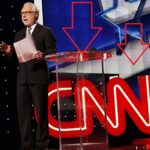


WASHINGTON, D.C.– CBS is taking heat over an edit in its 60 Minutes interview with Defense Secretary Pete Hegseth. The dispute centers on a segment that aired March 8, 2026, during the ongoing U.S. conflict with Iran. In the broadcast, correspondent Major Garrett pressed Hegseth on U.S. foreign policy priorities.
On March 9, Megyn Kelly opened The Megyn Kelly Show on SiriusXM by pointing to what she called a key change. She said CBS replaced Garrett’s original question, which referenced criticism from “America First” voices (including Kelly), with a version framed around Israel and Prime Minister Benjamin Netanyahu. In Kelly’s view, that swap changed the meaning of Hegseth’s answer and could have given viewers a different impression of what was being discussed.
The Interview Setting: The U.S.-Iran War and Hegseth’s Message
The 60 Minutes segment featured Hegseth, a former Fox News host who now serves as Defense Secretary under President Donald Trump. He spoke about the escalation tied to “Operation Epic Fury.” By the time the episode aired, U.S. and Israeli strikes on Iranian assets had entered their second week. During the interview, Hegseth stressed resolve, said more casualties were likely, and predicted Iran would eventually surrender.
CBS also posted a longer version of the interview online. That extended cut includes more on possible American losses, risks tied to Russia, and the administration’s wider goals.
What Kelly Says CBS Changed
Kelly said she compared the on-air segment with the longer online interview and found a major difference in one exchange.
- Broadcast version (aired on 60 Minutes): In the edited segment, Garrett’s question (or narration around it) referenced criticism that Israel, or Netanyahu, was pulling the United States into conflict. Hegseth’s response then appeared to address concerns linked to Israel’s role.
- Online extended version (full exchange): Garrett asked, “You mentioned America First. Some who identify with that movement, Megyn Kelly, Tucker Carlson, Candace Owens, Marjorie Taylor Greene, have said, from their perspective, this isn’t an America First campaign. Do you want to address that criticism?”Hegseth answered, “All I know is I’m in the room every day, and I see how President Trump operates and what he’s putting first, and it’s America, Americans, and American interests at every level.”
Kelly said the broadcast edit pushed Israel into a moment that, in the longer cut, had nothing to do with Israel. She argued that the new framing made it sound like Hegseth was defending Israel’s part in the war, instead of answering “America First” critics. Kelly called the change “deceptive” and said it looked like an attempt to “rehabilitate” public views of Israel’s involvement in the Iran fight.
“What kind of bulls–t is this?” Kelly reportedly said, accusing CBS of shaping the narrative through editing.
CBS Editing Choices Get Fresh Scrutiny
As of March 10, 2026, CBS had not released a formal statement addressing the claim. Still, the network’s decision to publish the extended interview online made it easy for viewers to compare both versions. That side-by-side access helped drive the backlash.
Kelly and other critics tied the issue to bigger arguments about media bias. Some also pointed to CBS News leadership under editor-in-chief Bari Weiss, whom they described as having pro-Israel views. Kelly argued the edit fit an agenda that casts U.S. actions as tied closely to Israeli interests, even when the original exchange did not focus on that angle.
60 Minutes has faced similar complaints before. Past disputes have accused the program of selective editing in political interviews, which has kept questions about transparency alive.
Reactions and the Bigger Stakes
The clip dispute quickly spread across media outlets and social platforms.
- Conservative voices praised Kelly and said the edit showed how mainstream outlets treat “America First” views.
- Others defended CBS, saying edits are normal when a long interview must fit a tight broadcast window.
- Some supporters of the administration said it looked like another attempt to weaken Trump’s foreign policy message.
Because the U.S. military campaign is active, the timing matters. Hegseth’s appearance was meant to project strength and certainty. Instead, the argument over editing shifted attention to media trust and how much framing can change what viewers take away.
Kelly ended by urging people to watch both versions. She stressed that, in her view, “The Q&A you saw never mentioned Israel at all,” and said CBS changed the question to make it about Israel.
What It Means for Media Trust
With audiences already split along political lines, even small shifts in wording can fuel bigger mistrust. When a network changes the framing of a question, it can look like agenda-driven editing, even if the rest of the answer stays the same. CBS’s release of the full interview gives the public a way to verify what happened. At the same time, it shows how a broadcast cut can reshape the story people think they heard.
As the Iran conflict continues, both the war itself and the coverage around it will draw more scrutiny. For now, the Hegseth interview has become another flashpoint in the fight over fairness, accuracy, and where editing ends and manipulation begins.