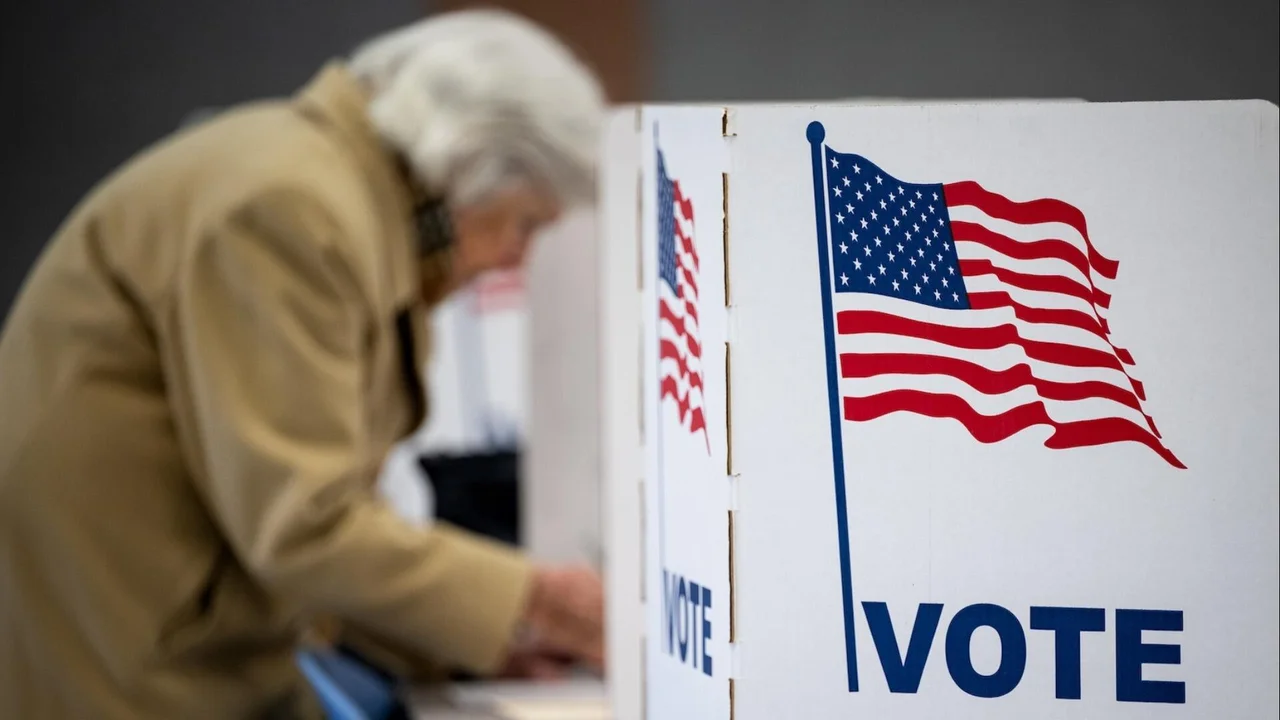



WASHINGTON, D.C. – A massive political and legal battle is unfolding with the Democrats over the future of mail-in voting in the United States. Late last week, the U.S. Postal Service (USPS) unveiled a highly controversial proposed rule that would fundamentally change how mail-in and absentee ballots are handled.
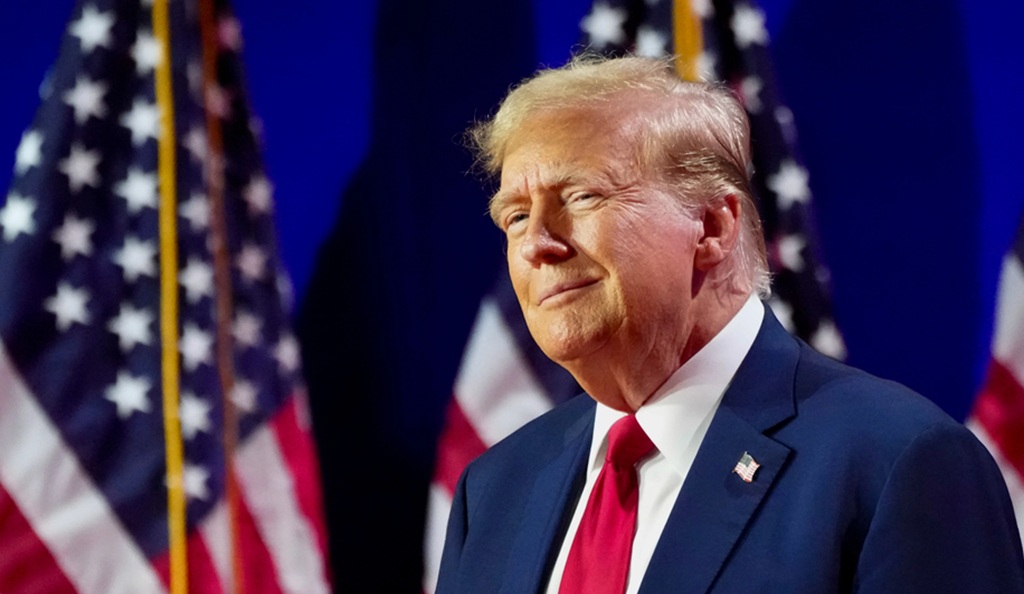
The move is the first major step to implement President Donald Trump’s March 31 executive order on election integrity. The sweeping order aims to restrict the delivery of mail-in ballots to federally verified lists of citizens.
The reaction from Democrats, voting rights advocates, and election lawyers has been swift and fierce. Critics are calling the new rules an unconstitutional overreach and a direct threat to the 2026 midterm elections. Meanwhile, the administration and its supporters defend the changes as common-sense measures to protect election security.
What Do the New USPS Rules Require?
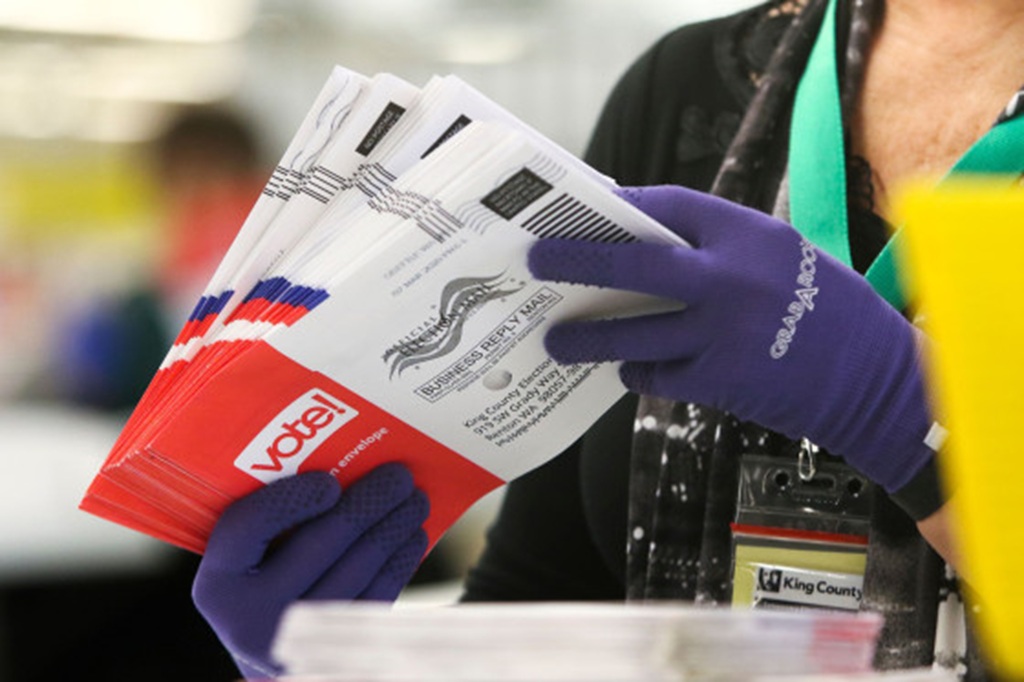
The proposed USPS rule, which was made available on the Federal Register website, establishes strict federal guidelines for processing election mail. The most significant change forces state election officials to submit a pre-approved list of eligible mail-in voters to the Postal Service.
Key elements of the new system include:
- The 30-Day Cutoff: States must send USPS their list of voters who requested mail-in or absentee ballots at least 30 days before those ballots go out under state law.
- Delivery Bans: If a voter is not on that state-provided list, the Postal Service will refuse to deliver their ballot.
- Mandatory Tracking: All mail-in and absentee ballots must use secure envelopes with unique Intelligent Mail barcodes to facilitate strict tracking.
- Data Sharing: The new tracking framework will create data reporting standards available to federal law enforcement agencies.
The USPS proposal does include a few exceptions not found in the original executive order. For instance, the agency plans to exempt overseas and military voters from these strict tracking requirements. The agency also noted that the rules would not apply to primary elections, as the report details show on Democracy Docket.
Democrats Freak Out
Opponents of the rule argue that the administration is attempting a federal takeover of systems traditionally managed by local governments. They warn that the policy could disenfranchise millions of legitimate voters.
Election law experts point out that a 30-day federal cutoff conflicts directly with state registration deadlines. Many states allow residents to register to vote or request an absentee ballot just days before an election. Under the new USPS rules, a voter who registers late might be legally permitted to vote by state law, but the Postal Service would be barred from delivering their ballot.
The executive order relies heavily on the Department of Homeland Security (DHS) to compile “State Citizenship Lists” using federal databases. Civil rights groups argue that these databases—including records from the Social Security Administration—are notorious for clerical errors. According to a research report from the Brennan Center for Justice, relying on flawed data could mistakenly strip eligible, naturalized U.S. citizens of their voting rights.
The executive order directs the Attorney General to prioritize the investigation and prosecution of election workers who distribute ballots to individuals the federal government deems ineligible. Critics argue this is a clear attempt to intimidate local officials who are simply following their own state’s election laws.
The Mail-in Ballots Battle Heats Up
The fight has already triggered at least five separate lawsuits across the country. A major legal coalition led by Senate Minority Leader Chuck Schumer, House Minority Leader Hakeem Jeffries, and the Democratic National Committee quickly sued to block the order.
As reported by the Associated Press, the lawsuit argues that the U.S. Constitution gives states and Congress—not the president—the explicit power to run elections and set postal policy.
The litigation took a turning point just one day before the USPS announcement. U.S. District Judge Carl Nichols, a Trump appointee, denied an initial request by Democrats for an immediate injunction. Judge Nichols ruled that the lawsuit was premature because federal agencies had not yet taken concrete actions to enforce the order, as detailed by Courthouse News Service.
However, Judge Nichols explicitly noted that plaintiffs could renew their legal challenges once the actual rulemaking process began. With the USPS officially moving forward, election attorneys are preparing to head back to court immediately. Another pivotal hearing brought by Democratic attorneys general is scheduled in Massachusetts, according to Al Jazeera.
The Administration’s Defense
President Trump and White House officials have strongly defended the executive actions. They argue the measures are necessary to protect public confidence in American elections and close self-certification loopholes.
A White House official fact sheet states that federal law explicitly bans non-citizens from voting in federal elections. The administration maintains that verifying citizenship through federal databases and securing mail-in ballot envelopes are basic, common-sense security upgrades.
Supporters also point out that the USPS rule keeps states in control of their voter data. The rules allow states to submit supplemental updates to their voter lists up until the election, which the administration claims will prevent eligible voters from being left behind.
The U.S. Postal Service plans to formally publish the proposed rule on June 2, 2026. This publication will open up a public comment period, giving citizens, election officials, and voting rights organizations an opportunity to weigh in on the changes.
With the 2026 midterm elections fast approaching, the timeline is tight. If the rules survive the ongoing wave of federal lawsuits, state election offices will face a massive administrative burden. They will have to completely overhaul their mailing systems and integrate their local databases with the federal government’s new tracking infrastructure in just a matter of months.
Trending News:
Democrats Panic as Trump Mobilizes Massive Election Army for Midterms
Supreme Court Crushes Democrats’ Racial Gerrymandering in 6-3 Decision