



WASHINGTON, D.C. – A nationwide push to recruit thousands of poll watchers and lawyers has sparked intense debate over election security, leaving Democrats scrambling to mount a counter-strategy ahead of the crucial midterm elections.
The upcoming midterm elections are shaping up to be one of the most closely watched political battles in modern history. As the campaign season heats up, President Donald Trump and his allies have launched a massive, well-funded initiative to place thousands of trained observers and legal experts directly inside voting centers.
Political insiders are calling it a “Trump election army.” This sweeping effort is causing high anxiety among Democratic leaders, who worry this strategy could lead to chaos at the polls. Here is a deep dive into what this mobilization looks like, why it is happening, and how it could change the way you vote.
Building the “Election Army”: What Is the Plan?
For years, political parties have used poll watchers to keep an eye on the voting process. However, the scale of this current operation is entirely new. The Republican National Committee (RNC), working closely with the Trump campaign, is spending millions of dollars to build a massive ground game focused entirely on the voting process itself.
Instead of just focusing on getting people to vote, the party is heavily focused on what happens to those votes once they are cast. According to reports from political news outlets like Reuters, the goal is to recruit and train over 100,000 volunteers. These volunteers will be deployed across key swing states, focusing heavily on areas where elections are historically tight.
The Key Roles in the Operation
This new strategy is highly organized. It goes far beyond simply asking volunteers to stand near a voting booth. The plan breaks down into several key areas:
- Trained Poll Observers: These are everyday citizens who undergo specific training sessions. They are taught exactly what to look for regarding election laws in their specific state. Their job is to stand inside the voting locations and watch the check-in process, the voting booths, and the ballot-counting areas.
- Rapid Response Legal Teams: Behind the volunteers is a massive network of lawyers. If a volunteer spots something they believe is wrong, they do not just complain to a local worker. They call a dedicated hotline connected straight to legal experts ready to file lawsuits within minutes.
- Poll Workers: Rather than just watching from the outside, the campaign is actively encouraging its supporters to apply for official, paid positions as local election workers. This puts them directly in charge of handling ballots and managing the voting process.
Why Are Democrats Sounding the Alarm?
The sheer size of this program has sent shockwaves through the Democratic Party. While Republicans argue this is simply a push for election integrity and transparency, Democrats see a very different picture.
First, Democratic leaders argue that this “army” is designed to intimidate voters. They fear that having aggressive poll watchers hovering over voting stations will scare people away, especially in minority neighborhoods where voting rights have historically been threatened. Groups like the American Civil Liberties Union (ACLU) have long warned that poorly trained or highly partisan poll watchers can disrupt the peace of a polling place.
Second, Democrats are worried about a slowdown in the process. If thousands of observers are constantly challenging the identity of voters or questioning the validity of mail-in ballots, lines at polling stations could stretch for hours. For everyday workers who only have a short window of time to vote, long lines can force them to give up and go home.
In response, Democrats are rushing to build their own voter protection teams. They are setting up hotlines, recruiting their own lawyers, and training volunteers to watch the watchers. However, some party officials privately admit they are currently struggling to match the funding and energy of the opposition’s highly organized effort.
The Battleground States: Where the Fight Will Happen
This clash will not happen everywhere. The “election army” is tightly focused on specific battleground states that will decide the balance of power in Congress.
Arizona and Nevada
In the Southwest, mail-in voting is very common. Here, observers are being trained to carefully watch signature verification processes. Disputes over whether a signature on an envelope matches the one on a voter’s registration card are expected to be a massive source of conflict.
Pennsylvania and Michigan
In the Rust Belt, the focus is often on the major cities, such as Philadelphia and Detroit. These areas usually heavily favor Democratic candidates and take longer to count their votes. Republican legal teams are preparing to heavily scrutinize the drop boxes and counting centers in these urban hubs, looking for any breaks in the chain of custody.
Georgia
Georgia has recently passed strict new voting laws. Observers in this state will be monitoring everything from voter ID checks to how absentee ballots are collected. Because the rules have changed so much recently, there is a high chance for confusion and conflict at the polls.
The Shift to the Courtroom
Perhaps the most significant change in this midterm election is the shift from the ballot box to the courtroom. In the past, elections were mostly decided by who could get the most people to the polls. Now, both sides are preparing for the election to be decided by judges.
By having thousands of people take notes and record events on election day, the Trump campaign is gathering evidence. If a race is close, this evidence will be used to file lawsuits to throw out specific groups of ballots or challenge the final results. You can read more about how election litigation has surged in recent years through detailed reports by The Associated Press.
This means that election day might no longer end on election night. The country may have to wait days or even weeks as armies of lawyers fight over the results in courtrooms across the country.
What This Means for the Everyday Voter
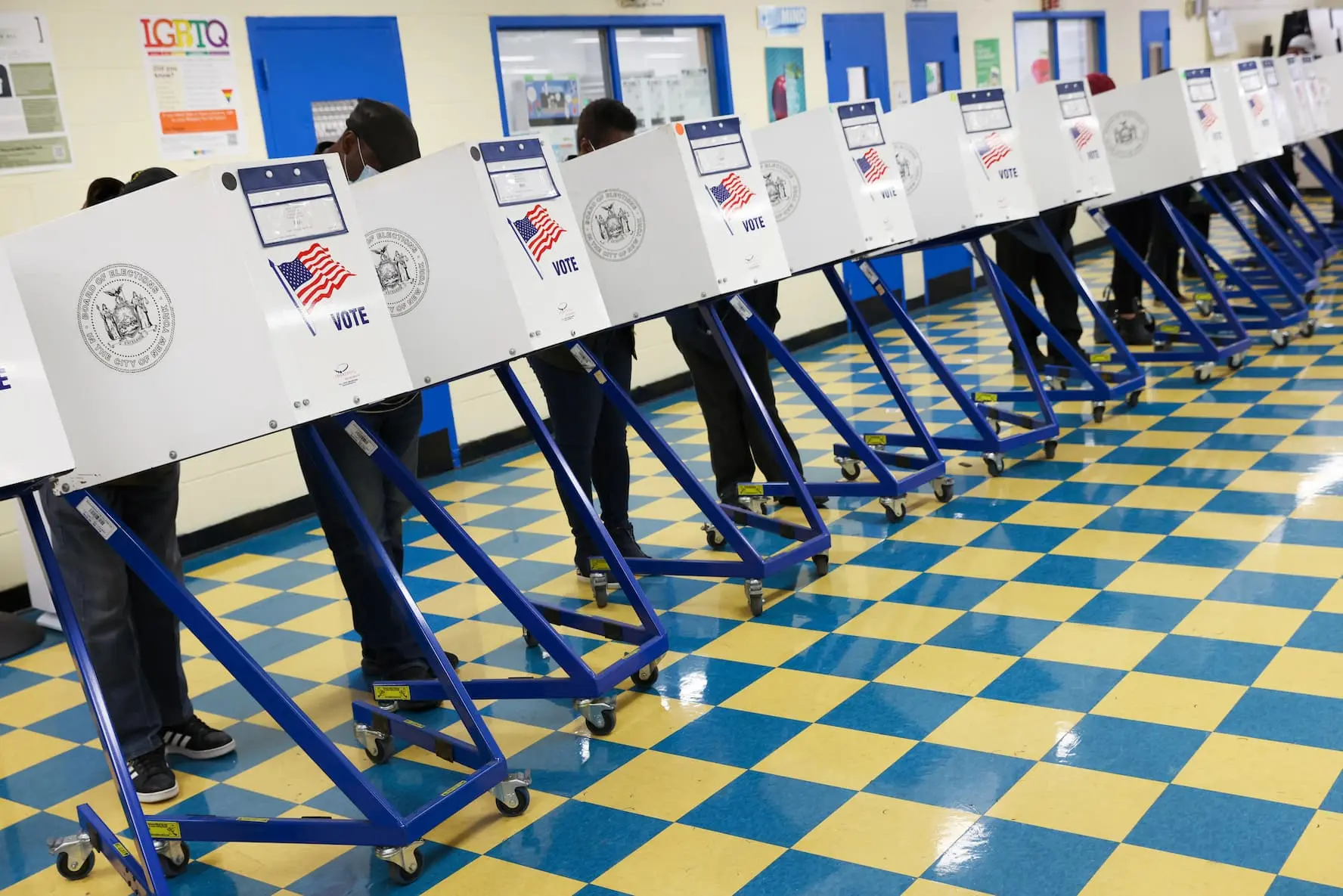
If you are planning to vote in the upcoming midterms, you might notice some changes at your local polling place. You can expect a much heavier presence of political observers. There may be more people wearing badges, carrying clipboards, and taking notes.
Furthermore, you should be prepared for potential delays. Because the rules are being watched so closely, poll workers may take longer to check IDs or process address changes.
Local election officials are doing their best to prepare. They are holding extra training sessions to ensure their staff know how to handle overly aggressive poll watchers without violating anyone’s rights. However, election workers are often temporary employees or volunteers themselves, and the pressure of this new environment is causing many experienced workers to quit.
A Stress Test for the Voting System
Ultimately, the upcoming midterms will serve as a massive stress test for the American voting system. The rules of the game are changing. Voting is no longer just a civic duty; it has become a highly scrutinized legal process.
While the Republican push for poll watchers is framed as a necessary step to ensure fair elections, the resulting panic from Democrats highlights a deep lack of trust in the system. Both sides are gearing up for a fight, pouring money into legal teams rather than just television ads.
As election day approaches, all eyes will be on the polling places. Whether this “election army” brings clarity and security to the process, or chaos and intimidation, remains to be seen. One thing is certain: the fight for control of Congress will be fought just as fiercely inside the voting booth as it is on the campaign trail.
Trending News:
Democrats May Be Moving to Rig the System as They Lose the Majority
Trump Embarrasses CNN’s Kaitlan Collins in Brutal Swipe at The White House