

WASHINGTON, D.C. – President Donald Trump used a Fox News interview to send a direct warning to Tehran: the United States is ready to answer any Iranian military move. His comments come during a stretch of rising friction in the region, with nuclear talks in Oman only days away. The moment highlights how close diplomacy and conflict now sit.
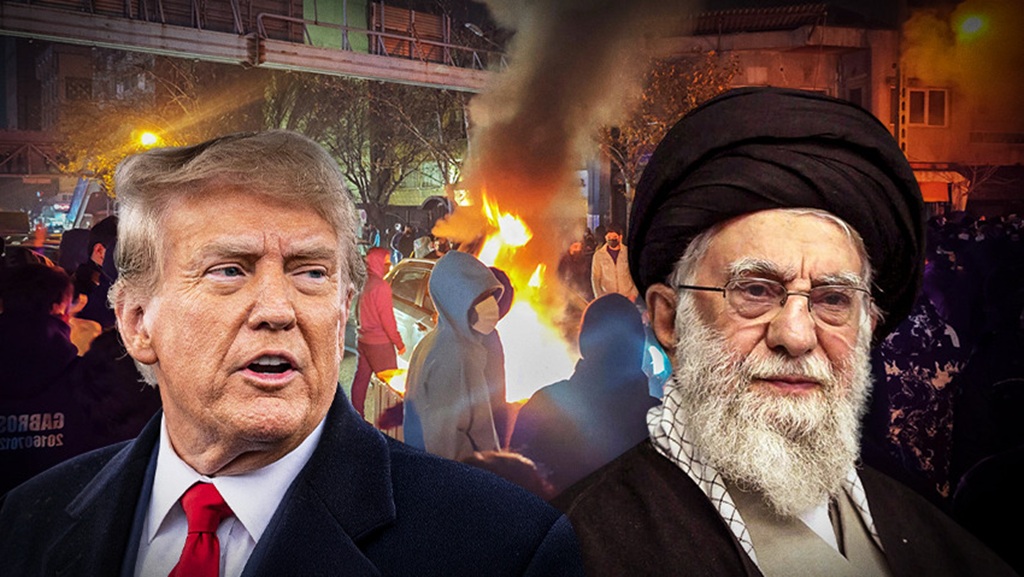
Fox News correspondent Benjamin Hall discussed the growing U.S.-Iran standoff. Trump said the U.S. is “prepared” if Iran takes military action. He framed that posture around efforts to block Tehran’s nuclear progress and limit Iran’s reach across the region.
The remarks arrive as reports mount of dangerous encounters at sea, including Iranian gunboats trying to board a U.S. oil tanker and U.S. forces intercepting drones.
What’s driving the latest spike in U.S.-Iran tensions
U.S.-Iran relations have slid fast since Trump returned to office, building on years of disputes over Iran’s nuclear program, proxy groups, and ballistic missiles. The temperature climbed last June after U.S. strikes hit Iranian nuclear sites, following Israel’s 12-day campaign against Iran. Iran’s crackdown on protests after that only added fuel to the cycle.
In recent weeks, Iranian vessels have pressed commercial traffic near the Strait of Hormuz. At the same time, U.S. warships have stepped in to stop threats in the Persian Gulf and the Arabian Sea.
Trump has kept up pressure in public, saying Iran must stop moving its nuclear work forward and cut support for groups such as Hezbollah and the Houthis. In one exchange, he pointed to “very big, powerful ships” positioned near Iran. He said he wants diplomacy to work, but won’t hesitate if it fails.
The strategy resembles Trump’s first-term “maximum pressure” approach, but officials now describe it as more urgent. The administration says any agreement must cover nuclear limits, missiles, and proxy networks. Iran has rejected that broader package.
Oman talks: narrow agenda, high stakes
Even with the threats, both sides are still talking. U.S. and Iranian officials are scheduled to meet on Friday in Muscat, Oman. The talks are expected to focus on Iran’s nuclear program and possible sanctions relief.
The meeting location shifted from Istanbul to Oman at Iran’s request. That move also narrowed the agenda to nuclear issues, leaving out wider regional security topics that Washington has pushed.
U.S. envoy Steve Witkoff is expected to attend, and Jared Kushner may also be involved. They are set to meet Iranian Foreign Minister Abbas Araghchi. Oman has played go-between for years and has hosted past indirect talks.
Trump has said Iran is “seriously talking” with the U.S., but many remain doubtful. Secretary of State Marco Rubio has said progress depends on Iran accepting limits on missiles and proxy ties. Iranian officials say they will only discuss the nuclear file, and only “on an equal footing.”
Trump has also tied the talks to the risk of force, warning that if talks fail, future strikes could be “far worse” than earlier action.
Iran’s playbook: proxies, missiles, and pressure points
Iran often relies on indirect power rather than head-to-head fights. Analysts describe a layered plan meant to raise the cost of any attack. That includes large waves of ballistic missiles and drones, plus proxy activity tied to the “Axis of Resistance” in Lebanon, Yemen, Iraq, and Syria.
Tehran also holds a major economic threat over the region: disruption in the Strait of Hormuz. Iranian officials have said they would respond “with everything we have” if attacked. They have pointed to options like cyberattacks and interference with shipping.
Still, the past year has exposed weaknesses, including gaps revealed during last year’s strikes. That has sparked internal debate inside Iran about whether a more flexible approach could reduce risk. Other voices argue the opposite, that only the threat of a long conflict can hold the U.S. back.
U.S. naval buildup near Iran
The Pentagon has increased forces in the region to back up Trump’s warnings. The USS Abraham Lincoln carrier strike group is operating in the Arabian Sea, alongside guided-missile ships and aircraft such as F/A-18 Super Hornets and F-35C Lightning IIs.
Other reported assets include the USS Delbert D. Black, USS McFaul, and USS Mitscher near the Strait of Hormuz. Littoral combat ships are also operating in the Persian Gulf, with added air support from bases in Jordan and Qatar.
Satellite imagery has shown expanded activity at sites such as Muwaffaq Salti Air Base. Missile defenses, including THAAD and Patriot systems, are reinforcing protection for U.S. forces and partners. U.S. officials have described the buildup as a large force meant to deter attacks and allow a fast response if needed.
What happens next, and what could go wrong
The next few days could set the tone for months. A deal in Oman could produce a limited nuclear agreement, ease some sanctions, and cool the situation. A breakdown could bring the opposite, with small incidents turning into direct clashes.
Analysts warn the risks are real: a proxy strike could draw U.S. retaliation, or Iran could try to disrupt key shipping lanes. Either outcome could push energy prices higher and shake global markets.
Regional partners such as Saudi Arabia and the UAE could also face attacks, and Israel could be pulled deeper into the conflict. Trump has held off strikes before to leave room for talks, but his latest comments suggest little patience for what he sees as Iranian defiance.
As attention shifts to Muscat, Trump’s Fox News statement stands as both a warning and a show of resolve. The outcome could be a narrow deal or a wider crisis. The stakes include nuclear risk, regional stability, and global security.