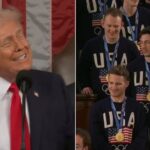


WASHINGTON, D.C. – President Donald Trump’s State of the Union mixed policy talk with emotional tributes. During the address, he recognized several American war heroes with high military awards, and the chamber responded with loud applause.
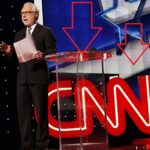
Afterward, CNN anchor Abby Phillip drew criticism when she compared those moments to a “game show,” a remark many viewers took as dismissive toward veterans and their sacrifices.
At the same time, fellow CNN journalist Kaitlan Collins pushed a separate critique, pressing on why Trump did not mention Jeffrey Epstein-related files. Together, the comments kicked off a fresh argument about CNN’s tone and standards.
Veteran broadcaster Bill O’Reilly added fuel by calling the network “an embarrassment to journalism.” With politics still hot in 2026, the clash shows how divided media coverage of the Trump administration has become.
Trump’s State of the Union: Policy, Then Personal Tributes
Trump delivered his 2026 State of the Union on February 24, and the speech ran unusually long. He highlighted foreign policy, economic recovery, and national security. Even so, the night’s most talked-about moments came when he paused to honor service members and veterans.
Among the recognitions:
- Medal of Honor for Navy Capt. E. Royce Williams: At 100, Williams received recognition for a 1952 Korean War dogfight. According to the account shared, he shot down four Soviet MiGs while outmatched.
- Medal of Honor for Army Chief Warrant Officer Eric Slover: Trump praised Slover for landing a damaged Chinook while wounded during the January 2026 mission tied to capturing former Venezuelan leader Nicolás Maduro.
- Purple Hearts for National Guard members: Staff Sgt. Andrew Wolfe and another guardsman received Purple Hearts for injuries from a Washington, D.C., ambush, pointing to ongoing concerns about security at home.
The medal presentations brought multiple standing ovations. Some Democrats also rose, and many viewers saw the tributes as a rare moment that cut through a tense Congress. Trump framed the honors as proof of national character, saying, “These heroes remind us why America remains the greatest nation on Earth.” He also covered the economy, border security, and global issues, but the award ceremonies became the emotional center of the night.
During CNN’s post-speech coverage, Abby Phillip offered a critique focused on presentation and tone. Talking about the medal moments, she said, “He utilized almost like these game show-type moments where you’re seeing awards being presented to really bring these moments of togetherness that otherwise might not have been there. I actually thought it was very skillfully done.”
Her broader point was that Trump blended policy with made-for-TV visuals. In Phillip’s view, the honors helped create unity in a speech that otherwise reflected deep political divides.
Still, the wording hit a nerve. Critics said the “game show” line made solemn military recognition sound like entertainment. The clip spread quickly online, and many posts accused CNN of showing disrespect toward veterans.
The Backlash: Claims CNN Mocked Veteran Sacrifice
Criticism of Phillip’s comment came fast, and it got loud. While much of the pushback came from conservative media and social accounts, the outrage spilled into wider circles once the clip went viral. Fox News highlighted the remark as an example of media bias, saying it reduced serious acts of valor to a production trick.
Around the same time, MSNBC’s Jen Psaki described parts of the speech as a “circus entertainer” segment, which added to the claim that major outlets were focused on mocking style instead of acknowledging service.
Several reactions stood out:
- Dave Rubin on The Rubin Report: Rubin shared the clip and argued Phillip was “belittling war heroes” by framing medal presentations as stunts. He also noted that such moments have appeared in past State of the Union addresses, including under President Biden.
- Laura Ingraham on Facebook: Ingraham defended the ceremonies, calling them “stories of American heroes contrasted with the stunts of desperate Democrats,” and said Phillip’s take missed the point.
- Social media response: Hashtags like #CNNDisrespectsHeroes trended, as users pointed out that presidents from both parties have used similar tributes without this kind of commentary.
To many critics, the larger issue was priorities. They argued that some outlets rush to score style points, even when the topic involves military service and sacrifice.
Kaitlan Collins Turns to Epstein Files and What Trump Left Out
The controversy did not stop with Phillip. On the same post-SOTU coverage, CNN’s Kaitlan Collins pressed Trump’s silence on the Jeffrey Epstein files. In a discussion with Speaker Emerita Nancy Pelosi, Collins highlighted that Trump did not address the recently released documents, which describe Epstein’s connections to powerful people in politics and business.
Collins asked Pelosi, “What did you make of that?” referring to the omission and to ongoing complaints about Justice Department redactions raised by Epstein survivors. Some viewers saw the question as a pivot away from the speech itself, and critics argued Collins was trying to undercut the address by shifting to scandal-focused talking points.
The Epstein files, released in early 2026, reportedly include millions of documents and reference figures such as Elon Musk and Howard Lutnick, both linked to the Trump administration. Trump has faced scrutiny for past ties to Epstein, although he has denied wrongdoing. Collins has stayed on the topic for months, including a tense Oval Office exchange in which Trump called her the “worst reporter.” Supporters of Trump framed her approach as partisan, while supporters of Collins said she was doing her job by pushing for answers.
Why the Epstein Story Still Shapes 2026 Politics
Epstein remains a political flashpoint because the public still wants transparency. After the 2026 releases, survivors and advocates again criticized redactions, saying they hide accountability. The administration has defended its handling, but the lack of any mention during the State of the Union gave critics room to say Trump avoided the issue.
That choice also changed the post-speech conversation. Instead of focusing on policy and the medals, part of the coverage shifted toward questions about documents, redactions, and past associations. Critics called that opportunistic, while defenders argued it is fair to raise hard topics when a president speaks to the nation.
Bill O’Reilly Blasts CNN as an “Embarrassment to Journalism”
Bill O’Reilly, speaking on his No Spin News podcast, has repeatedly attacked CNN’s coverage style and editorial choices. In a February 18, 2026, episode, he accused the network of dishonest framing. He also argued CNN downplays some stories while giving extra attention to anti-Trump narratives.
O’Reilly has criticized CNN’s fact-checking segments and use of anonymous sources. In one segment, he said, “CNN should be absolutely ashamed of itself.” After the State of the Union coverage, he sided with critics of both Phillip and Collins, saying their comments showed how far the network has drifted from straight reporting.
His argument lands with viewers who already distrust major news outlets. O’Reilly and others also point to ratings drops and weak trust polling as proof that CNN’s reputation has taken hits in recent years.
What This Says About CNN and Today’s Media Split
CNN, once seen as the model for 24-hour cable news, has faced years of bias accusations, especially since the first Trump era. Critics say the network relies too much on commentary and conflict. Supporters respond that tough questioning is part of responsible journalism, especially on complicated stories like Epstein.
Stepping back, this episode shows a common media problem: balancing sharp analysis with respect for moments many Americans see as sacred. Phillip may have meant to critique the stagecraft, but her phrasing collided with public sensitivity around honoring veterans. Meanwhile, Collins’ focus on Epstein raised another issue, timing. Post-event analysis can hold leaders accountable, but it can also feel off-topic when the country is reacting to a major speech.
As Trump continues his second term, moments like this are likely to deepen existing media divides. Many viewers want coverage that feels fair and steady, especially when it involves the military, national unity, and victims seeking justice. O’Reilly’s “no spin” message speaks to that demand, even as others argue that aggressive questioning is necessary.
Either way, the blowback from this State of the Union shows how much tone matters. A few words can shift the story, and once the public hardens into sides, the fight can drown out everything else.
In the end, the 2026 State of the Union became a test of media judgment. Phillip’s “game show” line, Collins’ Epstein push, and O’Reilly’s condemnation combined into a wider debate about what journalism should look like in a divided America.