Entertainment
Epstein Files Get Broken Down By Alex Jones and Nick Fuentes

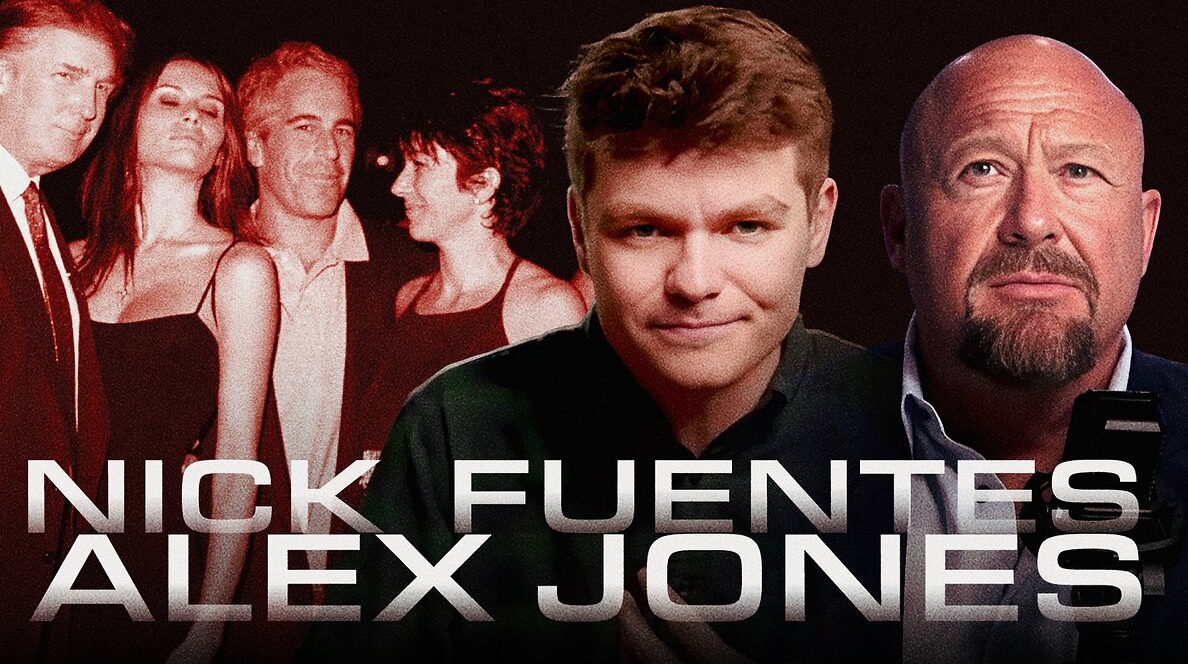
In a heated live stream watched by millions, Alex Jones and Nick Fuentes teamed up to talk through the newest release of Jeffrey Epstein records from the U.S. Department of Justice.
The segment aired on Jones’ Infowars platform only days after the first wave of partial disclosures started in late December 2025. Their focus stayed on what the documents suggest about powerful circles, why major outlets have said so little, and which gaps in the record keep driving public anger.
Their broadcast landed in the middle of a tense political moment. After Congress passed the Epstein Files Transparency Act in November 2025, President Donald Trump signed it into law. Soon after, the DOJ began publishing thousands of pages of records, along with photographs and other materials tied to Epstein investigations.
Many pages arrived with heavy redactions, releases came in uneven batches, and reports said more than 5 million pages were still being reviewed. Critics say the slow pace and missing details point to another cover-up, even as the rollout continues into 2026.
A Rare Pairing, Same Complaints
Jones, host of The Alex Jones Show, brought on Nick Fuentes, the far-right streamer behind the America First podcast, for what Jones called a blunt review of the new documents. The two have clashed before, including public disputes about politics and loyalty. On this topic, they sounded aligned. Both criticized the limited disclosures and said influential people were still being protected.
Early in the show, Jones argued the story goes far beyond Epstein himself. He said the files point to influence deals, blackmail, and abuse tied to people with serious power. He also complained that large TV networks were not giving the story constant coverage.
Fuentes agreed and said mainstream outlets have reasons to stay quiet. He claimed the releases mention well-known names, but redactions hide key details. In his view, the public is being fed just enough to calm outrage while shielding the people who matter most.
What the New Records Put Back in the Spotlight
Jones and Fuentes walked through selected items from the December 19, 2025, release and later batches. The materials included undated photos showing Epstein around high-profile figures, including former President Bill Clinton and Ghislaine Maxwell, along with other people whose identities were obscured.
The release also referenced flight logs, emails, and investigative memos tied to travel and communications involving recognizable names, though many lines remained blacked out. The redactions were described as protections for victims or to avoid disrupting active work.
Jones pointed to images and records that show Clinton in social settings with Epstein and Maxwell. He said reports about “Lolita Express” travel have circulated for years, but he argued the newer material strengthens the public record around repeated trips. He also said Epstein’s death, ruled a suicide, continues to raise questions about who gained from his silence.
Fuentes focused on references to business figures, including Leslie Wexner and Leon Black, and the financial ties discussed in relation to Epstein. He framed the case as more than trafficking, calling it a blackmail system built on access to wealthy and connected circles. He pointed to descriptions in the files about properties with cameras and rooms set up for sexual encounters, arguing that the risk powerful people took only makes sense if something larger was going on.
Both also highlighted what they described as an imbalance in the materials. Clinton’s name and images appeared often, they said, while mentions of President Trump were limited. They described those references as tied to already known social connections from the 1990s and early 2000s. Jones dismissed attempts to tie Trump to new wrongdoing, calling them partisan smears, and he claimed the DOJ had rejected fake documents and edited images pushed online.
Other items in the release included evidence tapes from properties, handwritten notes, and email chains that suggested Epstein tried to impress and connect with influential groups. Jones also pointed to an email line about “the dog that hasn’t barked,” which he treated as possible coded language about people avoiding attention.
Claims of a Media “Blackout”
A major part of the broadcast centered on what both men described as a media blackout. They said the releases contained plenty that would normally draw headlines, including images from Epstein’s homes, celebrity sightings (such as Michael Jackson and Walter Cronkite), and references to international leaders. Still, they argued the story has not received the level of coverage the public would expect.
Jones said large media companies protect the same class of people the Epstein story threatens. He argued that outlets minimized the 2008 plea deal for years, ignored victims for too long, and now treat the newest redactions as routine instead of alarming.
Fuentes accused major outlets of picking targets based on politics. He said coverage spiked when figures like Prince Andrew or Clinton were part of the angle, but softened when a wider set of names could be involved. He also linked the muted coverage to falling trust in institutions and said the public can see the double standard.
They compared low TV engagement to high online discussion, claiming independent shows and alternative platforms are filling the gap left by corporate gatekeeping.
Why the Epstein Story Stays Alive
Jones and Fuentes argued the Epstein case holds attention because it has become a symbol of a system that doesn’t punish the well-connected.
Jones said the case exposes how limited accountability can be when power and money are involved. In his telling, Epstein died in custody under suspicious circumstances, Maxwell’s trial showed only part of the picture, and years of legal pressure were needed just to unseal certain records. He said the Transparency Act has produced only fragments, but those fragments still suggest a protected class that plays by different rules.
Fuentes added that younger audiences push harder for public records and straight answers. He said many people grew up watching elites avoid consequences across major events, and Epstein fits that pattern. He argued the files matter because they point to influence buying and possible blackmail, which could shape policy choices behind the scenes.
Jones said every fully blacked-out page fuels suspicion, and he predicted the story will keep burning as long as millions of pages remain out of view through 2026.
Open Questions and Public Pressure
The show returned to unresolved issues that continue to drive demands for more disclosure. Jones and Fuentes emphasized questions about redactions that go beyond victim privacy, the decision-making behind Epstein’s 2008 deal, and what became of alleged videos and a complete client list. They also criticized the pace of disclosure, even with a law and public pressure pushing the DOJ to release more.
Fuentes framed these as basic questions raised by the released materials, not wild speculation. He said flight logs and photos show patterns, and he argued Epstein could not have operated alone.
Both men praised lawmakers on both sides who pushed transparency, including Reps. Marjorie Taylor Greene and Ro Khanna, while accusing agencies of dragging their feet. Jones argued that partial releases can do more harm than good because they feed doubt and deepen mistrust.
What Comes Next
Near the end, both speculated about what future releases could mean. Jones said unredacted records could shift public understanding of power and force real change, especially if they show blackmail tied to active figures or institutions.
Fuentes warned of political fallout as the country moves toward the 2026 midterms. He said voters want clear accountability, and he argued transparency can rebuild trust while secrecy fuels division.
The show closed with Jones claiming the case did not end with Epstein’s death. In their view, each new release keeps the story alive, and public pressure will remain high as long as the DOJ continues publishing documents in batches.
As the Epstein file releases continue, the Jones and Fuentes broadcast reflects a growing public demand for answers. For many Americans, the case has turned into a test of whether the justice system can treat the powerful the same as everyone else.
Trending News:
MAGA Loyalists Claim Ben Shapiro is No Longer Relevant
CNN Ambush Interview of Nick Shirley Backfires, Exposes Reporter’s Bias
Entertainment
Veteran ‘Ghajini’ and ‘Lagaan’ Actor Pradeep Rawat Passes Away at 74 After Cancer Battle

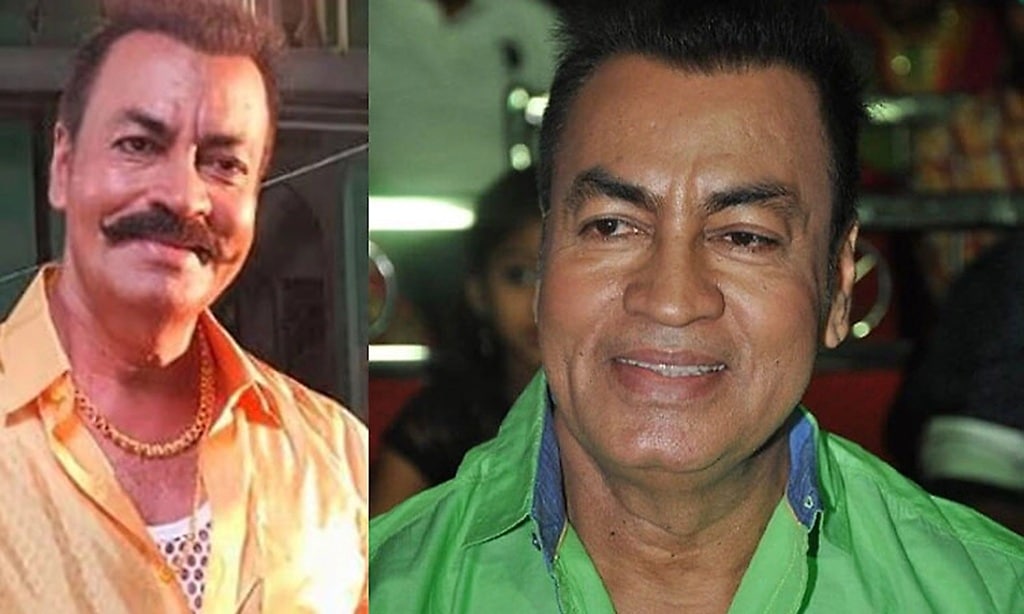
NEW DELHI – The Indian film industry has lost a legendary talent. Pradeep Rawat, the beloved actor known for his powerful roles in Ghajini and Lagaan, died on Tuesday evening, August 4, 2026. He was 74 years old.
The veteran star had been bravely fighting a tough battle with blood cancer. Fans and colleagues are mourning the loss of a man who brought some of cinema’s most memorable characters to life.
Key Takeaways
- Pradeep Rawat died at the age of 74 in Mumbai after a long battle with blood cancer.
- He was famous for playing iconic villains and strong characters in hit movies like Ghajini, Lagaan, and Sarfarosh.
- Top stars and directors from across India have shared heartfelt tributes to honor his amazing acting legacy.
A Sad Loss for Indian Cinema
Pradeep Rawat was a force to be reckoned with on the big screen. For decades, he entertained millions with his incredible acting skills and commanding voice. His sudden passing leaves a huge void in both Bollywood and regional cinema.
According to reports from Udayavani, the actor passed away surrounded by his loved ones. He leaves behind his wife, Kalyani Rawat, and their two children. The news has left movie lovers deeply heartbroken.
Many people remember him as a true professional who always gave his best performance. Even in his 70s, he remained active and passionate about the entertainment world.
The Battle with Blood Cancer
In recent months, Rawat faced severe health challenges. His manager confirmed that he was admitted to Mumbai’s Kokilaben Dhirubhai Ambani Hospital a month ago. Doctors tried their absolute best to treat his illness.
Recently, he was moved to a specialized cancer hospital in Bhiwandi. Sadly, his condition grew worse, and he passed away on Tuesday evening. As ANI News reported, the film fraternity quickly expressed their deep shock and sorrow.
Cancer is a terrible disease, and Rawat fought it with immense courage. His family has asked for privacy during this incredibly difficult time. Fans worldwide are sending their thoughts and prayers to his grieving loved ones.
Iconic Roles in Hindi Cinema
Pradeep Rawat started his acting journey in the 1980s. He first gained national fame by playing Ashwatthama in B.R. Chopra’s legendary television show, Mahabharat. This breakout role made him a household name across India.
However, it was the big screen where he truly shined. He played the fierce Deva Singh Sodhi in Aamir Khan’s Oscar-nominated film, Lagaan. Audiences loved his strong and heroic screen presence in that historic movie.
Later, he teamed up with Aamir Khan again for the massive blockbuster Ghajini. Playing the lead villain, Ghajini Dharmatma, he delivered a chilling performance that fans still talk about today. Furthermore, his memorable roles in Sarfarosh and The Hero: Love Story of a Spy cemented his status as a top-tier actor.
Making a Mark in South Indian Films
Rawat did not limit his immense talent to just Hindi movies. He also built a massive and highly successful career in South Indian cinema. He debuted in Telugu films in 2004 with the massive hit Sye.
His incredible performance in Sye earned him the prestigious Filmfare Award for Best Villain. He quickly became one of the most in-demand antagonists in Telugu and Tamil movies. Directors loved his intense look and powerful dialogue delivery.
Over the years, he starred in huge hits like Bhadra, Chhatrapati, and Veeram. He easily switched between languages, working in Kannada, Malayalam, and Bengali films. His ability to connect with completely different audiences was truly unmatched.
Tributes Pour In for Pradeep Rawat
As the news of his death spread, tributes began pouring in on social media. Many of his former co-stars shared emotional messages and fond memories. The Indian film community remains united in its grief today.
Yashpal Sharma, his close friend and Lagaan co-star, wrote a touching tribute. “Pradeep Rawat, our Ghajini Deva of Lagaan. RIP,” he shared online. Meanwhile, Gajendra Chauhan, who worked with him in Mahabharat, called him a wonderful friend and colleague.
Actor Sonu Sood also remembered his “Pradeep bhai” with a heartfelt and emotional post. Even international stars, like Nepali actress Vipana Thapa, expressed their deep sorrow. The sheer volume of these tributes shows exactly how much he was loved.
Pradeep Rawat may have left this world, but his art will remain forever. His movies will continue to entertain and inspire future generations of actors. He leaves behind a rich, exciting, and diverse body of work.
Interestingly, his final Hindi movie appearance was in the recent Vicky Kaushal film, Chhaava. In this movie, he played the historical character Yesaji Kank. This final role perfectly captures his deep love for grand, impactful storytelling.
Ultimately, Indian cinema has lost a truly shining star. We will always remember his scary villains, his heroic friends, and his booming voice. May his soul rest in peace.
Trending News:
7 Countries Offering Visa-on-Arrival for Indians
New Film “The Princess of Siam” to Be Co-Produced by Russian and Thai Filmmakers
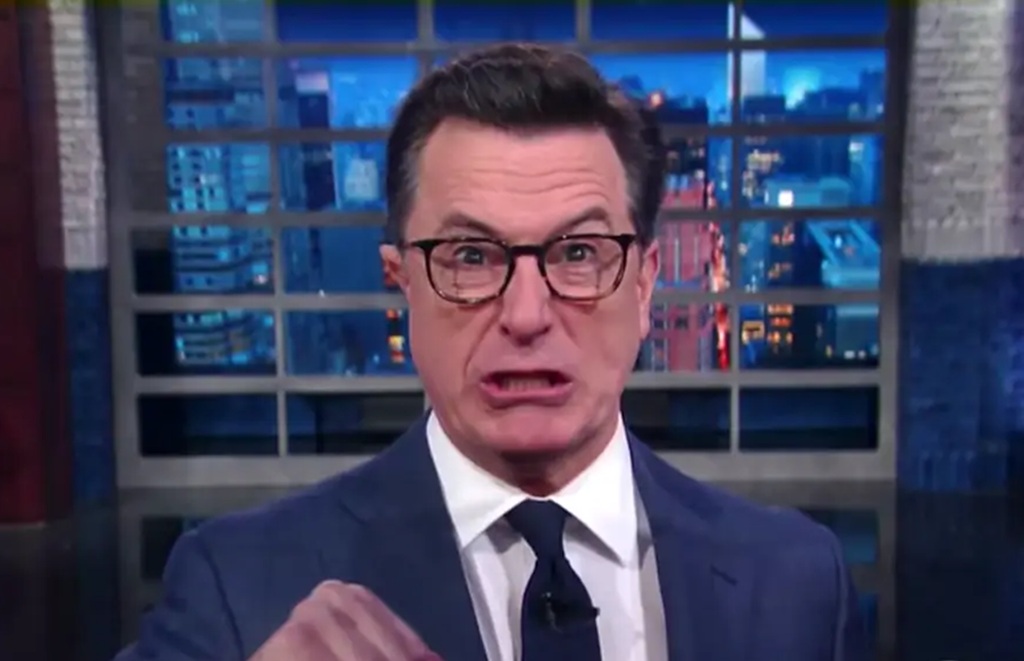
NEW YORK – After 11 seasons and million lost, The Late Show host didn’t just say goodbye—he scorched the earth. Stephen Colbert took aim at CBS executives, corporate mergers, and political pressure in a finale that will go down in television history.
The curtains have officially closed on The Late Show with Stephen Colbert, but the veteran host did not go quietly into the night. On Thursday, May 21, 2026, Colbert delivered his final broadcast from the historic Ed Sullivan Theater in New York City. Millions of fans tuned in expecting a tearful, nostalgic goodbye. Instead, they got something much more fiery.
During his highly anticipated finale, Colbert threw what critics and media insiders are calling a historic on-air “meltdown.” He unleashed a blistering, unvarnished attack on his network bosses, corporate greed, and the immense political pressures that he believes led to his show’s untimely cancellation.
This wasn’t just a comedian telling jokes; this was a broadcaster with nothing left to lose. The fallout from his explosive exit is already sending shockwaves through the entertainment industry, shining a bright light on the massive financial losses and backstage drama that CBS claims drove their decision.
The Final Curtain: A Night of Unfiltered Outrage
For weeks leading up to the final episode, Colbert had been dropping heavy hints about his frustrations with the network. But on Thursday night, he finally took the gloves off. Surrounded by a star-studded guest list that included rock legend Bruce Springsteen, Jon Stewart, and fellow late-night hosts Jimmy Fallon, Seth Meyers, and John Oliver, Colbert used his final monologue to settle scores.
Rather than sticking to the standard industry script of thanking the corporate brass and quietly bowing out, Colbert took direct aim at CBS and its parent company, Paramount. He loudly questioned the network’s courage, its commitment to free speech, and its sudden desire to appease politicians. Springsteen even chimed in, telling Colbert on air, “You’re the first guy in America who’s lost his show because we’ve got a president who can’t take a joke.”
The atmosphere in the theater was electric. The audience blended loud cheers with stunned gasps as the host systematically dismantled the corporate narratives surrounding his departure. Colbert’s anger was palpable. The cancellation of The Late Show franchise—an institution that spans 33 years, dating back to David Letterman—marks a massive shift in television history. By tearing up the script on his last night, Colbert made it clear that he views his forced exit not as a simple business move, but as a calculated silencing of a vocal critic.
The $40 Million Question: Why CBS Really Pulled the Plug
Network executives have spent the last ten months heavily pushing back against the idea that politics played a role in the cancellation. They insist that the decision to end the show in May 2026 was purely financial. According to in-depth reporting from Snopes and various financial insiders, The Late Show was bleeding money at an unsustainable rate.
Unnamed CBS sources claimed the program was losing anywhere between $40 million and $50 million a year. How does a top-rated late-night show lose that much cash? The math comes down to massive overhead costs crashing into a rapidly changing media landscape.
Here is why the show became too expensive to keep on the air:
- Astronomical Salaries: Colbert himself was reportedly pulling in a salary of $20 million annually.
- Massive Production Staff: The show employed a sprawling, unionized staff of over 200 people, driving up weekly operating costs.
- Sinking Ad Revenue: Despite averaging around 2.47 million viewers a night and leading the 11:35 p.m. time slot in total audience, traditional advertising revenue for late-night television has plummeted. Advertisers are simply not willing to pay premium rates for late-night linear television anymore.
As The Washington Examiner noted, CBS is a publicly traded company that must answer to its shareholders. Sustaining a $40 million to $50 million annual loss on a single hour of television became impossible to justify to the board, especially when cheaper programming alternatives were waiting in the wings.
Corporate Drama, Political Bribes, and the Skydance Merger
However, Colbert and his fierce defenders tell a very different story. The financial losses might be very real, but the specific timing of the cancellation raises serious red flags.
In July 2025, just days before CBS suddenly announced the end of The Late Show, Paramount Global agreed to pay a staggering $16 million to settle a lawsuit with U.S. President Donald Trump. The lawsuit centered around the editing of a 2024 60 Minutes interview featuring Democratic presidential candidate Kamala Harris.
During his final broadcasts, Colbert did not hold back his deep disgust over this settlement. He boldly referred to the $16 million payout as a “big fat bribe.” He pointed out the glaring hypocrisy of CBS claiming they desperately needed to save money while simultaneously handing millions over to a politician to make a lawsuit quietly disappear.
Furthermore, all of this corporate maneuvering unfolded while Paramount was desperately seeking federal government approval for an $8.4 billion merger with Skydance Media. Many media critics, including Colbert’s former Comedy Central colleague Jon Stewart, suggested that firing a vocal critic of the current administration was a highly convenient way to curry favor with the government and push the massive merger through smoothly. Stewart himself blasted CBS on his own show, telling executives that if they were just trying to protect their bottom line out of fear, they could “go f***” themselves.
The Ripple Effect Across Late-Night Television
Colbert’s fiery departure is much more than just the end of a single program. It signals a dramatic, permanent shift in how broadcast networks are approaching late-night entertainment. The golden era of high-paid hosts delivering sharp political satire to massive, unified audiences may officially be over.
The industry impact of CBS’s decision is already being felt in several major ways:
- Unprecedented Competitor Solidarity: In a rare display of industry unity, rival hosts like Jimmy Kimmel and Jimmy Fallon opted to air reruns on Thursday night. They purposefully went dark so that Colbert’s final show would face absolutely zero broadcast competition.
- The Rise of Cheaper Content: CBS is completely abandoning the traditional, expensive late-night talk show format. Starting immediately, the 11:35 p.m. slot will be taken over by Comics Unleashed with Byron Allen. This strategic move is expected to save the network over $150 million a year in production and marketing costs.
- A Shift to Safe, Apolitical Comedy: Byron Allen recently stated that his primary goal is simply to make people laugh, explicitly telling reporters, “We don’t need the politics.” This reflects a growing desperation among networks to avoid alienating viewers and advertisers with divisive political commentary.
- The Digital Takeover: Younger audiences are overwhelmingly turning to platforms like YouTube, TikTok, and Instagram for short-form comedy. This makes the hour-long, monologue-and-interview format feel both outdated and overly expensive to produce.
The End of an Era and a Combative Legacy
Stephen Colbert first built his national profile by playing a satirical, right-wing blowhard on The Colbert Report. When he took over the reins from David Letterman in 2015, he finally dropped the character but managed to keep his incredibly sharp political edge. Over the last 11 years, he successfully transformed The Late Show into a nightly gathering place for audiences looking for a humorous, critical take on the day’s heavy news cycle.
His final, blistering performance is a perfectly fitting end to a career built on mocking and challenging authority figures. By turning his last hour on CBS into a massive megaphone to blast his own network bosses, Colbert ensured that his television exit would be analyzed and remembered for years to come. He flatly refused to play the role of the grateful, compliant employee. Instead, he forced millions of viewers to look directly behind the curtain at the messy, often ugly intersection of corporate media, national politics, and bottom-line money.
Outside the theater on Thursday, hundreds of devoted fans gathered with signs reading “Thank You, Stephen,” a testament to the deep connection he forged with his audience. While Colbert has teased that his next project involves writing for an upcoming Lord of the Rings movie, his absence from the nightly airwaves will leave a massive void.
Whether CBS ultimately canceled the show to stop a massive financial bleeding or to quietly appease powerful political figures, one undeniable truth remains: late-night television will never be the same. The iconic Ed Sullivan Theater is now quiet, but the loud echoes of Stephen Colbert’s final, historic meltdown will continue to resonate throughout the media landscape for a very long time.
Trending News:
Is the Clock Ticking for ’60 Minutes’? Top Talent Braces for CBS Layoffs
CBS Caught Making Deceptive EDIT to 60 Minutes Interview With Hegseth
Entertainment
Jimmy Kimmel and ABC in the Crosshairs of An FCC Investigation
Regulators launch deep dive into Disney-owned broadcaster’s practices and licensing standards.

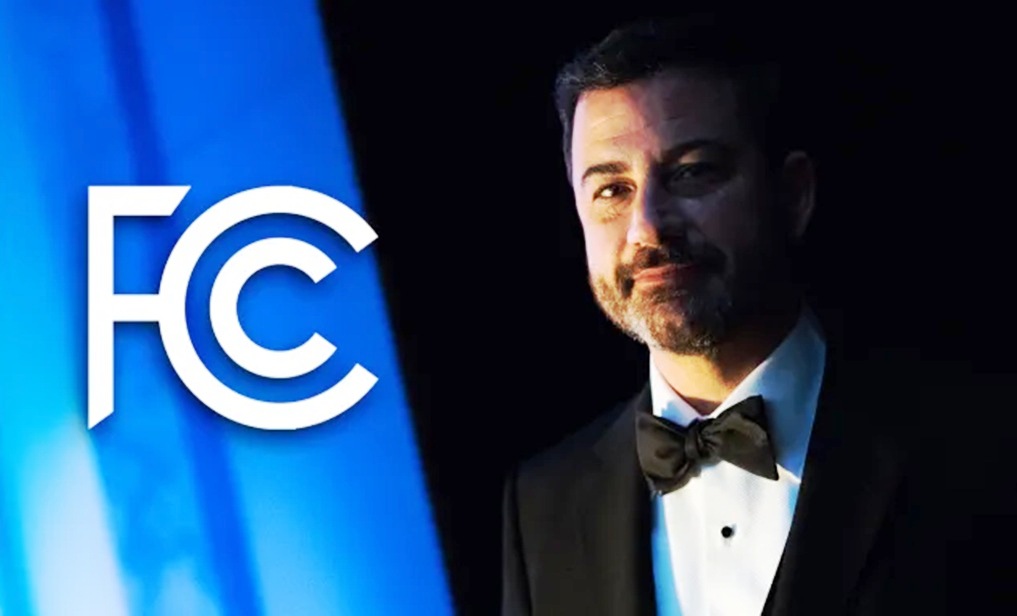
NEW YORK — The Federal Communications Commission (FCC) has broken its silence, signaling a major investigation that could jeopardize the future of ABC and its late-night star, Jimmy Kimmel. For a network already grappling with a declining stock price and internal leadership shifts, the timing could not be worse.
Brendan Carr, a key commissioner at the FCC, recently confirmed that the agency is moving forward with a formal probe into the affiliate licenses of Disney-owned ABC. While the investigation officially focuses on Diversity, Equity, and Inclusion (DEI) practices and hiring rules, it comes at a moment when public patience with the network’s political tone is reaching a breaking point.
The Licensing Crisis: Is Network TV a Privilege or a Right?
Unlike cable news or streaming platforms, traditional network television operates under a specific legal framework established by the Communications Act of 1934. Broadcasters are granted licenses to use public airwaves on the condition that they serve the “public interest, convenience, and necessity.”
Commissioner Carr has indicated that this investigation is not just about a few jokes. Instead, it targets:
- Station Licenses: A review of “Owned and Operated” (O&O) stations in major cities like New York, Los Angeles, and Chicago.
- Illegal Discrimination: Allegations that Disney’s DEI mandates resulted in “invidious forms of discrimination” in hiring and casting.
- Public Interest Standards: Whether the network’s increasingly partisan programming violates the spirit of its federal charter.
Jimmy Kimmel and the “Tasteless” Joke Controversy
While the FCC’s legal teeth are currently sunk into hiring practices, the public face of this crisis is Jimmy Kimmel. The late-night host has faced a firestorm of criticism following what many described as a “tasteless” joke regarding Donald Trump and Melania Trump.
Critics argue that Kimmel has “jumped the shark,” relying on increasingly aggressive political attacks rather than humor. Sources suggest that Disney’s new leadership, including CEO Josh D’Amaro, is attempting a “radio silence” strategy—hoping the controversy fades by ignoring it.
However, with the FCC involved and Donald Trump using his platform to highlight the network’s bias, the “ignore it” strategy may be failing.
The trouble isn’t just political; it’s financial. Disney stock has struggled significantly, trading at roughly half its 2021 value. Shareholders are growing restless, pointing to a string of box-office disappointments and the alienating nature of “forced” DEI narratives in content.
“If you invested in Disney stock, it’s been dead money,” notes industry analyst Trish Regan. “Investors are looking at the leadership and asking why the company continues to double down on practices that are clearly hurting the brand.”
The Road Ahead: Shareholder Lawsuits and License Reviews
The FCC’s probe is more than just a warning shot. Experts suggest it could lead to:
- Massive Shareholder Lawsuits: Following in the footsteps of companies like Target and Anheuser-Busch, Disney could face legal action for failing its fiduciary duty to investors.
- License Non-Renewal: If the FCC finds that ABC has failed to serve the public interest or engaged in illegal hiring, the very licenses that allow it to broadcast could be at risk.
- Creative Overhaul: With Bob Iger’s era winding down, the network may be forced to abandon its current political trajectory to survive the regulatory storm.
As the investigation unfolds, the question remains: Can ABC separate itself from the controversy of its late-night stars, or will the network’s legal and financial foundations continue to crumble? For now, the “bad news” for Jimmy Kimmel is only the tip of the iceberg for Disney.
Trending News:
FCC Targets ABC Licenses Over DEI and Workplace Discrimination
Don Lemon’s Absurd Pleas on Jimmy Kimmel Live Mocked
Jimmy Kimmel Slammed for Vile Melania Trump Expectant Widow Joke


H1-B Visa Crackdown Rocks Big Tech and India

Millions of Shoppers Boycott Real Canadian Superstore

Legacy Media Protects Carney After Canada Lost 68,000 Jobs

Mark Carney’s Million Dollar Wind Up and Nickel Delivery

Mark Carney Faces Ethics Backlash Over Heat Pumps

Quebec Election 2026: Will the Province Leave Canada?

Why Alberta Separatist Leaders Say It’s Time to Leave Canada

South America’s Political Shift: A Good Lessons For Canada

Is Modern Political Empathy Actually Just Hidden Narcissism?

US Trade Moves Put Massive Pressure on Canada
Is Modern Political Empathy Actually Just Hidden Narcissism?
How Progressivism Replaced Religion With A New Secular Faith
Pierre Poilievre Critiques Reporter Who Questions His Leadership
US Trade Moves Put Massive Pressure on Canada

Uncovering the Truth Behind Inequality: A Bold New Vision
How Canada’s Combating Hate Act Stifles Free Speech

Canada Sheds 68,000 Jobs As Economic Fears Deepen
Behind Carney’s $1-Trillion Canada Investment Scheme

Poilievre Blasts Carney’s Plan To Sell Off Airports

Food Insecurity and Surging Prices: Canada’s Inflation Squeeze

Jimmy Kimmel Slammed for “Vile” Melania Trump “Expectant Widow” Joke

President Trump Addresses Nation on War with Iran

Trump Warns NATO Allies: America Won’t Protect Slackers After Iran Clash

Senate Hearing on Fraud and Foreign Influence Turns Tense Over Minnesota Scandals

CNN Forced to Backtrack Its Reporting on Trump’s Iran Talks

Joe Rogan Slams Gavin Newsom for Mocking Nick Shirley

Mosque Set Ablaze in Iran a Citizens Revolt Against the Islamic Regime

AOC Accuses Jessie Watters of Fox News of Sexualizing and Harassing Her

JD Vance Exposes Walz’s Fraud and CNN’s Lies in White House Presser

Milestone Card Credit: How the Milestone MasterCard Can Transform Credit


-

 News9 months ago
China-Based Billionaire Singham Allegedly Funding America’s Radical Left
-
Crime10 months ago
YouTuber Nick Shirley Exposes BILLIONS of Somali Fraud, Video Goes VIRAL
-
Politics10 months ago
Ilhan Omar Faces Renewed Firestorm Over Resurfaced Video
-
Politics9 months ago
2026 Midterms Guide: Candidates, Key Issues, and Battleground States
-
Politics8 months ago
CNN Delivers Stark Reality Check to Democrats Over Voter ID
-
Politics8 months ago
Ilhan Omar’s Connections to Convicted Somali Fraudsters Surface
-
Politics7 months ago
Rep. Ilhan Omar Faces Heat as Minnesota Voters Seek Change
-
Politics8 months ago
Trump Approval Rating (February 2026 Poll Results, Approve vs Disapprove)