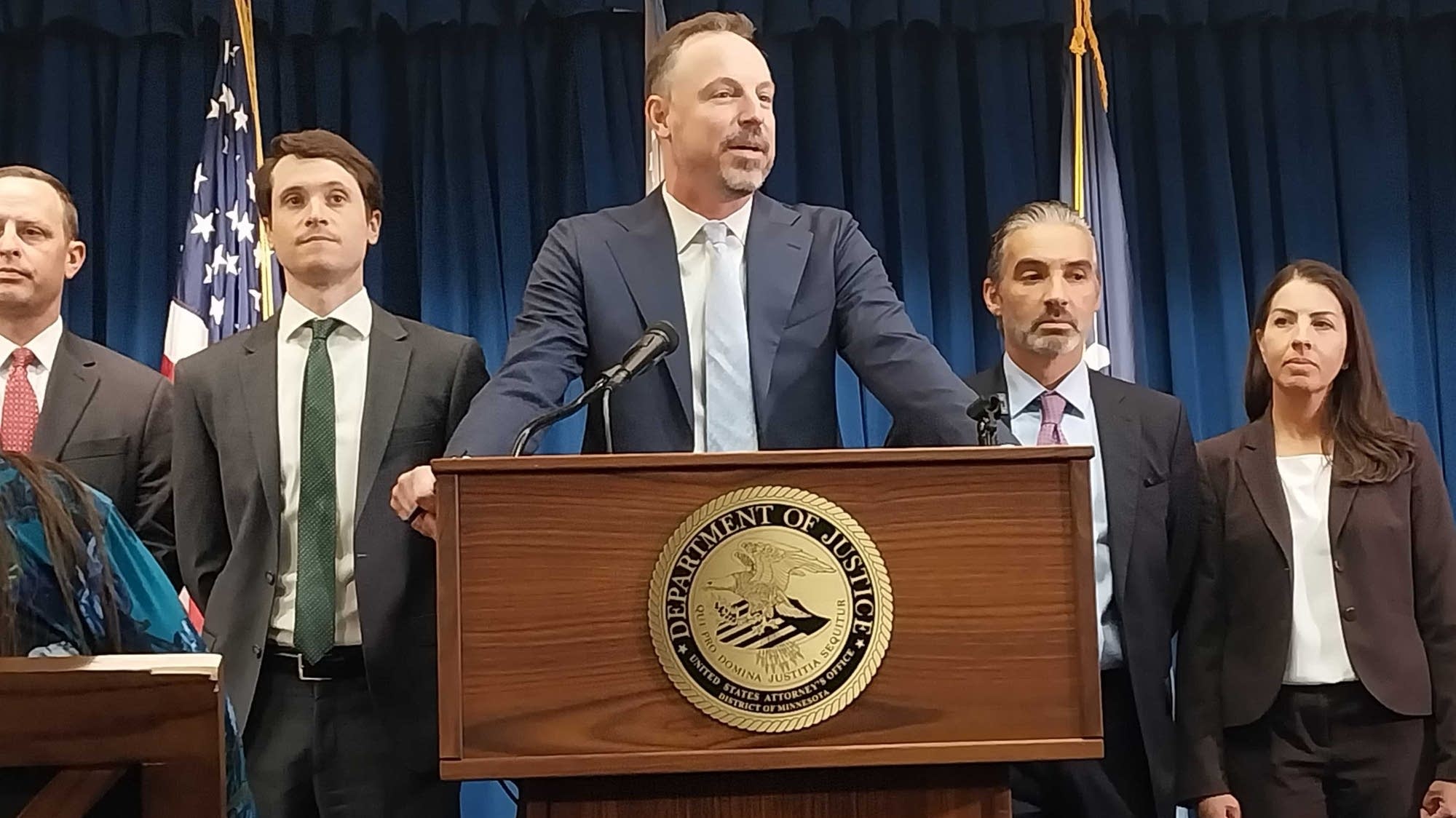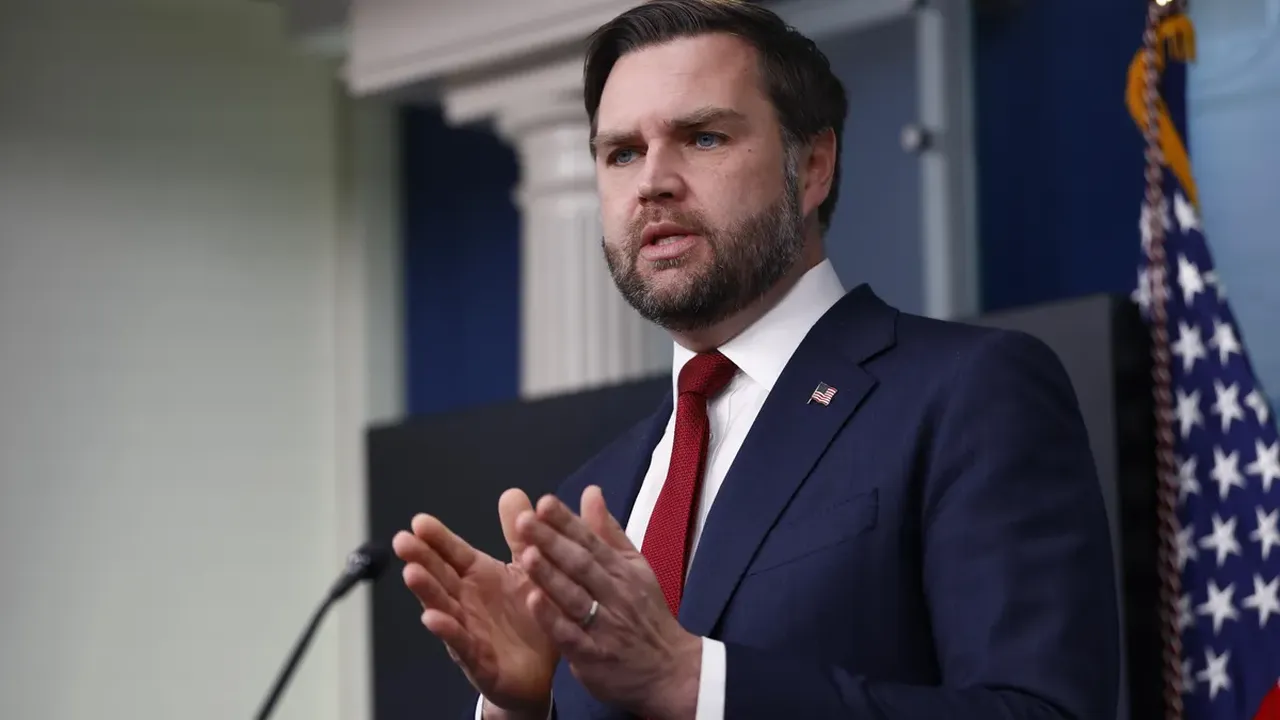


MINNESOTA – Alex Pretti was shot and killed in Minneapolis on January 24, 2026, and the fallout has spread far beyond the city. The case has sparked a national argument over the use of force, federal power, and how states should respond to immigration enforcement.
What appears to have started as a federal immigration operation ended with a 37-year-old U.S. citizen, and ICU nurse, dead at the scene.
Soon after, U.S. Attorney General Pam Bondi called on Minnesota Governor Tim Walz to bring state agencies in line with federal immigration work. Her public push has made an already tense state-federal relationship even more strained, especially in places that lean toward sanctuary-style policies.
On the cold Saturday morning in south Minneapolis, U.S. Border Patrol agents working as part of broader immigration crackdowns under the Trump administration encountered Alex Jeffrey Pretti.
Federal officials first said Alex Pretti was armed and aggressively moved toward agents, leading them to shoot in self-defense. Pretti, who worked as a registered nurse in intensive care at a local VA facility, was hit multiple times and pronounced dead at the scene.
Videos posted quickly to social media showed a different picture. In clips filmed from several angles, Pretti appears to be holding a cellphone, not a gun, as he walks toward the agents. The videos spread fast and drove immediate claims of excessive force and a possible attempt to control the story.
People in the area described Alex Pretti as quiet and community-minded, with no criminal history. Many called the shooting senseless. Within hours, memorials appeared near the site, and vigils drew dozens of neighbors mourning a local man killed during what they saw as an avoidable escalation.
Investigations are still underway. Body camera footage from agents and more witness statements are being reviewed. The Department of Homeland Security has defended the agents, saying they faced a threat while carrying out an operation aimed at immigration violators in the area.
Critics, including civil rights groups, say the incident fits a wider pattern of federal agents working in major cities far from the border, raising concerns about expanded missions and lost trust in communities.
Alex Pretti: Remembering the Man Behind the Headline
Alex Pretti worked in a job where the pressure is constant. As an ICU nurse, he spent his career caring for critically ill patients, often during long and demanding shifts. Friends and coworkers described him as kind, committed, and interested in local issues, though not known as a loud activist.
His death has also triggered anger because he was a U.S. citizen. Many have asked how a native-born American ended up in the middle of an immigration-related operation.
Reports suggest Alex Pretti may have been near a residence agents were focusing on, or he may have been passing by when the encounter began. He grew up in Green Bay, Wisconsin, and later moved to Minnesota for work and community ties.
The claim that he was unarmed, or at least not visibly holding a weapon, has intensified demands for clear answers and public accountability.
Federal Reaction and Pam Bondi’s Pressure Campaign
Within hours of the shooting, Attorney General Pam Bondi sent a sharp letter to Governor Tim Walz. She used the moment to push Minnesota to cooperate more with federal immigration enforcement. Bondi accused state leaders of refusing to fully support federal immigration laws, and she argued that this refusal puts federal agents at risk and weakens national security.
In the letter, Bondi urged Walz to direct state detention facilities, including jails and prisons, to honor ICE detainers, allow immigration interviews, and assist with removals for people identified as removable non-citizens. She said Minnesota’s sanctuary-leaning policies do not just slow enforcement, they make situations more dangerous for officers during field operations.
Bondi’s message came with a clear warning. She called for state support for federal efforts and alignment with national immigration policy, or the state could face consequences. She framed her stance as part of a push for uniform enforcement across the country.
The timing, so soon after Alex Pretti ’s death, drew criticism from people who said she was turning a tragedy into a political weapon. Supporters said she was responding to unrest and a growing safety risk for agents.
Protests started in Minneapolis almost right away. Demonstrators called the shooting another sign of heavy-handed federal tactics, especially in immigrant neighborhoods and communities of color. Many chants focused on “justice for Alex,” along with broader demands to end ICE activity in the city. Some gatherings grew tense, leading to arrests and a larger law enforcement presence.
Governor Walz’s Response and a Familiar State-Federal Standoff
Governor Tim Walz answered publicly with a careful tone. He offered condolences to Pretti’s loved ones and called for a full, independent investigation. Walz also criticized the use of Border Patrol in city neighborhoods, saying the federal deployment was inflammatory and not needed.
Walz has long backed Minnesota’s approach to immigration enforcement, which aims to protect community trust and limits local law enforcement involvement in federal civil immigration actions.
He rejected Bondi’s demands, arguing that state resources should not be pulled into what he views as a politically driven federal plan. In one statement, Walz called on the Trump administration to pull agents back and let local agencies handle public safety without federal interference.
This back-and-forth reflects a deeper divide. Federal leaders want consistent enforcement nationwide, while states argue they should control local policing and detention decisions. Minnesota’s approach, like policies in other Democratic-led states, is built around the idea that fear of deportation can stop people from reporting crimes or seeking help.
Bigger Stakes: Immigration Enforcement Back in the Spotlight
Pretti’s death comes during a period of increased federal immigration activity after the 2024 election. Operations in sanctuary cities have expanded, and agencies such as Border Patrol have taken on more interior enforcement work. Critics say these tactics threaten civil liberties and raise the chance of violent confrontations. Supporters argue the government is enforcing the law and removing people who pose risks.
The Pretti case, where a U.S. citizen died during an immigration-linked encounter, highlights what can happen when enforcement expands beyond its usual setting. It also echoes past disputes over federal use of force and adds fuel to debates about qualified immunity, de-escalation training, and outside oversight.
Bondi’s letter also raises the pressure. By tying the tragedy to state non-cooperation, the Justice Department appears to be trying to push Minnesota into changing its stance. Tools could include subpoenas, funding threats, and lawsuits, options the federal government has used in similar conflicts.
For Minneapolis residents, the shooting brings back memories of other high-profile deaths involving law enforcement. That history has made trust harder to rebuild. Politically, the moment also puts Walz under a brighter spotlight, with demands from his base on one side and national scrutiny on the other.
Transparency, Accountability, and Hard Choices Ahead
Alex Pretti’s shooting is not just a Minneapolis story. It has become a flashpoint in the country’s heated battle over immigration enforcement. A nurse who spent his life helping others died during a disputed encounter, leaving a grieving family and a shaken community.
Attorney General Pam Bondi’s letter to Governor Tim Walz has sharpened the conflict into a simple choice: cooperation or confrontation on federal immigration policy. As investigations move forward, the public needs clear facts, including the release of footage, an independent review, and accountability if wrongdoing is found.
The case also forces a bigger discussion about safety, civil rights, and how power should be shared between states and the federal government. For now, Minneapolis is waiting for answers, and the tension is not easing.