


WASHINGTON, D.C. – The Jeffrey Epstein saga took another sharp turn this week after former President Bill Clinton and former Secretary of State Hillary Clinton spoke publicly about their past ties to the convicted sex offender.
Their comments followed closed-door depositions with the House Oversight Committee, and the reaction was immediate. Critics, survivors’ advocates, and political voices accused the Clintons of ducking hard questions and minimizing a well-documented association.
Lawmakers compelled the depositions by subpoena after early pushback, making the sessions a rare moment in which former top officials testified under oath in a congressional review tied to Epstein’s sex trafficking network.
Bill Clinton’s insistence that he “saw nothing” and “did nothing wrong,” paired with Hillary Clinton’s statement that she “does not recall ever encountering” Epstein, sparked a new wave of anger. Among the loudest critics, media personality Megyn Kelly called Clinton a “liar.”
The Latest Depositions: Firm Denials, Sharp Pushback
On February 27, 2026, Bill Clinton sat for nearly six hours of closed-door questioning in New York with the Republican-led House Oversight Committee. In an opening statement later shared on social media, he described Epstein as a “brief acquaintance” and said their contact ended long before Epstein’s crimes became widely known.
“I saw nothing, and I did nothing wrong,” Clinton said. “Even with 20/20 hindsight, I saw nothing that ever gave me pause.” He added that if he had known what Epstein was doing, he would have “turned him in myself.” Clinton pointed to his upbringing in a home touched by domestic abuse as part of his explanation for why he would not have ignored misconduct.
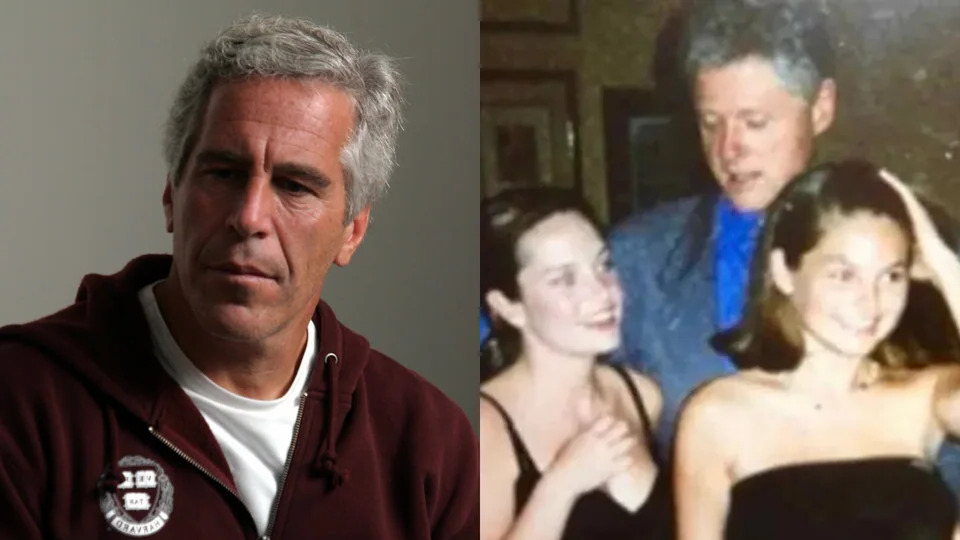
He also confirmed he flew on Epstein’s private plane multiple times for charitable work, and he said Secret Service agents were present. At the same time, he denied ever visiting Epstein’s island and said he never saw illegal behavior. Clinton also said he didn’t recognize a woman pictured with him in a jacuzzi in Justice Department files that later became public.
A day earlier, on February 26, Hillary Clinton testified for more than six hours. In her opening statement, she said, “I had no idea about their criminal activities. I do not recall ever encountering Mr. Epstein.” She repeated that she never flew on Epstein’s plane, never visited his properties, and had no involvement with him. She also criticized the committee, saying it was using the matter for partisan distractions.
Both Clintons also tried to distance themselves from Epstein’s associate, Ghislaine Maxwell. In addition, they expressed support for survivors seeking justice and healing.
Critics React: Claims of Evasion and Unbelievable Answers
Even so, the pushback has been intense. Critics argue the denials don’t square with what’s already in the public record. That record includes flight logs that show Bill Clinton on Epstein’s plane at least 26 times, plus reports of Epstein visiting the White House during Clinton’s presidency.
Megyn Kelly, a conservative commentator and journalist, has led much of the public criticism. In media appearances tied to the Epstein files and the depositions, Kelly rejected Clinton’s account. She called him a “liar” and referred to him as a “predator.” Her comments matched a broader view among detractors that Clinton’s past makes his assurances hard to trust.
Meanwhile, survivors’ advocates and online commentators said the testimonies felt dismissive. Many described the answers as evasive and inadequate for victims who have waited years for clarity.
At the same time, political analysts say the depositions widened partisan gaps. Republicans have focused on the Clintons’ connection to Epstein, while Democrats have pointed to scrutiny of other public figures with their own links to Epstein’s circle.
Bill Clinton’s Record of Controversies Involving Women
This moment also revived attention on Bill Clinton’s long history of allegations involving women, including repeated denials that later collided with new facts or admissions.
Some of the most talked-about episodes include:
- Monica Lewinsky affair (1995 to 1997): Clinton initially denied having a sexual relationship with White House intern Monica Lewinsky, saying, “I did not have sexual relations with that woman.” He later acknowledged an improper relationship under oath. The House impeached him in 1998 on perjury and obstruction charges, although the Senate acquitted him.
- Paula Jones lawsuit: In 1994, Arkansas state employee Paula Jones accused Clinton of sexual harassment tied to his time as governor. He settled the case out of court for $850,000 in 1998.
- Juanita Broaddrick’s allegation: Broaddrick said Clinton raped her in 1978. Clinton denied the claim through representatives.
- Kathleen Willey and Gennifer Flowers: Willey alleged Clinton groped her in the Oval Office. Flowers said she had a long-term affair with him. Both claims became part of the wider scrutiny during his presidency.
Because of this history, critics say Clinton has a pattern of denial followed by partial acknowledgment. As a result, they compare his old responses to his current statements about Epstein.
Where This Fits in the Wider Epstein Case
Epstein died by suicide in 2019 while he awaited trial on federal sex trafficking charges. Before his death, he built relationships with influential people across politics, business, and entertainment. Since then, document releases, including flight logs and photographs, have kept the Clintons in the headlines. Still, no evidence has surfaced that links them to criminal conduct.
The House Oversight Committee, led by Chairman James Comer (R-KY), has issued subpoenas to several people, including the Clintons. The stated goal is to map Epstein’s network and review how government agencies handled related cases. Depending on who’s speaking, the probe has been described as a “serious investigation” or a “clown show.”
Bill Clinton said he cooperated to help prevent future abuse. On the other hand, Hillary Clinton framed the process as politically driven.
The Public Response, and What Comes Next
The depositions quickly dominated news coverage, and social media seized on the Clintons’ wording. Supporters say the couple is being singled out without proof of wrongdoing. Critics say the testimonies reflect how powerful people avoid accountability.
Transcripts and video from the depositions are expected to come out, and the argument is likely to grow louder once they do. For many Americans, the latest chapter keeps the same questions alive: who knew what, who looked away, and why it took so long to get answers tied to Jeffrey Epstein’s crimes.