

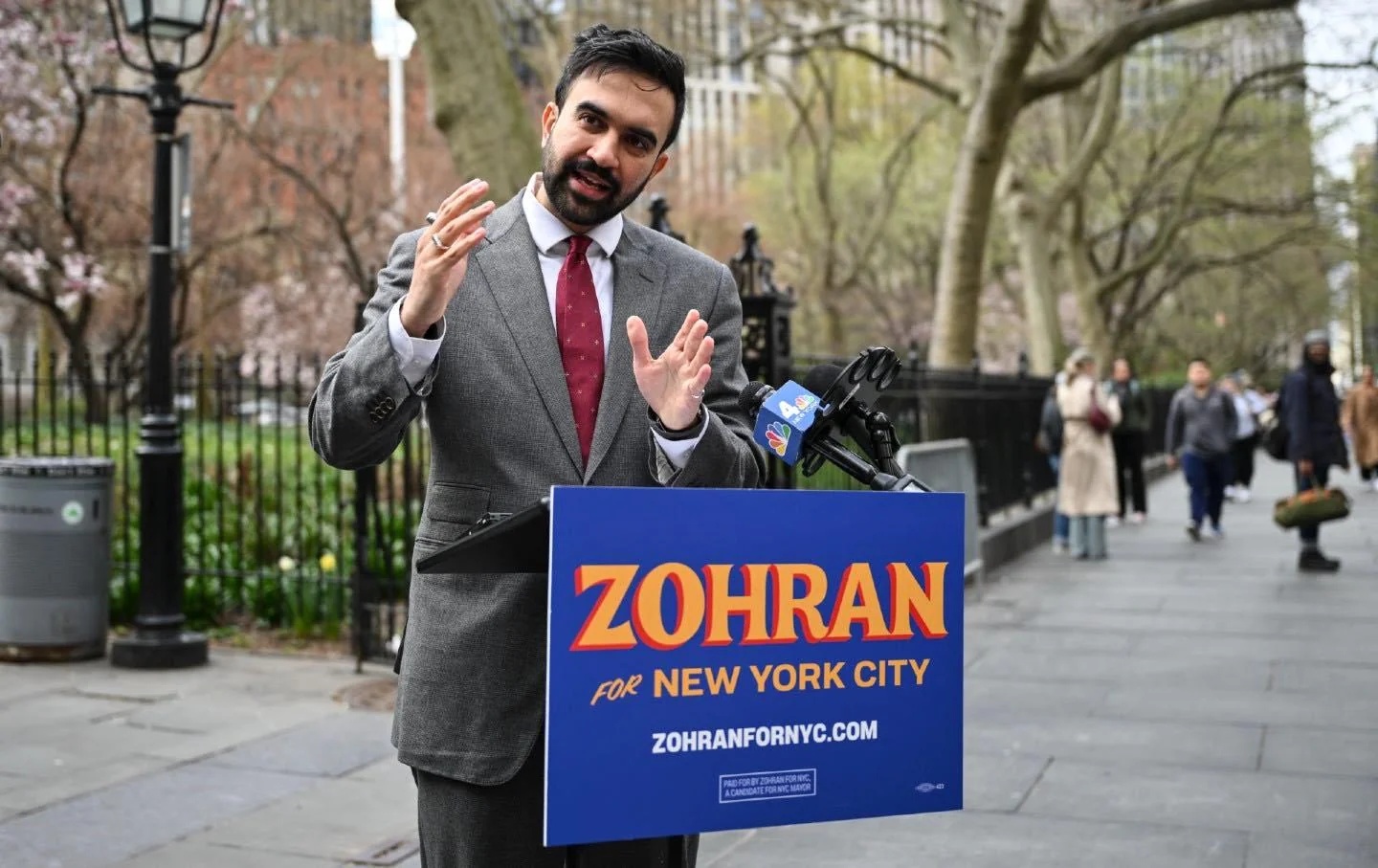

NEW YORK — A growing wave of property owners and real estate investors is planning their exit from New York City following the rollout of Mayor Zohran Mamdani’s aggressive new housing policies. Critics are calling the administration’s flagship Block by Block initiative a “socialist fantasy” that penalizes private investment and risks shrinking the city’s tax base.
Mayor Mamdani, a member of the Democratic Socialists of America who took office in January 2026, recently announced a five-year, $22 billion capital housing plan. While City Hall frames the agenda as a necessary fix for the city’s affordability crisis, private housing providers view it as a direct threat to property rights. The tension has sparked concerns about an exodus of taxpayers to business-friendly states like Florida and Texas.
The centerpiece of the administration’s strategy is a plan to build or preserve 400,000 rent-stabilized units over the next decade. Rather than using market incentives to spark new development, the city relies heavily on public funding, government mandates, and non-profit partnerships.
A particularly controversial element of the strategy is the “Fix the City” enforcement campaign. Under this program, the administration intends to use municipal inspectors to heavily audit buildings with chronic maintenance issues. If an owner is deemed negligent, the city plans to pursue legal avenues to strip them of operational control.
According to a review by The Washington Examiner, the administration aims to transfer these seized properties to community land trusts and local non-profit organizations. Advocates argue this model creates permanent public stewardship, but critics see it as an unprecedented, state-sanctioned transfer of private wealth.
Why Landlords Say They Are Forced to Leave
For many small and mid-sized housing providers, the combined pressure of strict price ceilings and aggressive city enforcement makes operating in New York financially unsustainable. Property owners point out that decades of strict rent regulations have already left them without the capital needed to fund major building repairs.
Real estate advocates argue that the administration’s platform sets up a predictable, damaging cycle for local housing markets:
- Vilifying the Productive: Local housing providers are frequently painted as villains in public policy debates, ignoring the rising costs of insurance, utilities, and property taxes.
- Punishing Investment: Strict price ceilings on nearly half of the city’s rental stock restrict the revenue needed for modern building upkeep.
- Imposing Higher Labor Costs: New mandates like the Construction Justice Act require city-financed projects to pay a minimum combined wage and benefits package of at least $40 an hour, driving up construction costs.
- Shrinking the Tax Base: As independent owners face the prospect of rent strikes, litigation, or eminent domain, many are choosing to liquidate their assets and move their capital out of state.
“This is the classic socialist cycle,” said one real estate analyst who requested anonymity. “You vilify the productive, punish investment, shrink the tax base, raise taxes again, and then blame capitalism for the resulting shortages.”
The Shift to Low-Tax States
Frustrated by what they describe as a hostile regulatory environment, a notable segment of New York’s tax base is looking southward. States like Florida and Texas have become primary destinations for fleeing capital. These regions offer favorable tax environments, fewer real estate regulations, and a political climate that welcomes private enterprise.
Critics suggest the mayor should look more closely at market-rate success stories. For instance, cities like Austin, Texas, managed to lower average adjusted rents by loosening zoning restrictions and allowing private developers to rapidly increase the housing supply to meet demand. In contrast, New York’s strategy relies on doubling down on regulation and spending billions of taxpayer dollars to subsidize government-controlled units.
The long-term risk of capital flight extends far beyond the real estate sector. Property taxes represent a massive portion of New York City’s operating budget, funding critical public services like schools, transit, and law enforcement. If large-scale property owners and high-earning taxpayers leave the city en masse, the fiscal burden will inevitably fall on the residents who remain.
Furthermore, the city’s largest existing housing provider, the New York City Housing Authority (NYCHA), is already facing severe financial struggles. NYCHA currently estimates it needs roughly $80 billion to repair its aging infrastructure—a figure that dwarfs the city’s current $5.6 billion funding commitment. Skeptics question how the city expects to manage thousands of newly acquired properties when its existing public housing stock remains plagued by long-standing maintenance backlogs.
As the “Block by Block” initiative begins rolling out across the five boroughs, the real estate community is watching closely. For a growing number of property owners, the choice is becoming clear: adapt to a tightly regulated local economy, or take their investments to states where private enterprise is still secure.
Trending News:
New York’s Wall Street Exodus: Investors Flee Mamdani’s Communism
CNN Host Abby Phillip Forced to Apologize Over New York Attack Claims