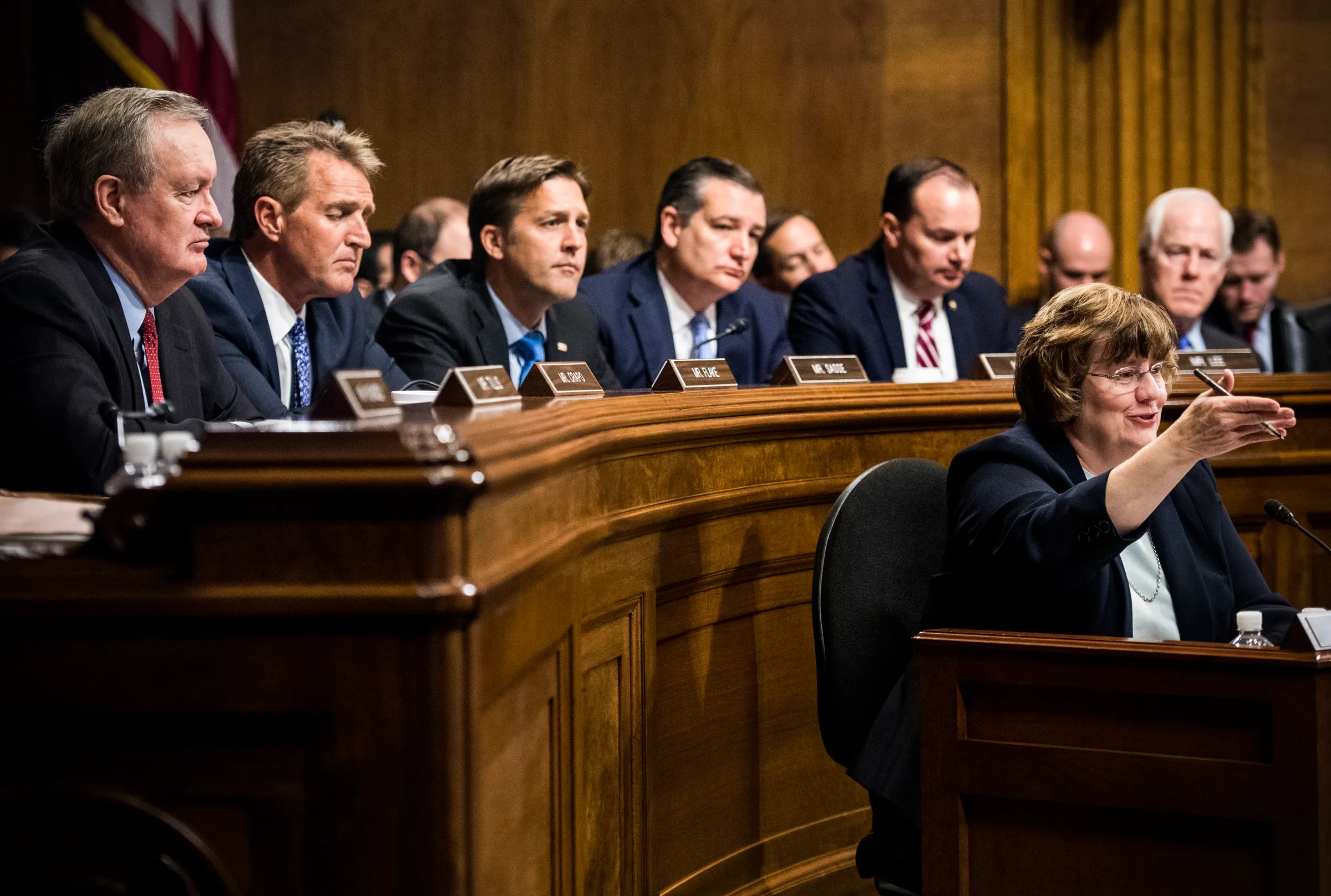


OTTAWA – Microphones go live, interpreters begin working, cameras start rolling, and House of Commons members prepare their questions. A Federal Committee Hearing is more structured than a typical press event, but it can be more revealing because witnesses must respond to detailed questions on the public record. Recent examples, including a House committee hearing on the bridge deal, show how quickly routine proceedings can produce news.
This reporter’s guide follows one meeting from its notice to the final transcript, with attention to the details that shape the story. You’ll also see what to watch during questioning and how a public meeting differs from an in-camera session. First, start with the notice that tells you when the committee meets, why it is meeting, and who is expected to testify.
Key Takeaways
- A Federal Committee Hearing begins with a Notice of Meeting, which lists the subject, schedule, location, and expected witnesses.
- Read the witness list before attending, then track opening statements, question periods, party priorities, and unanswered claims.
- Public testimony becomes part of the official Evidence transcript, usually posted within 10 days. The House witness guide explains the process.
- In-camera meetings exclude reporters and generally produce no public transcript, so confirm the meeting’s status before quoting proceedings.
- Recent coverage of committee scrutiny of Iran-linked operatives shows how testimony can quickly become a national story.
Fast Facts & Costs Table: What to Know Before You Go
A House of Commons committee meeting is usually open to the public and media, with free attendance and online viewing. Check the notice before you travel because the meeting’s location, format, witnesses, and public access can change.
Practical Details for Reporters and Visitors
| Question | What to know |
|---|---|
| Who can attend? | Members of the public and reporters can attend public meetings, subject to room capacity and security rules. |
| Is it public? | Usually. In-camera meetings are closed and don’t produce a public transcript. |
| Where is the notice? | Find the subject, date, time, location, and witness list in the committee’s online notice. |
| How can I watch? | Public meetings in the Parliamentary Precinct are generally livestreamed and available on demand through the House website and ParlVu. |
| What records are produced? | Public meetings produce an initial transcript, the official Evidence, and sometimes briefs or submitted documents. |
| When does the transcript appear? | The unedited, untranslated “Blues” often appears within 24 to 72 hours. Edited and translated Evidence follows several days later. |
| Is interpretation available? | Yes. Simultaneous English and French interpretation is available for members, witnesses, and the public. |
| What does it cost? | Public attendance and webcasts are generally free. Reporters pay their own travel and incidental costs. |
The House’s committee procedure guide explains the difference between the Blues and the later official record. Treat the Blues as preliminary until Evidence confirms the wording.
Witnesses may receive reimbursement for approved travel, meals, accommodation, or dependent care under House of Commons rates. However, committees decide eligibility, and local witnesses, including those living in the National Capital Region, may not qualify. Check the reimbursement rules before spending money. A hearing tied to parliamentary scrutiny of Bill C-22 may also attract heavy media interest, so reserve a seat early.
What Happens at a Federal Committee Hearing in Canada?
A House of Commons committee hearing follows a set rhythm, even when the discussion becomes heated. The chair opens the meeting, confirms the agenda, introduces witnesses, and manages the order of business. Senate and joint committees follow their own rules, so check the committee’s specific page before reporting.
Why the Notice of Meeting Matters
The committee clerk publishes a notice of meeting on the chair’s instruction. It lists the date, time, location, purpose, and invited witnesses. That notice tells you whether the committee is studying a bill, conducting a broader policy study, or reviewing a specific government decision, such as a Gordie Howe Bridge committee review.
Use the witness list to prepare background questions and identify gaps. If a department official, affected community, or opposing expert is missing, that absence may shape your reporting. The notice also indicates whether the meeting is public or in camera. Public sessions are broadcast and produce an official record, while in-camera proceedings exclude reporters and remain confidential.
Agendas can change. Check the committee page shortly before the start time for a replacement witness, room change, delayed meeting, or revised subject.
How Question Period Differs From Committee Questioning
After opening statements, members question witnesses in timed rounds. The chair recognizes speakers, keeps each round on schedule, manages interpretation, and rules on procedure when disputes arise. Members may join remotely under parliamentary rules, but the chair must be physically present.
Committee questions usually follow the study, bill, or mandate, yet they can be political, technical, or adversarial. Witnesses are expected to answer questions put by the committee, although responses may expose contradictions or avoid the point. The chair manages relevance, but no narrow rule controls every question.
Watch for a new commitment, a document request, a changed position, or a direct contradiction. Those moments are usually more newsworthy than a long exchange of prepared talking points.
Before the Hearing: How Reporters Prepare and Get Access
Good reporting starts before the first question. Find the committee page, read the meeting notice, and review the study background, earlier Evidence, briefing documents, relevant legislation, and government reports. The notice lists the location, format, public or in-camera status, and scheduled witnesses, but it can change before the meeting.
What to Pack and Check Before You Arrive
Bring government-issued identification, a charged laptop, headphones, a notebook, and copies of key documents. Pack a recorder only after confirming that recording is permitted. Also, prepare a filing plan so you can publish quickly if a witness makes a significant claim.
Before leaving, confirm:
- The room location, meeting time, and visitor or media access rules.
- Whether the meeting is public, partly in camera, webcast, or audio only.
- Which witnesses will attend in person and which will appear remotely.
- Correct names, titles, organizations, and pronunciations.
- Possible delays, room changes, witness substitutions, or technical problems.
Public meetings are normally open to visitors and media. Parliamentary committee proceedings also provide simultaneous English and French interpretation, although room audio and seating can affect what you hear. Check the House guidance on committee meetings before traveling.
The live webcast is a useful backup when the room is full, or a microphone fails. Afterward, check the official Evidence, which records public testimony and helps verify quotations. The House explains how committee transcripts are published.
How to Read the Witness List
Study each witness’s organization, job title, and appearance order. Ministers speak for the government, while public servants explain administration and policy. Industry groups, academics, unions, advocates, and people giving personal testimony bring different forms of evidence.
Research each witness’s mandate, earlier statements, and likely role in the committee’s study. However, don’t assume one representative speaks for every member of an organization. The order can also reveal how the committee plans to frame the discussion and where follow-up questions may land.
Inside the Hearing Room: Witnesses, Questions, and the Public Record
Once the meeting begins, the chair confirms the agenda, introduces the witnesses, and sets the order of questioning. Witnesses usually give brief opening remarks before members from different parties question them in timed rounds.
How Opening Statements Set the Tone
An opening statement summarizes the witness’s position or the organization’s view. Compare it with the written brief, then identify the central claim. Listen for numbers, proposed actions, and careful wording that members may test later.
A witness may be asked to take an oath or make a solemn affirmation, but committees don’t normally require this unless they adopt a motion. The House witness guide explains the process.
How Interpretation and Remote Participation Affect Coverage
Simultaneous interpretation lets members, witnesses, and the public follow proceedings in English or French. However, interpreted wording may differ from the original. Verify important quotations against the official Evidence transcript or the recording.
Remote participants can generally speak, move motions, vote, and count toward quorum when permitted. The chair must be present in the room, and approved headsets help protect sound quality. Technical failures can still interrupt testimony, cut off answers, or delay a vote.
Witnesses must answer questions put to them, but an answer may be limited by confidentiality, missing information, or a promise to provide documents later. Record those limits carefully.
What the Cameras Do Not Always Show
Live video often centers on the person speaking, so a camera cut, muted microphone, or short pause doesn’t prove what happened off-screen. Track the exact wording, the questioner, the answer, interruptions, follow-up requests, and any ruling by the chair.
Afterward, compare your notes with the recording, Evidence, and the Minutes of Proceedings. The minutes record decisions and actions, while the transcript helps reconstruct the sequence and context.
Step-by-Step Guide: Follow One Hearing From Notice to Final Transcript
Treat each Federal Committee Hearing as a reporting file with a clear sequence. Start with the notice, identify the committee’s mandate, then review the witness list and earlier meetings before you attend or watch the public session.
During the Meeting, Build a Quote and Claim Log
Use time-stamped notes that identify the speaker, approximate time, topic, and exact wording. Label each statement as an answer, opinion, estimate, or commitment. Mark claims that require documents, records, or outside confirmation, and save every document a witness mentions.
Record the question as carefully as the answer. A short quote can change meaning when readers cannot see the prompt that produced it. Also track unanswered questions, requests for follow-up material, interruptions, and any change in a witness’s position.
A practical log might include:
- Speaker and time.
- Question and answer.
- Exact quote, with translation concerns noted.
- Claim requiring verification.
- Document promised or requested.
After the Meeting, Verify Before You Publish
Compare your notes with the recording and official Evidence to check names, figures, translated wording, and the order of events. The unedited Blues may appear within roughly 24 to 48 hours, but they can contain errors and remain unrevised. Use them for speed, then check important quotations against the House committee record when the edited and translated Evidence appears several days later.
Check the Minutes of Proceedings for motions, votes, committee decisions, witnesses, and adjournment details. Before filing, separate your notes into four groups: confirmed facts, direct quotes, claims needing verification, and promises of later documents. Publish only the first two as settled information.
Local Tips & Common Mistakes to Avoid
Whether you report from Ottawa or watch from outside the capital, preparation protects your accuracy. Committee rooms support broadcasting, interpretation, and remote participation, but seating, sound, and camera angles may differ from a normal news conference. Check the meeting page shortly before the hearing, allow time for security or room changes, and keep the webcast ready as a backup.
Public Meeting or In Camera? Check Before Reporting
Public sessions are normally open to the public and media. They are usually broadcast live, recorded, and documented through Evidence, the official transcript of public proceedings. The House of Commons explains the difference between the preliminary Blues and the final official committee record.
An in-camera meeting is closed to the public and media. It isn’t broadcast, and its transcript and related documents are confidential. Report only what the committee officially discloses afterward, such as a public decision, motion, or later report. Never fill gaps with anonymous claims or speculation. Reporting private testimony as public can create serious accuracy and privilege problems.
Common Reporting Errors That Change the Meaning
A witness’s answer can sound very different when separated from the question. Record both, then identify whether the speaker is a minister, a department official, an organization’s representative, or a private individual. A minister speaks politically for the government, while a public servant may describe administration without endorsing government policy.
Treat estimates as estimates, not confirmed figures. Note when interpretation affects wording, and verify important quotations against Evidence, not only the Blues. Also label promises clearly, such as “the witness said documents would be provided later.”
Don’t mistake testimony for a committee finding. Watch the chair’s rulings, motions, votes, and procedural decisions, because a motion may matter more than a tense exchange. Use plain language when describing disagreement, and attribute every claim to the person who made it.
Frequently Asked Questions
These answers cover the practical questions reporters often face before, during, and after a federal committee hearing in Canada.
Can anyone watch a federal committee hearing in Canada?
Most House of Commons committee meetings are open to the public and media. You can usually attend in person or follow the proceedings through a live webcast, with recordings available afterward through ParlVU and the committee website.
Access changes when the committee meets in camera. Closed proceedings exclude the public and reporters, and they are not broadcast.
Are federal committee hearings free to attend or watch?
Public attendance and official webcasts are generally free. However, you normally pay your own travel, meals, accommodation, and reporting costs.
Approved witnesses may qualify for separate reimbursement under House of Commons rules. Eligibility and allowable expenses vary, so witnesses should review the House guide for committee witnesses before making arrangements.
How long does it take for a committee hearing transcript to appear?
The preliminary transcript, known as the Blues, is unedited and untranslated. It often appears within roughly 24 to 48 hours, although timing can vary.
The official Evidence is edited, translated, and published later, usually within several days. Use the House procedure guidance on committee records when verifying an important quotation.
Do witnesses have to answer every committee question?
Witnesses are expected to answer questions put to them, but an answer may be limited by their knowledge, legal advice, confidentiality obligations, or missing records. They may also promise to provide information later.
Report the distinction carefully. An incomplete answer means the witness provided limited information, while a refusal means the witness declined to answer.
What is the difference between a committee hearing and Question Period?
Question Period is a short House proceeding focused on immediate political accountability. A committee hearing examines a bill, policy, or study through invited witnesses, timed questioning, documents, and a lasting public record.
Committees give members more time to test evidence and pursue follow-up questions. Their hearings can therefore reveal detail that a brief exchange during Question Period cannot.
Can a reporter attend an in-camera committee meeting?
No. Reporters cannot attend while a committee meeting is closed in camera. The proceedings are confidential, are not broadcast, and generally do not produce a public transcript.
A committee may later release a decision, motion, report, or announcement. Report only what it officially discloses, not private testimony or unattributed accounts.