
Canada
Alberta Referendum 2026: What Happens on October 19

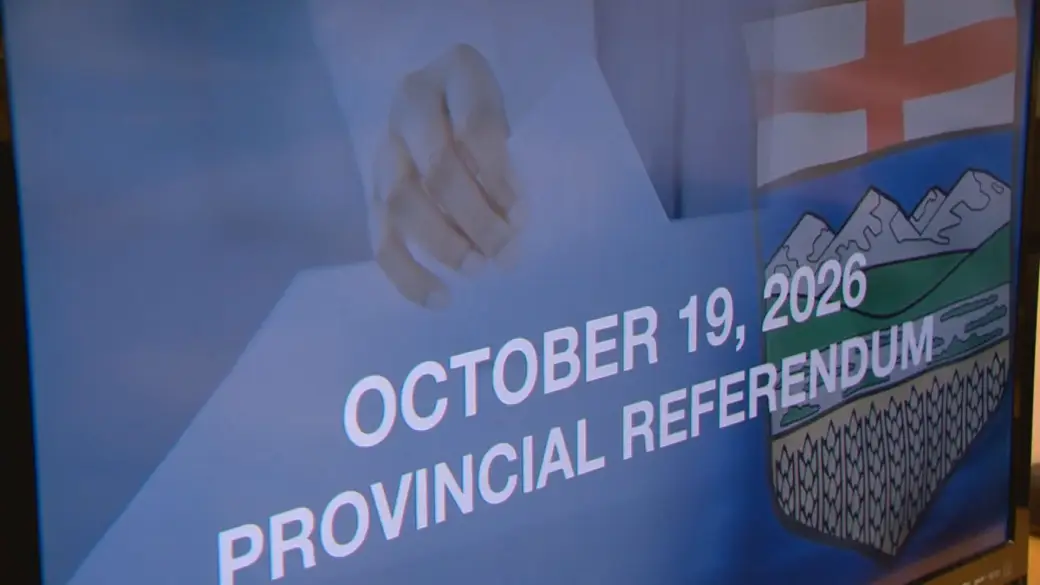
CALGARY – Alberta residents are heading to the polls this Monday, October 19, for a highly anticipated provincial referendum. Voters will face a critical question about their constitutional future within Canada. The decision revolves around whether to maintain the status quo or begin formal steps toward potential separation. This historic moment has captured national attention, sparking intense debates across the province.
However, it is essential to understand exactly what is on the ballot this week. A “yes” to separation does not instantly declare an independent republic of Alberta. Instead, it simply authorizes the provincial government to start a lengthy legal process aimed at a later separation vote. Consequently, this Monday’s decision acts more as a constitutional starting gun than a final departure.
Key Takeaways
- No Immediate Exit: The October 19 ballot asks if Alberta should begin a legal separation process, not declare immediate independence.
- Remain Camp Leads: Recent polling shows 70% of Albertans prefer staying in Canada, a significant increase from summer numbers.
- UCP Voters Divided: The ruling United Conservative Party base is deeply split, with 48% supporting the separation process and 43% backing remain.
Understanding the October 19 Ballot Question
Misinformation about the referendum’s immediate impact has clouded some local discussions over the past few weeks. Legal experts emphasize that constitutional change in Canada requires complex negotiations with the federal government. Therefore, even if the separation option wins, Alberta legally remains a Canadian province on Tuesday morning. The vote simply grants a political mandate to explore a different structural relationship with Ottawa.
Proponents of the separation process argue it gives Alberta essential leverage against federal policies they view as restrictive. They believe initiating this legal pathway will force Ottawa to take the province’s economic concerns seriously. On the other hand, the “remain” side warns of severe economic uncertainty and constitutional chaos. They argue that starting a separation process will deter investment and damage the local economy.
As a result, the campaign trail has been filled with passionate rallies and intense town hall meetings. Families and neighbors often find themselves on opposing sides of this profound constitutional question. Yet, despite the heated rhetoric, voter turnout is expected to break historical records across the province. Local election officials have spent months preparing for this massive logistical challenge.
Final Polls: Remain Lead Widens Ahead of Vote
With election day just around the corner, pollsters are providing a clear picture of public sentiment. According to Leger’s October poll, the “remain” option is currently sitting comfortably at 70 percent. This represents a noticeable surge for the status quo, which was polling at just 65 percent back in August. Meanwhile, support for beginning the separation process has seemingly stalled at only 22 percent.
Political analysts suggest that economic pragmatism is driving this late swing toward staying in Canada. Undecided voters appear to be seeking stability amid global economic uncertainties and fluctuating energy markets. The remaining 8 percent of polled voters are either undecided or declined to answer the survey. Historically, undecided voters tend to break toward the status quo in high-stakes constitutional referendums.
This polling data highlights a significant challenge for the leaders of the separation movement. Getting their message across to moderate voters in urban centers like Calgary and Edmonton has proven difficult. These cities hold the largest concentration of voters, making them absolute battlegrounds for both campaigns. Ultimately, the rural-urban divide continues to play a massive role in Alberta’s modern political landscape.
The UCP Voter Split
While the province as a whole leans heavily toward remaining, the internal numbers reveal a fascinating political subplot. Voters who support the governing United Conservative Party (UCP) are virtually split down the middle on this issue. Leger’s data indicates that 48 percent of UCP voters back the separation process. In contrast, 43 percent of the party’s base firmly supports remaining in Canada.
This nearly even divide presents a delicate tightrope for provincial political leaders to walk in the coming months. Regardless of Monday’s outcome, governing a party with such a fractured base will require significant political skill. Party insiders worry that a decisive loss for the separation camp could alienate their more populist rural supporters. Conversely, the moderate wing of the party is demanding a swift return to focusing on the economy.
Moving forward, the UCP will need to find common ground to keep its coalition intact ahead of future elections. Healing these internal rifts will likely dominate the provincial legislature’s agenda throughout the winter session. Political scientists are closely watching how this internal dynamic will shape Alberta’s relationship with the federal government next year.
Looking Ahead to Monday’s Decision
When the polls close on Monday night, all eyes will turn to Elections Alberta for the preliminary results. If the polls hold true and the “remain” side secures a decisive victory, the separation issue may be shelved. Political focus would immediately shift back to healthcare, education, and the rising cost of living. The provincial government would likely use the high turnout as a mandate to govern on traditional conservative principles.
However, if the separation option outperforms expectations, it will send a massive shockwave across the entire country. A tighter race would embolden separation advocates to continue their push for constitutional reform and greater provincial autonomy. Ottawa would be forced to carefully calibrate its response to avoid further inflaming western alienation.
Ultimately, this referendum serves as a vital temperature check on Alberta’s place within the Canadian federation. Millions of voters now have the final say on the trajectory of their province’s future. Whatever the result, Monday’s vote will permanently alter the political discourse in Alberta for a generation.
As Albertans prepare to cast their ballots, the atmosphere remains electric and deeply historical. Volunteers from both sides are working around the clock to knock on doors and mobilize their supporters. This weekend marks the final push in a campaign that has tested the province’s unity and resilience. Monday will truly be a defining moment in Canadian history.
Trending News:
Why Alberta Is Voting on a Future Independence
Why Alberta Separatist Leaders Say It’s Time to Leave Canada


Carney Warns Alberta: US Threats Aim to Break Canada Apart

Katie Zacharia Quits as WH Press Sec After Just Five Days

Alberta Referendum 2026: What Happens on October 19

Historian Victor Davis Hanson Exposes Mark Carney’s Agenda

Canadian Podcaster Jasmin Laine Unmasks Carney’s Tariff Lies

Are Liberal Voters Now Regretting Voting for Mark Carney?

Carney’s Trade Strategy: The Risk of Waiting Out Trump

US Treasury Warns Canada Banks Over Iran Sanctions

US-Canada Tensions: Elections Interference Warning

U.S. Investigation Uncovers Canadian Banks Debanking Conservatives

Opinion: Is Modern Political Empathy Really About Self-Image?

US Trade Moves Put Massive Pressure on Canada

Opinion: Canada’s Combating Hate Act Threatens Free Speech

Pierre Poilievre Critiques Reporter Who Questions His Leadership

How Progressivism Replaced Religion With A New Secular Faith

Canada Sheds 68,000 Jobs As Economic Fears Deepen

Uncovering the Truth Behind Inequality: A Bold New Vision

Opinion: What South America’s Political Shift Means for Canada

Opinion: Canada’s Economy Is Under Pressure From Debt, a Weak Dollar and Steel Tariffs

Why Alberta Separatist Leaders Say It’s Time to Leave Canada

Jimmy Kimmel Slammed for “Vile” Melania Trump “Expectant Widow” Joke

President Trump Addresses Nation on War with Iran

Trump Warns NATO Allies: America Won’t Protect Slackers After Iran Clash

Senate Hearing on Fraud and Foreign Influence Turns Tense Over Minnesota Scandals

CNN Forced to Backtrack Its Reporting on Trump’s Iran Talks

Joe Rogan Slams Gavin Newsom for Mocking Nick Shirley

Mosque Set Ablaze in Iran a Citizens Revolt Against the Islamic Regime

AOC Accuses Jessie Watters of Fox News of Sexualizing and Harassing Her

JD Vance Exposes Walz’s Fraud and CNN’s Lies in White House Presser

Milestone Card Credit: How the Milestone MasterCard Can Transform Credit


-

 News9 months ago
China-Based Billionaire Singham Allegedly Funding America’s Radical Left
-
Crime10 months ago
YouTuber Nick Shirley Exposes BILLIONS of Somali Fraud, Video Goes VIRAL
-
Politics10 months ago
Ilhan Omar Faces Renewed Firestorm Over Resurfaced Video
-
Politics10 months ago
2026 Midterms Guide: Candidates, Key Issues, and Battleground States
-
Politics8 months ago
Ilhan Omar’s Connections to Convicted Somali Fraudsters Surface
-
Politics8 months ago
CNN Delivers Stark Reality Check to Democrats Over Voter ID
-
Politics7 months ago
Rep. Ilhan Omar Faces Heat as Minnesota Voters Seek Change
-
Politics8 months ago
Trump Approval Rating (February 2026 Poll Results, Approve vs Disapprove)















