
China
The Silent Ticking: Why China’s Recent Wave of Chaos Feels Like a Breaking Point

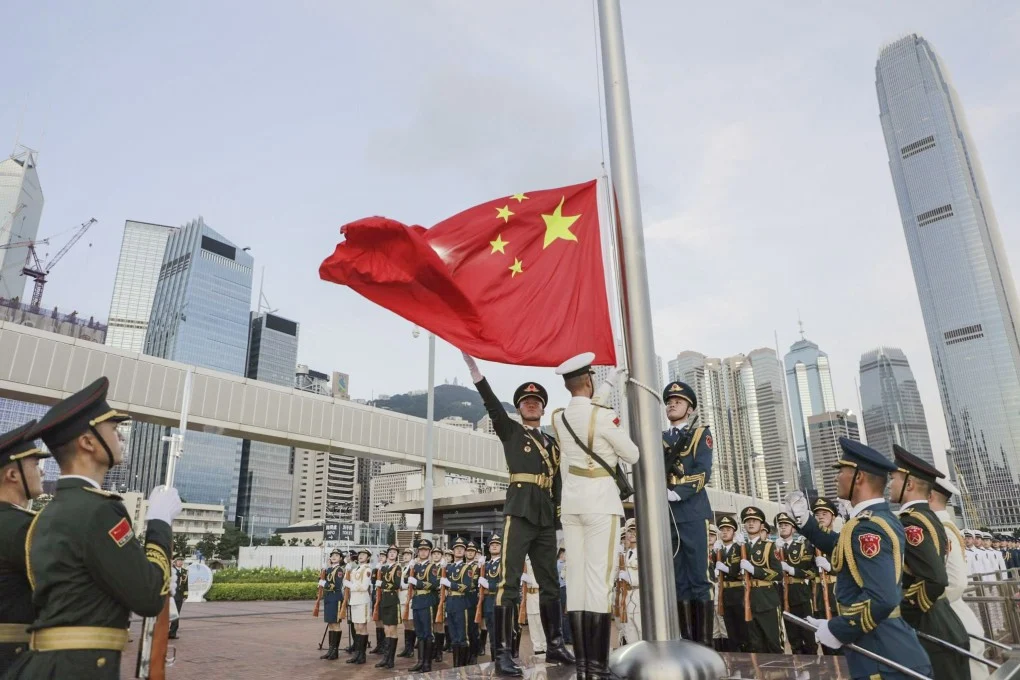
BEIJING, China – For decades, the unspoken contract between the Chinese Communist Party and its citizens was simple: the state provides stability and economic growth, and the people provide their silence. But as 2026 unfolds, that silence is being shattered by the roar of engines, the smoke of industrial fires, and the quiet desperation of a population losing its safety net.
Across the mainland, a series of seemingly unrelated tragedies—from mass poisonings in the capital to a massive crackdown on basic transportation in the south—has many asking if the “world’s factory” is finally overheating. What used to be dismissed as isolated “accidents” now look increasingly like symptoms of a systemic collapse.
In Beijing, the very heart of the CCP’s power, a sense of unease has settled over the streets. Two major incidents have recently rattled the city’s usually iron-clad security.
First, a mass poisoning event at a public gathering sent dozens to the hospital, sparking rumors of intentional contamination. This was quickly followed by a horrifying vehicle-ramming attack in a busy commercial district.
While state media often frames these as “traffic accidents” or the work of “mentally unstable individuals,” the frequency of such events suggests a deeper undercurrent of social revenge—what locals often call “taking it out on society.”
These acts of desperate violence are not limited to the capital. From the 2024 Zhuhai car attack that left 35 dead to recent incidents in central China, the car has become a weapon of the frustrated.
The Burning Factory: When Industrial Safety Meets Economic Pressure
China’s industrial heartland is also showing signs of strain. In early 2026, a biotech factory explosion in Shanxi province killed eight people, and a steel plant blast in Inner Mongolia left two dead and dozens injured.
While industrial accidents have long been a risk in China, the current wave is occurring under intense economic pressure. As profit margins thin and global demand fluctuates:
- Safety standards are being sidelined to cut costs and maintain production quotas.
- Maintenance schedules are delayed as factories struggle with mounting debt.
- Worker burnout has reached an all-time high, leading to fatal errors in high-risk environments.
The Shenzhen Crackdown: “Each Bike is a Seed of Hatred”
Perhaps the most visible sign of the state’s tightening grip—and the public’s growing resentment—is unfolding in the tech hub of Shenzhen. Known as the “city of scooters,” Shenzhen recently launched Operation “Thunder 01,” a massive campaign to regulate electric two-wheelers ahead of an international summit.
Overnight, authorities seized thousands of electric mopeds. For the city’s millions of delivery drivers and low-wage workers, these bikes are not a luxury; they are a primary tool for survival.
- 100,000+ seizures: Massive piles of confiscated bikes now sit in open lots, visible to the public.
- Economic Impact: Delivery riders report making far fewer trips, directly hitting their meager take-home pay.
- Social Backlash: Online, the reaction has been visceral. One commenter’s sentiment went viral: “Each bike is a seed of hatred.”
A System Under Pressure
Why is this happening now? Analysts point to a “perfect storm” of structural failures that are pushing the social fabric to its limit:
- Economic Stagnation: With a real estate crisis and record-high youth unemployment, the “Chinese Dream” is feeling increasingly out of reach for the average citizen.
- The “Lying Flat” Generation: A growing segment of the population has given up on traditional success, leading to a sense of nihilism that can, in extreme cases, turn toward violence.
- Surveillance Fatigue: While digital surveillance is at its peak, it cannot stop the “lone wolf” attacks that stem from individual despair.
- Aging Population: Recent pension reforms and a rising retirement age have triggered protests among the elderly, who feel the state is breaking its promises.
The Path Forward for China
For the leadership in Beijing, the response has been consistent: more security, more regulation, and more control. But as the incidents in Shenzhen and Beijing show, the more the state squeezes, the more the pressure builds.
The question is no longer whether China is facing a crisis, but how much more the system can take before the “isolated incidents” become an unstoppable wave. For the millions of workers whose livelihoods were hauled away on the back of a police truck in Shenzhen, the breaking point may have already arrived.
Related News:
China’s Billions Are Buying the Western Media Narrative
US-China Tensions Reach Boiling Point Over Hormuz Blockade
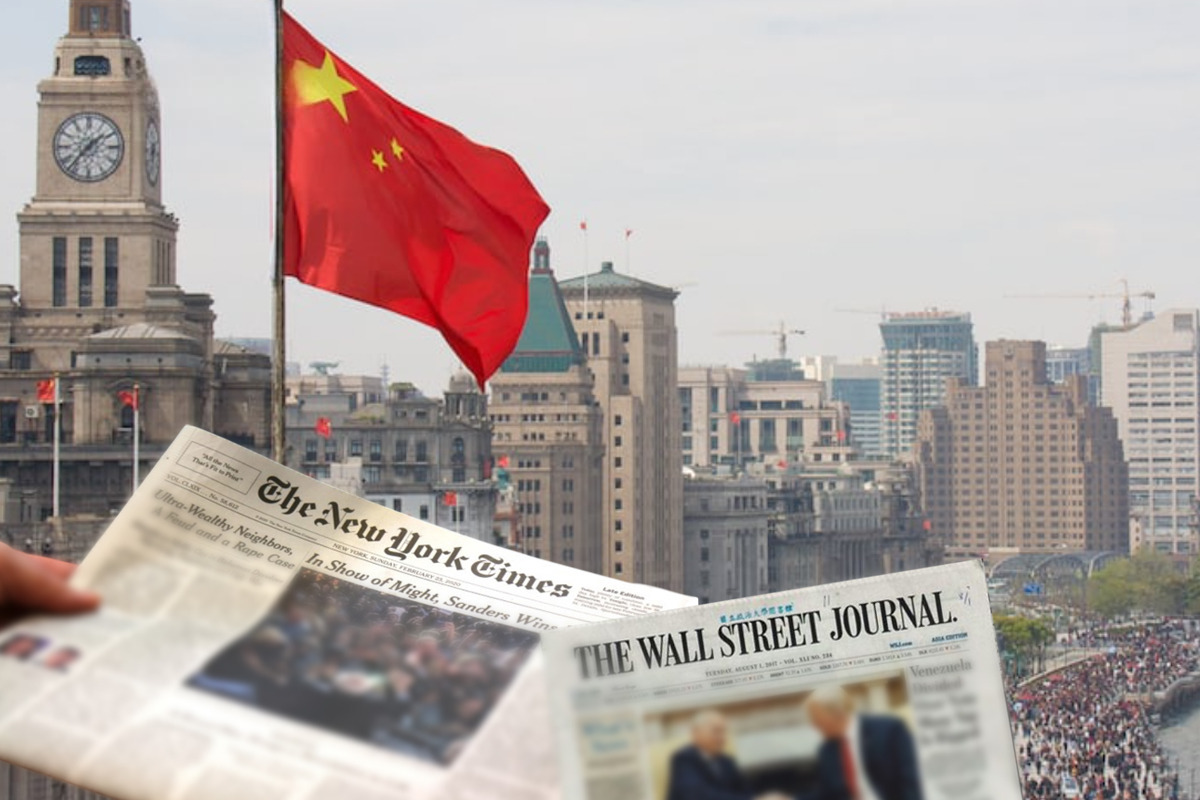
NEW YORK – In the gleaming boardrooms of London and New York, the ink on multi-million dollar advertising contracts is drying. But these aren’t typical deals for luxury watches or tech gadgets. They are agreements for “sponsored content”—glossy, professionally produced supplements that look like news but are written in Beijing.
Over the last decade, the Chinese government has launched a global media offensive of staggering proportions. Estimates from organizations like Freedom House suggest that China spends billions of dollars annually to “tell China’s story well.” This campaign isn’t just about promoting tourism; it’s a sophisticated effort to reshape global public opinion, silence critics, and ensure that Western newsrooms think twice before biting the hand that feeds them.
The Billion-Dollar Megaphone: How the Money Flows
China’s strategy for media dominance is multi-layered. It combines traditional advertising with “covert” influence and ownership. The goal is to create an information environment where Beijing’s narrative is the only one people hear.
1. The “China Watch” Strategy
For years, major Western newspapers—including those considered the “gold standard” of journalism—carried a monthly supplement called China Watch. Produced by the state-run China Daily, these inserts were designed to look like legitimate reporting.
- The Cost: Data from U.S. Foreign Agents Registration Act (FARA) filings shows that China Daily has paid tens of millions of dollars to outlets like The Washington Post, The Wall Street Journal, and The New York Times for these placements.
- The Result: Readers were presented with articles praising China’s “poverty alleviation” or “ethnic harmony” in Xinjiang, often placed right next to genuine investigative pieces about human rights abuses.
2. Buying the Infrastructure
Beyond buying space in existing papers, China has moved to buy the “pipes” through which news travels.
- Content Sharing: State-run agencies like Xinhua have signed cooperation agreements with hundreds of news agencies worldwide. In many developing nations, Xinhua provides its wire service for free, effectively becoming the default source for world news.
- Direct Ownership: In some regions, Chinese-linked entities have purchased controlling stakes in local TV stations and newspapers, ensuring a pro-Beijing editorial line from the top down.
The “Ideological Buffet”: Why the Leftist Media Is Vulnerable
There is a growing concern among media watchdogs that “progressive” or “Leftist” media outlets in the West have become particularly susceptible to Chinese influence. This isn’t necessarily because of shared ideology, but rather a combination of financial desperation and a common skepticism of Western power structures.
Mainstream journalism is in a death spiral. As traditional ad revenue vanishes, many outlets are desperate for any cash infusion. Beijing offers a “no-strings-attached” (at least on paper) stream of revenue that is hard to refuse.
“When a legacy outlet is facing layoffs, a $500,000 ‘partnership’ with a Chinese tech giant or a state-backed cultural foundation doesn’t look like propaganda—it looks like a lifeline.”
China’s propaganda often uses the language of the Western Left to deflect criticism. By framing Western concerns about human rights as “Orientalism,” “imperialism,” or “anti-Asian hate,” Beijing successfully silences many progressive journalists who are wary of appearing aligned with Western “Cold War” hawks.
The “Invisible” Propaganda: Social Media and Influencers
As we move into 2026, the battleground has shifted from the newsstand to the smartphone. Beijing has pivoted toward a “soft” approach, using social media influencers to reach younger audiences who don’t read traditional newspapers.
- The “Traveler” Influencers: Scores of Western vloggers are invited on all-expenses-paid “tours” of China. They produce beautiful videos showing high-speed trains and bustling night markets, often echoing state talking points about the “real China” that the “Western media won’t show you.”
- AI and Botnets: Research from the European Union’s EEAS has identified massive networks of fake accounts that amplify pro-Beijing content and harass journalists who report on sensitive topics like Taiwan or Tibet.
The Impact: What Happens When Truth is for Sale?
The danger of this billion-dollar campaign isn’t just that people will start believing Chinese state TV. The danger is narrative exhaustion.
When the public is flooded with conflicting stories—one about a “dynamic, modernizing China” and another about “forced labor”—many people simply tune out. They begin to believe that “everyone has an agenda” and “the truth is unknowable.” This cynicism is exactly what Beijing wants. It neutralizes the moral authority of Western journalism.
Key Tactics Used to Influence Newsrooms:
- Journalist “Study Tours”: Offering free trips to China for reporters to meet with “happy locals.”
- Economic Threats: Threatening to pull advertising or deny visas to outlets that cover “sensitive” topics.
- Direct Subsidies: Funding “China Desks” or academic centers that produce “balanced” (pro-Beijing) research.
The tide may be turning. Countries like Australia and the United States have tightened foreign influence laws. In 2025, several major European outlets announced they would no longer accept “advertorial” cash from state-run entities.
However, as long as Western media remains financially fragile, the temptation to take Beijing’s billions will remain. The question for readers is no longer just “Is this story true?” but “Who paid for me to see it?”
Trending News:
US-China Tensions Reach Boiling Point Over Hormuz Blockade
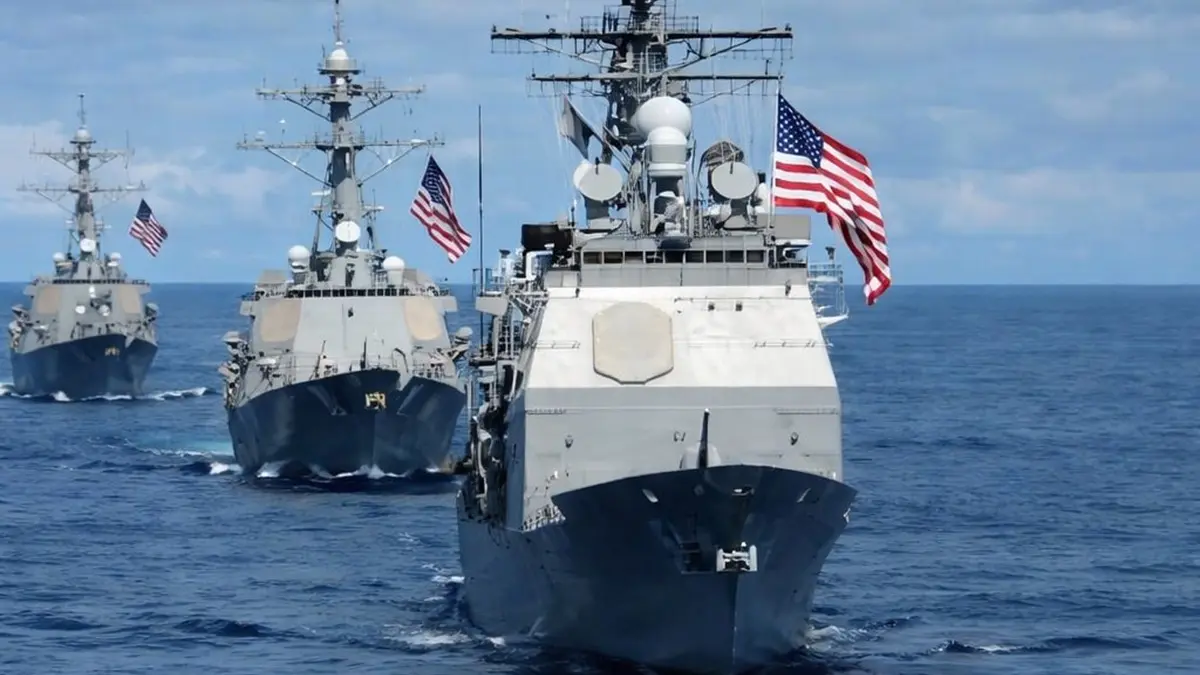
BEIJING – The global energy market is bracing for a historic shock as tensions between the United States and China reach a fever pitch. At the center of the storm is the Strait of Hormuz, a narrow but vital waterway where President Donald Trump has initiated a military blockade. The move, aimed at starving the Iranian government of revenue, has drawn a fierce response from Beijing, which relies heavily on the region for its energy needs.
The blockade, which officially took effect on Monday, marks a dramatic escalation in U.S. foreign policy. President Trump has vowed that the U.S. Navy will intercept and “sink” any vessels attempting to challenge the perimeter or pay tolls to Tehran. For Beijing, the stakes could not be higher. China is the world’s largest buyer of Iranian oil, and any disruption to this supply chain threatens its industrial stability.
A “Dangerous and Irresponsible” Move
The Chinese Foreign Ministry did not mince words following the announcement. Spokesperson Guo Jiakun described the U.S. actions as “dangerous and irresponsible,” warning that the blockade undermines a fragile ceasefire that had been holding between Washington and Tehran.
“The United States has ramped up military deployment and resorted to a targeted blockade,” Guo told reporters during a press briefing in Beijing. “This will only aggravate confrontation and further jeopardize safe passage through the Strait.”
China’s frustration is rooted in its economic dependence on the Middle East. While many Western nations have moved away from Iranian crude due to sanctions, Beijing has continued its trade, often using “ghost fleets” and independent refineries to keep the oil flowing. The new blockade effectively puts a physical stop to these workarounds, placing Chinese tankers directly in the crosshairs of the U.S. Fifth Fleet.
Why the Strait of Hormuz Matters
The Strait of Hormuz is often called the “world’s most important oil chokepoint.” It is a narrow passage between Oman and Iran that connects the Persian Gulf with the Gulf of Oman and the Arabian Sea.
The strategic importance of this waterway is staggering:
- Global Oil Flow: Roughly 20% of the world’s total oil consumption passes through the Strait every day.
- Energy for Asia: Nearly 75% of the oil moving through the Strait is destined for Asian markets, specifically China, India, Japan, and South Korea.
- Natural Gas: About 20% of the world’s Liquefied Natural Gas (LNG), primarily from Qatar, travels this route.
The blockade has already sent oil prices surging past $120 per barrel, sparking fears of a global inflationary spiral not seen since the 1970s.
The Tariff Threat and Economic Warfare
The conflict is not just happening at sea. President Trump has linked the maritime blockade to broader trade tensions with China. He has threatened to impose a 50% tariff on Chinese goods if Beijing is found to be providing military or technological aid to Iran.
U.S. intelligence reports recently suggested that China might be preparing to send advanced anti-air missile systems to Tehran. While Beijing has dismissed these reports as “fabricated,” the White House remains skeptical.
“We told them to buy from elsewhere,” Trump reportedly said, suggesting China source its energy from the U.S. or South America instead. This “extreme pressure” strategy is designed to force China to use its influence in Tehran to secure a more favorable nuclear deal for Washington.
Beijing’s Counter-Strategy
China is not without its own leverage. Analysts point out that Beijing has spent years building a “cushion” for just such a crisis.
- Strategic Reserves: China has built one of the world’s largest strategic petroleum reserves.
- Floating Storage: Currently, an estimated 38 million barrels of Iranian oil are sitting on tankers at sea, many anchored near the Chinese coast, ready to be offloaded if imports are cut off.
- Diplomatic Alliances: Russian Foreign Minister Sergey Lavrov recently arrived in Beijing to discuss a coordinated response to the blockade, signaling a growing “bloc” against U.S. maritime dominance.
Despite these buffers, a long-term blockade would be devastating. If the U.S. Navy begins boarding Chinese-flagged vessels, the risk of a direct military confrontation between the world’s two largest powers becomes a terrifyingly real possibility.
The Humanitarian and Global Impact
Beyond the halls of power in Washington and Beijing, the blockade is causing immediate suffering. Gulf nations that rely on the Strait for food imports are reporting a “grocery supply emergency.” Because the region imports over 80% of its calories, the halt in shipping has caused food prices to double in some areas.
International reaction has been mixed. While some U.S. allies have remained quiet, others, including the United Kingdom and Spain, have stated they will not participate in the blockade. French President Emmanuel Macron has called for an international conference to discuss a “defensive mission” that would protect shipping without escalating the war.
As of today, the situation remains a stalemate. The U.S. Navy is patrolling the waters, and the Chinese leadership is weighing its next move. Will Beijing risk its ships to challenge the blockade, or will it seek a diplomatic “off-ramp”?
The world is watching the horizon. For now, the only certainty is that the price of gasoline—and the price of global peace—has never been higher.
Trending News:
China Upset Over Hormuz Blockade As Oil Supply Line Cut
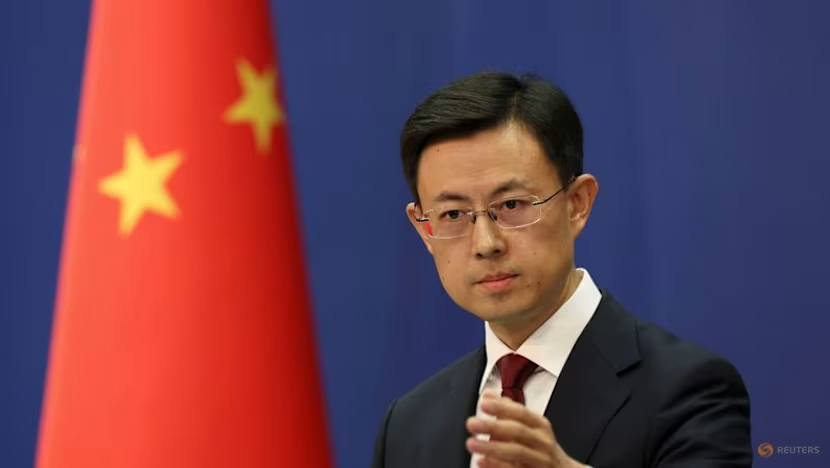
BEIJING – China has issued a sharp diplomatic warning to the United States following the announcement of a naval blockade on the Strait of Hormuz, calling the move a “threat to global interests” that could ignite a wider conflict.
The warning comes after the collapse of high-stakes peace talks between Washington and Tehran. In response to the diplomatic failure, President Donald Trump ordered the U.S. Navy to restrict maritime access to Iranian ports. Beijing, which relies heavily on the waterway for its energy needs, has reacted with uncharacteristic bluntness, urging an immediate return to diplomacy.
Foreign Minister Wang Yi led the charge, stating that any attempt to choke off the world’s most vital energy artery risks a catastrophic escalation. The Strait of Hormuz is a narrow chokepoint through which approximately 20% of the world’s petroleum and liquefied natural gas (LNG) passes. For China, the stakes are even higher, as the strait facilitates nearly 40% of its total oil imports.
“China hopes the relevant parties will abide by the temporary ceasefire arrangements, remain committed to resolving disputes through political and diplomatic means, and avoid a resumption of hostilities,” foreign ministry spokesperson Guo Jiakun said during a Monday press conference.
The spokesperson emphasized that the safety and “unimpeded passage” of the strait are not just regional issues but are essential for the stability of the global economy.
Why Tensions Are Spiking Now
The current crisis follows a marathon 21-hour negotiation session in Pakistan that ended on Sunday without a breakthrough. The talks, led by Vice President J.D. Vance and Iranian officials, reportedly stalled over the issues of maritime control and Iran’s nuclear program.
Following the breakdown, the U.S. Central Command (CENTCOM) announced it would enforce an “impartial” blockade on all vessels entering or exiting Iranian ports. Key developments include:
- Military Presence: U.S. warships have begun patrolling the Gulf of Oman to intercept unauthorized cargo.
- Iranian Retaliation: Tehran has called the blockade “piracy” and warned that no regional port will remain secure if its own trade is threatened.
- Market Shock: Oil prices have already surged toward $100 per barrel, sparking fears of a global inflationary spike.
Beijing’s concerns are not merely diplomatic; they are deeply economic. Analysts suggest the U.S. blockade might be specifically aimed at undermining the use of the Chinese yuan in oil trades—a direct challenge to the “petrodollar” system.
Defense Minister Admiral Dong Jun warned Washington not to interfere with China’s bilateral agreements with Iran. “We have trade and energy agreements with Iran; we expect others not to interfere in our affairs,” he stated, adding that China views the waterway as an international corridor that must remain open to its fleet.
The Human and Economic Cost
While the political maneuvering continues, the human toll of the broader regional conflict is mounting. Lebanese authorities have reported that the death toll from recent hostilities has surpassed 2,000 people. Beijing has used these figures to bolster its argument that only a lasting ceasefire and diplomatic engagement can prevent further tragedy.
The U.S. move has not only angered Beijing but has also caused a rift with Western allies. British Prime Minister Keir Starmer stated that the U.K. would not support a blockade, calling the freedom of the strait “vital” for the world.
As the U.S. Navy begins its operations, the international community is watching closely to see if Beijing will take more than just verbal action. For now, China remains positioned as a mediator, insisting that the “root cause” of the disruption is the military conflict itself, which must be resolved at the table, not on the water.
Related News:
New Allegations Link Ilhan Omar to China-Backed NGO in CUBA


Бонусы Пин Ап казино: все способы игры и развлечений онлайн

The Silent Ticking: Why China’s Recent Wave of Chaos Feels Like a Breaking Point
Бонусы Пин Ап казино: все способы игры и развлечений онлайн
Podrobný pohled na věrnostní odměny Mostbet BlackFriday
Podrobný pohled na věrnostní odměny Mostbet BlackFriday
Безопасность при скачивании 1xbet: официальный сайт и советы экспертов
Безопасность при скачивании 1xbet: официальный сайт и советы экспертов
Безопасность при скачивании 1xbet: официальный сайт и советы экспертов
Максимизация вашего опыта в Pinco Casino Зеркало
Максимизация вашего опыта в Pinco Casino Зеркало

Thai Billionaire Charged With Lese Majeste Over Facebook Post

Russia Bans Facebook, Meta Says It’ll Do “Everything” To Restore Service

Facebook Login Feature – Clash of Clans

4 Things you can do to take your Facebook Lead Generation to the Next Level

Zuckerberg to Allow Violent Speech on Russia After Facebook Blocked

Facebook Loses $200 Billion as Users Shift to TikTok

Downloading Facebook Videos Anonymously with High Quality Video through Snapsave app

The Best Site to Buy Real Facebook Likes and Followers in 2022

Chinese Man Arrested for Using Facebook to Dupe Cryptocurrency Investor

Google and Facebook Under Huge Pressure Over User Privacy

President Trump Addresses Nation on War with Iran

Trump Warns NATO Allies: America Won’t Protect Slackers After Iran Clash

Senate Hearing on Fraud and Foreign Influence Turns Tense Over Minnesota Scandals

CNN Forced to Backtrack Its Reporting on Trump’s Iran Talks

Joe Rogan Slams Gavin Newsom for Mocking Nick Shirley

Mosque Set Ablaze in Iran a Citizens Revolt Against the Islamic Regime

AOC Accuses Jessie Watters of Fox News of Sexualizing and Harassing Her

JD Vance Exposes Walz’s Fraud and CNN’s Lies in White House Presser

Milestone Card Credit: How the Milestone MasterCard Can Transform Credit
-

 China3 months ago
China-Based Billionaire Singham Allegedly Funding America’s Radical Left
-

 Politics2 months ago
CNN Delivers Stark Reality Check to Democrats Over Voter ID
-

 Politics2 months ago
Ilhan Omar’s Connections to Convicted Somali Fraudsters Surface
-

 Politics3 months ago
President Trump Addresses ICE Actions Amid Minnesota Unrest
-

 Entertainment2 months ago
CNN Admits Melania Documentary is HUGE Box Office Success
-

 News3 months ago
China Backed US Billionaire Singham Allegedly Funding of Anti-ICE Protests
-
 News3 months ago
FBI Investigates Who’s Funding and Coordinating ICE Protests and Attacks
-

 News3 months ago
Ilhan Omar’s ‘Exploding’ Wealth Investigated By Federal Authorities