China
2025 Hunan Red Tourism and Culture Festival kicks Off in Xiangtan


XIANGTAN, China – The 2025 Hunan Red Tourism and Culture Festival & the 4th Xiangtan Tourism Development Conference was held in Shaoshan County, Xiangtan City of Hunan Province from July 10 to 11. Centring on the theme of “Aspiring to Shaoshan・Meeting in Hunan for the Future”, the event carefully planned two main activities: the “Motherland is So Beautiful” Poetry Recital and the opening ceremony of the conference.
Xiangtan is an important part of the Changsha-Zhuzhou-Xiangtan Metropolitan Circle. Located at the transportation hub in central China, it has a long history of more than 1,500 years, giving birth to many cultural celebrities in modern times.
Including Jiang Wan, a famous prime minister of the Shu Han Dynasty, Zeng Guofan, an important minister in the late Qing Dynasty, Qi Baishi, a world cultural celebrity, as well as Wang Kaiyun, Yang Du and Xiao San. It is an important source of Huxiang culture.
In the first half of the year, Xiangtan City experienced a 7.3% increase in domestic and foreign tourists, with a corresponding 10.8% rise in total tourism revenue. The activities at major scenic spots in the city are distinctive and complementary, promoting the integration of culture and tourism through innovative experiences that bring unforgettable journeys to tourists.
By national and provincial festivals and events such as the Red Expo, Red Tourism and Culture Festival, and Tourism Development Conference, Xiangtan has launched cultural and tourism benefit activities, including consumption festivals and music festivals, dedicated to brand communication and consumption promotion.
It held activities such as the Hunan-Shanghai Cooperation Exchange Conference and Shaoshan Special Promotion Conference, and the Shaoshan Red Culture and Tourism Investment Promotion Conference in the Guangdong-Hong Kong-Macau Greater Bay Area.
It has also organised cultural and tourism enterprises and institutions to participate in expositions and promotion conferences, deepened regional cooperation, and effectively expanded markets in the Guangdong-Hong Kong-Macau Greater Bay Area, Jiangsu, Zhejiang and Shanghai.
Xiangtan has improved the hardware facilities for inbound tourism payment, actively promoted inbound policies, and strives to build a world-renowned cultural tourism destination.
Related News:
Wisdom at Nishan Forum 2025 Inspires Global Modernisation



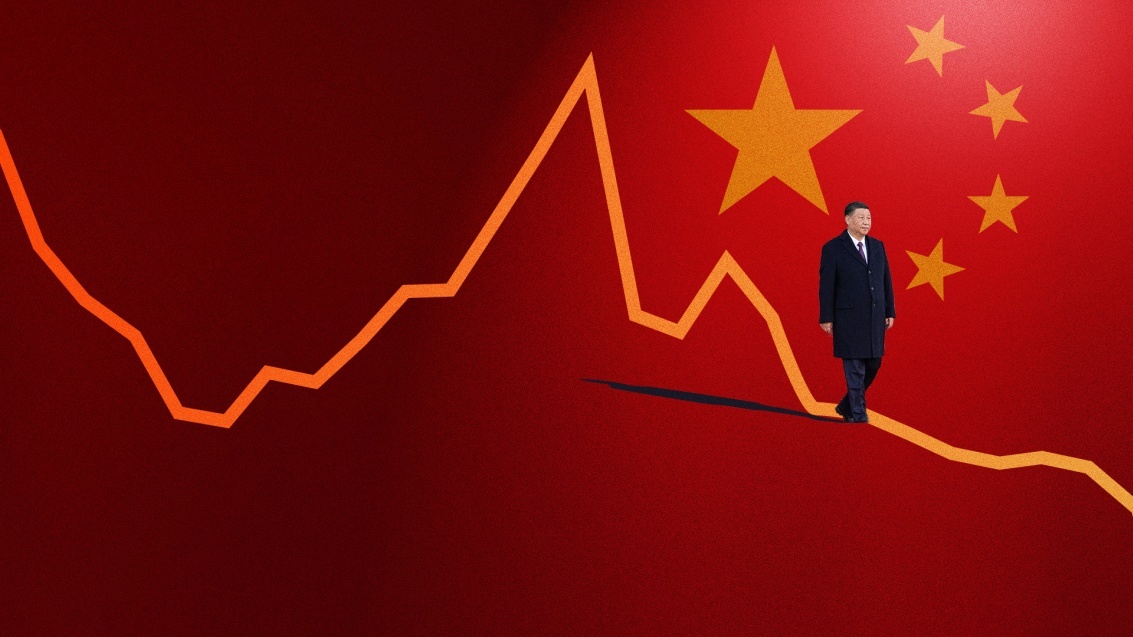
GUANGZHOU, China — For decades, the Pearl River Delta was known as the “World’s Factory.” It was a place where the sun never truly set, obscured by the haze of thousands of chimneys and the neon glow of 24-hour shifts. Today, the delta is defined by an eerie, heavy silence.
The escalating conflict in the Middle East, specifically the war involving Iran, has sent shockwaves across the ocean, landing a devastating blow on China’s economy.
What began as a geopolitical crisis has transformed into a local catastrophe for millions of workers and business owners. From the textile mills of Dongguan to the high-tech hubs of Shenzhen, the lights are going out.
In cities like Foshan and Zhongshan, the industrial parks that once hummed with the sound of sewing machines and hydraulic presses are now ghost towns. The traffic jams of cargo trucks have vanished, replaced by empty asphalt and “For Lease” signs taped to rusted gates.
The slowdown isn’t just a dip in the market; it is a full-scale retreat. Factory orders have plummeted as global shipping routes become treacherous and energy costs soar. For the Pearl River Delta, the gears of trade haven’t just slowed—they have ground to a halt.
Key Factors Driving the Shutdown in China
- Energy Costs: With Middle Eastern oil supplies disrupted, the cost of powering massive industrial plants has tripled.
- Supply Chain Collapse: Essential raw materials are stuck in ports or diverted, making steady production impossible.
- Vanishing Demand: International buyers, spooked by global instability, are canceling long-term contracts.
The Textile Industry: A Pillar Crumbles
While no sector is safe, the textile industry—the historic backbone of South China’s export power—has been hit hardest. Textile manufacturing relies on thin profit margins and high-volume exports. Both are now gone.
In the garment districts, warehouses are overflowing with unsold stock. Fabric that was meant for European and American runways sits gathering dust because shipping insurance has become unaffordable.
“We used to run three shifts a day,” says Li Wei, a former manager at a large spinning mill. “Now, we can’t even afford to turn on the air conditioning for the security guards. There is no one left to make clothes for.”
Wages Sink to 1990s Levels
Perhaps the most shocking aspect of this economic winter is the collapse of the labor market. For thirty years, China saw a steady rise in the standard of living. That progress is now being erased in real-time.
As factories close, the surplus of labor has driven wages down to levels not seen since the mid-1990s. In many sectors, workers are being offered “subsistence wages” just to keep their dormitory housing.
The Reality of the Labor Market
- 30-Year Lows: Adjusted for inflation, take-home pay for many factory hands has reverted to 1996 levels.
- The “Gig” Trap: Skilled engineers and veteran technicians are now competing for food delivery jobs that pay pennies.
- Migration Reversal: Millions of migrant workers are returning to rural villages, unable to afford the cost of living in the industrial cities.
Small Businesses Face the Brink
It isn’t just the giant corporations suffering. The “ecosystem” of the Delta—the small family-run shops that provide parts, packaging, and logistics—is dissolving.
These small and medium-sized enterprises (SMEs) lack the cash reserves to weather a long-term conflict. Without government bailouts or a sudden end to the war in Iran, thousands of these businesses are filing for bankruptcy every week. The loss of these “hidden champions” means that even if the war ends tomorrow, the infrastructure to restart the economy may no longer exist.
Global Consequences of a Chilled China
The world is beginning to feel the “China Chill.” As these factories shut down, the global supply of consumer goods is tightening.
- Inflation Abroad: As Chinese production drops, prices for electronics, apparel, and household goods in the West are expected to climb.
- Shipping Turmoil: Major ports like Hong Kong and Guangzhou are seeing record-low container volumes, signaling a broader freeze in global trade.
Looking Ahead: Is Recovery Possible?
Economists warn that the damage to the Pearl River Delta may be structural rather than temporary. The longer the Iran conflict persists, the more likely it is that global brands will move their supply chains to more stable regions.
For the people of the Delta, the “Machine Noises” they grew up with are now a fond memory. The focus has shifted from growth to survival. Until the fires of war in the Middle East are extinguished, the industrial heart of China remains in a state of clinical depression.
The world’s factory has stopped taking orders, and the silence is deafening.
Related News:
Iran Rejects China’s Mediation Offer in Ongoing War with US and Israel
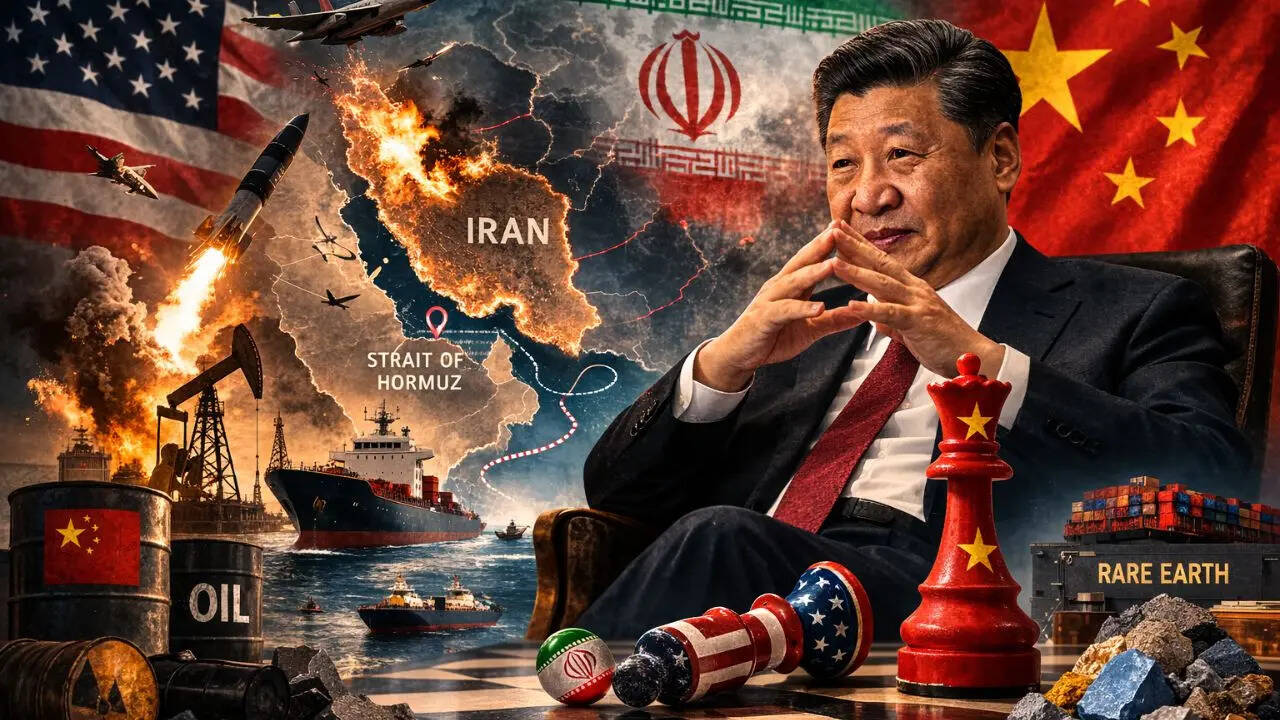
TERRAN – The conflict in the Middle East has taken another unexpected turn. Iran has rejected China’s offer to mediate the growing war involving the United States and Israel. According to insider accounts, the decision is a serious setback for Beijing as it tries to present itself as a global peace broker.
The timing matters. The war is already shaking energy markets and fueling concern about a wider regional crisis. China, which has strong economic ties with Iran, had quietly floated the idea of serving as a neutral go-between. Tehran refused.
Reports from sources familiar with the talks say Iranian officials flatly turned down China’s mediation proposal. They also rejected a separate Chinese request tied to the safe passage of Chinese commercial ships through the Strait of Hormuz.
That waterway carries a large share of the world’s oil exports. So, any threat to shipping there quickly pushes up energy prices. China, as a major oil importer, has a lot at stake.
Sources say Iran is focused on military strategy and direct backing from partners, not fast diplomatic off-ramps. One person familiar with the matter said Tehran wants firm protection against future attacks before it will seriously consider talks.
Why Iran Said No
Iran has taken a harder line as the conflict has grown. Leaders in Tehran appear unconvinced that China can do much to ease pressure from Washington and Israel.
Several points seem to be driving Iran’s position:
- Tehran wants binding security guarantees to stop future strikes.
- Iran still refuses to curb its ballistic missile program, which remains a long-standing red line.
- Iranian leaders appear more focused on building domestic support and strengthening regional alliances than on securing a quick ceasefire.
The refusal also marks a clear change in tone. Only weeks ago, Iranian Foreign Minister Abbas Araghchi had said publicly that countries such as China could play a role in mediation. Now, Iran’s actions tell a different story.
The message is hard to miss. When a major economic partner offers help and gets turned away, it shows Iran intends to keep fighting on its own terms.
What It Means for China’s Bigger Goals
For years, China has tried to build an image of itself as a steady and responsible world power. Its role in the 2023 Saudi-Iran normalization deal helped that effort and gave Beijing a diplomatic win in the region.
This time, however, the result cuts the other way. Iran’s rejection exposes the limits of China’s influence in the Middle East, even with a country with which it works closely.
Beijing’s approach depends far more on trade and investment than on military force. It wants to protect energy flows, expand the Belt and Road Initiative, and show it can help settle conflicts where the US has struggled.
Insiders say this episode weakens that case. If Iran won’t accept Chinese mediation or even cooperate on shipping safety, Beijing’s real influence comes into question.
At the same time, a long conflict creates problems for China at home. Higher oil prices raise costs for businesses and consumers. Trade disruptions add more strain. Still, if Beijing steps in too forcefully, it could upset Gulf partners or create fresh tension with Washington.
In practical terms, several risks stand out:
- China’s energy security faces more pressure because it depends heavily on oil from the region.
- Beijing’s diplomatic standing takes a hit when a peace effort fails so publicly.
- Chinese leaders now have to balance support for Iran with the need to avoid direct conflict with the US.
As one analyst put it, China’s Middle East policy depends on influence without troops on the ground. This war is a reminder that hard power still shapes events.
Background on the War
The current conflict grew out of rising attacks between Iran and the US-Israel alliance. In recent months, the region has seen direct strikes, proxy activity, and repeated threats against major shipping routes.
China responded by sending Special Envoy Zhai Jun across the region. He met with officials in Saudi Arabia, the UAE, and other Gulf states as part of a push for de-escalation. Chinese leaders also kept calling for talks and a ceasefire.
Foreign Minister Wang Yi said that “the one who tied the bell must untie it,” urging the main parties to step back. Still, little progress has followed.
Iran, for its part, has rejected some US-backed truce ideas while keeping lines open with several mediators. Its decision to reject China’s direct offer adds another complication to an already messy diplomatic picture.
What Insider Sources Are Reporting
People briefed on the talks describe growing frustration inside Beijing. One source said Iranian leaders are simply not ready to compromise at this stage of the war.
Another said Iran refused not only the mediation plan, but also China’s request related to safe shipping in the Strait of Hormuz. That part matters because it directly affects Chinese commercial interests.
These reports match wider signs that Tehran has hardened its stance. Iran appears willing to absorb short-term pressure if it believes that helps it gain more room later.
Wider Effects Across the Region and Beyond
The episode also raises a larger issue, which is who still has enough influence to shape the course of this conflict.
For the US and Israel, Iran’s refusal may reinforce the belief that Tehran prefers confrontation to compromise. For Gulf states, the moment is also telling. Many of them value trade with China, but they still depend on US security support.
Global markets are watching closely as well. Continued uncertainty in the Strait of Hormuz keeps oil prices unstable, and that affects fuel costs, shipping, and factory prices around the world.
China’s steady, trade-first approach is now under pressure. Its success in helping restore Saudi-Iran ties raised hopes that it could do more in the region. Active war, however, is a much harder test.
Some observers say the setback does not end China’s role. Beijing could still stay involved quietly, offer help with future rebuilding, or preserve ties with all sides while waiting for better conditions. Others see the moment as proof that China’s close partnerships still have clear limits.
In any case, the episode shows how difficult Middle East diplomacy remains. Even powerful states can reach a point where their influence stops.
What Comes Next
China says it will keep pushing for peace while the fighting continues. Special Envoy Zhai Jun and other officials are still active behind the scenes.
Iran, meanwhile, continues to say it is open to mediation in broad terms, but its actions show very little room for compromise. The US and Israel are pressing ahead with military operations while also watching for any diplomatic opening.
The next few weeks may show whether Iran’s decision leads to deeper isolation or pushes all sides back toward talks under different terms. For now, China’s mediation effort has clearly run into a wall.
Beijing’s wider ambitions also face a real test. Economic ties and diplomatic outreach can only go so far in a live conflict. In this case, China’s reach appears smaller than its global image suggests.
This article is based on multiple verified reports and insider accounts available as of March 31, 2026. Every effort has been made to present the issue fairly and accurately.
Related News:
Iran Blocks Chinese Container Ships from Entering the Strait of Hormuz
China’s Leading Chipmaker Faces Sanctions for Supplying Semiconductors to Iran’s Military
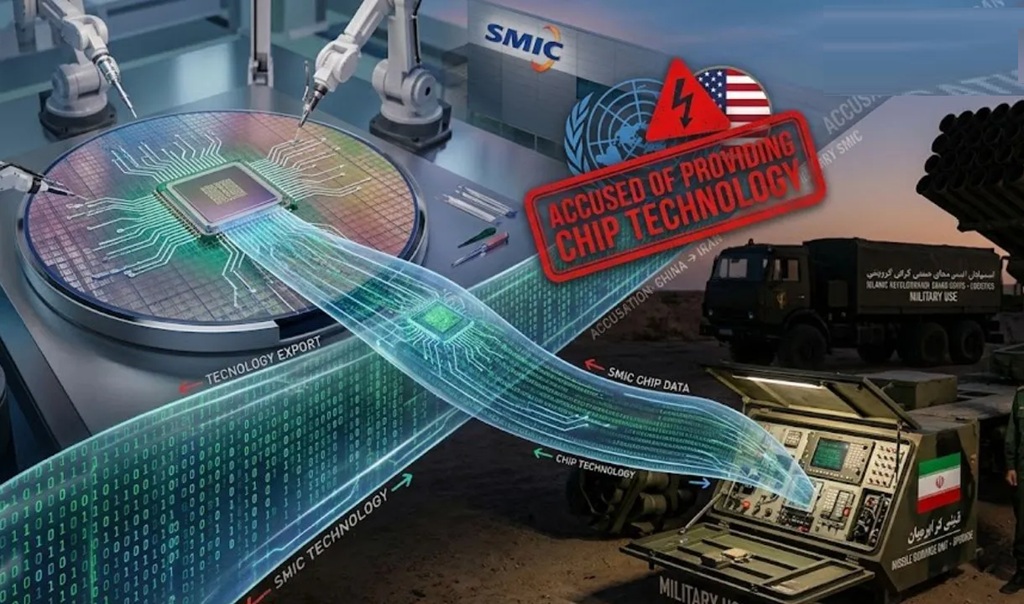
WASHINGTON, D.C. – US State Department officials say China’s biggest semiconductor company has spent nearly a year sending chipmaking equipment to Iran’s military. As a result, the claims are adding new strain to the already tense tech fight between Washington and Beijing.
The timing matters. President Donald Trump is expected to travel to China in May, while both governments clash over tariffs, trade rules, and market access. At the same time, Beijing has opened its own reviews of US policies, showing it plans to push back before the meeting.
Semiconductor Manufacturing International Corporation, better known as SMIC, is China’s top chipmaker. It makes advanced semiconductors used in products ranging from smartphones to defense systems.
Since 2020, the company has faced tough US sanctions. American officials say SMIC has links to China’s military, a charge the company has denied many times. Even so, SMIC has kept moving ahead with domestic chip development, including work tied to Huawei devices.
Key facts about SMIC
- Founded in 2000 and based in Shanghai
- China’s largest contract chip manufacturer
- Employs thousands of workers and spends billions on local production
- Operates under strict US export controls on advanced semiconductor tools
Those restrictions are meant to slow China’s progress in advanced chips. Still, reports suggest SMIC has continued to make gains.
US Allegations: Chipmaking Equipment Reached Iran’s Military
Two senior Trump administration officials told reporters that SMIC started providing chipmaking tools and technical support to Iran’s military around March 2025. According to those officials, the transfers may still be happening.
They say the equipment could help Iran’s military industry produce electronics for any system that depends on chips. That could include drones, missiles, and communications gear.
One official said the arrangement “almost certainly included technical training” related to SMIC’s semiconductor processes. In other words, the alleged support may have gone beyond hardware and could help Iran build more of its own chip capability.
That timeline has raised concern. It lines up with growing tension in the Middle East, including recent US and Israeli action against Iranian targets. Because of that, critics warn the transfers could strengthen Iran’s defense sector, despite long-standing sanctions on Tehran.
US experts are also reviewing whether any American-made parts ended up in the equipment. If they did, that could violate current export rules.
China Pushes Back, Calls Report False
Beijing quickly rejected the allegations. China’s foreign ministry said the reports were false after checking the matter. A spokesperson also accused media outlets of spreading misleading claims.
So far, SMIC has not publicly responded to the latest accusations. In the past, the company has said it follows all laws and focuses on civilian business.
China has also said its trade with Iran remains normal commercial activity. Officials insist Beijing supports economic ties, not military assistance tied to the current regional conflict.
That response fits a familiar pattern. Both Washington and Beijing often accuse each other of unfair conduct while defending their own position.
Trade Friction Grows Before a Trump-Xi Meeting
The SMIC issue comes as trade tensions rise again. Trump has signaled that he may bring back or widen tariffs on Chinese imports. His administration has also started new probes into what it says are unfair trade practices by several countries, including China.
Beijing answered with two counter-investigations on Friday. Those reviews focus on US actions that could restrict Chinese exports, including products tied to clean energy. Chinese officials say the moves are meant to defend domestic industries and respond to US pressure.
What Beijing is reviewing
- Possible US barriers blocking Chinese goods from entering US markets
- The effect of US policy on global supply chains
- Trade concerns tied to green technology and related sectors
All of this comes ahead of Trump’s planned May visit to Beijing. The trip is supposed to improve ties in the Asia-Pacific, but most analysts expect hard talks on tariffs, technology controls, and regional security.
A trade pause reached late last year has held in part. Still, old disputes, including Section 301 tariffs and export controls, continue to return. Court rulings have also complicated some of Trump’s earlier tariff plans, so the administration may need a new path.
Why Semiconductors Sit at the Center of the US-China Fight
Chips run modern economies and modern militaries. Advanced semiconductors power AI systems, communications networks, and precision weapons. Because of that, the US wants to protect its lead and block sensitive technology from reaching rivals such as Iran or boosting China’s military capacity.
China, meanwhile, is spending heavily to build its own supply chain. Plans such as “Made in China 2025” are meant to cut reliance on foreign suppliers, especially those in the United States.
SMIC’s progress under sanctions shows how serious Beijing is about chip self-reliance. Yet China still depends on some foreign tools, and that weakness remains a pressure point for both sides.
The alleged Iran connection also points to a wider issue, sanctions evasion. US reports have long warned about networks involving China, Russia, and Iran that help restricted states get dual-use goods.
Possible Effects on Tech and Global Trade
If the claims are confirmed, the fallout could spread quickly.
For the United States, that could mean tighter export controls or new blacklists targeting Chinese companies. It could also bring more pressure on allies to adopt similar limits.
For China, the case could trigger new sanctions or a deeper review of SMIC and its suppliers. In turn, that may make it harder for China to draw foreign investment into its chip industry.
For the global market, the result could be higher electronics costs and more supply chain disruption. Companies in many countries may also face tougher compliance demands.
Iran could gain some local chipmaking ability from this support, if the allegations are true. Still, experts doubt that it would erase the broader technology gap anytime soon. Even so, any step forward in Iranian military electronics is likely to alarm Western governments.
Economists also warn that rising tariffs often hurt businesses and shoppers on both sides. Past rounds drove up prices on everything from phones to cars.
Attention will now turn to Trump’s trip to China. Both governments could use the meeting to lower tensions, or they could use it to score political points at home.
US officials may release more evidence tied to the alleged SMIC shipments. China, on the other hand, could respond with more trade action or stronger public support for its companies.
For now, the semiconductor sector remains under close watch. SMIC and other Chinese firms are still expanding fabrication plants, while companies around the world adjust to changing rules.
The broader message is clear. Technology is no longer just a business issue; it’s a national security issue. Governments now treat chips as strategic assets.
The next few weeks may show whether Washington and Beijing can keep this dispute contained or let it grow worse. With a presidential visit approaching, both sides have reasons to keep talking, even if trust stays low.
Trending News:
Iran Blocks Chinese Container Ships from Entering the Strait of Hormuz


Trump and Iran Agree to Two-Week Pause After Pakistan Brokers Deal

Iran War Shatters China’s Economy, Wages Drop to 30-Year Low

Is the Clock Ticking for ’60 Minutes’? Top Talent Braces for CBS Layoffs

Yamaha Joins the Mass Exodus from California

Gen Randy George Ousted as Army Chief Amid Wartime Shakeup

Russia Evacuates Workers From Iranian Nuclear Power Plant After Trump 48-Hour Ultimatum

ICE Arrests Late Iranian General Qasem Soleimani’s Niece in Los Angeles

Canada Accused of Harboring IRGC Members While US Battles Iran

ActBlue Accused of Leaving ‘Backdoor’ Open for Foreign Cash

Mamdani Wants $229M From New York Employee Retirement Fund

Thai Billionaire Charged With Lese Majeste Over Facebook Post

Russia Bans Facebook, Meta Says It’ll Do “Everything” To Restore Service

Facebook Login Feature – Clash of Clans

4 Things you can do to take your Facebook Lead Generation to the Next Level

Zuckerberg to Allow Violent Speech on Russia After Facebook Blocked

Facebook Loses $200 Billion as Users Shift to TikTok

Downloading Facebook Videos Anonymously with High Quality Video through Snapsave app

The Best Site to Buy Real Facebook Likes and Followers in 2022

Chinese Man Arrested for Using Facebook to Dupe Cryptocurrency Investor

Google and Facebook Under Huge Pressure Over User Privacy

President Trump Addresses Nation on War with Iran

Trump Warns NATO Allies: America Won’t Protect Slackers After Iran Clash

Senate Hearing on Fraud and Foreign Influence Turns Tense Over Minnesota Scandals

CNN Forced to Backtrack Its Reporting on Trump’s Iran Talks

Joe Rogan Slams Gavin Newsom for Mocking Nick Shirley

Mosque Set Ablaze in Iran a Citizens Revolt Against the Islamic Regime

AOC Accuses Jessie Watters of Fox News of Sexualizing and Harassing Her

JD Vance Exposes Walz’s Fraud and CNN’s Lies in White House Presser

Milestone Card Credit: How the Milestone MasterCard Can Transform Credit
-

 China2 months ago
China-Based Billionaire Singham Allegedly Funding America’s Radical Left
-

 Politics2 months ago
CNN Delivers Stark Reality Check to Democrats Over Voter ID
-
 News3 months ago
Mosque Set Ablaze in Iran a Citizens Revolt Against the Islamic Regime
-

 Health3 months ago
RFK Jr Introduces the New Food Pyramid to “Make America Healthy Again”
-

 Politics2 months ago
Ilhan Omar’s Connections to Convicted Somali Fraudsters Surface
-

 Politics3 months ago
President Trump Addresses ICE Actions Amid Minnesota Unrest
-
 Politics3 months ago
Tim Walz Exposed For Faking Financial Records In State Audit
-

 News3 months ago
Former CNN Anchor Don Lemon Facing Charges Under Ku Klux Klan Act