Crime
Minnesota Lawmakers Subpoenas U.S. Attorney General Pam Bondi

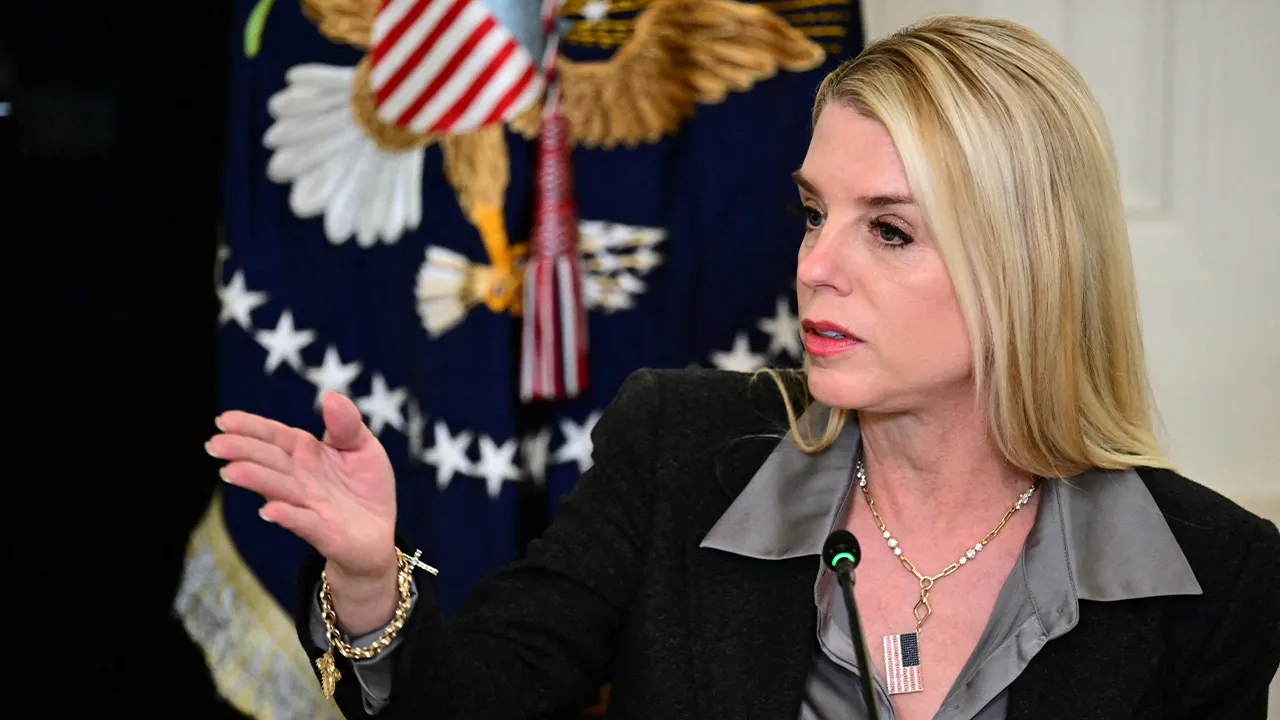
WASHINGTON D.C. – U.S. Attorney General Pam Bondi traveled to Minnesota on Tuesday with a blunt warning, “no one is above the law,” as the Department of Justice ramps up an investigation into claims that federal immigration enforcement was blocked.
Her visit came the same day a grand jury issued subpoenas to several well-known Democratic officials, raising the temperature in a state that has seen weeks of protests tied to stepped-up Immigration and Customs Enforcement (ICE) activity under the Trump administration.
Bondi delivered her message in an interview with Fox News correspondent David Spunt on Special Report. She said the DOJ is focused on enforcing federal law during what she described as “chaos” and “lawlessness” in the Twin Cities area.
“Whether it’s a public official, whether it’s a law enforcement officer, no one is above the law in this state or in this country, and people will be held accountable,” Bondi said. She also stressed the need to protect federal agents and keep order, while avoiding details about the subpoenas served that day.
What the Grand Jury Subpoenas Are Seeking
The subpoenas, served Tuesday, were sent to at least five offices led by Democratic officials. They request records tied to policies and decisions involving federal immigration enforcement.
At the center of the probe are allegations that some state and local leaders worked to slow down or interfere with ICE operations during a major crackdown that has resulted in thousands of arrests. Federal officials have described many of those arrested as “criminal illegal aliens.” The crackdown has sparked protests across Minnesota, and some demonstrations have turned disruptive.
One incident that drew attention happened Sunday in St. Paul, where anti-ICE protesters interrupted a church service. Bondi and others in the administration condemned the disruption, and Bondi criticized it as an “attack against law enforcement and the intimidation of Christians.”
Officials Named in the Subpoenas
The subpoenas were directed to the offices of:
- Minnesota Governor Tim Walz
- Minnesota Attorney General Keith Ellison
- Minneapolis Mayor Jacob Frey
- St. Paul Mayor Kaohly Her
- Hennepin County Attorney Mary Moriarty (and possibly other county offices)
Sources familiar with the investigation, cited by outlets including The New York Times, CNN, NBC News, and Reuters, said the subpoenas demand documents and records connected to how these officials and their teams responded to federal immigration activity. Investigators are looking at whether public statements, sanctuary-style approaches, or other actions crossed the line into obstruction of federal law enforcement.
Responses From Minnesota Leaders
Attorney General Keith Ellison confirmed his office received a grand jury subpoena seeking records tied to federal immigration enforcement. He called the investigation “highly irregular” and politically driven. He also said it followed legal moves by his office challenging the ICE operations.
Governor Walz’s office and Mayor Frey’s office also confirmed they received subpoenas. Critics in Minnesota have argued the federal effort is meant to scare or silence officials who oppose the administration’s immigration approach.
Early reporting late last week focused mainly on Gov. Walz and Minneapolis Mayor Jacob Frey. The scope now appears broader, reaching more state and local officials, including prosecutors who have pushed back on the federal tactics.
The wider conflict has also included renewed attention on the fatal shooting of a 37-year-old woman, Renee Good, who was killed earlier this month in Minneapolis by a federal immigration agent. Local leaders have pointed to the shooting as part of their concerns about the enforcement surge and its impact on public safety and trust.
Protests, Disruptions, and Federal Pushback
Minnesota has seen protests outside federal buildings, tense moments between demonstrators and agents, and the church service interruption that sparked sharp reaction from the administration. Bondi has warned that people involved in illegal acts could face prosecution and said the Justice Department would “come down hard” on those who break the law.
Federal officials argue that the ICE operations are necessary to target dangerous offenders among undocumented immigrants. Minnesota leaders and advocates say the surge has spread fear, disrupted neighborhoods, and pushed federal power into areas they believe should be handled locally.
A memo from Bondi last month reportedly listed laws that could be used to prosecute people accused of interfering with federal enforcement. Democrats have seized on that memo as proof, in their view, that the DOJ is being used to pressure political opponents.
Bondi’s trip to Minneapolis was not announced ahead of time. During the visit, she met with federal prosecutors and law enforcement and worked to support the local U.S. attorney’s office, which has faced staffing shortages as activity increases.
On social media, Bondi repeated that if state leaders don’t “act responsibly to prevent lawlessness,” the DOJ will stay “mobilized to prosecute federal crimes.”
No charges have been filed against the officials whose offices were subpoenaed. Still, the investigation is said to be reviewing potential violations such as conspiracy to obstruct federal officers, along with other federal crimes tied to interference with law enforcement. Prosecutors could seek indictments if they find proof of coordinated efforts to hinder ICE.
The subpoenas mark a sharp escalation in the Trump administration’s immigration enforcement push and a major test of federal and state power. Minnesota Democrats have labeled the move retaliation for resisting federal policy. Supporters say it’s a necessary step to restore order and apply immigration laws consistently.
As Bondi left Minnesota, her message stayed the same: the DOJ plans to pursue accountability, no matter the target’s job or political standing. In the coming weeks, the grand jury’s review of the records could shape the next phase of a fight that is already dividing Minnesota and the country.
Related News:
President Trump Addresses ICE Actions Amid Minnesota Unrest
JD Vance Exposes Walz’s Fraud and CNN’s Lies in White House Presser


EU Parliament Erupts Over Canada’s Associate Member Bid

David Eby Campaign Stumbles Amid Mailer Scandal

Alberta Referendum Results Shift as Vote Tally Continues

Fedeal Investigators Obtain Ilhan Omar’s DNA

Has Mass Immigration Has Destroyed Canadian Society

Carney’s Rosy Economy Narrative Clashes With Hard Reality

Bruce Pardy Says The Canada You Remember Is Now Gone

Cost of Living in Canada vs. USA: Which Is Cheaper?

Poilievre Pushes Tariff-Free Auto Deal as 50% Tariff Looms

Canada’s Constitution Amendments: The 7/50 Rule Explained
Opinion: Is Modern Political Empathy Really About Self-Image?
Opinion: Canada’s Combating Hate Act Threatens Free Speech
US Trade Moves Put Massive Pressure on Canada
How Progressivism Replaced Religion With A New Secular Faith
Pierre Poilievre Critiques Reporter Who Questions His Leadership

Canada Sheds 68,000 Jobs As Economic Fears Deepen
Uncovering the Truth Behind Inequality: A Bold New Vision

Opinion: What South America’s Political Shift Means for Canada

Why Alberta Separatist Leaders Say It’s Time to Leave Canada

Quebec Election 2026: Will the Province Leave Canada?

Jimmy Kimmel Slammed for “Vile” Melania Trump “Expectant Widow” Joke

President Trump Addresses Nation on War with Iran

Trump Warns NATO Allies: America Won’t Protect Slackers After Iran Clash

Senate Hearing on Fraud and Foreign Influence Turns Tense Over Minnesota Scandals

CNN Forced to Backtrack Its Reporting on Trump’s Iran Talks

Joe Rogan Slams Gavin Newsom for Mocking Nick Shirley

Mosque Set Ablaze in Iran a Citizens Revolt Against the Islamic Regime

AOC Accuses Jessie Watters of Fox News of Sexualizing and Harassing Her

JD Vance Exposes Walz’s Fraud and CNN’s Lies in White House Presser

Milestone Card Credit: How the Milestone MasterCard Can Transform Credit


-

 News9 months ago
China-Based Billionaire Singham Allegedly Funding America’s Radical Left
-
Politics10 months ago
2026 Midterms Guide: Candidates, Key Issues, and Battleground States
-
Politics8 months ago
Ilhan Omar’s Connections to Convicted Somali Fraudsters Surface
-
Politics9 months ago
CNN Delivers Stark Reality Check to Democrats Over Voter ID
-
Politics7 months ago
Rep. Ilhan Omar Faces Heat as Minnesota Voters Seek Change
-
Politics9 months ago
Trump Approval Rating (February 2026 Poll Results, Approve vs Disapprove)
-
Politics10 months ago
Who Is Leading the Democratic Party in 2026?
-
United States10 months ago
Mosque Set Ablaze in Iran a Citizens Revolt Against the Islamic Regime