Politics
Poilievre Pushes Tariff-Free Auto Deal as 50% Tariff Looms

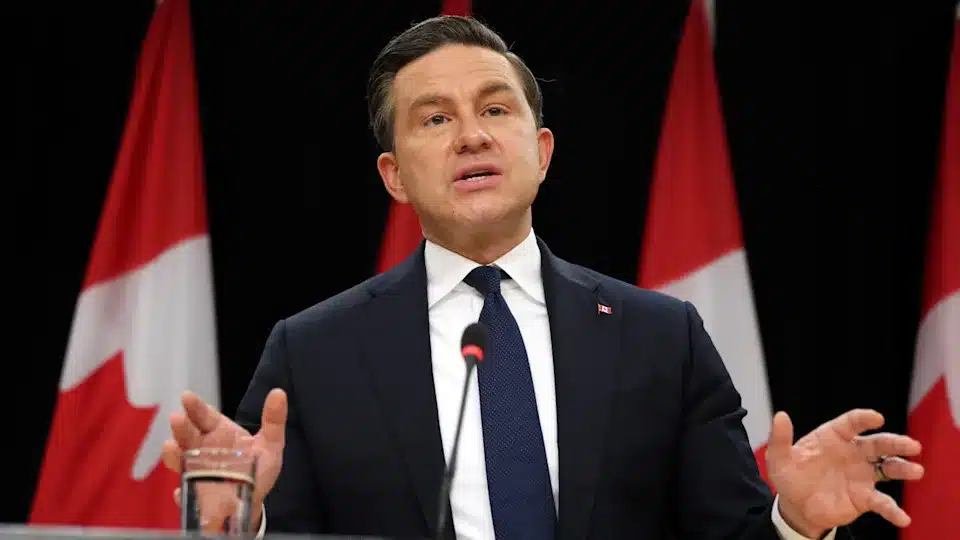
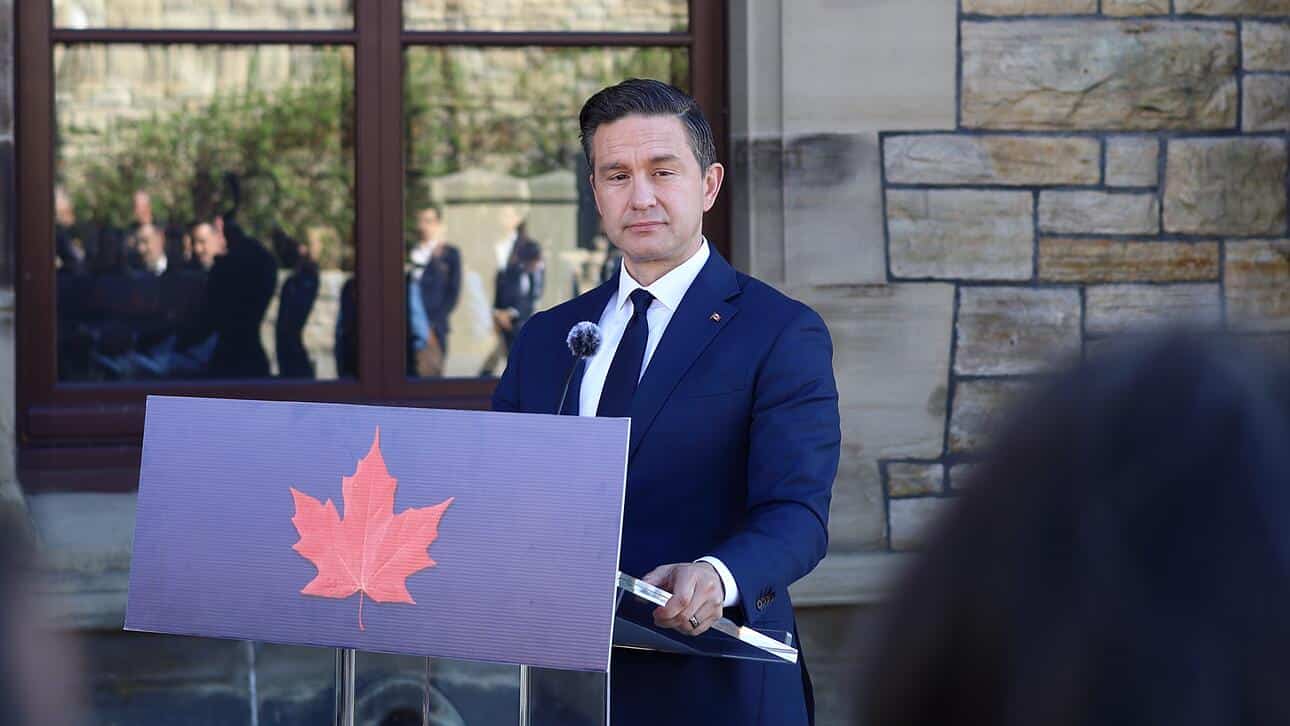
OTTAWA – Conservative Leader Pierre Poilievre crossed the border into Detroit this week with a clear mission to protect the heavily integrated North American auto industry. With a massive tariff hike on Canadian vehicles fast approaching, he is fighting to secure a tariff-free auto pact. The stakes for Canadian manufacturing have rarely been higher.
U.S. President Donald Trump recently threatened to double the existing 25 per cent tariff on Canadian autos to a punishing 50 per cent on January 1. In response, Poilievre sat down with representatives from General Motors and Ford, along with key union members, to find a path forward. He hopes to convince American allies that a trade war hurts workers on both sides of the border.
Key Takeaways
- Tariff threat: Donald Trump plans to increase tariffs on Canadian autos from 25% to 50% on January 1.
- Detroit meetings: Pierre Poilievre met with GM, Ford, and union representatives to advocate for a tariff-free trade deal.
- Call to action: Poilievre is urging Prime Minister Mark Carney to immediately resume stalled trade negotiations with the United States.
Breaking the Trade Deadlock with Washington
The cross-border auto industry relies on parts moving freely between Canada and the United States multiple times before a vehicle is finished. These heavy tariffs threaten to disrupt that delicate supply chain, raising prices for consumers and putting thousands of manufacturing jobs at risk. Poilievre argues that both nations will suffer deeply if this trade dispute continues to escalate.
Right now, the diplomatic channels are completely frozen. Prime Minister Mark Carney ordered the Canadian negotiating team to walk away from trade talks back in August. Carney accused American officials of making unreasonable demands at the time, but the resulting stalemate has left the auto sector in a dangerous state of limbo.
Poilievre is sharply criticizing this diplomatic retreat. He is publicly urging Carney to get back to the negotiating table immediately before the new year brings devastating economic consequences. According to the Conservative leader, walking away from the table is never a viable strategy when hundreds of thousands of livelihoods are directly on the line.
Detroit Meetings Highlight Shared Economic Interests
During his high-profile visit to Michigan, Poilievre focused heavily on the shared economic interests that link Windsor and Detroit. He met directly with officials at a General Motors plant in Detroit and a Ford facility in nearby Dearborn. The ultimate goal was to build a coalition of business leaders who can pressure the U.S. administration from the inside.
Union workers also played a central role in these cross-border discussions. Auto workers on both sides of the Detroit River understand that production slowdowns in Ontario inevitably lead to shift cuts in Michigan. By speaking directly with these workers, Poilievre successfully highlighted the human cost of a potential 50 per cent tariff.
Industry experts warn that the January 1 deadline leaves very little room for political posturing. If the United States follows through on its threat to double tariffs, the cost of manufacturing a standard vehicle could skyrocket overnight. This would likely force automakers to shift their production lines entirely out of Canada to avoid the steep financial penalties.
A Race Against the January 1 Deadline
As the clock ticks down toward the new year, the pressure on Ottawa is reaching a boiling point. The current 25 per cent tariff is already squeezing profit margins and causing severe anxiety across the Canadian auto sector. A sudden jump to 50 per cent could permanently alter the landscape of North American vehicle manufacturing.
The Conservative leader believes his tariff-free auto pact is the only logical solution to this escalating crisis. He insists that Canada must present a unified, aggressive negotiating stance rather than waiting passively for Washington to make the next move. Time is quickly running out to protect a foundational pillar of the Canadian economy.
Ultimately, the success of any future auto pact will depend on whether political leaders can put aside their grievances. Canadian workers are waiting to see if Carney will restart negotiations or if the current standoff will drag into the new year. Until then, the threat of a crippled auto industry casts a long, heavy shadow over the manufacturing heartland.
Trending News:
Poilievre Blasts Carney’s Plan To Sell Off Airports
Pierre Poilievre Critiques Reporter Who Questions His Leadership


Cost of Living in Canada vs. USA: Which Is Cheaper?

Poilievre Pushes Tariff-Free Auto Deal as 50% Tariff Looms

Canada’s Constitution Amendments: The 7/50 Rule Explained

Trump Approval Hits Record Low of 36% in Fox News Poll

Deadly Fire and Explosion Rocks CFB Wainwright in Alberta

Stelco Faces Forced Asset Sale Amid Layoffs

Can a Naturalized U.S. Citizen Lose Citizenship?

Quebec Referendums: How Canada Almost Broke in Two

Trump’s $5,000 Check Promise: Will It Actually Happen?

Ilhan Omar Demands Seized Devices Be Returned

Opinion: Is Modern Political Empathy Really About Self-Image?
Opinion: Canada’s Combating Hate Act Threatens Free Speech
US Trade Moves Put Massive Pressure on Canada

How Progressivism Replaced Religion With A New Secular Faith
Pierre Poilievre Critiques Reporter Who Questions His Leadership

Uncovering the Truth Behind Inequality: A Bold New Vision
Canada Sheds 68,000 Jobs As Economic Fears Deepen

Opinion: What South America’s Political Shift Means for Canada

Opinion: Canada’s Economy Is Under Pressure From Debt, a Weak Dollar and Steel Tariffs

Why Alberta Separatist Leaders Say It’s Time to Leave Canada

Jimmy Kimmel Slammed for “Vile” Melania Trump “Expectant Widow” Joke

President Trump Addresses Nation on War with Iran

Trump Warns NATO Allies: America Won’t Protect Slackers After Iran Clash

Senate Hearing on Fraud and Foreign Influence Turns Tense Over Minnesota Scandals

CNN Forced to Backtrack Its Reporting on Trump’s Iran Talks

Joe Rogan Slams Gavin Newsom for Mocking Nick Shirley

Mosque Set Ablaze in Iran a Citizens Revolt Against the Islamic Regime

AOC Accuses Jessie Watters of Fox News of Sexualizing and Harassing Her

JD Vance Exposes Walz’s Fraud and CNN’s Lies in White House Presser

Milestone Card Credit: How the Milestone MasterCard Can Transform Credit


-

 News9 months ago
China-Based Billionaire Singham Allegedly Funding America’s Radical Left
-
Crime10 months ago
YouTuber Nick Shirley Exposes BILLIONS of Somali Fraud, Video Goes VIRAL
-
Politics10 months ago
Ilhan Omar Faces Renewed Firestorm Over Resurfaced Video
-
Politics10 months ago
2026 Midterms Guide: Candidates, Key Issues, and Battleground States
-
Politics8 months ago
Ilhan Omar’s Connections to Convicted Somali Fraudsters Surface
-
Politics8 months ago
CNN Delivers Stark Reality Check to Democrats Over Voter ID
-
Politics7 months ago
Rep. Ilhan Omar Faces Heat as Minnesota Voters Seek Change
-
Politics8 months ago
Trump Approval Rating (February 2026 Poll Results, Approve vs Disapprove)