


PORTLAND, Oregon – American politics moves fast, and public stories can change just as quickly. The Portland shooting is a clear example. Early coverage centered on claims of federal overreach. Within a day, the focus shifted after the Department of Homeland Security (DHS) released information about the two people who were shot.
Since then, mainstream outlets and Democratic voices have adjusted their messaging, and the changes say a lot about how today’s news cycle works. The shift also arrives as fraud investigations in several states keep expanding, adding more pressure to an already tense moment.
On January 8, 2026, reports said U.S. Border Patrol agents shot two people in Portland, Oregon. Legacy outlets and many Democratic politicians reacted quickly. Headlines from outlets like Axios and The Seattle Times highlighted the basic claim, federal agents shot two people in Portland, and framed it as another example of aggressive immigration enforcement under the Trump administration.
Progressive accounts on X (formerly Twitter) called the shooting “un-American” and demanded body-camera video. Some Democratic lawmakers condemned what they described as “lawless agents.” Others used the moment to renew calls to abolish ICE. Early posts and commentary often treated the two people who were shot as innocent migrants.
Portland’s recent history helped that framing spread. Images and clips circulated of protesters clashing with police outside the ICE building. Those clips traveled faster than the details of what happened during the encounter. With Democrats still trying to rebuild after the 2024 election, the incident became a rallying point, and critics of the administration accused it of militarizing domestic law enforcement.
DHS Releases Names of Portland Shooting
On January 9, DHS identified the people who were wounded as Luis David Nico Moncada and Yorlenys Betzabeth Zambrano-Contreras. DHS described them as Venezuelan nationals in the US illegally, and said they were suspected affiliates of Tren de Aragua, a transnational criminal organization DHS said is designated as a foreign terrorist group.
DHS also shared its account of the incident. According to the agency, agents were conducting a targeted traffic stop when the driver, Moncada, allegedly used the vehicle as a weapon and tried to run them over. DHS said agents fired in response.
DHS claimed Zambrano-Contreras was tied to a prostitution ring and a prior shooting in Portland. DHS also said Moncada had a DUI arrest and a final removal order. The information appeared in a post on X from DHS Assistant Secretary Tricia McLaughlin.
That disclosure changed how the story read. The earlier “innocent victims” framing no longer matched DHS’s description. Conservative outlets, including Fox News, highlighted the new details and argued they undercut the initial coverage. On X, users and some journalists also pointed to early reports, including skeptical coverage from the Oregon Capital Chronicle, and criticized what they saw as missing context during the first news cycle.
A New Focus as Fraud Stories Grow
As more details about Portland circulated, critics said another pattern showed up. Coverage and political messaging seemed to move toward other fights, with more attention on claims of “excessive force” and less emphasis on DHS’s allegations about criminal ties.
This happened while major fraud investigations continued to spread. In Minnesota, federal investigators have reported more than $1 billion in welfare fraud tied to COVID-era programs, with reporting and commentary often pointing to Somali-run child care centers. The situation also created political fallout for Governor Tim Walz, who faced growing calls for accountability and later abandoned his re-election bid, according to the text’s account.
Trump has used the Minnesota case to push for similar probes elsewhere, including California. The same account says his team froze billions in funds and used the label “CALIFRAUDIA” while promoting the effort.
Democratic leaders pushed back. Figures, including Governor Gavin Newsom, criticized federal actions in blue states as “witch hunts,” framing them as political payback instead of anti-corruption enforcement. Supporters of that view said the investigations were meant to punish opponents. Critics said the message served another purpose: keep the spotlight off programs that failed under Democratic leadership.
What Gets Left Out and What Gets Repeated
A close review of the Portland coverage shows how different choices can shape the same event. Early reporting from outlets like USA Today and OPB focused on where the shooting happened, the nearby medical office, and arrests tied to protests. Those early stories did not include the DHS allegations about Tren de Aragua.
On cable news, critics said edited segments and short clips leaned heavily on community outrage and past complaints about ICE. They argued that DHS statements received less attention, which left audiences with a familiar picture of federal agents as reckless and aggressive. Supporters of the administration saw it differently and said the agents responded to a direct threat.
On X, some accounts first described the victims as a “husband and wife” running from ICE. Later replies cited DHS’s claims and corrected that framing. Independent voices said the problem was not disagreement; it was the speed of first impressions and the way missing details can harden into “facts” online. They compared it to earlier Portland coverage in 2020, when critics accused major outlets of downplaying antifa violence while focusing on federal responses.
Vance Blasts Media Coverage, Ties It to Corruption Claims
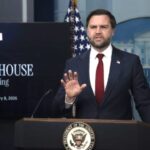
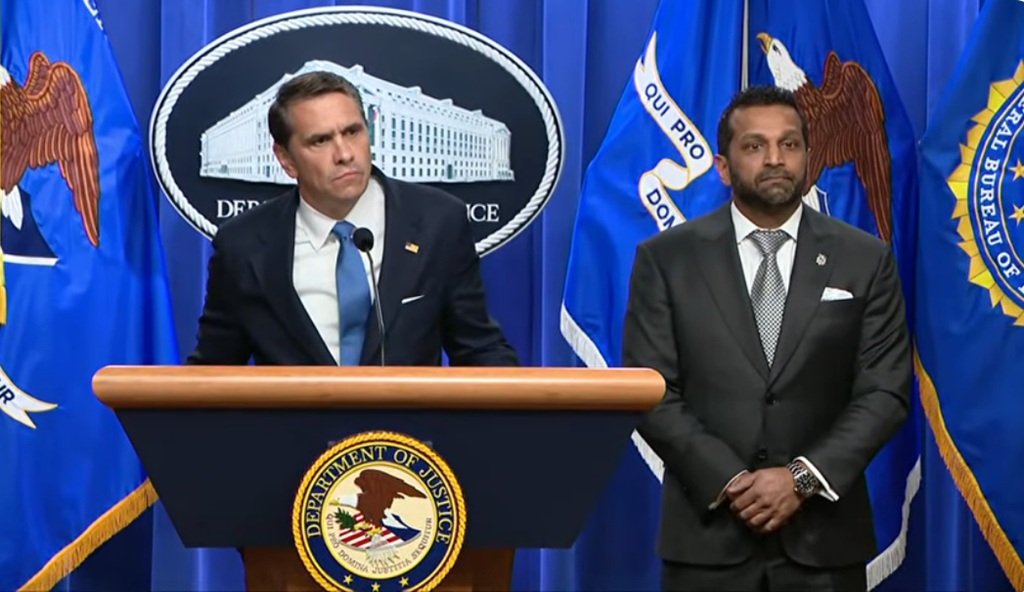
Vice President JD Vance addressed the topic during a January 8 press conference. He accused major outlets of bias and said poor reporting helps fuel public anger. He also announced a new Justice Department assistant attorney general position focused on nationwide fraud investigations.
Vance connected the new role to the Minnesota case and said the work would extend to other states, including California and Ohio. He also pointed to incidents in Portland and Minneapolis as examples of stories he said were misreported. In his remarks, he called on Governor Walz to resign and labeled the Minnesota fraud “staggering,” describing it as a betrayal of taxpayers.
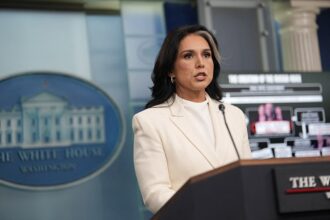
Others in the administration, including Karoline Leavitt, echoed the theme that media narratives can deepen distrust and worsen public conflict. The message from the White House was clear: it plans to keep pressing both fraud investigations and public critiques of major media outlets.
The Portland shooting shows how quickly a political storyline can flip. DHS’s claims about Tren de Aragua challenged early assumptions and forced a reset in how the victims were described. At the same time, the broader fight over fraud investigations is pushing both parties into sharper rhetoric.
The account points to Minnesota’s alleged child care fraud and compares it to California’s reported $32 billion unemployment fraud, arguing that the numbers are too large to ignore. It also warns that brushing off DHS claims about organized crime risks public safety, while acknowledging that evidence and accountability still matter.
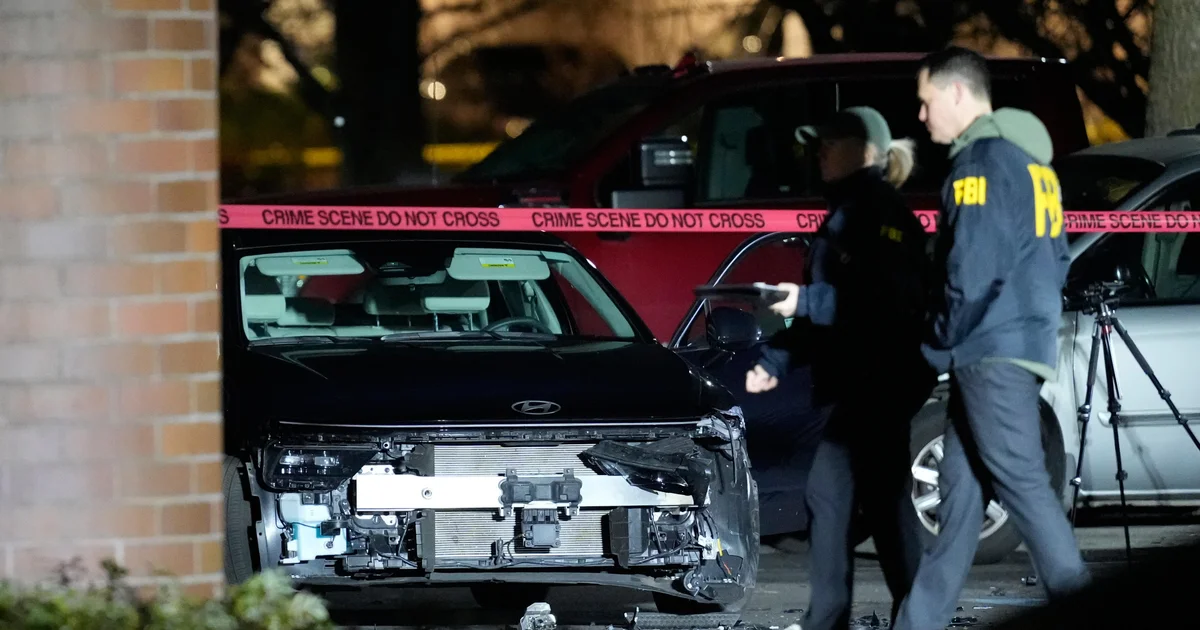
The FBI is now investigating the Portland incident, and that makes transparency more important than ever. If officials, media outlets, and political leaders keep treating headlines as the final truth, public trust will keep dropping. With the 2026 midterms on the horizon, the struggle to control the narrative is likely to shape what voters hear and what they believe.