
Crime
YouTuber Nick Shirley Exposes BILLIONS of Somali Fraud, Video Goes VIRAL

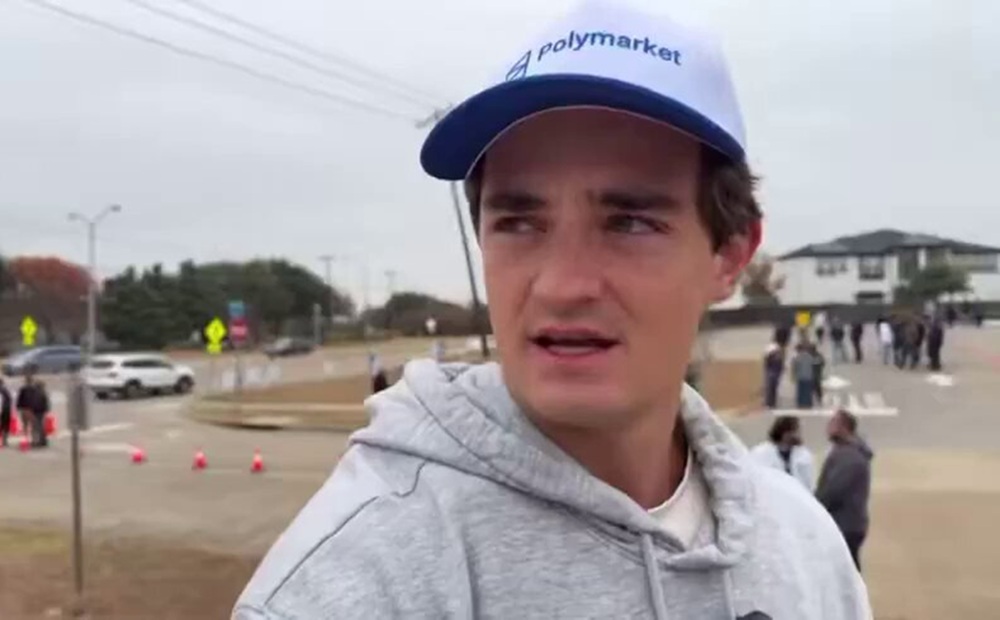
MINNEAPOLIS -A YouTube video titled “I Investigated Minnesota’s Billion Dollar Fraud Scandal” shook social media platforms. The footage, created by independent reporter Nick Shirley, quickly drew millions of viewers. Shirley and his colleague, David, visited several Somali-owned daycare centers throughout Minneapolis to verify reports of financial misconduct.
Instead of busy classrooms, they found vacant buildings, blocked-off windows, and signs with glaring typos. Shirley described the situation as “open and blatant fraud” fueled by taxpayer money. His project brought new attention to federal probes into social services within the local Somali community. Estimates regarding the scale of the theft vary, with some reports suggesting over $1 billion was diverted through different schemes.
Nick Shirley is a 23-year-old content creator who focuses on on-the-ground interviews. Since launching his channel in 2015, he’s gained over a million subscribers by filming in diverse and often tense environments. He’s known for a blunt and confrontational style that avoids traditional media filters.
In his late December video, Shirley pretended to be a parent looking for childcare services. Each facility he visited turned him away or refused to show him around. One notable moment involved a building labeled the “Quality Learing Center.” Despite receiving millions in state funds and being licensed for dozens of kids, the center appeared abandoned. When Shirley tried to film, workers shouted at him to stop and refused to answer questions.
The video aligns with several high-profile scandals that have hit Minnesota programs. Federal investigators have worked since the pandemic to charge dozens of people for stealing from food and healthcare initiatives. The largest case, Feeding Our Future, involved fake nonprofits that billed for meals never served to children.
Other schemes targeted autism therapies and daycare assistance. Prosecutors say the suspects used the money for expensive cars, luxury homes, and transfers to other countries.
By late 2025, more than 70 people faced charges, and several had already received long prison sentences. While some critics link these funds to overseas groups, those legal connections are still being settled in court.
Youtuber Exposed Minnesota’s Billion-Dollar Fraud Scandal
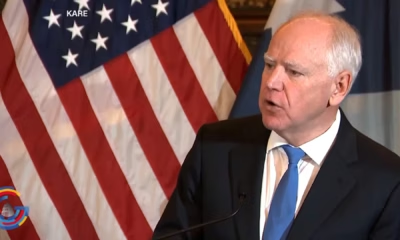
The visual evidence of empty hallways and misspelled signs gave critics plenty of ammunition. Public officials, including House Majority Whip Tom Emmer, used the footage to demand answers from Governor Tim Walz. Conservative news outlets featured the video as proof of a broken system and poor government oversight.
They argued that officials were too afraid of being called racist to properly audit these centers. On the other hand, reports from the New York Times mention that many people in the Somali community acted as whistleblowers to expose the theft. While the fraud is massive, it involves a specific group rather than the community as a whole.
Shirley’s reach didn’t stop with a single upload. Clips of the investigation spread across X and were shared by other popular influencers like Benny Johnson. This cross-platform sharing kept the story in the news for weeks.
Supporters praised him for doing the work that major news stations seemed to ignore. Even though some people on platforms like Reddit debated his methods, they couldn’t ignore the physical evidence of the ghost operations he found.
The video eventually reached the national political stage, where leaders used it to argue for stricter immigration and welfare policies.
The success of Shirley’s video shows how much power independent creators have today. By taking a camera directly to the source, he forced a conversation about government spending and accountability. He argued that taxpayers work too hard to have their money stolen through simple scams.
Whether this leads to actual policy changes in Minnesota is still unclear. However, the viral nature of the report proves that one person with a camera can still change the national conversation. Shirley’s work remains a prime example of how modern reporting can bypass traditional newsrooms to reach a massive audience.
Related News:
Minnesota Mayors Press Walz for Answers as Federal Probe Ramps Up
Somali’s Accused of Bilking Millions from Maine’s Medicaid Program


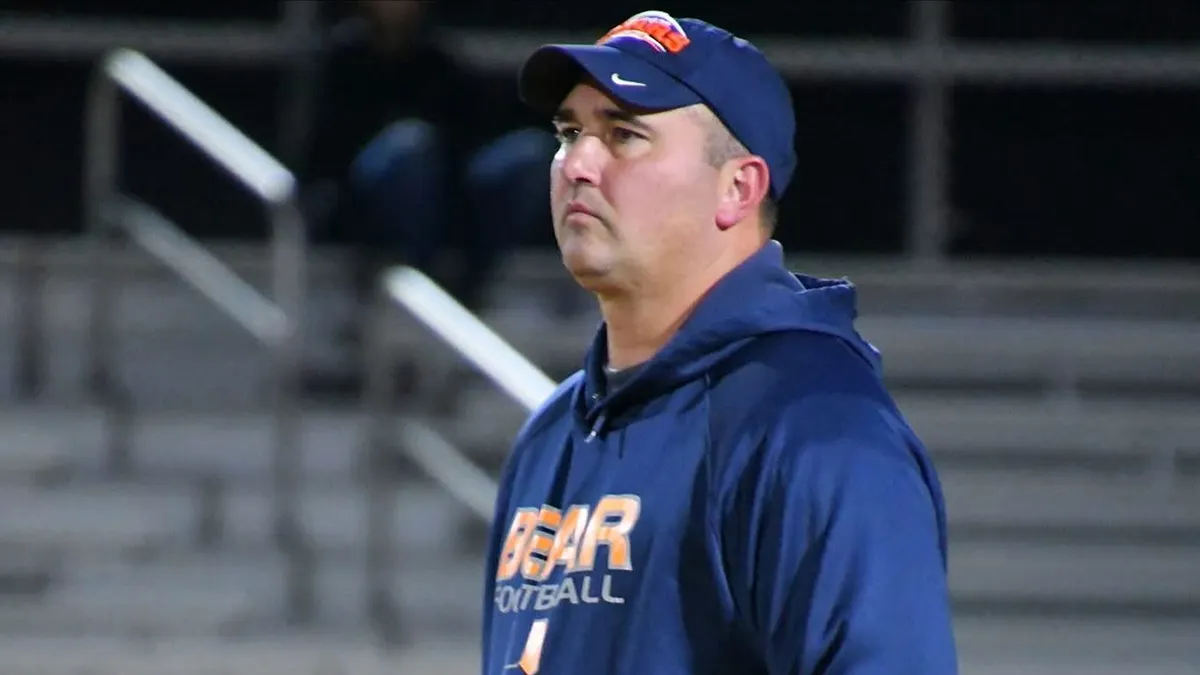
The case is still drawing attention across Virginia because former Union High School coach Travis Turner remains missing and at large as of early 2026, based on the latest public reports.
He disappeared in November 2025 as police moved to question him, and the case involves serious criminal accusations tied to a student. For many readers, that mix of an unsolved disappearance and charges involving a school employee is why the missing Virginia high school coach story hasn’t faded.
If you’re a parent, student, or resident, this update matters because it sits at the point where school trust, public safety, and unanswered questions meet. People want clear facts, not rumors, especially after reports said authorities were still tracking leads months after he vanished. They also want to know what has changed, what hasn’t, and how local officials have responded since the case first broke.
This update helps put the timeline in order and explains why the story still carries weight in Wise County and beyond. With that in mind, here’s the latest on Turner’s status, the case timeline, and what the public record shows right now.
Where the case stands now, as of March 2026
As of March 2026, the headline has not changed in the way many people hoped. The missing Virginia high school coach case remains open, and Travis Turner has not been found. Public reporting and the latest police comments point to a case that is still active, but short on new answers.
That matters because two ideas can exist at the same time here. A person can be missing in the practical sense, while also being wanted in a criminal case. For readers trying to sort through the language, that distinction makes the current status much easier to follow.
Travis Turner is still missing and considered at large
Right now, the clearest public takeaway is simple: Travis Turner is still missing, and authorities have not announced that they found him, arrested him, or confirmed where he is.
For a general reader, it helps to separate two labels that often get blurred together:
- Missing means authorities do not know where the person is.
- Fugitive usually means authorities believe the person is actively avoiding arrest or has fled on purpose.
Those ideas can overlap, but they are not the same thing. Think of it like this: missing describes a person’s location, while fugitive describes how police view that person’s actions.
In this case, public updates have centered on Turner being missing while also facing serious charges. Reports say he disappeared on November 20, 2025, after walking into the woods near his home in Wise County. Since then, law enforcement has continued searching and following tips. However, the latest reporting does not show a public announcement that he has been captured or located.
That distinction matters because readers often hear “at large” and assume police have proof someone is actively running. In plain English, at large mostly means the person has not been found and is not in custody. It does not automatically tell you what happened after the disappearance, or whether the person is alive, hiding, injured, or dead.
A recent summary from WCYB’s March 2026 report described the search as ongoing. That matches the broader public picture. The case is unresolved, and the lack of confirmed movement keeps the story stuck in a tense middle ground.
Bottom line: Turner remains missing, and no public March 2026 update shows that law enforcement has taken him into custody.
What law enforcement has said publicly so far
Publicly confirmed details remain fairly narrow, which is often the case in an active investigation. Based on the latest available reporting, Virginia State Police have said the case is still being worked, with both a criminal investigation and a search effort continuing side by side.
That two-track approach is important. On one track, investigators are dealing with the charges already tied to the case. On the other, search efforts focus on finding Turner and checking leads about his whereabouts. In other words, police are not treating this as a cold file sitting on a shelf.
The public timeline, as reported, includes these key points:
- Turner was reported missing in November 2025 after leaving his home and heading into nearby woods.
- Search activity followed near the area where he was last known to be.
- Authorities continued to vet tips and pursue leads in the months that followed.
- As of the latest March 2026 update window, there were no widely reported recent sightings and no arrest announcement.
That last point is the one most readers are looking for. Has anyone seen him recently? Have police made an arrest? So far, the public answer appears to be no.
One of the clearest recent summaries came from Us Weekly’s report on police statements, which said Virginia State Police reported no credible sightings in the latest update. Another March report, from PennLive’s case update, also reflected the same broad status: Turner remained missing, and police had not announced that they found him.
So where does that leave the case today? In practical terms, it leaves it in a holding pattern. Investigators have not closed the search. They also have not given the public a breakthrough. For families, locals, and school community members, that can feel like waiting in fog. You can still move forward, but you can’t see very far ahead.
For now, the confirmed public record supports only a few firm conclusions:
- Turner has not been publicly confirmed found
- No recent credible sightings have been widely reported
- No arrest has been publicly announced in the latest update period
- Law enforcement has indicated the case remains active
That’s the current state of the case as of March 2026, clear in some ways, frustratingly unclear in others.
How the disappearance unfolded in Wise County
To understand the missing Virginia high school coach case, it helps to slow the timeline down and line up the public facts. The story moved fast in late November 2025, and that made it easy for details to blur together. What follows is the clearest public sequence, from the day Travis Turner disappeared to the key updates that kept the case in the spotlight through February 2026.
The day he disappeared and what he was last seen wearing
Public reports place Turner’s disappearance on November 20, 2025, in Wise County, near his home in Appalachia. According to later police summaries, that was the day he was last known to have left the house and gone into the woods behind the property.
The public description has stayed consistent. He was last seen wearing a gray sweatshirt, gray sweatpants, and glasses. Reports also said he did not have key items with him, including his wallet and keys, which made the situation look more serious from the start.
One detail needs careful wording because it came from public reporting, not a police confirmation in every account. Coverage said there was a reported concern that he may have had a gun when he left. That point appeared in statements tied to family-side public comments, while police reporting later focused more on the ongoing search and missing-person details. In other words, it became part of the public picture, but readers should still treat it as a reported detail from coverage, not as a settled fact announced in every official update.
That first day matters because it set the tone for everything that followed. This did not begin as a routine missed contact. A person leaves home, heads into wooded terrain, and doesn’t come back, that’s the kind of fact pattern that quickly raises alarm in a mountainous part of Wise County. Later reports from WHSV’s update on the case and WJLA’s three-month summary both echoed those same core details.
When he was added to the missing persons list and when warrants followed
The order of events is important because the case changed shape within a matter of days. First came the disappearance. Then came the formal missing-person listing. After that, the legal side became public in a much bigger way.
Based on the public timeline, Turner was added to the Virginia State Police missing persons list on November 23, 2025. At that stage, the focus was on finding him and confirming where he had gone after leaving home. Search activity in Wise County followed, including ground teams and other resources mentioned in coverage.
Then the case took another turn. On November 25, 2025, authorities publicly moved to the warrant stage. Reports said Turner was wanted on multiple charges, and that shift is what pushed the case from a missing-person search into a fugitive case as well. A local report on that step, WSET’s warrant update, captured how quickly the public framing changed.
In simple terms, the sequence looked like this:
- November 20: Turner disappeared.
- November 23: He appeared on the missing persons list.
- November 25: Warrants followed, and public reporting began describing him as a fugitive.
That distinction helps clear up a common point of confusion. He did not start out as a fugitive in public reporting on day one. First, he was a missing person. Then, once warrants were issued, the case carried both labels at once, missing and wanted. That’s why this story has felt so unusual from the beginning.
The major public milestones from December to February
After the intense burst of updates in late November, the case entered a long stretch with no public breakthrough. Still, several milestones kept it in the news, and the timeline from December through February shows why community frustration grew.
At the one-month mark, on or around December 20, 2025, Turner was still missing and still at large. Public reports did not point to a confirmed sighting or arrest. Coverage such as ABC 7’s one-month report reflected that same message: a month had passed, but the case remained stuck.
January brought more visible public anger. During a January 12, 2026 Wise County school board meeting, parents and community members publicly pressed school leaders, and reporting described sharp criticism over how the district had handled the matter. That moment mattered because it showed the case was no longer only a police story. It had also become a school accountability story, with trust in local leadership taking a hit.
By the two-month mark, around January 20, 2026, the public still had no answer on where Turner was. Authorities were reportedly continuing to track leads, but there was still no confirmed recovery and no arrest. At that point, the timeline had started to feel like a clock with no hands. Time was passing, but the public could not clearly see progress.
Then came one of the most concrete school-related actions. On February 9, 2026, Turner was fired from his school job. That step followed weeks of questions about why he had remained on the payroll after his disappearance. Reports from WDTV on the February firing and pay records and WJHL’s local reaction coverage showed how much frustration had built by then.
Chronologically, the public milestones were clear:
- December 2025: One month missing, still no public breakthrough.
- January 2026: School board anger became a major part of the story.
- Late January 2026: Two months missing, with searches and leads still ongoing.
- February 2026: The school district fired Turner from his position.
Taken together, those months show how the case widened. It started with a disappearance in Wise County, then grew into a law enforcement search, a fugitive case, and a school community crisis all at once. That layered timeline is a big reason the missing Virginia high school coach story has remained so closely watched.
The charges behind the search for the missing Virginia high school coach
The search for the missing Virginia high school coach has never been only about where Travis Turner went. It has also been tied to the criminal case that surfaced just after he disappeared. That legal backdrop matters because it explains why police were trying to speak with him in the first place, and why the case quickly shifted from a missing-person search to a wanted-person search.
What investigators say happened before he vanished
Based on public reporting, Virginia State Police were headed to Turner’s home on November 20, 2025, to question him as part of an active investigation. At that point, reports indicate officers wanted to talk with him, but arrest warrants had not yet been issued. Soon after, he disappeared, and the case took on a second layer.
The charges later made public were serious. According to WDBJ7’s case update, Turner is wanted on five counts of possession of child pornography and five counts of using a computer to solicit a minor, with reports also saying more charges could follow. In plain terms, police were not looking for him over a minor dispute or a routine interview. They were trying to question him in a case involving alleged crimes against a child.
Reports also say he left his home and went into the woods behind it, and he never returned. Since then, investigators have treated the case as both a search and a criminal matter. That dual track is a big reason the public has followed it so closely. On one side, there is the mystery of where he went. On the other, there are the charges that explain why law enforcement wanted contact with him at all.
A recent summary from WTVR’s March 2026 report shows that police are still looking for him and still tying the search to those child-related charges. In short, the legal allegations are central to the case, not a side detail.
Why careful wording matters in an active case
When a case is this serious, word choice matters. A few legal terms can sound alike, but they do not mean the same thing.
Here is the simplest way to read them:
- Allegation: A claim that someone did something wrong. It has not been proven in court.
- Charge: A formal criminal accusation filed by prosecutors or law enforcement.
- Warrant: A legal order, often allowing police to arrest a person or take another specific action.
- Due process: The basic rule that a person has legal rights, including the right to fair treatment in court.
That is why careful reporting matters here. A person can be missing, wanted, and charged, while still having the right to defend himself in court if found. Think of it like rails on a track. Facts stay on one rail, and fairness stays on the other. If either rail breaks, the story goes off course.
For readers, the key point is simple. The public record shows serious charges and an active search. Still, those charges remain accusations until a court process happens.
How students, parents, and the school district have been affected
The missing Virginia high school coach case did more than trigger a search. It shook daily life around Union High School and put the whole district under a hard light. For many families, this stopped being only a police story months ago. It became a trust story, a safety story, and a school leadership story all at once.
When a case like this stays open, the strain spreads. Students hear things in hallways. Parents fill in blanks with fear. District leaders face a simple problem with no simple fix: once confidence cracks, every delay feels bigger.
Why families have been demanding answers from school leaders
Parents were not just upset about the allegations. They were angry about how long it seemed to take for clear answers to come from district leaders. At public meetings, many wanted to know who knew what, when they knew it, and whether warning signs had been missed.
That anger grew because silence can feel like a locked door. If families believe the district is slow to explain itself, they start to ask harder questions about oversight, reporting, and student protection. Coverage of the first round of public comments showed that frustration clearly, including SuperTalk 92.9’s report on the board meeting and WCYB’s summary of community reaction.
For many in Wise County, trust became the real fault line. This was not happening in a vacuum. Public reporting tied the case to broader concerns about the district’s record, which made some parents wonder if this was a one-time failure or part of a larger pattern. When families start asking that, the damage reaches far beyond one employee.
When parents lose trust in school leaders, every later decision gets judged through that same lens.
The coach’s firing and what it changed
The Wise County School Board fired Turner in February 2026, a move many people saw as overdue but still necessary. By then, months had passed since his disappearance, and reports about continued pay had only sharpened public anger. The action mattered because it finally showed the district taking a formal step that many families believed should have come sooner.
Even so, the firing did not erase the earlier criticism. To many parents, it felt like a late brake on a car that had already gone off course. It helped, but it also highlighted how long the district had been under pressure before acting. Reporting on the fallout around the firing, including The Mirror US coverage of the district’s response, reflected that same mood.
Still, the decision changed a few things right away:
- It set a clearer line between the district and Turner.
- It answered one major public demand after weeks of criticism.
- It opened the door to moving forward, including leadership and staffing changes around the football program, as seen in On3’s report on Union’s coaching change.
In short, the firing did not restore trust on its own. But it became a key marker in the case, because it showed that public pressure had forced visible action.
The human impact on students and the community
Students often carry the quietest part of a story like this. They still have to walk into class, hear whispers, and act like life is normal when it clearly isn’t. In a school setting, rumors can spread faster than facts, and that can create real harm.
Some families have worried about bullying, gossip, and stigma, especially for students close to the football program or anyone pulled into the public conversation by association. Others have pointed to the stress that grows when a case remains unresolved month after month. An open case leaves a kind of emotional static in the air. People keep waiting for the next update, but daily life has to keep moving.
The community impact has also been wider than school walls. A missing coach, serious criminal allegations, and an ongoing manhunt can make a town feel stuck between shock and suspense. That pressure builds over time, not all at once. Reports such as WJLA’s interview with the school board chair and Us Weekly’s look at district concerns show why many residents have kept pushing for accountability, not just updates.
For students, parents, and staff, the hardest part may be this: there is no clean ending yet. Until there is one, fear and rumor still have room to grow.
What readers should watch for next in this case
At this stage, the biggest risk for readers is confusion. In a case like the missing Virginia high school coach story, real movement often comes in small, official steps, while rumor spreads fast and fills the silence. So if you’re tracking what happens next, it helps to watch the record, not the noise.
The signs of a real update versus social media rumor
A real update usually leaves a paper trail. Rumor rarely does. If a post claims there’s a break in the case, slow down and check whether it lines up with a public source you can verify.
Use this simple filter before you trust any new claim:
- Police statement: Has Virginia State Police said anything on the record? Recent reporting says police still have no credible sightings and continue to work both the search and the criminal case, as reflected in this March update on police statements.
- Court record: Is there a new filing, hearing, warrant update, or arrest entry? Court action usually tells you more than a screenshot ever will.
- Major local coverage: Have established outlets in Southwest Virginia or statewide media confirmed it? A solid example is WCYB’s report on the ongoing search.
- School board action: Has the district posted an agenda, vote, personnel move, or public statement? In school-related cases, board action can signal the next phase of accountability.
- Specific facts: Does the update include dates, agencies, and named officials, or is it vague? Real news usually has hard edges.
If a claim can’t be tied to police, court records, a school board record, or a credible outlet, treat it like smoke, not fire.
That matters because social posts often recycle old facts and dress them up as new. A blurry alleged sighting, a secondhand comment, or a reposted headline can travel fast, even when nothing has changed. In short, watch for documents, direct quotes, and confirmed actions. Those are the signals that count.
Why this story is still drawing attention across Virginia
This case still has a grip on people because it hits three public concerns at once. First, there is the basic missing-person question: where did he go, and what happened after he walked into the woods? That alone would keep many readers watching.
Second, the criminal allegations keep the story from fading into a routine missing-person file. According to recent coverage, Turner remains wanted on child-related charges, and police have not announced a credible sighting or arrest. A summary in PennLive’s latest case report shows that the public status has stayed largely the same, which often keeps interest high rather than lowering it.
Third, there is the school safety angle. Parents are not only asking where Turner is. They’re also asking what schools knew, how they responded, and whether students were protected. That concern doesn’t disappear just because months pass. If anything, time can make it sharper.
Put those pieces together, and it’s easy to see why the story still reaches far beyond Wise County. A missing coach, serious charges, and lingering trust issues inside a school system create a case that feels unfinished on every level. Until there is a confirmed arrest, recovery, or major court development, many Virginians will keep following it closely.
Conclusion
As of March 2026, the clearest takeaway hasn’t changed: Travis Turner, the missing Virginia high school coach, remains missing, and the case is still active. That alone keeps this story in the public eye, but it also carries more weight because it sits at the center of an open search, serious criminal accusations, and months of unanswered questions.
Just as important, this case has never been only about one man’s whereabouts. It also speaks to student safety, public trust, and how a school system responds when families want clear answers and stronger oversight. Because of that, people in Wise County and across Virginia are still watching closely.
For now, the next update that matters will likely come from law enforcement, court filings, or another official record, not from social media talk or recycled rumors. Until that happens, the strongest fact remains the simplest one: the case is unresolved, and the search is not over.
Final article note: add one short keyword line at the very end with relevant search terms separated by commas.
Trending News:
Austin Tucker Martin: Who Was He And Why Was He at Mar-a-Lago?
Trump Praised for Full Epstein Files Release as Heads Roll Across the World
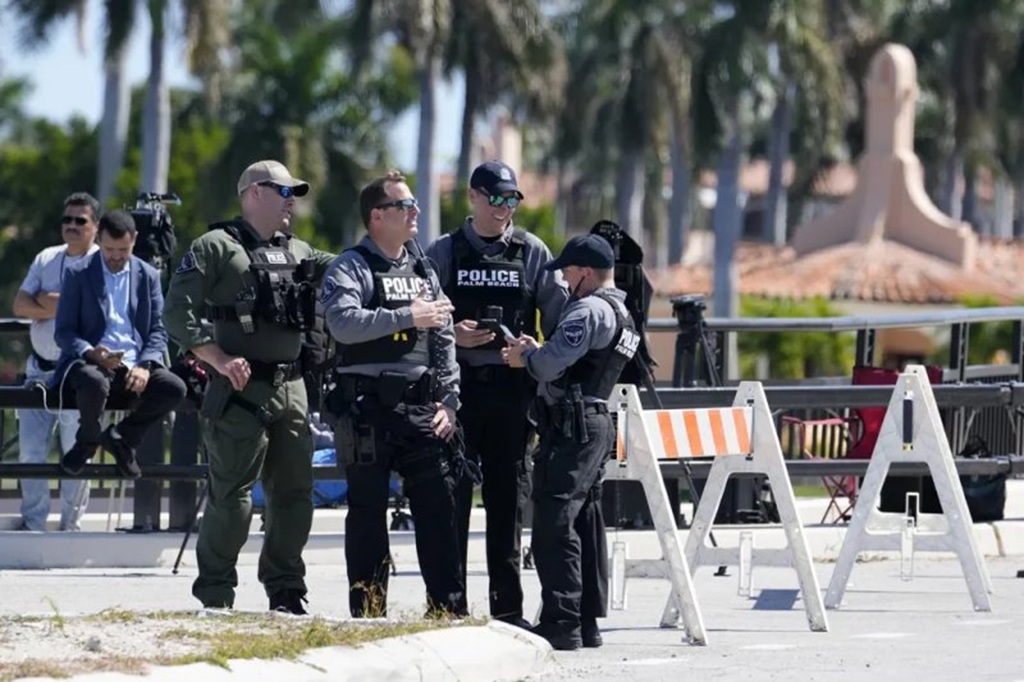
PALM BEACH, Florida – An armed man was shot and killed early Sunday after entering a restricted area at Mar-a-Lago, President Donald Trump’s private club and home in Palm Beach, Florida. U.S. Secret Service agents and a Palm Beach County Sheriff’s deputy fired after the man reportedly lifted a shotgun toward officers.
The shooting happened around 1:30 a.m. on February 22, 2026, near the property’s north gate, after the suspect crossed into a secured zone without permission. Authorities said Trump was not at Mar-a-Lago at the time. He was in Washington, D.C. No one else was hurt.

What Happened at Mar-a-Lago
- Suspect identification: Officials identified the man as Austin Tucker Martin, 21, from the Cameron area (also described as the Carthage area) of North Carolina. Investigators confirmed his name using his driver’s license and other records.
- Items observed: Officers said Martin carried what looked like a shotgun and a fuel can (also described as a gas canister).
- Timeline of events:
- First, the suspect drove into the secured perimeter as another vehicle was leaving.
- Next, two Secret Service agents and a Palm Beach County Sheriff’s deputy confronted him.
- Officers told him to drop what he was holding.
- He put down the fuel can, then raised the shotgun into a firing position.
- At that point, law enforcement opened fire. He died at the scene.
- Officers unharmed: The agents and deputy were not injured.
Palm Beach County Sheriff Ric Bradshaw shared the details at a Sunday morning news conference. He described the suspect as a white man in his early 20s who made it to the “inner perimeter” before officers stopped him.
In a separate statement, the U.S. Secret Service said personnel saw the man near the north gate carrying what appeared to be a shotgun and a fuel can. Communications chief Anthony Guglielmi credited the quick response to the unlawful entry and said agents moved fast to end the threat.

Investigation and What’s Known About the Suspect
Federal and local investigators, including the FBI, are working to determine why the suspect entered the property and what he planned to do. Reports also say Martin’s family had recently reported him missing, which investigators are reviewing as part of the timeline.
So far, authorities have not released evidence that the breach was tied to a direct threat against the president. Still, the combination of a firearm and a fuel can has raised alarms. Investigators are also looking into Martin’s travel from North Carolina and whether anyone helped him plan or prepare.
The case comes during a period of increased attention to security around Trump after earlier incidents, including assassination attempts in 2024. Mar-a-Lago is considered one of the most heavily protected private properties in the country, with Secret Service procedures layered across gates, patrols, and monitoring systems.

President Trump’s Status and Response
By Sunday afternoon, President Trump had not made a public statement about the Mar-a-Lago incident, according to reports from outlets including The New York Times and the Associated Press. White House officials said he was briefed while in Washington, D.C.
In past security situations, Trump has spoken positively about Secret Service performance and training. For now, no direct comments from Trump on this shooting were available at the time of reporting. More information may follow once the White House issues a formal response.
Why the Mar-a-Lago Breach Matters
- Security at presidential properties: Mar-a-Lago has multiple layers of protection because it remains a frequent destination connected to Trump.
- Concerns about political violence: The shooting highlights ongoing risks in a tense political climate, similar to prior threats involving Trump.
- Public reaction: Early reports quickly spread online, leading to debate about the suspect’s intent and how the Secret Service handled the Mar-a-Lago breach.
Authorities say the investigation is still active. Since the suspect died at the scene, no charges will be filed in this case.
Related News:
Trump Fires Back at Supreme Court with New 10% Global Tariffs
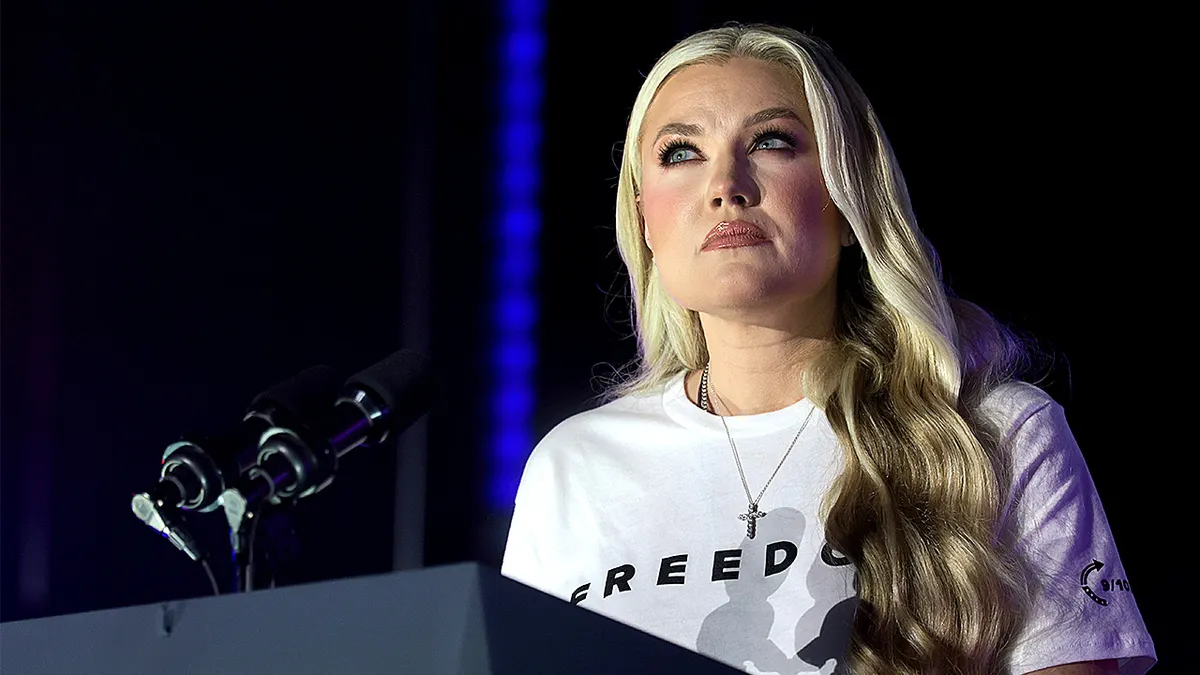
LOS ANGELES – After her husband Charlie Kirk’s assassination in September 2025, Erika Kirk stepped into two top roles at Turning Point USA (TPUSA), serving as CEO and chairwoman of the conservative youth group he co-founded.
Now, about six months into her tenure, she’s facing a fast-moving online backlash. Screenshots said to show flirtatious, personal messages she sent to a 15-year-old girl in 2013-2014 have resurfaced, leading to grooming accusations and criticism, including from some conservative voices.
The claims gained traction again in early February 2026 and have spread across social media, conservative podcasts, and online news coverage. Commentator Candace Owens has weighed in publicly, calling the alleged exchanges “textbook grooming behavior” and pointing to other claims involving gifts and photography.
How Erika Kirk Rose to the Top at TPUSA
Erika Kirk, 37, formerly Erika Frantzve, first drew national attention after winning Miss Arizona USA in 2012. She graduated from Liberty University and built a public faith-focused brand. Over time, she hosted devotional podcasts, ran Bible studies, and launched a faith-based clothing line and nonprofit called Everyday Heroes Like You.
She married Charlie Kirk in 2021. Together, they often spoke about conservative priorities, family life, and youth activism. After Charlie’s death, TPUSA’s board unanimously named her CEO and chairwoman. In public remarks, including her memorial eulogy, she said she planned to continue his work and urged unity and love after the tragedy.
Still, her early months in charge have brought extra attention. Coverage has mentioned staff firings, questions about TPUSA’s direction, and personal choices, including reports that a wedding photo was removed from Charlie’s office. A TPUSA source said practical concerns tied to her young child drove that decision.
What the Allegations Say
The dispute centers on alleged text messages from more than a decade ago, when Erika was about 25 and using her maiden name. The screenshots, shared widely on X (formerly Twitter), Instagram, and Facebook, show messages addressed to a girl described as 15 at the time. Some posts identify the teen as Jillian or Jill Falkon.
People circulating the screenshots and related claims point to:
- Comments about the teen’s appearance, including mentions of her “eyes,” “lips,” “skin,” and calling her a “dime piece.”
- Pet names, such as “sweetheart.”
- Jokes and remarks that read as unusually personal or familiar.
- Claims that gifts were sent to the minor, including chocolate-covered strawberries and a handwritten birthday card.
- References to a photo shoot or similar interaction, which has fueled debate about consent and whether parents were involved.
Critics say the tone and age gap make the messages inappropriate for adult-to-teen communication. Owens amplified the story in posts and a video, calling the behavior strange and crossing lines. She also raised concerns about photographing minors, depending on consent rules in certain states.
Posts describing the teen’s account say it appeared youth-focused at the time. According to online chatter, the messages first spread years ago in political and internet drama circles, then surfaced again more recently.
What’s Confirmed, and What Isn’t
As of February 2026, the claims remain unverified. No independent proof has publicly confirmed the screenshots, such as metadata checks, verified timestamps, or device records. Kirk has not made a direct public statement that addresses the specific screenshots or clearly denies that they are real.
Most coverage labels the story as “alleged” and points out that the posts went viral without outside verification. At this time, there are no reported criminal charges or civil lawsuits tied to the alleged messages.
Supporters argue that key context is missing. For example, they say the relationship could have involved mentorship, activism, modeling, or a casual online connection. Some also claim the tone looks like over-the-top praise without sexual intent. On the other hand, critics say the messages feel inappropriate either way.
Meanwhile, the timing has added fuel. The renewed attention comes during broader tension in conservative media, including reported rifts involving figures such as Owens. Because of that, some people view the controversy as part of personal or political feuds, not just a stand-alone dispute.
What This Could Mean for TPUSA and the Conservative Movement
Turning Point USA often speaks out against what it calls grooming and harmful influences on young people, especially in schools and culture. Because of that, critics have used the allegations against its leader to accuse the group of hypocrisy and to call for accountability.
TPUSA continues to run campus programs, host major events like AmericaFest, and push youth outreach under Kirk’s leadership. Supporters point to her faith-based message and family values. Critics, however, question the organization’s stability as controversies stack up.
For now, the resurfaced grooming allegations pose a serious test for Erika Kirk and TPUSA. Old messages can reappear quickly and reshape public perception overnight. Whether these claims are proven, debunked, or left unresolved will likely determine how lasting the fallout becomes.
Related News:
Erika Kirk’s Early EMP Documentary Fuels CIA Grooming Rumors


China’s Leading Chipmaker Faces Sanctions for Supplying Semiconductors to Iran’s Military

Vice President JD Vance Accuses Ilhan Omar of Immigration Fraud

Iran Blocks Chinese Container Ships from Entering the Strait of Hormuz

Tulsi Gabbard Opens Investigation into USAID 2024 Election Plot

Israeli Strike Kills Iran’s Navy Commander Alireza Tangsiri

New Cicada COVID Variant Emerges: What to Know About BA.3.2

DOJ Investigation of Former CIA Director John Brennan Deepens

Adam Schiff Told to ‘Resign’ After Whistleblower Claims, FBI Opens Investigation

Trump Issues Stark Warning to NATO After Iran War Snub

Trump Tariffs Supreme Court Ruling, What Changed in 2026

Thai Billionaire Charged With Lese Majeste Over Facebook Post

Russia Bans Facebook, Meta Says It’ll Do “Everything” To Restore Service

Facebook Login Feature – Clash of Clans

4 Things you can do to take your Facebook Lead Generation to the Next Level

Zuckerberg to Allow Violent Speech on Russia After Facebook Blocked

Facebook Loses $200 Billion as Users Shift to TikTok

Downloading Facebook Videos Anonymously with High Quality Video through Snapsave app

The Best Site to Buy Real Facebook Likes and Followers in 2022

Chinese Man Arrested for Using Facebook to Dupe Cryptocurrency Investor

Google and Facebook Under Huge Pressure Over User Privacy

Senate Hearing on Fraud and Foreign Influence Turns Tense Over Minnesota Scandals

CNN Forced to Backtrack Its Reporting on Trump’s Iran Talks

Joe Rogan Slams Gavin Newsom for Mocking Nick Shirley

Mosque Set Ablaze in Iran a Citizens Revolt Against the Islamic Regime

AOC Accuses Jessie Watters of Fox News of Sexualizing and Harassing Her

JD Vance Exposes Walz’s Fraud and CNN’s Lies in White House Presser

Milestone Card Credit: How the Milestone MasterCard Can Transform Credit
-

 China2 months ago
China-Based Billionaire Singham Allegedly Funding America’s Radical Left
-

 Politics2 months ago
CNN Delivers Stark Reality Check to Democrats Over Voter ID
-

 Midterm Elections3 months ago
2026 Midterms Guide: Candidates, Key Issues, and Battleground States
-
 News3 months ago
Mosque Set Ablaze in Iran a Citizens Revolt Against the Islamic Regime
-

 Politics3 months ago
Ilhan Omar’s Finances Under Fire Amid Minnesota’s Massive Fraud Scandal
-

 Politics3 months ago
Pressure Builds for Tim Walz to Resign After Viral Video of Somali Daycare Fraud
-

 Health3 months ago
RFK Jr Introduces the New Food Pyramid to “Make America Healthy Again”
-

 News3 months ago
Turning Point USA Under Scrutiny Over Alleged Shady Dealings