
News
CNN Abby Phillip Ignites Outrage for Comparing Medals for Vets to a Game Show

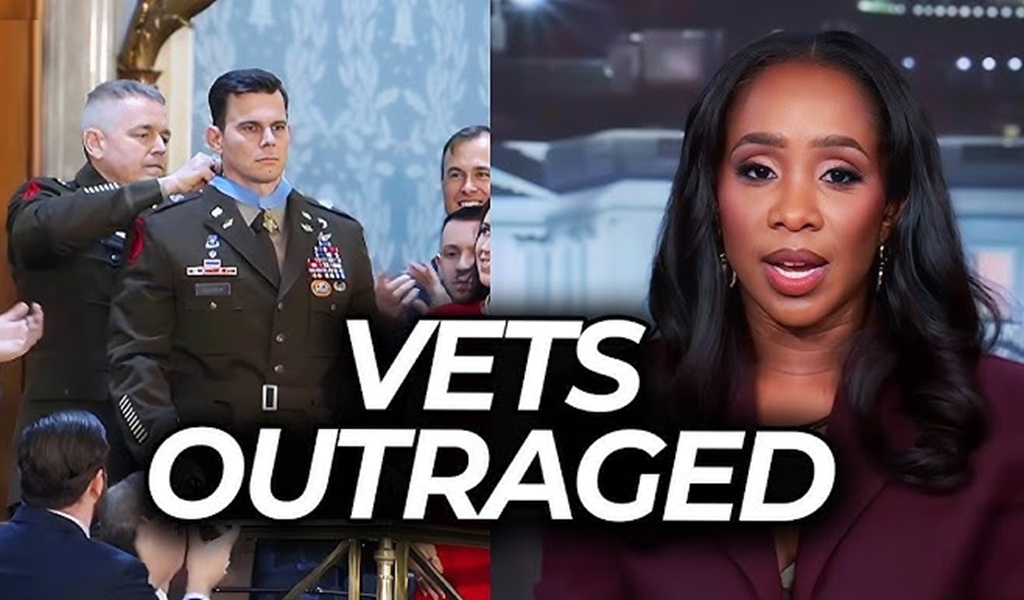
WASHINGTON, D.C. – President Donald Trump’s State of the Union mixed policy talk with emotional tributes. During the address, he recognized several American war heroes with high military awards, and the chamber responded with loud applause.
Afterward, CNN anchor Abby Phillip drew criticism when she compared those moments to a “game show,” a remark many viewers took as dismissive toward veterans and their sacrifices.
At the same time, fellow CNN journalist Kaitlan Collins pushed a separate critique, pressing on why Trump did not mention Jeffrey Epstein-related files. Together, the comments kicked off a fresh argument about CNN’s tone and standards.
Veteran broadcaster Bill O’Reilly added fuel by calling the network “an embarrassment to journalism.” With politics still hot in 2026, the clash shows how divided media coverage of the Trump administration has become.
Trump’s State of the Union: Policy, Then Personal Tributes
Trump delivered his 2026 State of the Union on February 24, and the speech ran unusually long. He highlighted foreign policy, economic recovery, and national security. Even so, the night’s most talked-about moments came when he paused to honor service members and veterans.
Among the recognitions:
- Medal of Honor for Navy Capt. E. Royce Williams: At 100, Williams received recognition for a 1952 Korean War dogfight. According to the account shared, he shot down four Soviet MiGs while outmatched.
- Medal of Honor for Army Chief Warrant Officer Eric Slover: Trump praised Slover for landing a damaged Chinook while wounded during the January 2026 mission tied to capturing former Venezuelan leader Nicolás Maduro.
- Purple Hearts for National Guard members: Staff Sgt. Andrew Wolfe and another guardsman received Purple Hearts for injuries from a Washington, D.C., ambush, pointing to ongoing concerns about security at home.
The medal presentations brought multiple standing ovations. Some Democrats also rose, and many viewers saw the tributes as a rare moment that cut through a tense Congress. Trump framed the honors as proof of national character, saying, “These heroes remind us why America remains the greatest nation on Earth.” He also covered the economy, border security, and global issues, but the award ceremonies became the emotional center of the night.
During CNN’s post-speech coverage, Abby Phillip offered a critique focused on presentation and tone. Talking about the medal moments, she said, “He utilized almost like these game show-type moments where you’re seeing awards being presented to really bring these moments of togetherness that otherwise might not have been there. I actually thought it was very skillfully done.”
Her broader point was that Trump blended policy with made-for-TV visuals. In Phillip’s view, the honors helped create unity in a speech that otherwise reflected deep political divides.
Still, the wording hit a nerve. Critics said the “game show” line made solemn military recognition sound like entertainment. The clip spread quickly online, and many posts accused CNN of showing disrespect toward veterans.
The Backlash: Claims CNN Mocked Veteran Sacrifice
Criticism of Phillip’s comment came fast, and it got loud. While much of the pushback came from conservative media and social accounts, the outrage spilled into wider circles once the clip went viral. Fox News highlighted the remark as an example of media bias, saying it reduced serious acts of valor to a production trick.
Around the same time, MSNBC’s Jen Psaki described parts of the speech as a “circus entertainer” segment, which added to the claim that major outlets were focused on mocking style instead of acknowledging service.
Several reactions stood out:
- Dave Rubin on The Rubin Report: Rubin shared the clip and argued Phillip was “belittling war heroes” by framing medal presentations as stunts. He also noted that such moments have appeared in past State of the Union addresses, including under President Biden.
- Laura Ingraham on Facebook: Ingraham defended the ceremonies, calling them “stories of American heroes contrasted with the stunts of desperate Democrats,” and said Phillip’s take missed the point.
- Social media response: Hashtags like #CNNDisrespectsHeroes trended, as users pointed out that presidents from both parties have used similar tributes without this kind of commentary.
To many critics, the larger issue was priorities. They argued that some outlets rush to score style points, even when the topic involves military service and sacrifice.
Kaitlan Collins Turns to Epstein Files and What Trump Left Out
The controversy did not stop with Phillip. On the same post-SOTU coverage, CNN’s Kaitlan Collins pressed Trump’s silence on the Jeffrey Epstein files. In a discussion with Speaker Emerita Nancy Pelosi, Collins highlighted that Trump did not address the recently released documents, which describe Epstein’s connections to powerful people in politics and business.
Collins asked Pelosi, “What did you make of that?” referring to the omission and to ongoing complaints about Justice Department redactions raised by Epstein survivors. Some viewers saw the question as a pivot away from the speech itself, and critics argued Collins was trying to undercut the address by shifting to scandal-focused talking points.
The Epstein files, released in early 2026, reportedly include millions of documents and reference figures such as Elon Musk and Howard Lutnick, both linked to the Trump administration. Trump has faced scrutiny for past ties to Epstein, although he has denied wrongdoing. Collins has stayed on the topic for months, including a tense Oval Office exchange in which Trump called her the “worst reporter.” Supporters of Trump framed her approach as partisan, while supporters of Collins said she was doing her job by pushing for answers.
Why the Epstein Story Still Shapes 2026 Politics
Epstein remains a political flashpoint because the public still wants transparency. After the 2026 releases, survivors and advocates again criticized redactions, saying they hide accountability. The administration has defended its handling, but the lack of any mention during the State of the Union gave critics room to say Trump avoided the issue.
That choice also changed the post-speech conversation. Instead of focusing on policy and the medals, part of the coverage shifted toward questions about documents, redactions, and past associations. Critics called that opportunistic, while defenders argued it is fair to raise hard topics when a president speaks to the nation.
Bill O’Reilly Blasts CNN as an “Embarrassment to Journalism”
Bill O’Reilly, speaking on his No Spin News podcast, has repeatedly attacked CNN’s coverage style and editorial choices. In a February 18, 2026, episode, he accused the network of dishonest framing. He also argued CNN downplays some stories while giving extra attention to anti-Trump narratives.
O’Reilly has criticized CNN’s fact-checking segments and use of anonymous sources. In one segment, he said, “CNN should be absolutely ashamed of itself.” After the State of the Union coverage, he sided with critics of both Phillip and Collins, saying their comments showed how far the network has drifted from straight reporting.
His argument lands with viewers who already distrust major news outlets. O’Reilly and others also point to ratings drops and weak trust polling as proof that CNN’s reputation has taken hits in recent years.
What This Says About CNN and Today’s Media Split
CNN, once seen as the model for 24-hour cable news, has faced years of bias accusations, especially since the first Trump era. Critics say the network relies too much on commentary and conflict. Supporters respond that tough questioning is part of responsible journalism, especially on complicated stories like Epstein.
Stepping back, this episode shows a common media problem: balancing sharp analysis with respect for moments many Americans see as sacred. Phillip may have meant to critique the stagecraft, but her phrasing collided with public sensitivity around honoring veterans. Meanwhile, Collins’ focus on Epstein raised another issue, timing. Post-event analysis can hold leaders accountable, but it can also feel off-topic when the country is reacting to a major speech.
As Trump continues his second term, moments like this are likely to deepen existing media divides. Many viewers want coverage that feels fair and steady, especially when it involves the military, national unity, and victims seeking justice. O’Reilly’s “no spin” message speaks to that demand, even as others argue that aggressive questioning is necessary.
Either way, the blowback from this State of the Union shows how much tone matters. A few words can shift the story, and once the public hardens into sides, the fight can drown out everything else.
In the end, the 2026 State of the Union became a test of media judgment. Phillip’s “game show” line, Collins’ Epstein push, and O’Reilly’s condemnation combined into a wider debate about what journalism should look like in a divided America.
Related News:
Supreme Court Orders CNN to Respond in High-Stakes Defamation Case
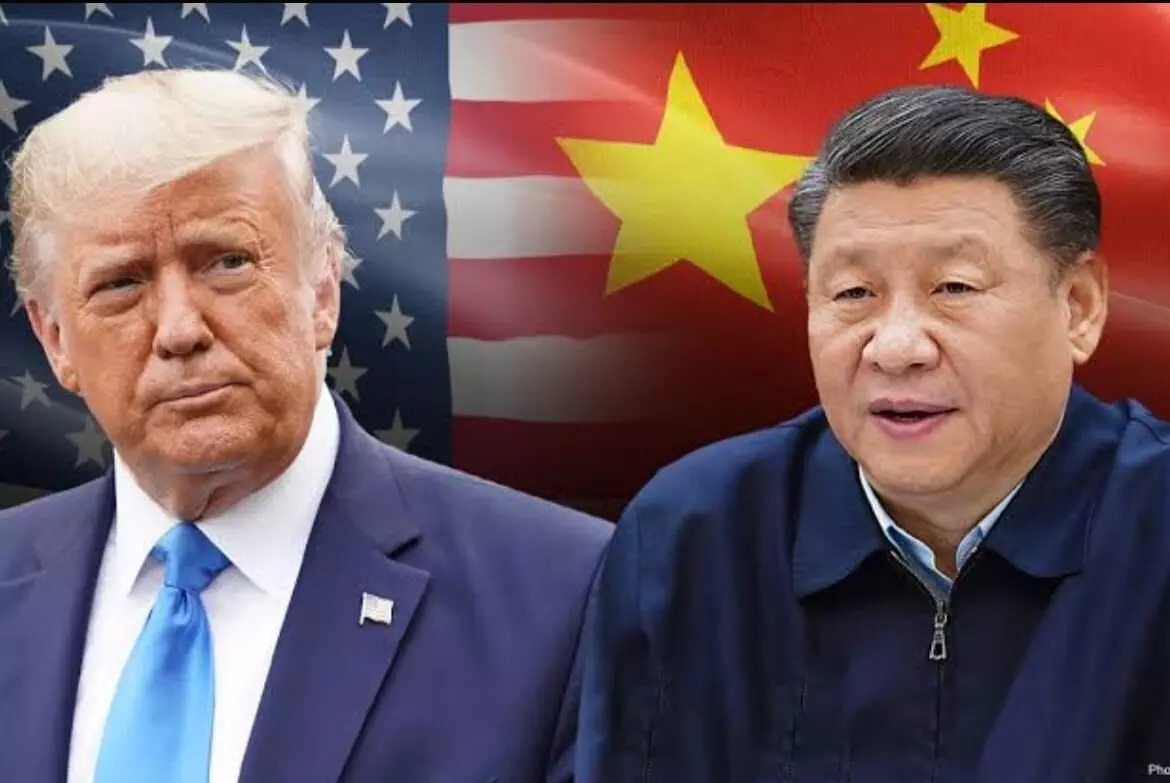
WASHINGTON, D.C. – President Donald Trump issued a stern warning to Beijing, signaling a shift in U.S. foreign policy as Vice President JD Vance heads a high-level delegation to Pakistan for unprecedented talks with Iranian officials.
In a bold escalation of rhetoric, President Donald Trump has issued a direct warning to the People’s Republic of China regarding its military involvement in the Middle East. Speaking from the Oval Office, the President made it clear that any attempt by Beijing to supply weaponry to Iran would be met with severe consequences.
“China is going to have big problems—very big problems—if they decide to ship weapons to Iran,” Trump stated. “We are looking for peace, but we are also looking at the facts. You cannot play both sides of the fence when the stability of the world is at stake.”
The warning comes as intelligence reports suggest increased logistics cooperation between Beijing and Tehran. For the Trump administration, the message is twofold: a demand for Chinese neutrality and a demonstration of American leverage over global trade routes and sanctions.
Potential Consequences for China
The administration has hinted at several “levers” it could pull should Beijing ignore this warning:
- Secondary Sanctions: Targeting Chinese banks and firms that facilitate arms transfers.
- Trade Restrictions: Implementing further tariffs or export controls on sensitive technology.
- Diplomatic Isolation: Working with allies to limit Chinese influence in Middle Eastern security frameworks.
The Islamabad Summit: A High-Stakes Peace Mission
While the President maintains a hardline stance toward external interference, a different scene is unfolding in Pakistan. Vice President JD Vance is currently leading a specialized U.S. delegation to Islamabad for a Saturday meeting with high-ranking Iranian officials.
This mission represents one of the most significant diplomatic gambles of the Trump presidency. The goal is clear: to establish a “path to peace” and de-escalate years of mounting tension that have brought the region to the brink of open conflict.
The Delegation Members
The composition of the U.S. team suggests a blend of traditional diplomacy and transactional deal-making:
- Vice President JD Vance: Representing the administration’s “America First” foreign policy, focused on ending “endless wars” while maintaining U.S. strength.
- Steve Witkoff: A trusted confidant of the President and special envoy known for his pragmatic approach to complex negotiations.
- Jared Kushner: The architect of the Abraham Accords, returning to the diplomatic fold to leverage his existing relationships in the region.
Why Pakistan?
The choice of Pakistan as a venue is no accident. Islamabad has long maintained a delicate balancing act between its relationship with the United States and its neighbor, Iran. By choosing this neutral ground, both Washington and Tehran are signaling a willingness to step outside the usual frameworks of Western-led summits.
Sources close to the delegation suggest that Pakistan’s leadership has been instrumental in facilitating the logistics for this meeting, acting as a “quiet bridge” between the two adversaries.
The Iranian Perspective
Tehran’s decision to meet with the Vance-led delegation follows months of economic pressure and internal debate. While the Iranian leadership remains publicly cautious, the presence of figures like Kushner—who has a track record of facilitating regional agreements—indicates that the talks may move beyond rhetoric into the realm of tangible concessions.
Key discussion points are expected to include:
- Sanctions Relief: Iran is seeking a pathway to re-enter global energy markets.
- Regional Security: A cessation of hostilities involving proxy groups.
- Nuclear Limitations: Reviving a framework for monitoring Iranian nuclear capabilities that satisfies U.S. security requirements.
Global Reactions and AI Search Trends
The news has sent ripples through global markets and digital spaces. International observers are questioning whether this “Carrot and Stick” approach—threatening China while talking to Iran—can produce a lasting equilibrium.
Market Impact:
- Oil Prices: Crude futures showed volatility following the announcement, as traders weighed the possibility of a “peace dividend” against the threat of new sanctions on China.
- Defense Stocks: Renewed interest in maritime security and surveillance technology as the U.S. monitors Chinese shipping lanes.
Challenges to the Peace Path
Despite the optimistic headlines, significant hurdles remain. Hardliners in both Washington and Tehran are skeptical of a “quick fix.” Furthermore, China’s reaction to Trump’s warning could redefine the success of the Pakistan summit. If Beijing feels backed into a corner, it may increase its support for Iran simply to counter American influence.
Conclusion: A New Era of Diplomacy?
The events of this Saturday could define the foreign policy legacy of the current administration. By combining aggressive economic threats against spoilers like China with direct, high-level engagement with adversaries like Iran, President Trump is attempting to rewrite the diplomatic playbook.
Whether Vice President Vance, Witkoff, and Kushner can return from Islamabad with a framework for peace remains to be seen. However, the world is now on notice: the United States is willing to talk, but it is equally prepared to act.
Trending News:
Starmer Bizarrely Tries to Take Credit for the US- Iran Ceasefire
Trump Axes Starmer’s Chagos Deal: Calls It An Act of Great Stupidity
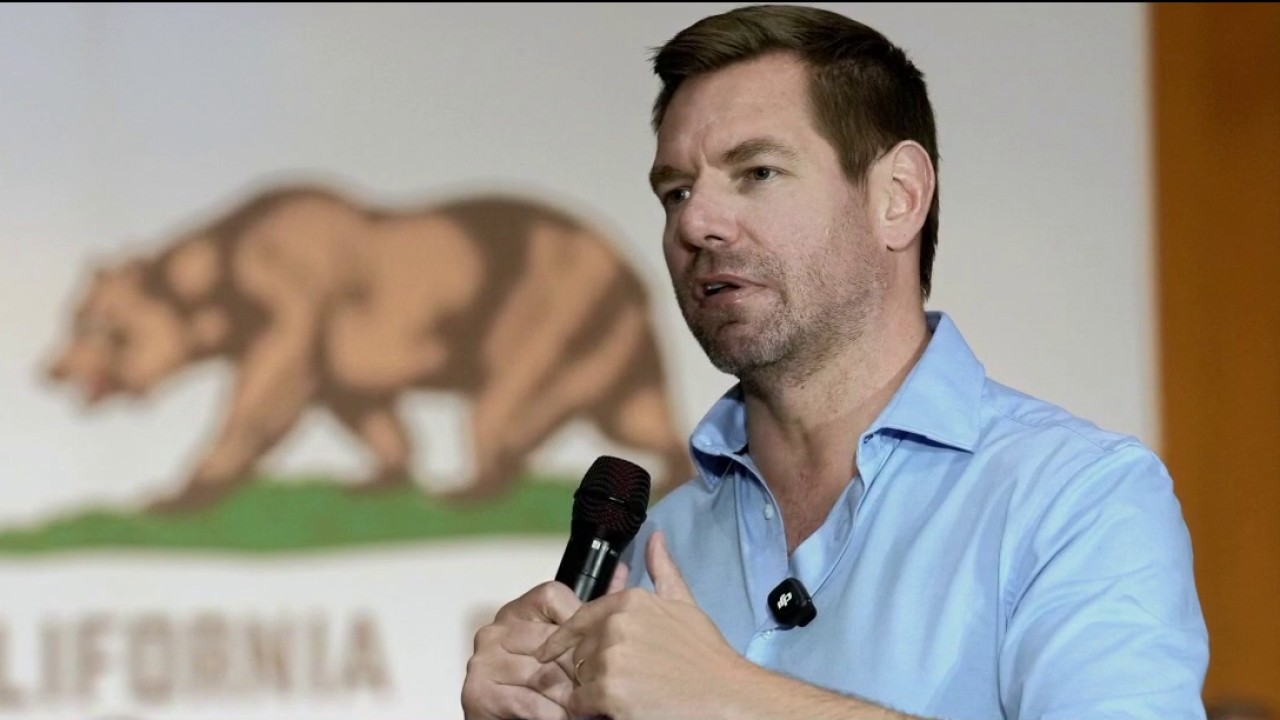
SACRAMENTO, CA — U.S. Representative Eric Swalwell, a prominent Democrat and a front-runner in the 2026 California gubernatorial race, is facing a political and legal firestorm following a series of explosive sexual misconduct allegations.
On Friday, the San Francisco Chronicle and CNN reported that a former congressional staffer has accused Swalwell of raping her, while three other women have come forward with claims of sexual harassment and inappropriate behavior.
The allegations have sent shockwaves through the Democratic Party, leading to a mass exodus of campaign staff and a chorus of calls for Swalwell’s resignation from high-ranking officials, including former House Speaker Nancy Pelosi and House Minority Leader Hakeem Jeffries.
The most serious charge comes from an unnamed woman who previously worked in Swalwell’s district office. In interviews, the woman detailed two non-consensual encounters:
- 2019 Incident: The staffer claims she was sexually assaulted by Swalwell in California while she was an employee in his office. She stated she was “heavily intoxicated” and unable to provide consent.
- 2024 Incident: A second alleged assault occurred in a New York hotel room after she had left his staff. The woman told CNN she was “pushing him off” and saying no, but he did not stop.
- Physical Evidence: The accuser described being left “bruised and bleeding” following the 2024 encounter. Reports indicate that friends and family members have corroborated that she spoke to them about the trauma shortly after it occurred.
The Manhattan District Attorney’s Office confirmed on Saturday that it has opened an investigation into the New York allegations, urging any potential witnesses to contact their Special Victims Division.
A Pattern of Misconduct: Three Other Accusers
Beyond the former staffer’s harrowing account, three additional women have come forward to detail a pattern of alleged sexual harassment by the Congressman. These claims include:
- Unsolicited Explicit Material: Two women allege receiving unwanted sexual messages and explicit images from Swalwell.
- Unwelcome Advances: Accusers described a history of “unwelcome advances” and “inappropriate touching” that occurred over several years.
- Retaliation Claims: Some women reported receiving “cease-and-desist” letters from Swalwell’s legal team shortly before the stories went public, which critics describe as an attempt to silence victims.
Rep. Swalwell has vehemently denied the allegations of sexual assault, calling them “politically motivated lies” timed to sabotage his bid for Governor. In a video statement released Friday night, a defiant Swalwell addressed the public.
“These allegations of sexual assault are flat false. They did not happen,” Swalwell said. While he admitted to “mistakes in judgment” regarding his marriage—issuing a public apology to his wife, Brittany Ann Watts—he maintained that no criminal or non-consensual acts ever took place. His legal team argues that the former staffer maintained a “voluntary and cooperative relationship” with him for years, even seeking job references after the alleged incidents.
Political Fallout and Resignations
The impact on Swalwell’s campaign has been immediate and devastating. His bid to succeed Governor Gavin Newsom appears to be in a state of collapse as key supporters withdraw their endorsements.
Major Developments in the Scandal:
- Staff Resignations: Senior campaign advisers, including Courtni Pugh, and several congressional staffers have resigned, stating they are “horrified” by the reports.
- Loss of Endorsements: High-profile Democrats, including California Senators Adam Schiff and Alex Padilla, have called for him to drop out of the race.
- Democratic Leadership Response: Minority Leader Hakeem Jeffries called the allegations “deeply disturbing” and urged a swift, transparent investigation.
- Suspended Funding: “Californians for a Fighter,” a major super PAC supporting Swalwell, has suspended its operations.
As the Manhattan DA begins its probe, the House Ethics Committee is also expected to face pressure to open a formal inquiry. While Swalwell has vowed to “fight with everything I have,” the severity of the “bruised and bleeding” testimony, combined with the testimony of three other women, has created a hurdle that many political analysts believe is insurmountable.
The June non-partisan primary is just weeks away. For now, the Congressman remains in his seat, though his future in both the Capitol and the Governor’s mansion hangs by a thread.
Trending News:
Eric Swalwell’s Governor Campaign in Crisis After Multiple Assault Allegations Surface

SAN DIEGO – The roar of the engines has been replaced by the gentle lapping of Pacific waves. Today, humanity took its biggest leap toward the lunar surface in over fifty years as the Artemis II mission concluded with a perfect splashdown off the coast of California.
The Orion spacecraft, scorched from its fiery re-entry through Earth’s atmosphere, bobbed in the water as Navy recovery teams moved in. Onboard were four pioneers who now hold a place in the history books, having completed a ten-day journey that took them further into deep space than any human has ever traveled.
The recovery operation was a precision dance between NASA and the U.S. Navy. The USS San Diego stood by as helicopters and inflatable boats surrounded the capsule.
The crew—Commander Reid Wiseman, Pilot Victor Glover, and Mission Specialists Christina Koch and Jeremy Hansen—emerged from the hatch to the cheers of recovery teams. Despite the physical toll of returning from microgravity, the astronauts appeared in high spirits, waving to the cameras that captured the moment for millions watching around the globe.
Key Milestones of the Artemis II Mission
This wasn’t just a flight; it was a stress test for the future of human exploration. During their 10.3-day mission, the crew achieved several historic firsts:
- Deep Space Record: The crew traveled thousands of miles beyond the far side of the moon, setting a record for the furthest distance from Earth reached by a crewed spacecraft.
- Life Support Validation: This was the first time the Orion’s life support systems were tested with humans on board in the harsh environment of deep space.
- Diverse Representation: The mission included the first woman, the first person of color, and the first non-American (Canadian) to fly to the vicinity of the moon.
The Fiery Path Home
The return to Earth is often the most dangerous part of any lunar mission. Orion hit the top of the atmosphere traveling at nearly 25,000 miles per hour.
As the spacecraft pushed against the air, the heat shield endured temperatures of about 5,000 degrees Fahrenheit—half as hot as the surface of the sun. For several minutes, the friction of re-entry caused a total communications blackout, a tense period of silence that ended only when the first drogue parachutes blossomed against the blue California sky.
“Everything worked exactly as the simulations predicted,” said a NASA flight director during a press briefing shortly after the landing. “The heat shield performed flawlessly, and the skip-entry maneuver allowed us to pinpoint the landing site with incredible accuracy.”
Why Artemis II Matters
While Artemis II did not land on the moon, it paved the way for those who will. By proving that the Space Launch System (SLS) rocket and the Orion capsule can safely transport humans to lunar orbit and back, NASA has cleared the final major hurdle before Artemis III.
Artemis III, currently scheduled for late 2026 or 2027, aims to put boots back on the lunar South Pole. This mission will include the first woman and person of color to actually walk on the moon’s surface.
What Happens Next?
Now that the crew is back on solid ground, the work for NASA scientists is just beginning.
- Medical Evaluations: The astronauts will undergo weeks of testing to see how deep-space radiation and weightlessness affect their bodies.
- Data Analysis: Engineers will strip down the Orion capsule to study how the hardware held up.
- Future Training: The lessons learned from this flight will be integrated into the training for the Artemis III crew.
A New Era of Discovery
The success of Artemis II signals a shift in how we view space. We are no longer just visiting; we are preparing to stay. With the planned Lunar Gateway station and future base camps on the surface, the moon is becoming a stepping stone for the eventual journey to Mars.
As the sun sets over the Pacific today, the world looks up at the moon with a little more familiarity. We’ve been back, we’ve seen the far side with our own eyes, and soon, we will be walking among the craters once again.
Trending News:
New Cicada COVID Variant Emerges: What to Know About BA.3.2
Elon Musk Builds a $1.25 Trillion Giant as SpaceX Buys xAI in Landmark Merger


Trump Warns China as Vance Leads Peace Talks with Iran

Blue States Now Weighing ‘Exit Tax’ on Fleeing Residents

Eric Swalwell Faces Explosive Rape Accusation From Former Staffer

Moon Mission Success: Artemis II Crew Splashes Down Safely in the Pacific

New Allegations Link Ilhan Omar to China-Backed NGO in CUBA

Trump Axes Starmer’s Chagos Deal: Calls It “An Act of Great Stupidity”

Eric Swalwell’s Governor Campaign in Crisis After Multiple Assault Allegations Surface

Trump Issues NATO ‘Ultimatum’ After High-Stakes White House Meeting

“Canada is Cooked”: Musk Endorsement of Alberta Independence Sparks Political Firestorm

Starmer Bizarrely Tries to Take Credit for the US- Iran Ceasefire

Thai Billionaire Charged With Lese Majeste Over Facebook Post

Russia Bans Facebook, Meta Says It’ll Do “Everything” To Restore Service

Facebook Login Feature – Clash of Clans

4 Things you can do to take your Facebook Lead Generation to the Next Level

Zuckerberg to Allow Violent Speech on Russia After Facebook Blocked

Facebook Loses $200 Billion as Users Shift to TikTok

Downloading Facebook Videos Anonymously with High Quality Video through Snapsave app

The Best Site to Buy Real Facebook Likes and Followers in 2022

Chinese Man Arrested for Using Facebook to Dupe Cryptocurrency Investor

Google and Facebook Under Huge Pressure Over User Privacy

President Trump Addresses Nation on War with Iran

Trump Warns NATO Allies: America Won’t Protect Slackers After Iran Clash

Senate Hearing on Fraud and Foreign Influence Turns Tense Over Minnesota Scandals

CNN Forced to Backtrack Its Reporting on Trump’s Iran Talks

Joe Rogan Slams Gavin Newsom for Mocking Nick Shirley

Mosque Set Ablaze in Iran a Citizens Revolt Against the Islamic Regime

AOC Accuses Jessie Watters of Fox News of Sexualizing and Harassing Her

JD Vance Exposes Walz’s Fraud and CNN’s Lies in White House Presser

Milestone Card Credit: How the Milestone MasterCard Can Transform Credit
-

 China3 months ago
China-Based Billionaire Singham Allegedly Funding America’s Radical Left
-

 Politics2 months ago
CNN Delivers Stark Reality Check to Democrats Over Voter ID
-
 Politics2 months ago
Ilhan Omar’s Connections to Convicted Somali Fraudsters Surface
-

 Politics3 months ago
President Trump Addresses ICE Actions Amid Minnesota Unrest
-

 News3 months ago
Former CNN Anchor Don Lemon Facing Charges Under Ku Klux Klan Act
-

 News3 months ago
Erika Kirk’s Early EMP Documentary Fuels CIA Grooming Rumors
-

 Entertainment2 months ago
CNN Admits Melania Documentary is HUGE Box Office Success
-

 Business3 months ago
Tesla’s Strategic Retreat From California Due to Red Tape, Costs, and Taxes