
News
Trump Threatens Michael Wolff With Lawsuit Over Epstein Ties

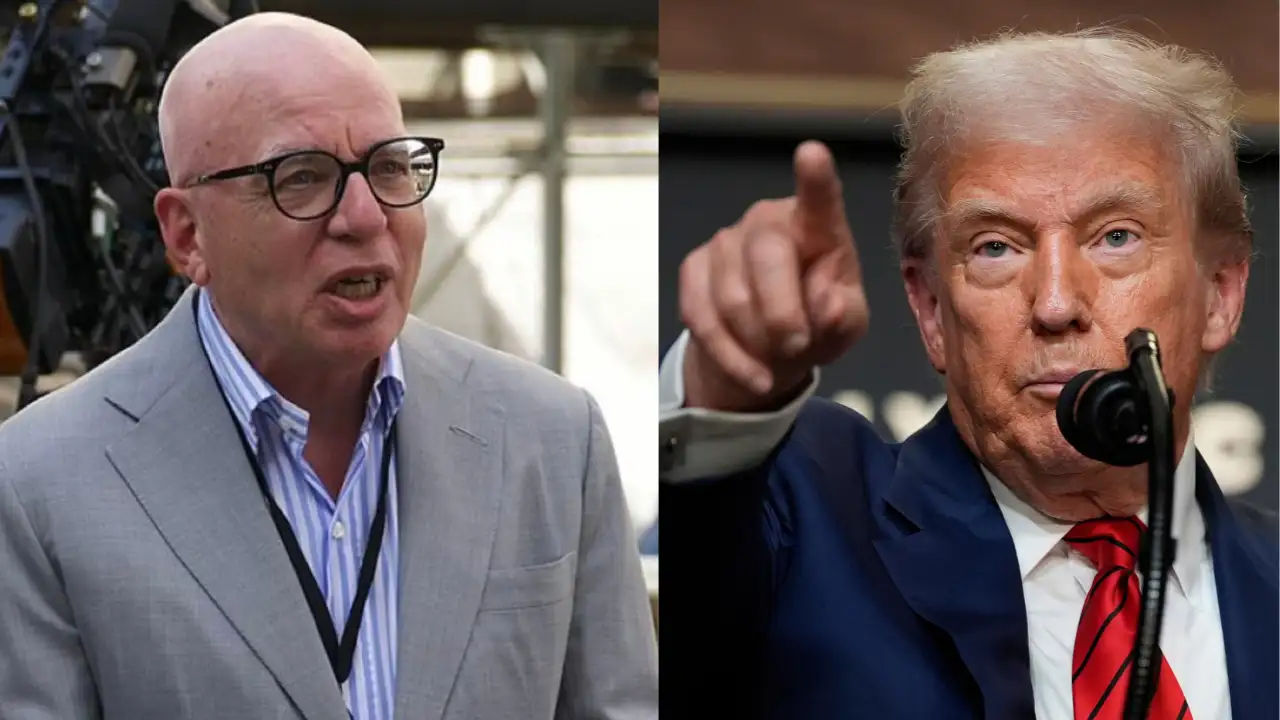
WASHINGTON, D.C. – President Donald Trump says he may sue journalist and author Michael Wolff, claiming Wolff worked with Jeffrey Epstein to hurt Trump politically. Trump made the comments on Air Force One on January 31, 2026, one day after the Department of Justice released a massive set of Epstein-related records under the Epstein Files Transparency Act.
The DOJ release included more than 3 million pages of documents, plus thousands of videos and hundreds of thousands of images. The drop quickly fueled fresh headlines and online debate, and Trump used it to argue the materials cleared him. He also said they point to a coordinated effort against him.
“It looked like this guy, Michael Wolff, was a writer, was conspiring with Epstein to do harm to me,” Trump told reporters. He called Wolff a “third-rate writer” and said “very important people” told him about the alleged scheme. Trump added that he could also target the Epstein estate, saying Epstein “was conspiring with Wolff to do harm to me politically.”
What Trump Says the Epstein Documents Show
Trump framed the new DOJ disclosure as proof he did nothing wrong. He said the files support his claim that he was targeted, not protected. In his telling, the latest Epstein documents don’t land on him; they land on people he views as political enemies and critics.
That stance shifts the focus away from what the records contain and toward who Trump thinks used Epstein’s information as a weapon. It also puts Michael Wolff in the middle of the news cycle, tied to the Epstein files release.
Who Is Michael Wolff?
Michael Wolff is a well-known U.S. journalist and author. He’s best known for Fire and Fury: Inside the Trump White House (2018), an unauthorized book about the early Trump White House. The book sparked immediate backlash and legal threats from Trump’s side, and it helped cement Wolff’s reputation as a sharp Trump critic.
Wolff later published more Trump-focused books, including Siege and Landslide. He also writes and comments through his Substack newsletter, a podcast, and social media, where he regularly discusses Trump and Trump-era politics.
Wolff’s Past Links to Epstein
Michael Wolff’s name has appeared in earlier reporting tied to Epstein because of contact between them. Past document releases and media accounts described emails and conversations involving Wolff and Epstein.
Michael Wolff has also said he recorded audio of conversations with Epstein in 2017 while working on Fire and Fury, describing Epstein as a source. Epstein reportedly spoke about Trump’s election and Trump’s personal life during those talks.
In late 2025, Wolff sued First Lady Melania Trump after he said her legal team threatened a $1 billion defamation claim tied to Wolff’s public comments about the Trumps and Epstein. Wolff described his lawsuit as an effort to force testimony and pull out details about past connections in the 1990s modeling world, where he said Trump and Epstein had ties.
After Trump’s new lawsuit threat, Wolff responded on Substack and brushed it off as part of a pattern. He said Trump has threatened to sue him multiple times before.
Inside the January 2026 DOJ Epstein Files Release
The DOJ release on January 30, 2026, is one of the largest single document dumps connected to Epstein. It followed the Epstein Files Transparency Act, which Trump signed on November 19, 2025. The law required the public release of unclassified DOJ records tied to Epstein’s investigations, prosecutions, and custody issues.
Deputy Attorney General Todd Blanche said the DOJ published more than 3 million additional pages, bringing the total close to 3.5 million pages. The release also included over 2,000 videos and about 180,000 images. The materials cover communications, investigative notes, and references to many prominent names in politics, business, and entertainment.
The files mention Trump hundreds of times, often tied to social references and flight-log context from years ago. The DOJ also said some items in the files include “untrue and sensationalist claims” submitted to the FBI, tied in part to the 2020 election period. Blanche said on CNN’s State of the Union that the release would not lead to new charges and that the department did not “protect” anyone, including the president.
Even with Trump allies promising full transparency, the release arrived more than a month after an earlier deadline. Critics used that delay to question the rollout. Trump, though, pointed to the disclosure as proof of vindication and said it exposed what he called a “conspiracy,” not wrongdoing by him.
Why Trump Says He Might Sue Wolff
Trump’s legal threat appears to rest on how he reads past emails and interactions between Michael Wolff and Epstein that have already been discussed in earlier document releases and press coverage.
One exchange described in those reports involved Epstein offering photos and stories that could harm Trump, while Wolff discussed strategies connected to Epstein-related books. Trump has long said he cut ties with Epstein years before Epstein’s 2008 conviction. Trump also says hedid not know about Epstein’s crimes.
By casting Michael Wolff’s reporting and his contact with Epstein as a planned political hit, Trump is trying to shift attention from the content of the Epstein files and toward motive and intent. Legal analysts point out that defamation and conspiracy claims are hard to prove, and public figures face a high bar under US law. A case would likely turn on proof of false statements, actual malice, and clear evidence of coordination.
The Epstein estate, which still faces civil matters tied to victims, has not publicly responded to Trump’s comments.
The public, journalists, and lawyers will keep combing through the newly released Epstein documents. Trump’s threat against Michael Wolff adds another conflict to a story that already mixes crime, politics, and years of public interest.
It’s still unclear if Trump will file a lawsuit. The threat alone signals that the Epstein files release won’t stay focused on the documents for long; it’s also becoming a fight over narratives, reputations, and old grudges.
Trending News:
Trump Files $10 Billion Lawsuit Against IRS and Treasury

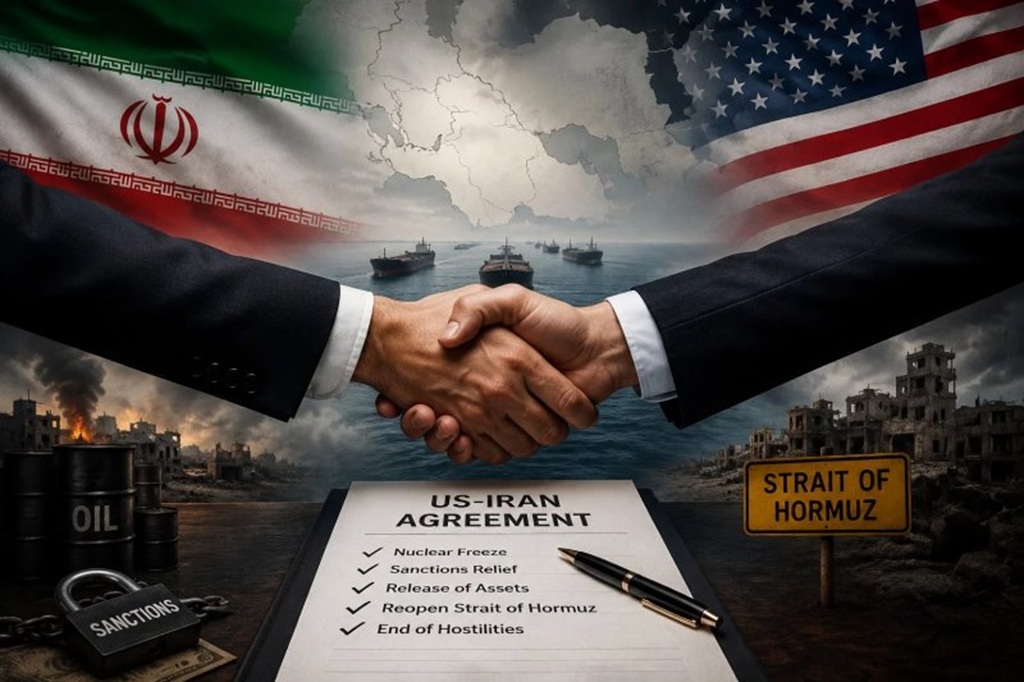
WASHINGTON, D.C. – The United States and Iran have taken a massive step toward ending their recent military conflict. A highly anticipated, 14-point preliminary agreement between Washington and Tehran has been made publicly available to global media outlets.
The text reveals a sweeping framework that aims to halt active warfare, open up blocked shipping lanes, and establish a temporary peace. While the historic document marks a breakthrough in global diplomacy, officials confirm that the historic terms have yet to be officially signed by either nation.
The diplomatic breakthrough became the central focus of world leaders meeting at the G7 Summit in Evian-les-Bains, France. Speaking from the summit, US President Donald Trump defended the preliminary deal with intense passion.
Trump claimed that the swift agreement he cut with Iran would help the world avoid an impending “economic catastrophe.” The deal is now set to be formally signed at a high-profile diplomatic gathering in Switzerland at the end of the week.
Key Takeaways
- Fourteen Preliminary Terms: The newly unveiled framework contains 14 distinct points designed to freeze military actions, lift naval blockades, and establish an immediate 60-day period for deeper peace talks.
- Averting Global Collapse: President Donald Trump heavily promoted the agreement during the G7 Summit, stating that reviving trade and opening vital oil routes would stop a catastrophic global economic tailspin.
- Signing Ceremony Set: Senior diplomats from both the United States and Iran are scheduled to arrive in Switzerland by Friday to officially sign the memorandum of understanding.
President Donald Trump used his platform at the annual G7 Summit in France to rally international support for the fast-moving diplomatic framework. Addressing a room packed with journalists and foreign leaders, Trump emphasized that the deal was an absolute necessity to protect global markets from total ruin. The recent military hostilities and the restrictive American naval blockade on Iranian ports had pushed global oil prices to dangerous highs, triggering widespread panic about a prolonged global recession.
According to an official report from The Jerusalem Post, Trump told reporters that his strategy successfully combined severe pressure with massive financial incentives. The President strongly rejected media reports suggesting that the United States would give a direct $300 billion cash payout to Tehran. Instead, Trump explained that Washington would allow external international investments and provide specific US Treasury sanctions waivers to kickstart regional commerce.
The President also emphasized that the primary goal of the aggressive American campaign was to secure absolute protection for regional allies. “Think of what Israel is getting. They are not going to be nuked,” Trump stated confidently during his press conference, according to media briefings. Trump made it clear that while the initial terms offer substantial economic relief to Iran, the United States reserves the right to resume decisive military action if Tehran fails to honor its nuclear dismantling promises.
A High-Stakes Friday Signing Ceremony in Switzerland
With the text of the memorandum of understanding now out in the open, the diplomatic focus shifts directly to neutral ground in Europe. Representatives from both administrations are finalizing travel plans to gather in Switzerland for the formal signing ceremony at the end of the week. The historic signing will officially trigger a strict 60-day window during which both countries must negotiate a permanent, comprehensive peace treaty.
As reported by Radio Free Europe, the American delegation traveling to Switzerland is expected to be led by Vice President JD Vance. Vance will be accompanied by special envoy Steve Witkoff and senior advisor Jared Kushner. The Iranian delegation will be headed by their top negotiator and parliament speaker, Mohammad Baqer Qalibaf. President Trump hinted that he might also attend the Swiss ceremony if the final logistical arrangements align perfectly with his schedule.
The choice of Switzerland as the host venue highlights the deep-seated lack of trust that still exists between Washington and Tehran. Swiss diplomats have frequently served as the protecting power and intermediary for US-Iran communications over many decades. Turning this preliminary 14-point framework into a legally binding, signed reality will be the first major test of whether this fragile truce can actually hold.
Inside the Fourteen Terms of the Strategic Framework
The draft text of the memorandum of understanding outlines a complex, high-stakes trade-off between military de-escalation and economic survival. The first and most critical point of the pact demands an immediate and permanent end to all military operations on all active fronts. Crucially, this ceasefire explicitly covers ongoing hostilities in Lebanon, aiming to bring quick stability to a deeply fractured region.
A detailed review of the text published by Military Times shows that the agreement forces both nations to respect each other’s territorial integrity. Upon the formal signing of the document, the United States must immediately begin dismantling its strict naval blockade of Iranian ports. The Pentagon will have a maximum of 30 days to fully remove all maritime shipping impediments, allowing commercial vessel traffic to return to historical, pre-war levels.
In exchange for the lifting of the naval blockade, Iran must pledge its best efforts to ensure safe, toll-free passage for commercial vessels. This maritime guarantee applies specifically to the vital shipping lanes running from the Persian Gulf to the Sea of Oman. Iran is also required to immediately begin the complex process of clearing naval mines and other hazardous military obstacles from the crowded waters within 30 days.
Reopening the Vital Strait of Hormuz Shipping Lanes
The immediate economic impact of the deal hinges entirely on the successful reopening of the Strait of Hormuz. The strait is widely considered the most important oil chokepoint in the world, with roughly a fifth of global petroleum consumption passing through it daily. The recent wartime closure of this narrow waterway choked off global energy supplies, causing fuel costs to skyrocket and threatening industrial supply chains worldwide.
To address this urgent economic threat, the preliminary deal contains specific clauses dedicated to restoring normal maritime trade. The text mandates that Iran will conduct direct dialogues with the Sultanate of Oman and other Gulf states to establish a stable, long-term maritime management system. This collaborative approach aims to prevent future unilateral closures of the strait, reassuring global shipping companies and insurance underwriters.
For the first 60 days following the signing ceremony, commercial vessels will be permitted to navigate the strait entirely free of charge. This temporary fee waiver is a major diplomatic victory for the American negotiation team. However, the text intentionally leaves the door open for Iran to negotiate standard, internationally compliant transit fees once the temporary 60-day trial period expires.
Sanctions Relief and the Proposed Reconstruction Fund
The primary incentive driving the Iranian government to the negotiating table is the promise of sweeping relief from crippling economic sanctions. Under the explicit terms of the framework, the US Department of the Treasury must issue immediate emergency waivers. These waivers will allow Iran to legally export its crude oil, petroleum products, and various chemical derivatives to global buyers.
The agreement also outlines a massive, long-term financial package aimed at rebuilding Iran’s broken domestic economy. The text states that the United States will work closely with its regional partners to create a definitive economic development plan. This comprehensive reconstruction initiative will feature a funding pool of at least $300 billion, designed to modernize Iranian infrastructure and restore civilian public services.
However, US officials have stressed that this enormous financial package comes with incredibly strict strings attached. No actual funds will be released to Tehran until a final, permanent treaty is completely signed and implemented. Furthermore, all required licenses and banking permissions will be strictly managed through a joint oversight mechanism to ensure no money is diverted toward prohibited activities.
Strict Nuclear Safeguards and the Downblending Mandate
The most sensitive and legally complex portions of the 14-point agreement focus squarely on Iran’s controversial nuclear program. While the preliminary deal defers the final, permanent dismantling of facilities to the upcoming 60-day negotiation round, it establishes rigid boundaries to prevent any immediate atomic breakthroughs. Under the temporary truce, Iran is strictly forbidden from advancing its current enrichment capabilities.
According to technical details published by the Times of India, the framework introduces a new minimum standard for handling highly enriched uranium. Iran must agree to a verified process of on-site “downblending,” which involves diluting its weapon-grade uranium stockpiles into low-enriched forms that can only be used for peaceful civilian energy. This entire process will be conducted under the constant supervision of the International Atomic Energy Agency.
In return for these immediate nuclear concessions, the United States has agreed to maintain a strict military status quo in the region. Washington has committed to not imposing any new economic sanctions and will not deploy any additional combat forces to the Middle East during the 60-day talk window. This mutual freeze is intended to create a calm, predictable environment where senior diplomats can hammer out a final nuclear disarmament treaty.
Intense Political Backlash Fires Up in Washington and Israel
Despite the optimistic statements delivered by President Trump at the G7 Summit, the unsigned agreement has sparked an immediate storm of political controversy. Critics from across the political spectrum in Washington have expressed deep skepticism regarding Iran’s long-term willingness to follow the rules. Many hawkish lawmakers argue that granting immediate oil waivers gives up vital American leverage far too early in the negotiation process.
The political divide was vividly displayed on Capitol Hill immediately after the 14 points were leaked to the public. High-profile Republican Senator Lindsey Graham offered cautious support for the framework, noting that a verified end to the war could bring immense benefits to global stability. In sharp contrast, Louisiana Senator Bill Cassidy slammed the proposal on social media, publicly labeling the memorandum of understanding as “the worst foreign policy blunder in decades.”
Meanwhile, the political reaction in Israel has been deeply anxious and highly critical. Israeli defense officials are deeply worried that the agreement does not explicitly dismantle Iran’s extensive ballistic missile and drone manufacturing networks. Opponents of the deal claim that the massive $300 billion reconstruction plan will ultimately allow Tehran to secretly rebuild its regional proxy networks once international focus shifts away.
Global Markets React to the Historic Peace Framework
The public release of the 14-point agreement sent immediate shockwaves through global financial markets, offering a clear sign of economic relief. As soon as traders confirmed that the United States and Iran had a concrete plan to reopen the Strait of Hormuz, global crude oil prices experienced a sharp, sudden decline. This drop in energy costs provided an immediate boost to major international stock indices, which had been battered by months of wartime uncertainty.
International shipping conglomerates and maritime insurance firms have welcomed the news with cautious optimism. The prospect of safe, toll-free passage through the Persian Gulf could drastically lower the steep war-risk insurance premiums that have driven up the retail cost of consumer goods worldwide. Air cargo carriers and commercial airlines are also preparing to adjust their international flight paths as the threat of regional missile strikes begins to recede.
However, financial analysts warn that this market rally could be incredibly short-lived if the upcoming Swiss signing ceremony hits an unexpected roadblock. Because the agreement is a memorandum of understanding rather than a fully binding treaty, any sudden violation on the ground could instantly reignite the conflict. Investors remain highly focused on Switzerland, waiting to see if both sides will actually put pen to paper.
The Long and Difficult Path to a Permanent Peace Treaty
As the diplomatic teams prepare to travel to Switzerland, foreign policy experts emphasize that this memorandum is merely the beginning of an incredibly difficult journey. History shows that previous international agreements with Iran have frequently collapsed due to internal political pressures and compliance disputes. The 60-day window created by this interim deal will force both sides to confront deep-seated grievances that have built up over decades.
The upcoming negotiations will have to solve incredibly complex details that the 14-point framework intentionally leaves vague. Diplomats must establish an exact, unshakeable timeline for the permanent removal of all United States sanctions. Simultaneously, they must design a foolproof verification system to prove that Iran has permanently dismantled its nuclear weapons research programs.
The stakes could not possibly be higher for the international community. If the upcoming Swiss talks succeed, it could mark the beginning of a completely new era of stability and economic growth for the Middle East and the wider world. If the negotiations fracture and fall apart, the fragile truce will dissolve, likely plunging the global economy right back into the very catastrophe that world leaders are desperately trying to avoid.
Trending News:
Bill O’Reilly Slams CNN’s Jake Tapper Over Biased Iran Coverage
Many California Voters Side With Trump and Musk Over Voter Fraud Claims
SAN FRANCISCO – A recent investigation suggests that Google News bias, defined as the systematic favoring of certain ideological perspectives over others through automated curation, is shaping the digital information landscape.
The Media Research Center reports that only 2 percent of top morning stories featured on the platform in February came from right-leaning sources. This finding has sparked significant backlash regarding the prevalence of left-wing bias within the platform’s top stories.
This discrepancy is significant because Google remains one of the most powerful information gatekeepers globally. As these tech giants continue to refine their algorithms, the news feed directly influences the headlines millions of people encounter each morning. When a feed appears consistently one-sided, readers are forced to question whether the issue lies within the algorithm, the underlying source selection, or deeper editorial choices, a debate that has also followed Google’s search ranking decisions.
The provided statistics represent only a portion of the broader narrative. The underlying challenge remains a matter of public trust and the increasingly blurred line between neutral curation and algorithmic bias.
Key Takeaways
- Algorithmic Skew: Recent audits from organizations like the Media Research Center and AllSides indicate that top stories on Google News consistently lean toward left-leaning sources, with one report showing right-leaning outlets accounting for only 2% of morning headline placements.
- The Power of Placement: As a primary information gatekeeper, Google’s curation process exerts significant influence over public perception; the headlines users see first are often interpreted as the most important, creating a feedback loop that shapes political discourse.
- Systemic vs. Intentional Bias: While Google maintains its results are determined by neutral signals like relevance and authority, critics argue that the underlying design choices and ranking metrics inherently favor certain ideological perspectives over others.
- The Risks of AI Curation: The rise of AI-driven news summaries adds a layer of complexity to bias, as these tools can produce content that sounds neutral and objective while omitting critical context or favoring specific, narrow viewpoints.
- Personal Responsibility: Because automated feeds can create filter bubbles, the most effective way to maintain a balanced perspective is to actively compare reporting from diverse sources across the political spectrum rather than relying on a single news aggregator.
What the latest Google News bias reports are saying
The latest reports point in the same direction: Google News still shows a left-leaning mix in its top stories. As one of the most prominent news aggregators on the internet, the platform plays a major role in information consumption, making these claims about bias particularly significant. This assessment comes from both broad tracking and narrower spot checks, which makes the overall picture difficult to ignore.
The numbers behind the claims
The Media Research Center stated that in February, only 2% of the top morning stories featured on Google News originated from right-leaning outlets. That is a remarkably small share for a platform that shapes what millions of readers see first each day. The group also argued that the story mix was not just slightly tilted, but heavily skewed.
AllSides has made a similar case over time. In its 2023 audit, the organization noted that 63% of Google News articles came from left-leaning sources, an increase from 61% the year before. Consequently, the organization officially rated Google News as Lean Left in its media bias chart. You can see that broader rating framework in the AllSides media bias chart.
These figures are trying to measure source balance in top stories, not every piece of content Google shows. That distinction matters. A news feed can have thousands of items across many topics, but critics focus on the stories pushed to the top, where human attention is concentrated.
A simple way to read the data:
| Report | What it looked at | Main takeaway |
|---|---|---|
| MRC February sample | Top morning Google News stories | Only 2% came from right-leaning sources |
| AllSides 2023 audit | Google News over time | 63% of articles came from left-leaning sources |
| AllSides overall rating | Google News as a source mix | Rated Lean Left |
The pattern is clear enough for critics to press the issue, and for defenders to argue that sampling methods matter.
Why sample size matters
A small sample can still reveal a real problem, but it does not tell the whole story. One morning feed can look very different from the next, because topic choices, search terms, location, and even the time of day all shape what appears.
That is why both sides can point to evidence. Critics see a repeated left tilt and say the pattern is baked in. Defenders say a few snapshots do not prove a permanent bias across all Google News content.
The right comparison is not one headline against another; it is the overall mix across a specific time window, topic set, and location. In other words, the feed is not a single fixed list. It changes with context, which makes broad claims harder to prove but impossible to dismiss. For more background on how a search algorithm influences traffic, see Search Algorithm Visibility Impact on right-leaning outlets.
Why Google News feels so powerful to readers
Google News feels powerful because it does more than collect headlines. It puts a story in front of you, sets the order, and repeats that choice across searches, phones, and daily habits. When that happens, the feed starts to feel like the news itself.
That power matters even more in the US, where many people use Google Search and Google News as a shortcut to keep up with current events. If a headline appears first, it gets treated as the headline. If the same view shows up again and again, it starts to feel normal.
How news placement shapes what people believe
Most readers do not compare ten outlets before forming an opinion. They scan the first few results, skim a headline, and move on. That habit gives top placement a lot of weight, because the first stories often feel like the most important ones.
A headline can do a lot of work on its own. Short wording, story order, and repeated exposure all shape what sticks in a reader’s mind. When the algorithm creates filter bubbles by showing the same perspective repeatedly, one point of view can feel more credible simply because it is familiar.
That is why placement matters as much as the article itself. Google News does not need to tell people what to think in plain language. It only needs to decide which stories rise first, and which ones stay buried lower down.
One report from AllSides’ media bias ratings found a strong left-leaning tilt in its article mix, which is why placement debates keep getting louder. A feed that keeps foregrounding similar sources can shape public judgment before readers even open a story.
The first story often becomes the story people remember.
That effect gets stronger when readers return several times a day. A repeated headline can make one version of events feel settled, even when the broader picture is more mixed.
Why big tech bias is more than a media issue
This goes beyond one website favoring certain outlets. Google is a gatekeeper for information, and gatekeepers shape what people see, what they miss, and what feels worth talking about. When millions of readers rely on the same feed, small ranking choices can have a large reach.
That matters for politics, elections, and major breaking news. A shift in visibility can send more attention to one side of a debate and less to another. This imbalance often leaves conservative media struggling for equivalent exposure, which in turn fuels concerns regarding political polarization. Over time, that affects which voices sound mainstream and which ones sound fringe.
Google Search works the same way for many people. A quick search for a candidate, a policy fight, or a breaking event often becomes the first stop for context. If the top results lean in one direction, that frame can color the entire conversation.
Big tech companies also control the pipes that deliver information at scale. The issue is not just who publishes a story, but who gets amplified. In a system this concentrated, a ranking choice is never just a ranking choice. It helps decide which version of reality most readers notice first.
For readers who want to track how algorithm changes affect visibility, Google shadow banning allegations show how fast these disputes spill beyond news feeds and into broader trust issues.
Google News feels powerful because it acts like a filter, a sorter, and a loudspeaker at the same time. That combination gives it a much bigger role than a simple news page, and it explains why bias claims around Google News never stay small for long.
How Google responds when bias accusations come up
Google rarely admits political favoritism when claims of Google News bias arise. Instead, the company maintains that its systems are built to rank useful, relevant, and trustworthy information rather than backing any specific party or viewpoint. In plain terms, Google argues that criticism often stems from a misunderstanding of how its underlying ranking systems function.
This response is critical because the debate concerns more than just intent. It centers on how a massive ranking system feels to the people who use it daily. A feed can appear skewed even when the company insists the underlying process is neutral.
The company’s defense in plain English
Google characterizes its news aggregation as an outcome of algorithmic filtering rather than editorial choice. The company frequently points to the following factors to explain how its platform functions:
- Relevance and Freshness: The system prioritizes content that is timely and aligns with user search intent.
- Source Authority: Google utilizes concepts like PageRank to determine the authority of a domain, which helps filter for high-quality information.
- Engagement Signals: User behavior, such as clicks and reading time, acts as a popularity algorithm that can boost specific stories above others.
- Dynamic Content: Because the web is constantly changing, search results evolve throughout the day, making it difficult to conclude a single snapshot of a news feed.
Google maintains that it does not handpick winners or losers. When critics point toward a perceived anti-conservative bias in a results mix, Google typically frames these outcomes as a reflection of the available content on the web rather than a deliberate political strategy.
For readers who want a closer look at the broader dispute around visibility, this report on algorithmic censorship and search results ranking disputes shows how these complaints extend far beyond individual news headlines.
Google also points to outside research to defend its position. One widely cited Stanford study found no clear partisan tilt in Google search results for political candidates, which the company uses to support its argument that the system is built around relevance rather than ideology.
Why do denials not end the debate?
Even if Google does not intend to favor one side, bias can manifest through the design of the system itself. Ranking systems rely on specific choices, and those choices inevitably shape outcomes. If a platform places heavy weight on certain metrics, the result can lean in one direction without anyone writing a political memo.
The dispute persists because critics are not only asking whether Google has an agenda. They are also questioning whether its design choices reward some voices more than others. Several technical factors can influence the final output:
- Source selection: The specific domains Google chooses to index can narrow the diversity of available perspectives.
- Ranking signals: The mathematical weight given to certain signals can inadvertently push one type of story above another.
- Freshness rules: Algorithms that favor outlets publishing at a high frequency may marginalize slower, more in-depth reporting.
- Editorial review: Human intervention within news products can occasionally shape what is highlighted, introducing subjective elements to the automated feed.
Each choice may seem harmless individually. Combined, however, they can create a feed that feels consistently tilted. A platform can deny intent and still produce a skewed result.
The problem remains difficult to judge from the outside. Because Google does not disclose every rule in its ranking logic, users are often left to guess whether the output is the result of a popularity algorithm, the underlying source pool, or the specific way the news product is built. This uncertainty ensures that concerns regarding Google News bias will remain a central part of the conversation as long as the company acts as a primary gatekeeper for global information. The real debate is not just about what Google says, but about how much trust users are willing to place in a system they cannot fully see.
Why AI could make news bias even harder to spot
AI search and chat tools change the way people read news. A short answer can feel clean, balanced, and complete, even when it leaves out key details. That is what makes bias harder to catch, because the summary looks neutral on the surface.
Traditional bias is easier to spot when a headline is obviously slanted. AI bias can hide in the gaps instead. It may use calm language, mention both sides, and still tilt the picture by choosing which facts to include first, which quotes to skip, and which sources to pull from. By curating content in this way, the AI may mask the true reliability of the underlying news sources it draws upon.
When an answer sounds neutral but is not
AI often sounds confident, even when it is filtering the story in a narrow way. A user might ask about a political issue and get a polished summary that seems fair, yet the model may have drawn mostly from one kind of source or one set of talking points. That makes the output feel objective, which is exactly why it can be misleading.
A summary can also omit important context without saying so. For example, it may mention a policy debate but leave out the strongest opposing argument, or it may quote one side heavily and barely mention the other. The result is a summary that reads smoothly while still steering the reader.
That risk shows up in both training data and source selection. AI systems can reflect patterns in the material they learn from, and they can also inherit bias from the links or documents they rank most highly. As the Reuters Institute has noted, journalists need to watch for this kind of AI bias because it can hide inside normal-looking output, not just obvious errors in fact.
Here are a few ways that bias can slip through:
- Source selection can favor one viewpoint and crowd out others.
- Framing can make the same event sound more partisan.
- Missing context can make a partial truth feel complete.
- False confidence can make a weak answer sound settled.
A clean summary is not the same thing as a full one.
What careful readers should do instead?
The safest move is simple: compare the AI answer with reputable reporting. Check the links, open the source articles, and look at who is quoted. If one side appears often and the other barely appears at all, that gap matters.
It also helps to compare more than one outlet before you settle on a view. A Reuters write-up may emphasize different facts than a local paper or an opinion site, and that difference can reveal what the AI left out. For quick checks on media slant, tools like AllSides’ media bias chart can help you practice better media literacy and spot patterns faster.
Keep one rule in mind: do not trust AI alone for political news. Treat it as a starting point, then verify the facts, the sourcing, and the missing pieces yourself. When the topic is charged, that extra step matters more than the polished answer on your screen.
What this means for readers who want a fuller picture
A left-leaning tilt in Google News does not mean every story is biased or false. It does mean you should treat any single feed as one slice of the story, not the whole thing. If you rely on one source for political news, you may miss the facts that sit outside its frame.
The better habit is simple: compare before you decide. Read the same story from left, right, and center outlets, then look for the details they agree on. That overlap is usually where the strongest facts live.
Simple habits that reduce media blind spots
Small habits make a big difference. They keep one feed from doing all the work for you.
- Check more than one outlet. Read the same event from across the political spectrum, using both left-leaning, right-leaning, and center sources. Tools like an AllSides media bias chart can help you identify these lanes quickly so you can verify the information you consume.
- Read past the headline. Headlines are built for speed, and they often leave out the part that changes the meaning.
- Notice repeat framing. If one source always casts the same side as the villain or the hero, that pattern matters.
- Use bias-check tools. A reliable media bias chart can help you visualize where a publication stands, while resources like FAIR media literacy tips provide frameworks to spot loaded language and missing context.
- Watch your own habits. If you only click stories that match your views, your feed will tighten around those views.
A fuller picture usually comes from comparison, not volume. Ten headlines from one angle still leave you with one angle.
Questions worth asking about any news feed
You don’t need to be a media analyst to spot a narrow feed. A few basic questions can tell you a lot about what you are seeing.
Start with the voices in the story. Who is quoted, and who is missing? If a political story keeps pulling from the same kind of source, the article may be showing one side more than the full field.
Then look at the source mix. Is the feed drawing from a wide range of outlets, or does it keep recycling the same viewpoint? When the same framing shows up again and again, the feed may be shaping your view before you have a chance to compare.
Ask yourself these questions when you scan a story:
- Who benefits from this framing?
- Which facts are pushed to the top?
- What context is left out?
- Would a reader on the other side see the story the same way?
If one feed always tells the story the same way, your view of the issue will shrink with it.
You should also watch for missing disagreement. A solid political story does not hide the strongest counterpoint. It shows you where the debate actually is.
The safest approach is to keep your news diet broad and steady. Do not trust Google News, or any single feed, to give you the full truth on political topics. Compare sources over time, look for patterns instead of one-off headlines, and keep checking what is missing as well as what is shown.
Frequently Asked Questions
Why does Google News often seem to favor left-leaning sources?
Google attributes its results to objective ranking signals like relevance, source authority, and user engagement, arguing that the news feed reflects the broader online media landscape. However, critics suggest that the specific mathematical weights assigned to these signals, combined with the selection of domains indexed, result in a systemic, if not intentional, ideological tilt.
Is it possible for Google to be biased without having a political agenda?
Yes, bias can manifest as a byproduct of system design choices rather than a conscious effort to favor one party. For example, algorithms that prioritize high-frequency publishing or specific engagement metrics may inadvertently sideline diverse or slower-moving viewpoints, creating a consistent ideological pattern without an explicit editorial mandate.
How does AI-generated news content impact bias?
AI search tools can make bias harder to detect because they often synthesize information into a calm, authoritative, and seemingly neutral tone. This polish can mask the underlying source selection or missing context, leading users to believe they have received a comprehensive summary when they may have only encountered a narrow perspective.
What is the best way to avoid falling into a news filter bubble?
To avoid echo chambers, users should actively diversify their information intake by regularly comparing the same news stories across left-leaning, right-leaning, and center-aligned outlets. Utilizing independent media bias charts and consciously seeking out perspectives that contradict your initial feed can help you maintain a more accurate, objective view of current events.
Conclusion
The latest reports concerning Google News bias point to a clear pattern, even if observers still disagree on the root cause. Data from the Media Research Center and long-running audits from AllSides raise the same core concern: Google News consistently surfaces a selection of top stories that skews left, significantly impacting what millions of readers see at the start of each day.
This situation matters because Google is not just another news website. It functions as a primary filter for political reporting, and its immense reach gives it outsized power over public attention. The real issue is broader than any single study or automated feed. It involves the profound influence that Google and other tech giants exert over what information people notice, trust, and eventually repeat.
To navigate this landscape, the safest response is both steady and simple. You should stay alert, actively compare sources, and treat algorithm-driven news as only one slice of the broader story rather than the final word. When an algorithmic feed appears one-sided, the most effective check remains cultivating a wider, more diverse news diet. By taking personal responsibility for the sources you consume, you can bypass the limitations of automated filtering and gain a fuller picture of the events that shape our world.
Trending News:
Google Accused of Shadow Banning Thousands of Websites
The Google Search Engine Now Allows You to Select Your Top Sources

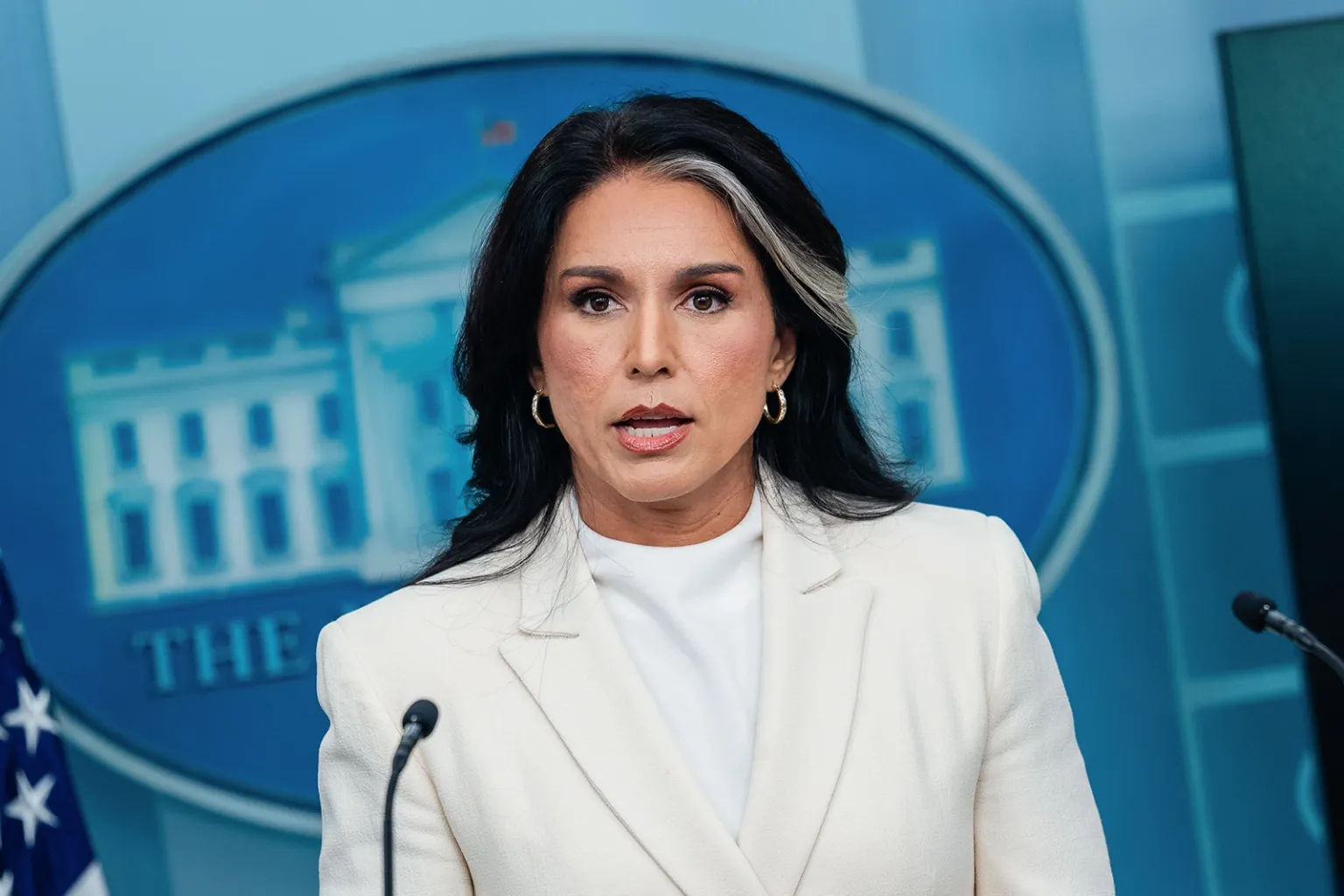
WASHINGTON, D.C. – Newly declassified documents have shed light on an extensive network of biological research laboratories funded by American taxpayers across the globe. Director of National Intelligence (DNI) Tulsi Gabbard announced these findings this week, sparking intense discussion regarding government oversight and international safety standards.
Key Takeaways:
- Newly declassified intelligence confirms U.S. taxpayer money supported over 120 biological research facilities across 30 nations.
- Specific concerns were raised regarding high-risk facilities in Ukraine, which faced potential threats during the ongoing conflict with Russia.
- DNI Tulsi Gabbard has initiated a sweeping review to track specific pathogens and terminate dangerous “gain-of-function” projects abroad.
The disclosures reveal that more than 120 facilities operating in over 30 countries have received significant U.S. financial support. This global footprint, often obscured from the public eye, now faces a rigorous vetting process under the new directive from the Office of the Director of National Intelligence (ODNI).
The report places significant emphasis on research facilities located within Ukraine. Intelligence analysts had previously issued several warnings regarding the presence of dangerous pathogens at these sites.
These warnings became particularly urgent following the outbreak of the war between Russia and Ukraine. Security experts expressed deep fears that these vulnerable locations could be compromised, potentially leading to the accidental or intentional release of hazardous biological agents.
A Shift in Policy: Ending High-Risk Research
Director Gabbard has made it clear that business as usual is no longer an option. She stated that the intelligence community will now move aggressively to identify every lab in the network.
The primary goal is to track exactly what pathogens are stored or studied at these locations. Furthermore, the administration plans to officially end all funding for “gain-of-function” research conducted overseas.
Gain-of-function research typically involves modifying viruses to make them more transmissible or potent. Critics have long argued that such work poses an unacceptable risk to global health, even when performed under strict laboratory conditions.
The move represents a major change in how the United States handles its international biological partnerships. By bringing these projects into the light, the administration aims to ensure greater accountability for taxpayer dollars.
For years, the nature of these labs has been a subject of speculation and geopolitical tension. The new transparency effort seeks to address these concerns by clarifying the purpose of each site and ensuring they follow international safety norms.
The ODNI will work closely with international partners to monitor these sites. This coordination is intended to prevent the mishandling of dangerous materials and protect local populations from potential outbreaks.
Next Steps for National Security
The process of auditing 120 different labs will be a complex and time-consuming operation. Officials suggest that this work will require high levels of cooperation with host nations.
Gabbard’s team is now focused on dismantling the infrastructure that supports the most dangerous forms of research. By doing so, the government hopes to reduce the global risk of accidental laboratory leaks.
This initiative marks a significant turning point in national security strategy. It reflects a growing consensus that the benefits of biological research must be weighed carefully against the catastrophic potential of a containment failure.
Trending News:
Tulsi Gabbard Opens Investigation into USAID 2024 Election Plot
Tulsi Gabbard Sends Criminal Referral to DOJ Over 2019 Trump Impeachment


The Switzerland Accord: US-Iran Deal Aims to Prevent Global Economic Collapse

Silence on Capitol Hill: ActBlue CEO Invokes Fifth Amendment 22 Times Before House Committee

Elon Musk’s Trillion-Dollar Fortune: The Real Story

Google News Bias Exposed in Left-Leaning Top Stories

Drinking in Pregnancy Is Rising in America, CDC Says

Robert Kennedy’s Health Agenda and the Future of America

Ilhan Omar Melts Down Over Jerry Seinfeld Over Palestinian Comments

Tulsi Gabbard Reveal Massive Global Biolab Network Linked to U.S. Funding

California Elections Expose the Mainstream Media Bias Over Election Integrity

Many California Voters Side With Trump and Musk Over Voter Fraud Claims

Jimmy Kimmel Slammed for “Vile” Melania Trump “Expectant Widow” Joke

President Trump Addresses Nation on War with Iran

Trump Warns NATO Allies: America Won’t Protect Slackers After Iran Clash

Senate Hearing on Fraud and Foreign Influence Turns Tense Over Minnesota Scandals

CNN Forced to Backtrack Its Reporting on Trump’s Iran Talks

Joe Rogan Slams Gavin Newsom for Mocking Nick Shirley

Mosque Set Ablaze in Iran a Citizens Revolt Against the Islamic Regime

AOC Accuses Jessie Watters of Fox News of Sexualizing and Harassing Her

JD Vance Exposes Walz’s Fraud and CNN’s Lies in White House Presser

Milestone Card Credit: How the Milestone MasterCard Can Transform Credit


-
 News3 months ago
Tim Walz Accused of “Enabling Fraud” By Minnesota State Lawmaker
-
 Entertainment3 months ago
Jimmy Kimmel Slammed for “Vile” Melania Trump “Expectant Widow” Joke
-

 News3 months ago
Ilhan Omar Refuses to Turn Over Documents to Minnesota Fraud Committee
-

 Business3 months ago
Jimmy Kimmel and ABC in the Crosshairs of An FCC Investigation
-
 Business3 months ago
Alex Jones Announces the Shutdown of Infowars Amid Billion-Dollar Legal Battles
-

 Crime3 months ago
FBI Raids Virginia State Senator Louise Lucas’s Office
-
 Crime3 months ago
Former FBI Director James Comey Indicted for Threatening Instagram Post
-

 Entertainment2 months ago
Stephen Colbert Has Meltdown On-Air in Final Broadcast on CBS