
Politics
Beyond the Classroom: The Insidious Spread of Critical Race Theory in US Institutions
In American universities, the U.S. military, and even federal hospitals, a once-narrow academic idea called critical race theory (CRT) has grown into a broad institutional ideology. CRT began as a specialized legal framework that looked at how racism shapes laws and policies. Over time, it shifted into something much larger, often used to reshape training, rules, and culture inside major institutions.
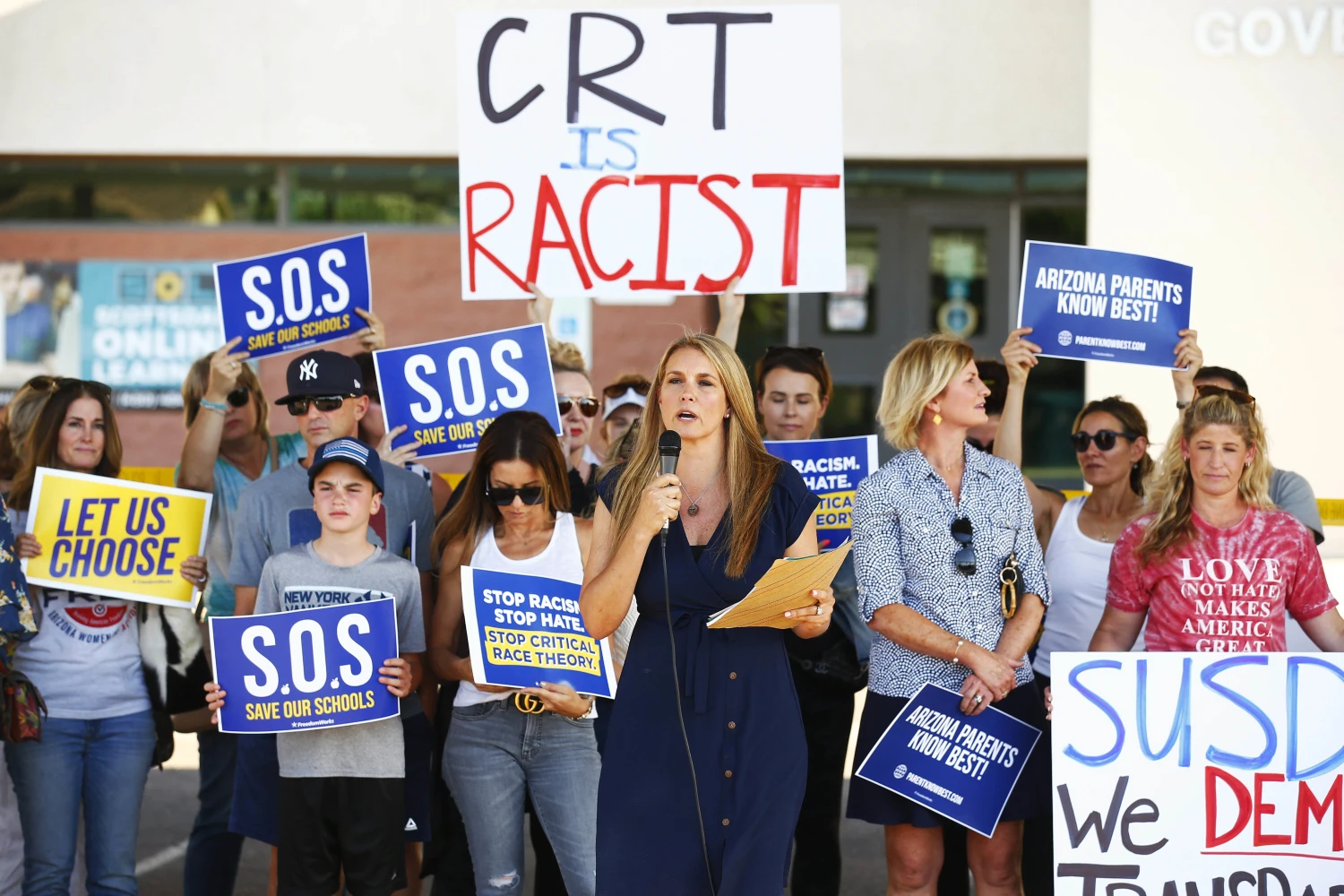
Supporters see CRT as a helpful way to confront past and present injustice. Critics see it as a belief system that splits people by race, weakens merit-based standards, and clashes with long-held American ideals. Parents, veterans, teachers, doctors, and lawmakers are now locked in a fight over what CRT is doing to public life.
This investigation looks at how CRT-related ideas have moved beyond the classroom and into key sectors of American life. It draws on surveys, legal fights, policy changes, and firsthand stories to show how deep this influence now runs.
The Roots of a Polarizing Theory
From Legal Theory to Cultural Force
Critical race theory arose in the late 1970s and 1980s through legal scholars such as Derrick Bell and Kimberlé Crenshaw. They argued that racism is not only individual bias but a built-in feature of American institutions and laws.
Backers say CRT helps expose how rules on housing, schooling, and criminal justice can lock in unequal outcomes. They claim it shines a light on how discrimination can exist even without open hatred.
Opponents focus on CRT’s core claims, such as the idea that race is a social construct used to maintain power, and that colorblindness is a lie that hides ongoing racism. They say these ideas encourage guilt in white Americans, promote a sense of permanent victimhood among minorities, and damage social trust.
From Campus Debates to National Flashpoint
The leap from law journals to mainstream life sped up after the 2020 protests following George Floyd’s death. By 2021, then-President Donald Trump had signed an executive order that banned certain federal trainings that included what he labeled “divisive concepts,” including CRT. He called these programs “anti-American propaganda,” which ignited a fierce political fight.
Conservative activist Christopher Rufo played a central role in raising public concern, especially online and through policy groups. He openly described his strategy as “recodifying” CRT as a broad label for what he saw as cultural excesses. His approach helped turn public unease into organized campaigns and legislative action.
As of 2025, 18 states have passed laws that restrict CRT-related lessons or training in public schools. The conflict, however, has pushed far beyond K-12.
A 2025 Manhattan Institute survey of 1,505 young adults found that:
- 62% said they were taught or had heard in school that “America is a systemically racist country.”
- 69% said they had been taught or exposed to ideas like “white privilege.”
Ideas that used to appear mostly in graduate seminars now show up in everyday classroom life, corporate training, and government programs. The line between teaching history and pushing ideology has become a core point of dispute.
Infiltrating Higher Education
Universities as CRT’s Stronghold
America’s universities are CRT’s home base and remain the place where it holds the most power. Elite schools such as Harvard and Yale have long had CRT scholars on their law and social science faculties. What has changed is the way CRT concepts have spread into undergraduate courses, freshman orientations, and mandatory diversity, equity, and inclusion (DEI) programs.
A 2024 Education Next survey of high school students found that while full-on CRT teaching is not “widespread,” more than 90% of students encountered at least one core CRT-related idea. Public and private schools showed similar levels of exposure.
The Florida Fight and Campus Pushback
Florida has become a major test case. Governor Ron DeSantis signed the Stop WOKE Act in 2022, which restricts state university teachings that claim people are “inherently racist” or “oppressors” based on race. Supporters say the law protects students from ideological pressure and racial guilt.
In November 2025, an op-ed in The Oracle pushed back, calling for a return of CRT content. The writer argued that CRT is needed to reveal how “laws, policies, and institutions” can act as racist systems. Supporters see this work as honesty, not hostility.
Critics point to programs such as the University of Washington’s 2024 teacher-training conferences, where CRT-based modules described local schools as “systematically racist” and white students as “oppressors.” They argue that these ideas stigmatize students and staff and replace teaching with moral accusation.
Chilling Effects on Teaching and Learning
The policy struggle has real classroom effects. A 2025 Brookings Institution study linked rising anti-CRT rhetoric with falling public trust in teachers and schools. Since 2021, 18 states and about 150 school districts have adopted rules that curb certain ways of talking about race.
Civil rights lawyers in Arkansas are suing over some of these laws, arguing that they violate free speech and academic freedom. At the same time, conservative lawmakers in at least 44 states have proposed bills that target CRT or CRT-inspired content, often describing higher education as a front in a larger ideological battle.
Professors report that they now tread carefully. Some say they skip or water down material on race or inequality to avoid complaints that they are “indoctrinating” students. Others say they feel pressure to include more activist content to satisfy DEI offices.
Students feel the strain as well. Some students of color say “equity” efforts treat them like symbols instead of individuals, while some white and Asian students say they feel branded as guilty or privileged before they speak.
As one Yale faculty member told VorNews Media, “CRT promised liberation but delivered division. Campus debates are fading, and echo chambers are growing.”
Marching Into the Military
DEI, CRT, and Unit Cohesion
The spread of CRT-related ideas inside the U.S. military alarms many critics more than any campus trend. The armed forces depend on unity, trust, and rank-based authority. Anything that highlights racial difference, they argue, can weaken those bonds.
The Department of Defense has heavily expanded its DEI efforts. Many of these programs draw on CRT-related language and frameworks. DEI funding rose from about $68 million in fiscal 2022 to a requested $114.7 million in 2024.
A July 2024 report from Arizona State University reviewed training materials across several branches. It found lessons that described U.S. founding documents as rooted in systemic racism and encouraged service members to probe their “whiteness” and “privilege.”
Political and Strategic Backlash
In response, Senator Tom Cotton introduced the Combating Racist Training in the Military Act in 2023. His bill sought to block trainings that use CRT concepts, which he called “anti-American theories” that claim some races are “fundamentally oppressive.”
Analysts at the Heritage Foundation argue that CRT weakens morale by pushing service members to view one another through an oppressor-versus-oppressed lens. They often cite Napoleon’s claim that moral strength outweighs physical strength “three to one” in battle. If soldiers distrust each other because of race, they say, it could cost lives.
Recent controversies have added fuel to the debate. In 2024, Navy reading lists for officers included CRT authors and books on gender ideology. House Republicans blasted these choices as “insanity” inside the Pentagon.
At a 2021 House Oversight Committee hearing, witnesses warned that CRT instruction could divide units and lower readiness. Around the same time, then-Chairman of the Joint Chiefs of Staff Gen. Mark Milley drew fire for defending the study of CRT in military education. He said leaders needed to understand “white rage” to grasp what fueled events like the January 6 Capitol riot.
Veterans Speak Out and Recruitment Plummets
Many veterans see CRT and certain DEI programs as a direct insult to the colorblind merit system they thought they were protecting.
“We fought for a colorblind meritocracy,” retired Marine Corps Col. Dakota Wood said in a Heritage Foundation podcast. “CRT turns brothers-in-arms into racial enemies.”
These debates collide with a serious recruitment crisis. By 2024, military recruitment was down about 25%, with polls showing that many young Americans see the services as “too woke” or too politicized. Critics tie this trend to CRT-inspired training and messaging, arguing that the focus on identity politics drives away potential recruits who just want to serve their country.
CRT Inside Government Agencies and Healthcare
Federal Agencies and DEI Mandates
CRT-linked training is not limited to schools and the military. After President Biden reversed Trump’s executive order in 2021, federal agencies restored and expanded DEI programs that often include ideas rooted in CRT.
Many of these programs stress “intersectionality,” a concept coined by Kimberlé Crenshaw, which looks at how race, gender, class, and other traits combine to shape power and disadvantage. Training sessions teach staff to examine how their own identities might affect decisions about hiring, discipline, grants, or enforcement.
Supporters say this work helps government workers spot hidden bias. Critics argue that it reduces coworkers to identity categories and paints white employees as inherently suspect.
CRT Frames in Healthcare and HHS Programs
The health sector has also become a major arena for CRT-related ideas. A 2024 STAT News investigation highlighted evidence of racial gaps in medical treatment and outcomes inside systems overseen by the Department of Health and Human Services (HHS). Advocates say CRT offers a framework for seeing how old patterns of discrimination still affect treatment quality and trust.
Skeptics don’t deny that gaps exist but object to describing every disparity as proof of “systemic white supremacy.” They warn that this language can deepen resentment and distract from practical fixes like better access to primary care, improved screening, and clearer patient communication.
Military and veterans’ hospitals sit at the intersection of defense and health policy. A 2024 study found that lower-ranking service members often receive worse care when resources are tight and higher-ranking patients get priority. CRT-style analysis would see this as a form of built-in privilege. Critics worry that framing it that way might increase frustration without solving deeper problems in staffing and funding.
The HHS 2025 budget includes millions of dollars for “anti-racism” initiatives. Republican lawmakers have launched probes into whether these funds are supporting CRT ideologies instead of directly improving patient care and outcomes.
Federal Politics and “Ideological Indoctrination”
The broader political fight over CRT now shapes party platforms. The 2024 GOP platform pledged to cut funding from institutions that it says promote “inappropriate political indoctrination,” including CRT-based trainings in federal agencies and the military.
A Fox News report described Pentagon DEI sessions that discussed both CRT frameworks and gender identity topics, arguing that these lessons blur the line between fair treatment and extreme ideology. Supporters of the training respond that the military, like any large employer, needs to address issues like harassment, bias, and unequal treatment.
Cultural and Political Fallout
From School Board Meetings to Election Night
CRT debates have reshaped local politics, school board meetings, and national elections. The 2021 Virginia governor’s race offered a clear example. Republican candidate Glenn Youngkin embraced an anti-CRT message, siding with parents angry about what their children were being taught. He flipped a state that had leaned Democratic, inspiring Republicans across the country to adopt similar themes.
That strategy carried into later cycles. In 2024, several Republican candidates ran on platforms that promised to fight CRT, gender ideology, and “woke” programs in schools and the military. They tied these themes to concerns about crime, public standards, and national identity.
Polling shows how split the public remains. About half of Americans say they have a negative view of CRT. At the same time, many agree with some of its claims when they are phrased in plain language, such as acknowledging that racism can be built into institutions.
Online Fights and Public Opinion
On X (formerly Twitter), the war over CRT runs day and night.
Some users describe CRT as “anti-white racism” and share stories of classroom assignments that label white students as oppressors. Others complain that “woke jihadism” has taken over certain Minnesota school districts, mixing rhetoric about race, gender, and politics.
Alongside race debates, some voices call for banning “black studies” courses, they say push anti-white narratives, while others compare antisemitic content to racist content and demand equal treatment under school rules. One active thread recently linked HHS reviews of school vaccine exemptions with what posters saw as government overreach, similar to CRT-related policies.
On the other side, liberal academics and groups such as the American Association of University Professors (AAUP) describe anti-CRT laws as an “assault on antiracist thinking.” They warn that lawmakers are trying to narrow what teachers can say about race, which they see as textbook censorship.
A 2024 study from Indiana University found that states with Republican leadership were more likely to pass laws that scaled back “critical perspectives” on race. The authors argued that these moves risk returning to a sanitized version of American history that sidesteps topics like Jim Crow and redlining.
Voice of America (VOA) reporting has captured the emotional gulf. Many conservatives say CRT shames white children and treats them as villains for the sins of earlier generations. Many liberals say CRT and related tools are needed to honestly confront past injustice and understand present inequalities.
Reclaiming Institutions: What Comes Next
A Public Tired of Extremes
As 2025 moves forward, Americans are showing signs of fatigue with both extremes. Surveys suggest that most people want schools and institutions to teach honest history, including racism and discrimination, but don’t want their children labeled as oppressors or victims based on skin color.
There is broad support for the idea that:
- Racism has shaped American history and still affects outcomes today.
- Every person deserves to be treated as an individual, not as a stand-in for a group.
Many people are looking for ways to talk about race and inequality that don’t divide friends, coworkers, classmates, and neighbors into permanent camps.
Policy, Parents, and the Fight for Neutral Ground
Going forward, policymakers face tough choices. Some argue that federal and state governments should pull funding from programs that require CRT-based training, while still protecting open discussion of race in academic settings. Others want stronger free-speech guarantees for teachers and professors of all viewpoints, including those who use CRT in their research or teaching.
Parents have become powerful actors in this story. In states such as Tennessee, upset parents helped oust school board members they labeled as “woke Democrats.” These parents formed groups, backed lawsuits, and pushed for more control over curricula and library content.
Veterans and active-duty service members are pressing military leaders to refocus on readiness, discipline, and warfighting. They warn that debates over CRT and DEI create internal friction and feed a sense that the services care more about politics than performance.
In healthcare, patients and doctors are asking a basic question: are anti-racism programs making care better, or just more ideological? Many patients want fair and respectful treatment without racial profiling in either direction.
Unity, History, and the American Ideal
The core national challenge is how to talk about racism without tearing apart the shared identity that holds a country together. The danger of CRT, critics say, is not that it looks at racism, but that it turns race into the central lens for understanding almost everything.
America needs to examine its history, including its worst chapters. It does not need a framework that divides citizens into permanent groups of guilty and aggrieved. Abraham Lincoln’s warning still hangs over the debate: a house divided cannot stand.
Classrooms, barracks, hospital wards, and office conference rooms are not just workspaces. They are where Americans learn whom to trust and what kind of country they live in.
If those spaces treat people as individuals and reward merit, they can pull the nation together. If they sort people by race and teach them to suspect one another, they will pull it apart.
The fight over critical race theory is, at its core, a fight over what kind of “out of many, one” America chooses to be.
Politics
Tim Walz Exposed For Faking Financial Records In State Audit
MINNESOTA – A new report from Minnesota’s nonpartisan Office of the Legislative Auditor (OLA) is putting Governor Tim Walz’s administration under fresh pressure. The audit, released earlier this month, reviewed the Department of Human Services (DHS) Behavioral Health Administration (BHA) and found that state staff created and backdated documents during the audit process.
Auditors say the records appear to have been made to cover for weak oversight and questionable grant payments tied to more than $425 million in taxpayer funds.
The report adds to a growing list of concerns around fraud and waste in Minnesota social services. Walz announced on January 5, 2026, that he will not run for re-election. Many critics link that decision to the string of scandals and investigations that have followed his administration.
Major Problems With Grant Oversight
The OLA report runs about 70 pages and focuses on behavioral health grants paid out from July 2022 through December 2024. Auditors listed 13 key findings, including several problems flagged in earlier reviews. The report described repeated breakdowns, such as:
- Missing required progress reports from grantees
- Payments were approved even when the paperwork was late or incomplete
- Weak monitoring, including site visits that were not done or not documented
- Heavy use of non-competitive single-source grants without clear support for the decision
Over the period reviewed, BHA awarded more than $425 million to about 830 organizations, mostly outside government. The money was meant to support mental health care and substance use disorder services. Auditors said BHA lacked basic internal controls to track performance and confirm proper use of funds, which increased the risk of fraud and misuse.
One example in the audit drew sharp criticism. A grant manager approved a payment of nearly $680,000 to a single grantee for one month of work, and the file did not show proof that the services were delivered. The employee left state service days later and took a consulting job with the same organization. That sequence raised serious conflict-of-interest concerns.
Audit Says Walz Staff Fabricated and Backdated Documents
The most serious finding involved the audit itself. Legislative Auditor Judy Randall said the office saw signs of a “systemic effort” to alter the record, something she described as unheard of during her 27 years with OLA.
Auditors found cases where records were created after the audit began and then dated to look older. In one example, documents claimed monitoring visits happened in May 2024, October 2024, and January 2025. Auditors concluded those records were actually created in February 2025, after the audit was already underway and information requests were out.
Randall called the practice unacceptable and said it damaged trust in the review process. The report suggests the altered paperwork was used to make long-running oversight problems look fixed after the fact, instead of addressing them in real time.
Part of a Larger Wave of Fraud Claims
The DHS audit lands during a broader crackdown on alleged fraud in Minnesota’s public programs. Federal and state investigators have been looking into suspected wrongdoing that could add up to billions of dollars across Medicaid, child care, housing stabilization, and nutrition assistance programs. More than 1,000 current and former workers have come forward as whistleblowers, alleging retaliation, deleted data, and pressure to stay quiet about fraud reports.
Congress has also taken an interest. The U.S. House Committee on Oversight and Government Reform, led by Rep. James Comer (R-Ky.), has expanded its review of Minnesota’s handling of these programs. Comer has publicly blamed Walz for ignoring warning signs and has called on Walz and Attorney General Keith Ellison to testify in February 2026. He has also pushed for cooperation with document requests.
Minnesota Republicans, including Rep. Kristin Robbins, say the state ignored auditor warnings and whistleblower complaints for years, with some concerns dating back to 2009.
DHS Response and Growing Calls for Accountability
Acting DHS Commissioner Shireen Gandhi said she was alarmed by the findings about backdated records and promised a full internal review. She also said DHS plans to tighten training, supervision, and internal controls.
Critics say those steps should have happened long ago. House Speaker DeMuth described the report as proof of a culture marked by fraud, negligence, and deception, and called for immediate reforms and possible prosecutions. Some federal lawmakers have warned that funding could be at risk if the state cannot show stronger accountability.
Walz has defended his administration in past disputes by pointing to third-party audits, paused payments in higher-risk areas, and new anti-fraud efforts. Still, the latest audit raises hard issues about who knew what, who allowed weak controls to continue, and whether anyone will face criminal charges for falsifying public records.
What This Means for Public Trust
This audit is not just about paperwork problems. It goes to public trust in the state government. The grants were meant to help Minnesotans dealing with mental illness and addiction. Auditors say the funds went out without strong safeguards, and when oversight finally arrived, staff allegedly tried to recreate a paper trail to show compliance.
With investigations still active at the state and federal levels, the fallout could shape the final chapter of Walz’s time as governor. For many Minnesotans, the biggest issue is simple: they want clear answers, real consequences, and proof that taxpayer dollars will be protected going forward.
Related News:
JD Vance Exposes Walz’s Fraud and CNN’s Lies in White House Presser
Politics
Sen. Joni Ernst Targets Minnesota Nonprofit Amid Fraud Scandal
WASHINGTON, D.C. – Sen. Joni Ernst, a Republican from Iowa, is moving to stop more than $1 million in federal funding set aside for a Minnesota addiction recovery nonprofit. She says the earmark raises red flags tied to Minnesota’s widening nonprofit fraud scandals.
The group, Generation Hope MN, is Somali-led and has drawn attention for listing the same address as a Somali restaurant and for links to well-known Democratic lawmakers.
Ernst plans to offer a Senate amendment that would shift the money away from the nonprofit and send it to fraud detection and enforcement instead. Her move adds to a growing GOP push for tighter controls on federal spending, especially in Minnesota, where investigators say major social service programs have been exploited for large sums.
Ernst Moves to Re-route the Money
“The amount of fraud coming out of Minnesota is shocking, and I’m worried we’re only seeing part of it,” Ernst said in a statement. “Congress should fix the problem, not keep feeding the same system that let it happen.”
The funding totals $1,031,000 for Generation Hope’s “Justice Empowerment Initiative.” The program is described as offering substance use recovery support, mental health services, job training, and educational help for East African residents in the Twin Cities. Rep. Ilhan Omar (D-Minn.) requested the earmark, and Minnesota Sens. Amy Klobuchar and Tina Smith backed it in the Senate.
Generation Hope MN started in 2019 as a 501(c)(3). On its website, it says its mission is to build “a better, safer, and more connected community” for people dealing with addiction within the broader East African community.
Recent reports, though, have raised concerns about its setup. Those reports point to the nonprofit’s registered address above a Minneapolis Somali restaurant and claim that several leaders share the same home address.
No charges have been filed against Generation Hope. Still, Ernst and other critics say the group’s profile looks similar to patterns seen in Minnesota’s fraud cases, where some nonprofits have been accused of abusing federal and state programs.
Political Connections Add More Attention
Omar, Klobuchar, and Smith have supported programs tailored to immigrant communities across Minnesota, including the state’s large Somali-American population. Omar’s office has promoted the earmark as part of efforts to address opioid addiction in her district.
Critics say the request lands at a sensitive time. Minnesota remains under heavy scrutiny after major federal investigations into nonprofit fraud. The best-known case involves Feeding Our Future, a now-closed organization accused of taking $250 million from a federal child nutrition program during the COVID-19 pandemic. Prosecutors have charged more than 70 people in that case. They say the losses reach into the hundreds of millions of dollars.
Other probes have focused on Medicaid-funded autism services, housing stabilization programs, and childcare-related spending. Together, alleged misuse across programs could exceed $1 billion. Many defendants in these cases are Somali, though prosecutors say the schemes involve people from many backgrounds.
Ernst’s staff says they found the Generation Hope earmark while reviewing a broader spending package. She argues that putting the money into Department of Justice enforcement work would do more for taxpayers than sending it to an organization now facing questions.
ACLJ Files FOIA Requests for Records
The dispute escalated after conservative attorney Jay Sekulow said the American Center for Law and Justice (ACLJ) filed several Freedom of Information Act (FOIA) requests tied to Minnesota grant programs.
On his radio show and social media, Sekulow called it a “major FOIA” push to “gather intel” on what he described as large-scale fraud being uncovered in the state. The requests went to agencies that include the Department of Health and Human Services, the Minnesota Attorney General’s Office, and the Governor’s Office. They seek documents tied to grant oversight and investigations, including alleged fraud connected to daycare and other social service programs.
The filings reflect a wider demand from conservative groups for more public records and clearer oversight. Sekulow has criticized what he calls weak guardrails, saying, “That’s not compassion. That’s corruption,” in recent broadcasts.
What This Means for Minnesota Nonprofits
The fraud cases have put Minnesota in the national spotlight. They have also led to congressional hearings and pauses on some federal payments. The Small Business Administration has opened probes into Somali-linked organizations, and Senate Republicans, led by Ernst, have asked for detailed reports on which programs were hit.
Supporters of community-based funding say these programs serve people who often struggle to access help, including immigrants facing language and cultural barriers. Generation Hope has not been named in any active prosecution. Offices for Omar, Klobuchar, and Smith have not responded to requests for comment on Ernst’s amendment.
As Congress works through the spending bill, Ernst’s proposal could slow the larger package and force a fight over earmarks and oversight. With fraud estimates rising and politics heating up ahead of the midterms, the battle over Generation Hope’s funding has become part of a bigger debate about how federal dollars should flow to nonprofits.
For taxpayers, the focus remains on whether new safeguards will stop future abuse or whether more cases are still waiting to surface.
Related News:
Mainstream Media Spins Minnesota ICE Shooting to Stoke Outrage
Fraud Under Tim Walz May Have Handed Minnesota State to the Republicans
Politics
Iran’s Exiled Crown Prince Urges Khamenei’s Removal
TEHRAN, Iran – A new wave of nationwide protests is putting heavy pressure on the Islamic Republic, in what many describe as the biggest challenge since the 2022 Mahsa Amini demonstrations.
Crowds in cities across Iran have marched for 11 straight days, chanting against Supreme Leader Ayatollah Ali Khamenei and calling out the name of exiled Crown Prince Reza Pahlavi as a sign of change. The unrest has reached more than 21 provinces, fueled by a sharp economic crisis and growing public anger.
The current protests began on December 28, 2025. They first centered on rising prices, a falling rial, and shortages of everyday goods. Early scenes from Tehran’s Grand Bazaar showed people rallying over the cost of living. Within days, many demonstrations shifted into direct demands to end the current system of rule.
Human rights groups that have reviewed and verified videos say chants have been heard in cities including Isfahan, Mashhad, and Ilam. Protesters have shouted “Death to the dictator,” aimed at the 86-year-old Khamenei, along with “Reza Shah, bless your soul,” a slogan that recalls the founder of the Pahlavi dynasty.
In Tehran, clashes have been intense. Riot police on motorcycles have pursued demonstrators through city streets, using tear gas and live ammunition, according to reports and video shared by monitors. On Tuesday, confrontations near the main market reportedly left several people wounded as shopkeepers joined in. Western Iran and smaller towns have also seen strong turnout, with security forces struggling to slow the pace of protests.
Rights groups, including Iran-based monitors, say at least 36 people have been killed since the unrest began. Hundreds more have been injured, and thousands have been arrested. Khamenei has publicly acknowledged economic complaints, but he has also described the demonstrations as “riots” pushed by foreign enemies.
Reza Pahlavi’s Message From Exile Gains Traction
Reza Pahlavi, 65, the son of Iran’s last shah, has become a key figure for many protesters. Speaking from the United States, he released a video message in Farsi this week that spread widely online. He urged people inside Iran to unite around disciplined, large-scale action. He also called for coordinated chants at set times and said change should not depend on foreign military involvement.
“I am more ready than ever to return to Iran and lead the transition to democracy,” Pahlavi said, while stressing that any shift must be driven by Iranians themselves.
In several cities, pro-monarchy chants have returned, including “Javid Shah” (Long live the king) and “This is the final battle; Pahlavi will return.” The slogans have been heard from Arak to Rasht, pointing to renewed interest among some groups in secular and nationalist options against clerical rule.
Pahlavi has spoken positively about recent U.S. actions abroad while continuing to frame change in Iran as an internal effort. His comments have also boosted activity among the Iranian diaspora, with rallies reported in cities such as London and Paris, as international leaders watch events unfold.
Security Crackdown Intensifies as the Death Toll Rises
Iranian security forces, including the Basij militia and the Revolutionary Guards, have responded with harsher tactics. Verified footage shared by activists shows officers beating protesters and firing into crowds. There have also been reports of night raids and internet blackouts in provinces such as Chaharmahal and Bakhtiari and Ilam, steps that appear aimed at disrupting coordination.
Activists have documented at least 36 deaths, while warning that the real figure could be higher. In one reported incident, a police colonel was killed during clashes in Tehran. Kurdish and Baloch opposition groups have issued threats of retaliation, with one coalition claiming responsibility for targeting a law enforcement officer.
In his first comments last week, Khamenei promised to “put rioters in their place.” He also signaled limited openness to discussing economic problems, similar to his approach during the 2022 unrest. That has not eased the anger. Judiciary officials have also warned that there will be no leniency for people accused of “helping the enemy.”
Iran’s crisis has gained extra attention because of major news out of Venezuela. On January 4, U.S. forces under President Donald Trump captured Venezuelan leader Nicolás Maduro in an operation that led to his detention in New York on drug charges, according to reports. Trump has publicly praised the move, saying he plans to “run” Venezuela’s oil resources and warning other authoritarian governments.
Some protesters in Iran have responded by calling on Trump directly. Videos show crowds chanting pleas such as “Don’t let them kill us,” and some clips show streets being renamed after Trump. Signs have also appeared with messages like, “Trump, help us like you helped Venezuela,” reflecting fear of a violent crackdown and hope for outside backing.
Trump said last week that if Tehran “violently kills peaceful protesters,” the U.S. “will come to their rescue.” Iranian officials have condemned the Venezuela operation as a breach of sovereignty, and the comments have increased anxiety inside the regime about foreign action.
Reports Claim Khamenei Has a Backup Plan to Flee to Russia
As protests continue, Western media outlets have cited intelligence reports claiming Khamenei has a fallback plan to leave Iran for Moscow if security forces lose control. The plan reportedly includes travel with up to 20 relatives and aides, with support from Russia. If true, it highlights how much Tehran depends on close ties with Russian President Vladimir Putin.
There have also been unverified claims that Iraqi militias could enter Iran to help with a crackdown. Similar rumors have circulated during past protest waves. At the same time, internet disruptions and heavy security deployments in Tehran point to a government under strain and trying to regain control.
In Tehran today, the mood remains tense and unsettled. Demonstrations have continued despite large security deployments, with 19 protests in the capital reported since Monday. At night, chants of “Don’t be afraid, we are all together” have echoed from neighborhoods, while bazaar merchants and students keep pushing back against pressure to stay home.
Kurdish political groups have backed calls for a nationwide general strike on Thursday, which could raise the stakes even more. With inflation climbing and water shortages looming in some areas, many people say daily life is becoming harder by the week.
No one can say for sure whether this movement will force real change or face another brutal crackdown. But for many Iranians taking the risk to protest, the message is direct: they don’t want decades more of unchecked theocratic rule.
Related News:
The Radical Left’s Courtship of Islam is a Road to Self-Defeat
-
Crime3 weeks agoYouTuber Nick Shirley Exposes BILLIONS of Somali Fraud, Video Goes VIRAL
-
Politics1 month agoIlhan Omar’s Ties to Convicted Somali Fraudsters Raises Questions
-
News1 month agoWalz Tried to Dodges Blame Over $8 Billion Somali Fraud Scandal
-
Asia2 months agoAsian Development Bank (ADB) Gets Failing Mark on Transparancy
-
News3 months agoThe Democrats’ Great Betrayal, Champions of the Working Man to Handmaids of the Elite
-
Politics3 months agoThe Democratic Party’s Reckoning: From People’s Champion to Elite Enclave
-
Politics3 months agoThe Democrats Now the Party of White Voters with College Degrees
-
Politics2 months agoSouth Asian Regional Significance of Indian PM Modi’s Bhutan Visit