

MINNESOTA – A tense, on-camera clash between 23-year-old independent journalist Nick Shirley and CNN reporter Whitney Wild is fueling fresh criticism of legacy media. Supporters of Shirley say CNN focused more on challenging the messenger than pressing the biggest issue raised in his reporting, allegations of large-scale taxpayer fraud tied to Minnesota child care programs.
On December 26, 2025, Shirley published a 42-minute video titled “I Investigated Minnesota’s Billion Dollar Fraud Scandal.” The video surged to more than 120 million views on X, boosted by shares from high-profile accounts, including Vice President JD Vance and Elon Musk.
In the video, Shirley and a local whistleblower visit multiple federally funded child care sites in Minnesota. Many of the locations shown are described as operating within the state’s Somali community. Shirley’s footage shows several facilities that appear empty, locked, or unresponsive during posted business hours.
He also points to public records that he says show large payments flowing to these centers through programs such as the Child and Adult Care Food Program (CACFP) and the Child Care Assistance Program (CCAP).
His video highlights signs with spelling errors (including “Quality Learing Center”), snow-covered parking lots that suggest little use, and staff who refuse to engage on camera. Shirley claims one site collected close to $2 million while appearing inactive.
The response came quickly. The Trump administration froze child care payments to Minnesota within days, and the FBI shifted more resources toward investigations. Officials also acknowledged ongoing probes into what could be billions in suspected fraud. At the same time, critics noted that major outlets, including CNN, did not address the video right away.
CNN’s Late Segment Focuses on Shirley, Not the Centers
CNN covered the story days later, on December 30. Instead of verifying the conditions Shirley recorded or visiting the locations shown in his video, the network’s segment centered on challenging Shirley’s approach.
CNN correspondent Whitney Wild confronted Shirley outside one of the facilities. During the exchange, CNN’s camera captured children arriving in the background. Shirley dismissed that moment as “face-showing” and suggested it was staged for optics.
Wild repeatedly pushed him on certainty and methods, pressing, “Are you 100% sure?” CNN also said it contacted the centers by phone, and reported that one facility responded and said it was “legitimate.” Critics of the segment pointed out what it did not include: no follow-up site visits, no deep review of payment records on air, and no extended interviews with the whistleblower featured in Shirley’s reporting.
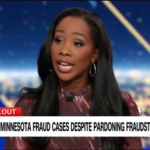
CNN’s coverage also described Shirley with labels such as “MAGA journalist,” “YouTuber with anti-immigrant history,” and “far-right influencer.” On-air panels criticized his tactics as “vigilante” reporting and suggested he was putting communities at risk. Abby Phillip said the Somali community was “under attack” because of Shirley’s reporting.
To Shirley’s supporters, the framing looked like a familiar move: downplay the allegations, spotlight the reporter, and shift the debate to motives.
Critics Say It Fits a Familiar Pattern From Major Outlets
The dispute has become part of a wider argument about how large news organizations handle stories that cut against political narratives. Critics say CNN and similar outlets often respond to uncomfortable reporting with distancing language, softer framing, or a focus on the person raising the claims.
The article points to Minnesota’s Feeding Our Future case, where more than $250 million in COVID relief funds were allegedly misused, with many defendants tied to the state’s Somali community, and dozens of indictments filed. In this view, coverage too often treated it as an isolated scandal, not a sign of deeper oversight problems under Governor Tim Walz.
Supporters of Shirley also compare this response to past media fights over stories like Hunter Biden’s laptop and reporting on border enforcement. They argue that major networks tend to tag independent reporters as “conspiracy theorists” or “MAGA extremists” to weaken the story before the facts get a full hearing.
They also say Shirley’s background as a prank creator and his public appearances are used to question his credibility, while the footage and public records he cites receive less attention.
Shirley’s backers say the video still mattered because it pushed officials to act in public. They point to frozen funds, federal attention, and official statements that investigations are active. The article also cites FBI Director Kash Patel, who said resources were surged “even before” the video went viral, while supporters argue the public pressure increased after Shirley’s reporting spread.
Online Backlash Grows Over Focus on the CNN Reporter
On social media, many commenters criticized CNN for scrutinizing Shirley more than the fraud claims. One widely shared post said CNN was “investigating the investigator instead of the fraudsters.” Others accused the network of protecting political allies, arguing that the story would have been treated differently if the targets were not tied to Democratic leadership.
The debate lands in a moment when trust in mainstream media remains low. Many viewers say they are tired of coverage that feels shaped by talking points, whether on inflation, crime, immigration, or government spending. Critics argue that when a network spends more time attacking a young reporter than verifying whether funded sites are operating, it damages credibility.
One X user summarized the sentiment this way: “Nick Shirley did in one day what CNN couldn’t do in years: expose fraud. And their response? Call him names.”
Independent Journalism Keeps Growing
The Shirley-CNN clash also shows how much the media world has changed. Independent creators can publish long-form investigations, share documents, and reach massive audiences without a newsroom.
Shirley is described as a self-taught creator from Utah who moved from pranks into street reporting on protests, migration, and government spending. The article claims critics have tried to find personal scandals and failed. Shirley has responded to critics by saying, “They’re never going to get me.”
The piece places Shirley alongside figures like James O’Keefe as part of a growing group of citizen journalists who post direct footage and bypass traditional editorial filters. Their reach can rival or exceed cable news, and supporters say that is happening because many viewers want facts they can see for themselves.
In Minnesota, the core issue remains the same: whether child care programs meant to help families were used to siphon huge sums of public money. The article argues that the public wants thorough reporting on that question, not a fight over labels.
As one commenter put it: “The media isn’t the enemy of the people. But when they defend fraud over exposing it, they become complicit.”
The view count, more than 120 million on X, is offered as the clearest signal yet that many Americans now trust independent reporting more than legacy outlets.
Related News:
Pressure Builds for Tim Walz to Resign After Viral Video of Somali Daycare Fraud
Ilhan Oma’s Finances Under Fire Amid Minnesota’s Massive Fraud Scandal