
Politics
Shadows Over the Ballot Box: Election Integrity Fears Rise Ahead of 2026 Midterms

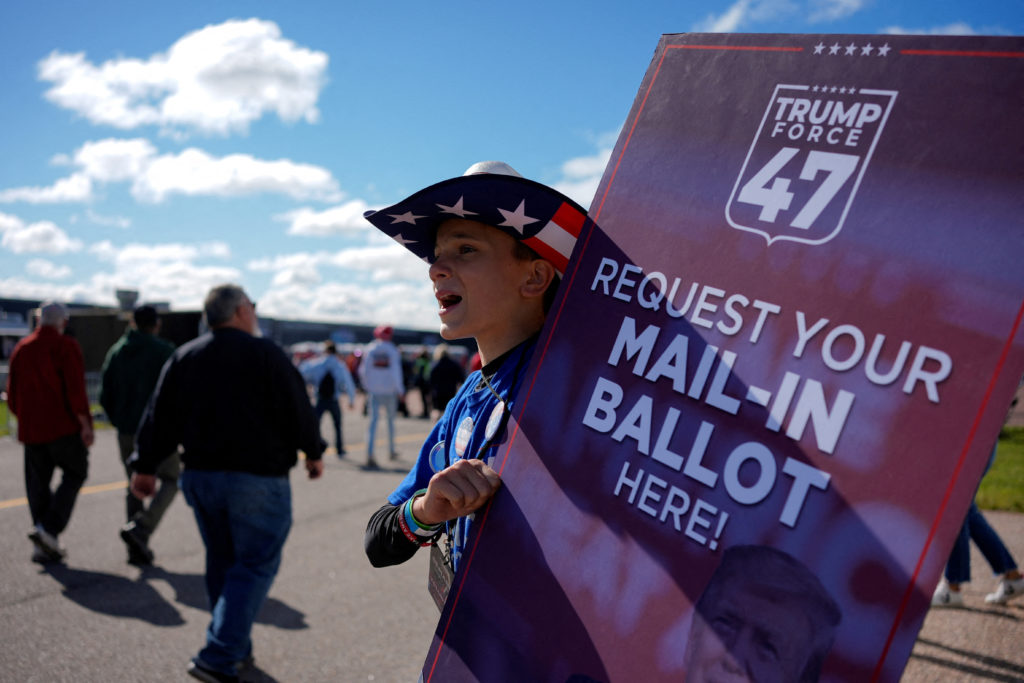
WASHINGTON, D.C. – As the last balloons from the 2024 presidential election are swept away and President Donald Trump settles into his second term, old anxieties are rushing back to center stage. The memory of past election fights hangs over Washington like a storm cloud.
With the 2026 midterm election less than a year away, talk of fraud, federal pressure, and voting machine problems has grown louder, pushing policy debates on tariffs, immigration, and the economy into the background. This time, many leaders say the stakes feel almost existential, not only for control of Congress, but for public confidence in American democracy itself.
On November 3, 2026, all 435 House seats and 35 Senate seats will be on the ballot. Republicans hold a narrow 219-213 edge in the House and a more comfortable 53-47 majority in the Senate. History tilts against the party in power. Since World War II, the president’s party has lost House seats in all but two midterm elections.
Researchers at the Brookings Institution and political scientists at LSE are already warning Republicans about major losses. Some models project a net loss of up to 28 House seats for the GOP, enough to hand Democrats the gavel and choke off much of Trump’s agenda. Underneath those forecasts sits a more troubling story, a growing wave of election integrity battles that could turn 2026 into a drawn-out legal and political fight.
From Trump’s muscular use of executive power to a new surge in voter ID laws and the ongoing suspicion aimed at Dominion voting machines, many experts see the 2026 cycle becoming less about policy and more about whether the election process itself can be trusted.
“We’re heading toward an election where trust is in short supply,” says Derek Tisler, counsel at the Brennan Center for Justice. “And the current administration keeps reaching for tools that chip away at it.”
Trump’s Shadow War: Federal Muscle on State Election Systems
No single figure looms over the 2026 midterms more than Trump. His return to the Oval Office has fueled a sweeping federal push against what the White House calls election weaknesses. In March 2025, Trump signed an executive order instructing Attorney General Pam Bondi to apply “election integrity laws” with far greater force. The order included demands for detailed voter roll data from at least 19 states.
The Justice Department’s Civil Rights Division, now led by longtime Trump ally Harmeet Dhillon, has followed through with a wave of subpoenas. The department has demanded registration records from Democratic strongholds such as California and New Jersey, pointing to supposed noncitizen voting. Courts and researchers have repeatedly rejected those claims as exaggerated or false, but the investigations continue.
Critics call the effort political pressure dressed up as oversight. Maine Secretary of State Shenna Bellows, a Democrat now running for governor, says the administration is targeting those who run elections instead of protecting the people who vote.
“The federal government is going after election officials, not guarding voters,” Bellows told Politico. “We know how to run secure elections, but that works only if states stay in charge.”
Her warning mirrors a broader concern among those on the front lines. A 2025 survey from the Brennan Center reported that 59% of local election officials fear political interference. About 21% said they are unlikely to stay in their jobs through 2026 because of threats, stress, or plans to leave.
New appointees in key posts have deepened those worries. Heather Honey, a Pennsylvania activist who spread false claims of fraud after the 2020 election, is now deputy assistant secretary for election integrity at the Department of Homeland Security. Marci McCarthy, the former DeKalb County, Georgia, GOP chair who filed suit over alleged voting machine problems, now serves as a spokesperson for CISA, the cybersecurity agency once seen as a firewall against foreign election meddling.
Axios reported in June 2025 that about one-third of the U.S. cyber workforce has left federal service since Trump returned to office. That loss of talent has hollowed out defenses just as Russian and Chinese hackers probe for fresh vulnerabilities.
Trump’s decision to pardon Rudy Giuliani and other 2020 election deniers also sends a strong signal. Many analysts read it as a green light for those same figures to move into roles as poll watchers and election challengers in 2026.
In October 2025, DOJ observers appeared at special elections in California and New Jersey. Governor Gavin Newsom blasted the move as a “preview of 2026,” calling it a trial run for efforts to contest Democratic wins in newly drawn districts, including those reshaped under California’s Proposition 50.
Samantha Tarazi of the Voting Rights Lab warns that the country could face what she calls a full-scale federal effort to control the process, from overhauling citizenship databases to positioning National Guard units in precincts labeled as “disputed.” Minnesota Secretary of State Steve Simon compares the level of preparation needed for emergency planning for a major hurricane.
Supporters of the administration’s approach tell a different story. White House spokesman Harrison Fields calls the steps “commonsense safeguards” that strengthen confidence. Yet Trump’s August 2025 promise to “end mail-in ballots” through executive action, blocked so far by the courts, blurs the line between protection and suppression.
One Republican strategist, speaking anonymously to CNN, put it this way: “This is about winning, not whining, but voters might turn on us if the whole thing looks like sour grapes.”
Voter ID’s Big Moment: Security Measure or Turnout Trap?
While the federal government escalates its actions, many states are tightening voter ID rules that could shape who actually casts a ballot in 2026. By August 2025, 36 states had some form of voter ID requirement for in-person voting, up from 28 in 2020.
Since then, eight states have passed new laws: Arkansas, Idaho, Missouri, Montana, Nebraska, North Carolina, Ohio, and Wyoming. Together, those changes affect about 29 million adults. The impact will be felt especially in battleground states such as North Carolina, where a 2023 law requiring photo ID took effect in 2024.
Supporters celebrate these measures as common-sense guardrails against fraud. “Clean voter rolls and basic safeguards are key to fair elections,” Dhillon said in a statement in July 2025. Louisiana passed a 2024 law that took effect in January 2025 and now requires proof of citizenship documents to complete state registration forms, a standard that lawmakers in 47 other states echoed in bills introduced in 2025. Nebraska’s LB 514 law forces mail-in voters who lack a state ID to send in copies of photo identification, a step that can be hard for older and rural voters.
The evidence of large-scale fraud remains thin. A June 2024 Brennan Center report estimated that about 21.3 million eligible voters, or 9%, lack easy access to citizenship documents. The study found that these burdens fall more heavily on voters of color and low-income communities.
Scholars at Harvard calculated that the cost of gathering the paperwork often exceeds $12 per person, roughly the same as the poll tax banned by the 24th Amendment and civil rights laws in the 1960s.
At the same time, recent elections complicate the narrative. In 2024, Kamala Harris carried six states that require voter ID, undercutting blanket claims that such laws always favor Republicans. Reuters fact checks have pointed out that ID rules can cut both ways, depending on how they are written and enforced.
Looking ahead to 2026, the federal SAVE Act hangs in the background. The House passed the bill in July 2024, but it stalled in the Senate. The proposal would require Real ID-level proof of citizenship for voter registration in federal elections. With Trump’s Justice Department carrying out its own citizenship checks and investigations, Democrats warn of what Tarazi calls a “death by a thousand cuts” approach that slowly narrows the electorate.
Mindy Romero of USC says the impact of these laws goes beyond who has an ID card. She points to longer lines at polling places, more provisional ballots that may not be counted, and lower turnout in busy urban precincts. Even small shifts in participation could decide tight races, from a Pennsylvania Senate contest to close House districts in Virginia.
Yet not all the data cuts against these laws. In North Carolina, the photo ID requirement survived court challenges and now appears to have boosted Republican votes in lower-turnout elections, according to figures compiled by NCSL. And with about 98% of votes in 2024 backed by paper records, proponents say ID rules paired with audits can strengthen confidence among skeptical voters.
Dominion’s Ghost: Machines, Myths, and a High-Profile Makeover
No brand name in voting technology stirs more emotion than Dominion Voting Systems. The company, founded in Canada, provided machines in 27 states in 2024 and counted billions of ballots without any confirmed evidence of fraud. Even so, false claims from 2020 that Dominion machines “flipped” votes from Trump to Biden have lived on in political circles and online.
Those conspiracy theories carried a real price. In 2023, Fox News agreed to pay Dominion $787 million to settle a defamation suit over false statements about the company. Newsmax followed in August 2025, settling for $67 million.
The story took a new turn in October 2025, when Dominion was sold to Liberty Vote, a company led by former Missouri Republican official Scott Leiendecker of KnowInk. Liberty has promised a “top-to-bottom review” of existing equipment and pledged to “rebuild or retire” any hardware seen as vulnerable before the midterms.
In Colorado, where Dominion is headquartered and serves 60 counties, several local officials welcomed the change. Boulder County Clerk Molly Fitzpatrick called the sale an opportunity to reset public perception. “These are the same machines, but people may feel different with a new company name,” she said.
Doubts remain strong in other places. Georgia has continued to use Dominion machines that have not received full software updates since 2023, when researcher J. Alex Halderman showed in court filings how someone with access could alter votes using tools as simple as a USB drive. Secretary of State Brad Raffensperger has dismissed those scenarios as “theoretical,” but the real-world breach in Coffee County in 2021, where Trump allies gained unauthorized access to voting systems, showed that physical security can fail.
Michigan had its own headache in October 2024. A glitch with the VAT system there forced voters who chose a straight-party ticket to manually re-select certain candidates. The issue did not alter vote totals, but the confusing experience fueled viral rumors of “vote switching,” even after officials explained that the problem involved the ballot interface, not the count.
Elon Musk and a wave of MAGA-aligned influencers intensified those worries on X, calling for state officials to ditch Dominion and similar systems outright. They pushed those demands even though about 98% of ballots now generate a paper record that independent audits can review. In Puerto Rico, reports of machine problems sparked a formal review of contracts with voting vendors.
For 2026, Liberty Vote’s leadership and Republican roots create a complicated picture. Some conservatives say it helps them trust the machines more. Many Democrats argue the opposite and see the sale as a partisan takeover. As one NPR analysis put it, marketing changes cannot erase conspiracy theories when layers of audits have already confirmed accurate results.
Midterm Outlook: House on a Knife Edge, Senate Less Likely to Flip
Early forecasts lean toward a Democratic gain. A November 2025 YouGov poll gave Democrats a 46% to 40% lead on the generic House ballot, with 41% of respondents saying they expect Democrats to win a House majority. Economic models published by The Conversation project that slowing growth, which many voters blame on Republican policy, could cost the GOP about 28 House seats.
Political scientists Tien and Lewis-Beck at LSE reach similar conclusions. Their work ties expected Republican losses to Trump’s job approval numbers, which have dipped below 45% in most national surveys.
The Senate map looks more stubborn. Democrats defend seats in Maine and North Carolina, while Republicans are on defense in Iowa and Texas. Even a strong Democratic wave might only be enough to shift a seat or two. Simulations from Race to the WH suggest Democrats could flip the House with three or four tight wins, while the Senate likely ends in a narrow split, with either party holding a slim edge.
Plenty of wildcards could scramble these predictions. Government shutdowns, new abortion battles, or a foreign crisis could change turnout patterns and voter mood in a hurry. Redistricting lawsuits in states such as Texas and Ohio, flagged by Brookings analysts, may alter the map yet again. Trump’s comments about using the military at the border and in domestic protests hang in the background as well.
Protecting the Vote: A Shared Responsibility, Whether Washington Acts or Not
Election threats now come from many directions, from bomb threats to deepfake videos to organized harassment of poll workers. Some states have not waited for Washington to act. Colorado has made risk-limiting audits standard practice, following a model laid out in a joint Brennan Center and R Street report. These audits check a sample of ballots against machine counts to confirm accuracy.
The Election Assistance Commission’s budget for fiscal year 2026 shifts more money toward transparency tools and public-facing information, though it does not include new, large grants to states. Advocates across party lines say that is not enough.
Former Philadelphia City Commissioner Al Schmidt, a Republican, has pushed for more consistent funding and training. “If officials put in the work now, they avoid disaster later,” he says. “Waiting until something breaks is a bad plan.”
With Trump’s political machine in full swing and partisan suspicion running hot, the 2026 midterms will test how much stress the system can handle. The country heard nonstop claims in 2020 that it had just held the “most secure election” in history. The coming cycle will show whether that level of confidence can hold, or whether new fights over rules, machines, and federal power break it apart again.
As Tisler puts it, “Voters will forgive leaders who prepare. They won’t forgive leaders who freeze.” In a capital already bracing for the next storm, that may be the only outcome both parties truly fear.
Related News:
Far Left Socialist Democrats Have Taken Control of the Entire Party
Politics
Silence on Capitol Hill: ActBlue CEO Invokes Fifth Amendment 22 Times Before House Committee

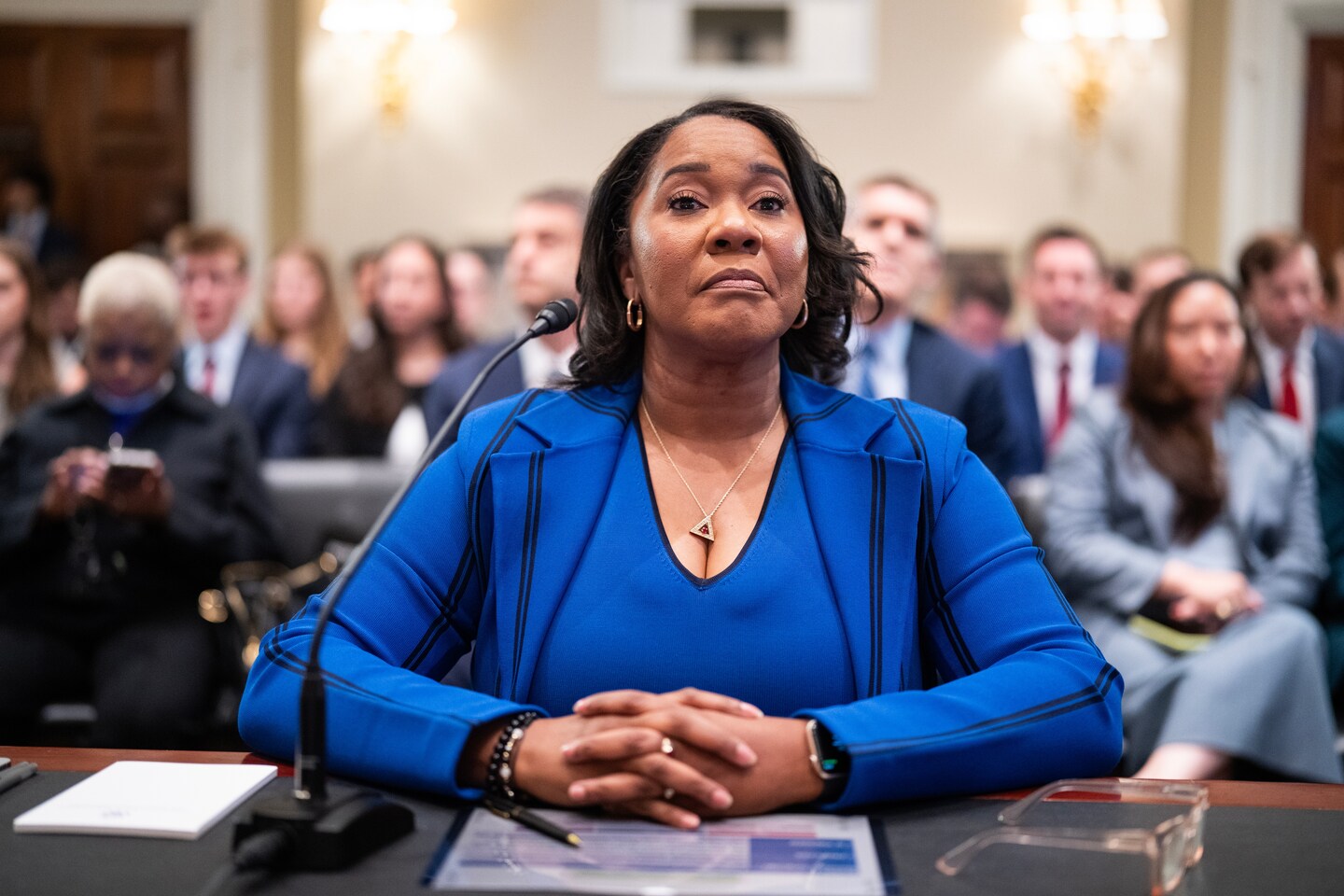
WASHINGTON D.C. – Capitol Hill witnessed a stunning political showdown last Wednesday morning. The House Administration Committee gathered to investigate serious campaign finance allegations against the nation’s largest Democratic fundraising platform.
The atmosphere in the hearing room turned completely silent within minutes. ActBlue Chief Executive Officer Regina Wallace-Jones refused to answer any substantive questions from lawmakers.
Key Takeaways
- ActBlue CEO Regina Wallace-Jones invoked her Fifth Amendment rights 22 times during a high-stakes congressional hearing.
- The investigation centers on whether the fundraising platform misled Congress regarding its vetting processes for foreign political donations.
- Legal documents from outside counsel revealed internal warnings that the platform might have provided inaccurate information to investigators.
The highly anticipated public hearing reached a tense standstill almost immediately. Wallace-Jones sat before the committee under a formal congressional subpoena. She refused to answer twenty-two consecutive questions from Republican lawmakers.
Her silent resistance created an extraordinary moment of tension on the house floor. Lawmakers pressed for answers regarding systemic campaign finance violations. According to reports from Campaigns & Elections, every single question met the same legal response.
Even Simple Questions Met Strict Legal Resistance
The refusal to testify extended far beyond complex financial mechanisms. Committee members attempted to establish basic biographical facts for the official record. They quickly realized that no information would be shared willingly.
Representative Barry Loudermilk of Georgia asked the witness a very basic question. He inquired whether she preferred the name Ms. Jones or Ms. Wallace-Jones. The Chief Executive calmly repeated her refusal to answer.
The ongoing congressional investigation focuses heavily on how the platform handles online contributions. Republican lawmakers have spent over a year tracking small-dollar donation patterns. They suspect significant gaps exist in the current security framework.
The primary concern involves the potential influx of illegal foreign cash into American elections. Federal law strictly prohibits non-citizens from donating to domestic political campaigns. Critics argue that the current digital verification rules are far too weak.
Committee members expressed deep concern over unverified donor profiles on the platform. Investigators are tracking millions of individual transactions from recent election cycles. They want to know if bad actors are exploiting the platform.
Some lawmakers believe automated systems are being used to layer illegal campaign contributions. This process can make large donations look like thousands of tiny donations. The scale of the platform makes tracking these transactions difficult.
The Internal Memo That Triggered the Investigation
The current political firestorm intensified rapidly following a major media disclosure. A bombshell report published by the New York Times exposed critical internal documents. These legal documents originated from the prominent law firm Covington & Burling.
The law firm previously provided outside legal counsel to the fundraising platform. The leaked memos contained explicit warnings directed straight to executive leadership. Lawyers warned Wallace-Jones that she might have actively misled congressional investigators.
The legal dispute traces back to an official letter sent to Congress in 2023. In that document, Wallace-Jones outlined the platform’s fraud prevention procedures. She assured committee members that strict donor verification models were fully active.
The internal legal memos suggested those statements did not match operational reality. Outside attorneys realized that the stated verification steps were not consistently followed. This discrepancy triggered immediate accusations of lying to a congressional committee.
The 2023 correspondence detailed three specific steps to block illicit foreign funds. First, the platform claimed to flag any donor utilizing a foreign address. This initial filter was supposed to trigger an immediate secondary review.
Second, flagged donors were required to submit valid United States passport information. This documentation provided proof of citizenship or permanent residency status. Staff members were instructed to review these documents manually.
The Reality of Inconsistent Verification Protocols
The third step required the immediate rejection of unverified funds. If a donor failed to provide a passport, the platform promised a refund. This system sounded robust to investigators reading the initial letter.
However, the committee discovered evidence that these protocols often failed. The platform frequently accepted contributions without enforcing the mandatory passport checks. This operational failure left the door open for untraceable international funds.
House Administration Committee Chairman Bryan Steil of Wisconsin led the questioning. He spoke firmly about the critical importance of secure election systems. Steil emphasized that only American citizens should influence domestic election outcomes.
The Chairman summarized the three primary legal violations under investigation. He noted concerns regarding illegal foreign donations, misleading Congress, and withholding documents. Steil explicitly stated that all three actions constitute serious federal offenses.
Wallace-Jones did not wait for the hearing to explain her strategy. She published a detailed opinion essay in the Washington Post that morning. The essay explained her decision to utilize constitutional protections against self-incrimination.
She described the hearing as an illegitimate attempt to build a criminal case. The Chief Executive argued that cooperating would allow her words to be misused. As noted by Quartz, she viewed the entire proceeding as political harassment.
Constitutional Rights and the Question of Legal Guilt
The decision to remain silent carries significant political weight on Capitol Hill. In her public statement, Wallace-Jones defended her use of the Fifth Amendment. She stated that invoking the right is not an admission of guilt.
She framed the decision as a necessary shield against a partisan attack. Her legal team advised her that the committee room was unsafe for open testimony. They chose a strategy of total non-cooperation to protect their client.
Democratic committee members quickly rushed to defend the silent chief executive. They vocally dismissed the entire hearing as a coordinated partisan witch hunt. They argued that Republicans were weaponizing their oversight powers for electoral gain.
Ranking Member Joe Morelle of New York led the counterattack for the Democrats. He claimed that the investigation deliberately ignored similar issues on the conservative side. Morelle accused the majority party of ignoring standard legislative fairness.
Democratic lawmakers repeatedly shifted the focus toward a rival fundraising platform. They demanded that the committee investigate WinRed, the primary Republican donation processor. Democrats claim that WinRed utilizes similar small-dollar fundraising methods.
They alleged that the conservative platform also faces consumer fraud complaints. According to reports from NOTUS, Democrats vowed to launch their own investigations next year. They plan to target conservative platforms if they regain the House majority.
The Broader Legislative Fallout for Campaign Reform
The intense fighting in the committee room threatens future legislative progress. Congress had been working on a bipartisan package for campaign finance reform. Four separate bills were recently moving through the House Administration Committee.
These bills aimed to modernize security rules for digital political donations. One key proposal required credit card verification codes for all online contributions. This simple change enjoys widespread support among voters from both major parties.
A major point of legislative friction involves the de minimis reporting exemption. Under current federal guidelines, campaigns do not itemize small donations under two hundred dollars. Platforms are not required to report specific employer data for these micro-donations.
The proposed Campaign Finance Transparency Act seeks to eliminate this historical exemption. The bill would require detailed itemization for every single political donation. Some conservative legal experts argue this change would overwhelm regulatory agencies.
The platform under investigation serves as the primary financial engine for progressive causes. Founded in 2004, it transformed how modern political campaigns raise money. It allows millions of individuals to contribute directly via digital devices.
The financial scale of the operation is truly massive. The organization reported raising nearly 1.8 billion dollars during the 2025 cycle alone. A prolonged legal battle could significantly disrupt the flow of progressive campaign cash.
Multi-State Legal Battles Create Additional Pressures
The congressional inquiry is not the only legal challenge facing the platform. Several state attorneys general have launched independent investigations into these fundraising practices. Texas Attorney General Ken Paxton has been particularly aggressive in his legal pursuit.
Paxton filed a major lawsuit accusing the platform of deceptive donation processes. In response, the fundraising group filed a federal countersuit in Massachusetts. They are attempting to block the Texas investigation on constitutional grounds.
The ongoing clash highlights a rapidly changing environment for digital political speech. Political observers believe these investigations could change how campaigns raise money. Platforms may be forced to adopt expensive identity verification technologies.
Some Democratic campaigns are already starting to diversify their fundraising methods. They want to minimize risks if the primary platform faces operational disruptions. The era of frictionless online political giving may be coming to an end.
The refusal to testify has left many critical questions completely unanswered. Committee staff members are currently reviewing their remaining legal options. They could vote to hold the chief executive in contempt of Congress.
Such a move would escalate the battle into the federal court system. Legal experts predict a long fight over the boundaries of executive privilege. Meanwhile, the public debate over foreign influence in American elections continues to grow.
The legal implications of this hearing are explored in this detailed breakdown of the congressional testimony, which provides context on the specific questions that Wallace-Jones declined to answer.
Trending News:
Virginia Attorney General Jay Jones’s Fails to Restore Congressional Map
Ilhan Omar’s Husband Dissolves California Winery Amid Congressional Probe

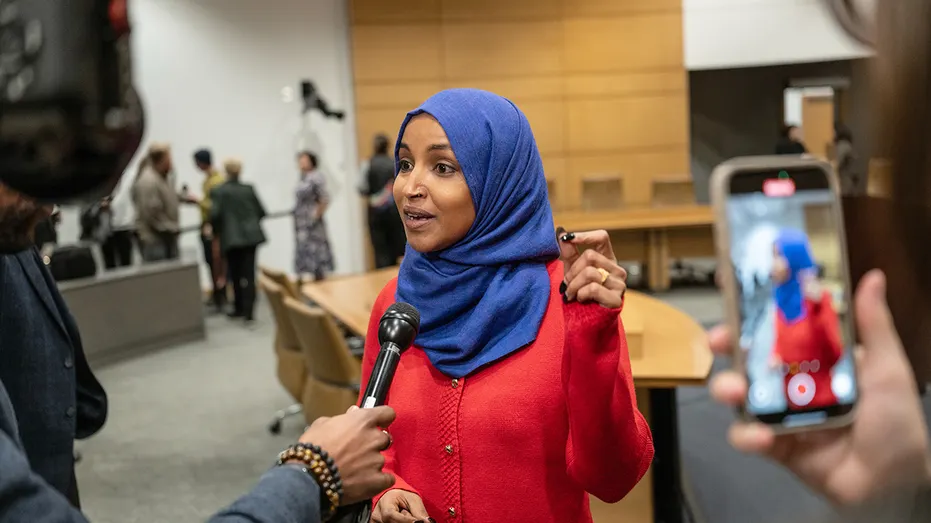
WASHINGTON, D.C. – A tense public confrontation has spilled over into the halls of Congress this week. Representative Ilhan Omar of Minnesota has publicly attacked comedian Jerry Seinfeld for his recent comments regarding the Israeli-Palestinian conflict. The exchange began after Seinfeld was filmed responding to an activist who asked him to speak on the status of Palestine.
Seinfeld, who was leaving an NBA Finals game in New York, dismissed the activist’s prompt by stating, “It doesn’t exist.” This brief interaction quickly went viral, drawing sharp condemnation from Representative Omar when she was asked for her thoughts on Capitol Hill. Omar did not hold back, labeling the comedian a “horrific human being” for his remarks.
Key Takeaways
- Representative Ilhan Omar criticized comedian Jerry Seinfeld for saying “Palestine doesn’t exist” during a recent interaction with an activist.
- Omar described Seinfeld’s comments as “genocidal” and argued that his language contributes to the erasure of Palestinian history and identity.
- The conflict highlights the ongoing, deeply polarized debate in American politics regarding the Israeli-Palestinian conflict and the rhetoric used by public figures.
The initial incident occurred outside Madison Square Garden following a New York Knicks victory. A social media activist approached Seinfeld, attempting to elicit a comment on the situation in Gaza. When pressed to declare “Free Palestine,” the comedian replied with a blunt dismissal of the region’s statehood.
This video reached Representative Omar, who has long been a vocal advocate for Palestinian rights and a critic of Israeli government policies. Speaking to reporters from TMZ, Omar described Seinfeld’s words as “disgusting” and “disturbing.” She argued that such language is dangerous because it ignores the lived reality of Palestinians.
Omar further expressed frustration that a member of a community that historically suffered from the Holocaust would use what she termed “genocidal language” against another group. Her comments have sparked a new wave of debate across social media platforms. Critics and supporters of both figures are now digging into their past statements to bolster their own political arguments.
A History of Tense Rhetoric
Representative Omar is no stranger to controversy regarding her statements on Israel and the Jewish community. Throughout her time in office, she has frequently faced backlash for remarks that many critics view as antisemitic tropes. Supporters, however, argue that she is simply holding a powerful ally to account for its treatment of Palestinians.
The American Center for Law and Justice (ACLJ) recently reported on the incident, framing Omar’s response as an “unhinged” attack on the comedian. The organization highlighted past instances where Omar suggested that U.S. support for Israel was driven by financial interests. They argue that her latest comments about Seinfeld reflect a persistent and problematic pattern in her political discourse.
This latest feud underscores the volatility surrounding the Middle East crisis in American public life. When celebrities and politicians clash on these sensitive topics, the conversation often shifts away from policy and toward personal character attacks. As the rhetoric continues to heat up, it remains unclear if any productive dialogue can emerge from such polarized exchanges.
The Broader Impact on Public Discourse
The speed at which these comments traveled from a New York sidewalk to the steps of the Capitol shows the power of digital media. One short, unscripted interaction can trigger a nationwide debate involving high-profile political figures within hours. This dynamic leaves little room for nuance, often forcing individuals to take rigid sides on complex geopolitical issues.
As the political climate remains intense, observers expect more clashes between public figures on both sides of the aisle. For now, the exchange between the Minnesota congresswoman and the legendary comedian remains a stark reminder of the deep divisions currently defining American culture. The public is left watching as these figures continue to trade sharp words, with no sign of a cooling-off period in sight.
Trending News:
Ilhan Omar Seeks Another Term as Minnesota Fraud Probe Deepens
Ilhan Omar Under New Investigation For Immigration Fraud
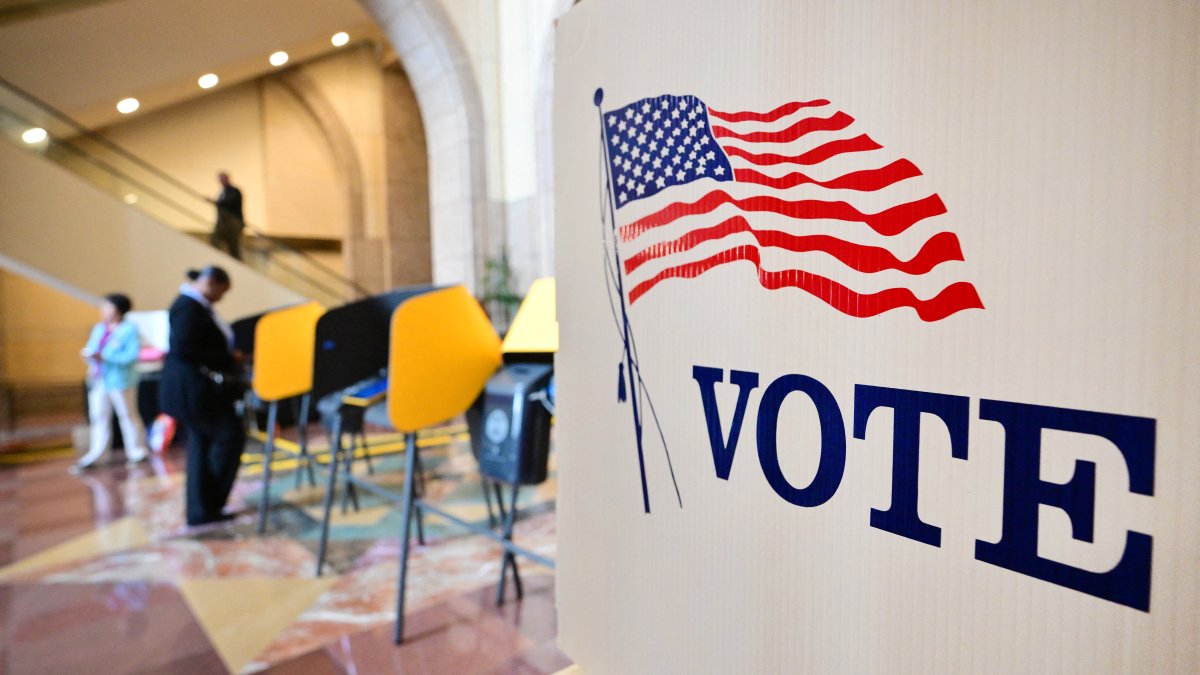
LOS ANGELES, California – Federal investigators have officially launched a wide-reaching probe into the recent California primaries amid growing public concern. Surprisingly, a rising number of California voters are siding with Donald Trump and Elon Musk over possible election fraud. As debates heat up, vocal critics are pointing to specific state election laws that they believe invite serious foul play.
Key Takeaways:
- Federal authorities are actively investigating the California primaries due to widespread allegations of voting irregularities and potential fraud.
- High-profile figures like Donald Trump and Elon Musk are gaining significant local support for their criticisms of the voting system.
- Reality TV star Spencer Pratt has publicly joined the debate, drawing more mainstream attention to the state’s election security issues.
- Critics strongly argue that universal mail-in ballots and legalized ballot harvesting create massive vulnerabilities in the democratic process.
The Federal Probe Brings New Scrutiny
The political landscape in California is facing an unexpected earthquake this week as federal investigators step into the state. They have announced a formal probe into the state’s recent primary elections to examine how votes were collected and counted. Many residents are shocked by the news, while others feel that this major federal action is long overdue.
For years, state officials have proudly defended their election methods as safe, secure, and highly effective for everyday citizens. However, the sheer scale of this new investigation suggests that federal authorities have found credible reasons to look closer. The primary focus of the probe involves the handling of millions of paper ballots across several large metropolitan counties.
Investigators are currently requesting documents, voter rolls, and internal communication records from local election officials across the entire state. This deep dive comes after months of mounting public pressure from unhappy voters who reported various unusual voting irregularities. Citizens have flooded hotlines with reports of receiving multiple ballots or spotting suspicious activities at local ballot drop boxes.
Trump and Musk Rally the Golden State
Donald Trump has long been a highly vocal critic of how California manages and runs its massive statewide elections. Recently, he has doubled down on his claims that the state’s voting system is deeply flawed and vulnerable to cheating. Interestingly, his conservative message is now resonating with a much larger group of everyday Californians than ever before.
Tech billionaire Elon Musk has also amplified these same concerns to his massive online audience over the past year. Musk frequently uses his popular social media platform to question the security and basic logic of modern voting practices. When Musk moved his business operations to Texas, he cited many deep frustrations with California’s broad state policies.
Now, his sharp critiques of the election system are directly validating the lingering fears of many local state voters. Both Trump and Musk argue that without strict voter ID laws, the current system is essentially built on blind trust. They firmly believe that this severe lack of tight security makes large-scale fraud highly probable during important national elections.
Reality TV Star Spencer Pratt Speaks Out
The fierce debate over election security is not just limited to seasoned politicians and wealthy tech billionaires anymore. Reality television star Spencer Pratt has surprisingly stepped into the political spotlight to voice his own serious security concerns. Known for his candid opinions, Pratt has taken to social media to directly discuss the election with his followers.
He recently shared frustrating stories with his audience about the highly confusing nature of voting in Los Angeles County. Pratt pointed out that many people he personally knows have received mail-in ballots for people who moved away long ago. His comments quickly went viral online, striking a deep chord with thousands of frustrated voters across the entire state.
By speaking out publicly, Pratt has brought the complex issue of election integrity to a younger, pop-culture-focused audience. His sudden involvement shows just how deeply this specific issue has penetrated everyday California culture and regular daily conversations. People who usually ignore political news are now paying very close attention to the details of the ongoing federal probe.
The Core Issue of Universal Mail-In Ballots
To fully understand why critics are so upset, we must look closely at how the state currently conducts its elections. California is one of the few states that automatically mails a live ballot to every single registered active voter. While this broad policy was designed to increase voter turnout, critics strongly argue it creates a massive security nightmare.
Millions of pieces of official election mail are sent out, and many land at outdated or completely incorrect home addresses. When loose ballots pile up at old apartment buildings or empty houses, they can be easily intercepted by bad actors. Critics consistently point out that the current signature verification process is simply not strong enough to catch sophisticated fraud.
Election workers are forced to process millions of envelopes in a very short and highly stressful amount of time. This rushed environment naturally leads to human mistakes, and many fear that fraudulent votes are easily slipping through the cracks. The entire system relies heavily on the local postal service, which adds another layer of potential error and mail delay. For more information on varying voting rules, you can visit the National Conference of State Legislatures.
How Ballot Harvesting Changes the Game
Another major point of contention in the current federal probe is the highly controversial practice officially known as ballot harvesting. In California, it is completely legal for a designated third party to collect and submit ballots on behalf of voters. This means political operatives, union members, or organized campaign workers can legally gather hundreds of ballots and drop them off.
Supporters loudly claim this helps elderly or disabled voters, but critics strongly argue it is a dangerous recipe for disaster. When a partisan campaign worker collects a ballot, the secure chain of custody is immediately and completely broken forever. There is absolutely no reliable way to ensure that the voter was not secretly pressured into voting a certain way.
Furthermore, critics worry that partisan harvesters might conveniently “lose” collected ballots from neighborhoods that heavily support their political opponents. Trump and Musk have both repeatedly highlighted ballot harvesting as the most dangerous fundamental flaw in the entire system. They argue that as long as this practice remains completely legal, true election security will remain an impossible dream.
A System Allegedly Set Up for Fraud
Many concerned citizens genuinely believe that these combined policies essentially design a system perfectly suited for massive election fraud. When you mix universal mail-in ballots with legalized ballot harvesting, the potential for systemic abuse naturally grows exponentially fast. Critics argue that the state has intentionally removed all the traditional safeguards that historically protect a fair and secret ballot.
For instance, without mandatory in-person voting and strict photo ID checks, it is very hard to accurately verify a voter’s identity. Furthermore, the state’s massive voter rolls are notoriously difficult for local county officials to keep completely clean and up to date. People regularly move away or pass away, yet their names often remain on the active mailing lists for several years.
This massive oversight creates a huge pool of floating ballots that can be easily exploited by highly organized political groups. Those siding with Trump and Musk feel that these are not accidental flaws, but rather intentional and highly calculated legal loopholes. They are loudly demanding a complete and total overhaul of the state’s voting laws to finally restore public trust.
What the Federal Investigators Are Looking For
The federal officials currently leading this major probe have a very clear and highly specific legal mandate to follow. As outlined by agencies like the Department of Justice, investigators are actively examining whether voting procedures violate federal civil rights laws. Investigators are reportedly looking into specific instances where massive batches of ballots were dropped off at very unusual hours.
They are also closely reviewing the internal software and counting machines used to process the massive influx of paper ballots. Here is a brief look at the specific areas federal investigators are likely targeting during this unprecedented statewide probe:
- Voter Roll Accuracy: Checking if deceased or relocated residents were successfully removed from the active state mailing lists.
- Chain of Custody: Reviewing the specific access logs at ballot drop boxes to ensure no unauthorized physical tampering occurred.
- Signature Verification: Auditing the exact methods election workers use to match envelope signatures with official state driver records.
- Harvesting Practices: Investigating political groups that collected large numbers of ballots to ensure no illegal voter intimidation took place.
If the federal probe uncovers clear evidence of coordinated fraud, it could directly lead to major federal criminal charges. It could also legally force the state to completely rewrite its election playbook before the next major national presidential race.
How Californians Are Reacting Today
The current mood on the streets of California is a volatile mix of high public anxiety and deep political division. Many loyal voters feel that the federal probe is nothing more than a coordinated partisan attack on their progressive state. They firmly believe the current system is perfectly fair and that the loud allegations of fraud are completely baseless and false.
On the other hand, the highly vocal group siding with Musk and Trump feels finally heard and properly validated. Local town hall meetings have quickly become highly emotional battlegrounds as passionate citizens openly debate the future of their elections. Even casual conversations at local coffee shops very often turn into heated discussions about strict ballot security and voter fraud.
The recent addition of celebrity voices like Spencer Pratt has only added more fuel to this already burning political fire. As the ongoing investigation moves forward, it is very clear that the state’s political climate will remain highly charged. The ultimate findings of this unprecedented federal probe will likely shape California’s election laws for many decades to come.
Trending News:
Federal Prosecutor Launches Fraud Probe into California Primary Elections
Gavin Newsom’s Alleged Plan to RIG the California Governor’s Election Exposed


The Switzerland Accord: US-Iran Deal Aims to Prevent Global Economic Collapse

Silence on Capitol Hill: ActBlue CEO Invokes Fifth Amendment 22 Times Before House Committee

Elon Musk’s Trillion-Dollar Fortune: The Real Story

Google News Bias Exposed in Left-Leaning Top Stories

Drinking in Pregnancy Is Rising in America, CDC Says

Robert Kennedy’s Health Agenda and the Future of America

Ilhan Omar Melts Down Over Jerry Seinfeld Over Palestinian Comments

Tulsi Gabbard Reveal Massive Global Biolab Network Linked to U.S. Funding

California Elections Expose the Mainstream Media Bias Over Election Integrity

Many California Voters Side With Trump and Musk Over Voter Fraud Claims

Jimmy Kimmel Slammed for “Vile” Melania Trump “Expectant Widow” Joke

President Trump Addresses Nation on War with Iran

Trump Warns NATO Allies: America Won’t Protect Slackers After Iran Clash

Senate Hearing on Fraud and Foreign Influence Turns Tense Over Minnesota Scandals

CNN Forced to Backtrack Its Reporting on Trump’s Iran Talks

Joe Rogan Slams Gavin Newsom for Mocking Nick Shirley

Mosque Set Ablaze in Iran a Citizens Revolt Against the Islamic Regime

AOC Accuses Jessie Watters of Fox News of Sexualizing and Harassing Her

JD Vance Exposes Walz’s Fraud and CNN’s Lies in White House Presser

Milestone Card Credit: How the Milestone MasterCard Can Transform Credit


-
 News3 months ago
Tim Walz Accused of “Enabling Fraud” By Minnesota State Lawmaker
-
 Entertainment3 months ago
Jimmy Kimmel Slammed for “Vile” Melania Trump “Expectant Widow” Joke
-
 News3 months ago
Ilhan Omar Refuses to Turn Over Documents to Minnesota Fraud Committee
-

 Business3 months ago
Jimmy Kimmel and ABC in the Crosshairs of An FCC Investigation
-
 Business3 months ago
Alex Jones Announces the Shutdown of Infowars Amid Billion-Dollar Legal Battles
-
 Crime3 months ago
FBI Raids Virginia State Senator Louise Lucas’s Office
-
 Crime3 months ago
Former FBI Director James Comey Indicted for Threatening Instagram Post
-

 Entertainment2 months ago
Stephen Colbert Has Meltdown On-Air in Final Broadcast on CBS