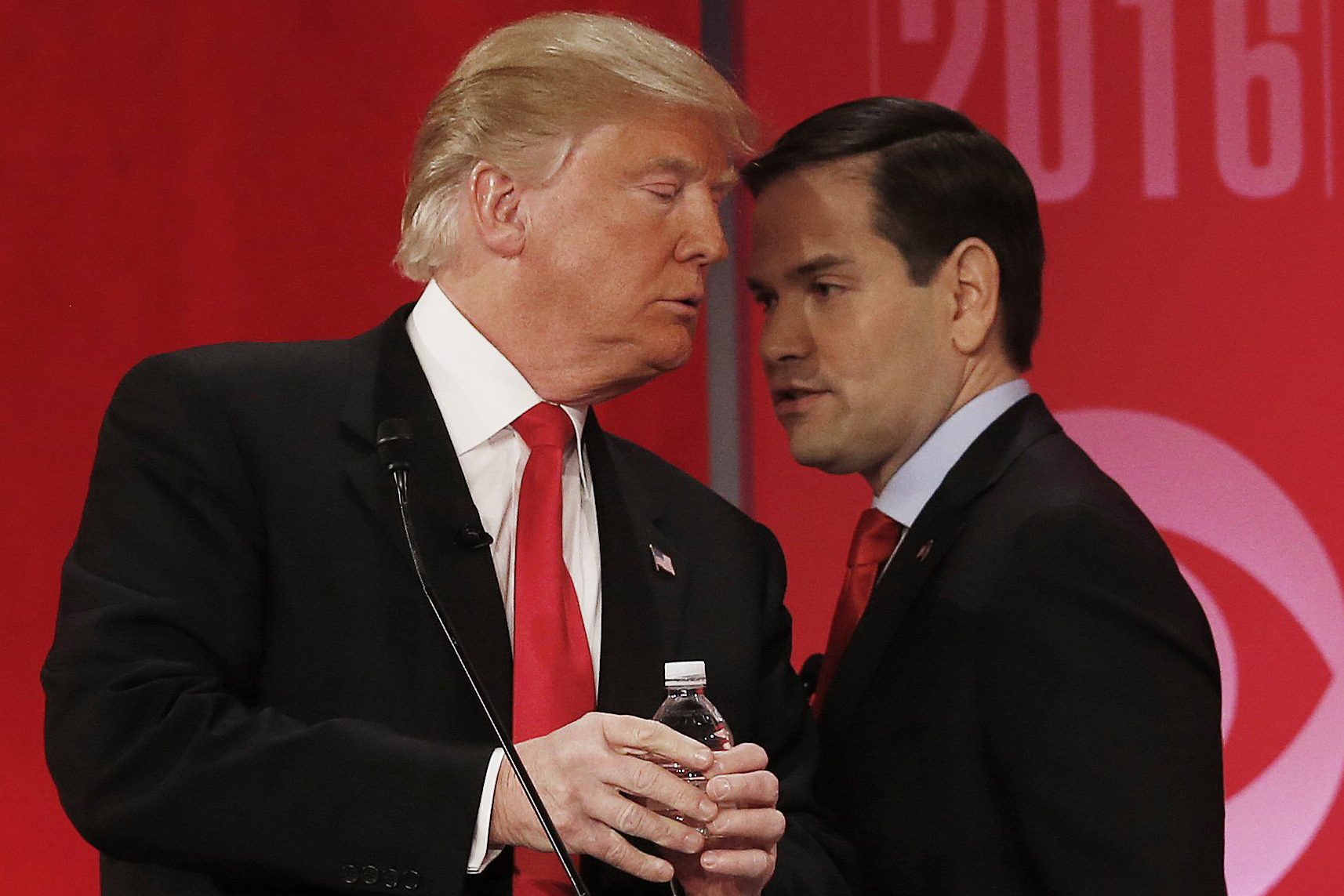


As the November 3, 2026, midterm election gets closer, President Donald Trump and Republicans are heading into a tough cycle. History usually works against the party in power, and Trump’s approval numbers and the economy add more pressure.
Republicans also have very little room for error in Congress, with a 218-214 edge in the House (with vacancies) and a 53-47 lead in the Senate. If Democrats pick up even a handful of House seats, they would likely take control.
That would mean divided government in the last two years of Trump’s second term, along with more investigations and a higher chance of gridlock.
Trump’s Approval Slips as Economic Worries Grow
Trump’s job approval sits in the low 40s. Recent polling, including Emerson College Polling, puts him at 43% approval and 51% disapproval among likely voters. That’s a familiar warning sign going into a midterm. Since 1946, the president’s party has lost House seats in 18 of the last 20 midterms. When a president stays under 50% approval, the ruling party almost always drops seats.
The economy is the biggest driver of voter frustration. Many polls show ongoing anger about the cost of living, grocery bills, health care, and insurance costs. Affordability keeps coming up as a top issue, and Democrats often rate better on it.
A Fox News poll, for example, showed Democrats leading by 14 points on helping the middle class and affordability. Trump promised early gains on prices, but many voters don’t feel relief yet. That perception appears to be weakening support, even among parts of the coalition that backed him in 2024.
The generic congressional ballot points the same way. Several surveys, including Fox News and Emerson, show Democrats ahead by about 4 to 6 points (one recent Fox result had Democrats at 52% and Republicans at 46%). Independents and women tend to lean Democratic, while men tilt Republican by a smaller margin.
Forecasts that blend past midterm swings, off-year results, and polling averages suggest Republicans are under 40% to keep the House. Some estimates project losses of 20 to 49 seats, which would be enough for Democrats to win a majority.
The Senate Gives Republicans a Narrower Path, but It’s Still Risky
Republicans have a slightly better outlook in the Senate, but it’s not comfortable. With 35 seats on the ballot (including special elections), Democrats would need to defend vulnerable open seats and flip at least four Republican-held seats to take control. That’s a high bar, even in a midterm year that often punishes the party in the White House.
Some betting markets put the GOP at about a 63% chance to hold the Senate, compared with much weaker odds in the House (around 22%). A few key states could decide the balance, including Virginia, Minnesota, and Texas, where open seats or close races could break either way.
Republicans still poll well on border security, immigration, and national security, sometimes by double digits. At the same time, immigration has become more complicated politically, with ongoing fights in Washington and signs of voter fatigue.
Several warning signs are stacking up. Analysts point to Republican losses in special elections, more GOP retirements, and a growing list of Democratic targets that has expanded to 44 House districts.
Reports of private polling have also raised alarms among top Republicans, with some concerns reaching beyond the House and into Senate contests. If Democrats win control of even one chamber, Trump’s agenda could slow to a crawl. Trump has also warned allies that losing the House could lead to more impeachment pushes.
Bill O’Reilly’s No-Spin Message: The Economy Could Decide It
Conservative commentator Bill O’Reilly, through his No Spin News platform, has been blunt about the GOP’s risks. In his segments and commentary, he has pushed Republicans to focus on real relief for health care costs, insurance premiums, and basic expenses like food and housing.
He argues that without visible moves to bring costs down, especially for health care and insurance, Republicans could face a major defeat.
O’Reilly has also said that if the economy stays “wobbly” and prices remain high, Democrats will have a clear opening. He has urged leaders such as House Speaker Mike Johnson and Senate Majority Leader John Thune to move concrete proposals, and he has promised tough coverage of Republican results in the months ahead.
In earlier forecasts, he described 2026 as a high-stakes fight, with Democrats and much of the media ready to frame the midterms as a last chance to weaken Trump. If Congress flips, Trump could be left with far less power for the rest of his term.
Even though O’Reilly remains supportive of Trump, his core point lines up with the polls: voters care most about day-to-day costs, and results matter more than messaging.
There are still nine months until voters go to the polls, and a lot can change. If people feel better about the economy, or if Republicans notch wins on border security, their outlook could improve. Major events overseas or at home could also reset the race.
Democrats have issues of their own. Some surveys show weak party favorability, and defending seats in a volatile year is never easy.
Still, history and current polling usually favor the out-of-power party in midterms. Without a sharp turnaround, 2026 looks set to bring divided government, changing the balance of power in Washington and shaping Trump’s final years in office.