
Politics
Pressure Builds on Omar and Walz Over Minnesota’s Sweeping Fraud Scandal


WASHINGTON, D.C. – As the year winds down, lawmakers on Capitol Hill are turning up the heat over Minnesota’s growing fraud scandal. Republican-led investigations are now focusing on Minnesota’s Democratic leadership after federal prosecutors described the case as one of the biggest welfare fraud schemes in US history.
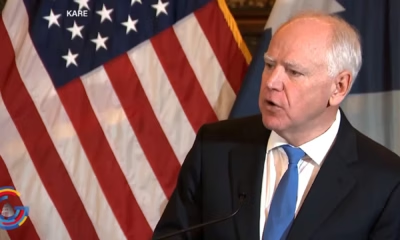
Governor Tim Walz and Representative Ilhan Omar sit near the center of the political fight. Both are facing questions about past ties to people accused of taking more than $1 billion, with some estimates suggesting even higher losses.
Prosecutors say the money came from taxpayer-funded programs meant to support child nutrition, autism therapy, and housing help during and after the COVID-19 pandemic.
The case, which largely involves members of Minnesota’s Somali community, has become a national flashpoint. Federal indictments now cover more than 90 people, with convictions increasing and loss estimates rising.
Whistleblowers and prosecutors claim weak oversight under Walz’s administration gave fraudulent nonprofits and shell businesses room to grow. They say some groups billed for services that never happened, while state officials moved slowly and worried about racial backlash.
Photos Add Fuel to the Political Fight
Newly surfaced photos from December 2025 pushed the story back into the spotlight. The images show convicted fraudster Abdul Dahir Ibrahim, a Somali immigrant with prior convictions in Canada for asylum and welfare fraud, appearing with both Walz and Omar at public events.
Ibrahim was ordered deported in 2004, but stayed in the US. Prosecutors tied him to the Feeding Our Future case, a scheme that authorities say stole more than $250 million from federal child nutrition programs.
Neither Walz nor Omar has been charged with wrongdoing. Still, critics, including President Trump, have used the photos to attack their judgment and oversight.
Trump has repeatedly targeted both, calling Omar “garbage” and Walz “grossly incompetent” in cabinet meetings and public remarks. He also made harsh comments about the Somali community, which drew sharp backlash for inflammatory language.
Omar has pushed back publicly. She has said she returned donations from people later tied to the fraud years ago. She also says she was among the first to raise concerns about possible misuse of the programs.
On CBS’s Face the Nation, she rejected claims of terrorism links, calling those allegations baseless and saying any such connection would reflect a “failure of the FBI.” Walz has said he welcomes federal scrutiny, while accusing Republicans of using the timing to score political points.
House Republicans Expand the Congressional Investigation
House Republicans, led by Oversight Committee Chairman James Comer (R-Ky.), opened a formal congressional investigation in early December. Comer demanded records from Walz and Minnesota Attorney General Keith Ellison.
The requests focus on why warning signs were missed, and whether any data was deleted to hide the scope of the alleged fraud. Comer has blamed the Walz administration for poor management and claims officials restarted payments to suspicious groups after pressure.
The inquiry has widened, and some Republicans want Walz to testify before Congress. A few Democrats have signaled that accountability matters, although most argue the current push is partisan. Senator Tommy Tuberville (R-Ala.) went further on the Senate floor.
He accused Walz and Omar of helping create conditions for the schemes and said they defended people involved. He also pointed to the conviction of one of Omar’s former staffers in a related fraud case.
Federal actions are also piling up. Treasury investigators are looking at whether any stolen funds moved overseas, including potential links to al-Shabaab. The Small Business Administration has paused some Minnesota funding. A new proposal, the WALZ Act from Rep. Mariannette Miller-Meeks (R-Iowa), would require reviews of programs that show sudden spending spikes, and it points directly to the Minnesota failures.
Omar Faces Rising Political Heat
The controversy has also put Omar’s political future in the spotlight. The fraud story has close ties to her district, which includes the largest Somali community in the country. Past claims about immigration and marriage fraud, which Omar has denied and which have not been proven in court, have resurfaced. Trump administration officials revived the issue, and border czar Tom Homan said reviews were underway into her naturalization process.
Some conservative figures, including Rep. Anthony D’Esposito (R-N.Y.), have called for Omar’s expulsion from Congress or even deportation. Legal experts say denaturalization requires proof of willful fraud in federal court, and no charges have been filed. Omar has called the claims “bigoted lies” and described Trump’s focus on her as a “creepy obsession.” She has said she plans to keep doing her job.
Supporters point to her early warnings about fraud risk and her returned donations as signs of good faith. Still, with the Minnesota fraud scandal dominating local headlines, political observers see possible pressure in future primaries or general elections. Republicans continue to paint Omar as a symbol of lax oversight.
What the Minnesota Scandal Means for Oversight and Immigration
The Minnesota case has exposed weak points in pandemic-era spending, where funds moved quickly, and guardrails often lagged. Omar has said in interviews that rushed programs created openings for fraud. Others point to a mix of issues, including slow bureaucracy, fear of being accused of racism, and challenges tied to integration.
Walz has said the failure happened on his watch. He has also promised stronger enforcement and tighter controls.
In Congress, the case is fueling calls for tougher oversight of federal aid programs. As investigations move forward, both parties face pressure to rebuild trust in social services. Republicans see an opening to tie Democrats to major losses. Defenders warn against blaming entire immigrant communities for the crimes of a smaller group.
As 2025 closes, the Feeding Our Future fallout continues. Indictments are still coming, and congressional hearings are likely ahead. The final impact could shape Minnesota politics and influence national debates on welfare, immigration, and accountability. Taxpayers are still waiting to see how much money can be recovered from what prosecutors have called an “industrial-scale” betrayal.
Related News:
Ilhan Omar Defends Pushing Legislation Tied to Minnesota Fraud
Walz Blames Trump for Minnesota Fraud Crisis, Touts New Integrity Push


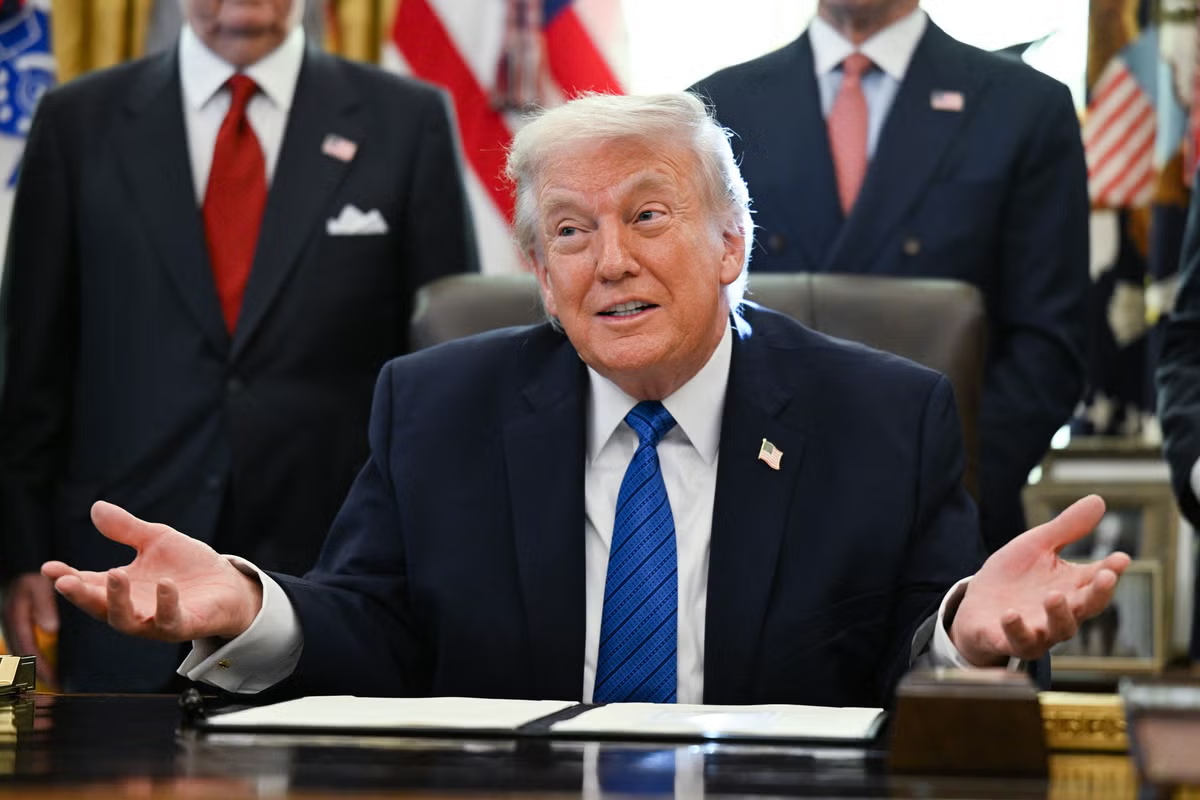
If you’re looking for a real-time Trump approval rating during his second term in February 2026, the quick answer is this: most fresh snapshots cluster around 41 to 42% approve, 52 to 55% disapprove, putting net approval at roughly minus 11 to minus 15.
That headline number won’t stay still for long. “Real time” approval ratings move whenever a new poll drops, so this post focuses on the latest polls from February 2026, then zooms out to show what the trend has looked like since early 2026.
You’ll also see why different trackers don’t match. Some polling averages pull from registered voters, some from likely voters, and some use online panels or app-based ratings, so it’s normal to spot a few points of spread between sources.
Approval matters because it shapes how much room a president has to push policy, keep the party aligned, and set the tone ahead of midterm fights. If you want the most current picture of voter sentiment, plus context for what’s changing and what’s noise, you’re in the right place.
The February 2026 real-time Trump approval rating, in plain English
“Real-time” approval is just a running read of how people say the president is doing right now, based on the newest polls and trackers that publish frequent updates. In early February 2026, the Trump approval rating story is pretty steady: approval sits in the low 40s in many trackers, disapproval sits in the mid-50s, and the gap between the two is negative.
Here’s a quick, easy-to-scan set of the newest toplines referenced in this post, plus what they suggest:
- ActiVote (Feb 1): 44.0% approve, 52.7% disapprove (net -8.7). That’s a clearer “underwater” number, but not the worst case. See ActiVote’s writeup, Trump’s approval takes a big hit.
- Silver Bulletin average (Feb 8): net about -13.7, a small uptick from roughly -14.6 the week before. This is an average, so it moves slower than any single poll. The running page is Trump approval rating latest polls.
- Pew Research (Jan 2026): 37% approve. Pew tends to be less “day to day” and more “big picture.”
- Feb 6 snapshot table (individual tracker reads): Economist 41/56, NYT 41/55, VoteHub 41.7/55. These point to the same basic pattern: approval around 41, disapproval around 55.
One quick caveat: as of Feb 8, some big brand polls with strong pollster ratings were not in the latest set of fresh releases used here, so the most reliable “real-time” view often comes from aggregates plus whatever high-frequency trackers have posted recently.
Quick snapshot: approve, disapprove, and net approval rating
These three terms show up everywhere, so here’s the plain-English version.
- Approve: the percent of people who say they approve of Trump’s job performance as president.
- Disapprove: the percent who say they disapprove of the job he’s doing.
- Net approval rating (net rating): the gap between the two. It’s approve minus disapprove. The net approval rating gives a quick sense of overall sentiment.
Simple math example: if a poll says 42% approve and 55% disapprove, then net approval rating is 42 - 55 = -13.
A net negative means more people disapprove than approve, like being down by 13 points on a scoreboard.
Why different trackers show slightly different numbers
If you check two real-time approval pages on the same day, it’s normal to see a spread of a few points. That doesn’t mean one is lying; it usually means they’re measuring slightly different things due to variations in methodology.
Here are the big reasons the numbers drift:
- Different poll dates: One tracker may include interviews from yesterday, another may still be averaging results from a week ago. Fast-moving news can shift results before every tracker catches up.
- Different samples: Some use adults, others use registered voters or likely voters. Online panels can look different from phone-based samples, even when both are well-run.
- Different question wording: “Do you approve of the way Trump is handling his job?” can get a different response than a question that names a specific issue (like the economy or immigration).
- Approval is not favorability: Approval is about job performance right now. Favorability is more like, “Do you like this person?” You can dislike a president and still approve of a decision, or like them and still think they’re doing a poor job.
- Rolling averages smooth the bumps: Many trackers are rolling averages, meaning they blend multiple polls across time. That’s helpful because it reduces wild daily swings, but it can also make the tracker look “slow” when public opinion shifts quickly.
Is Trump’s approval trending up or down in early 2026? What the shift looks like
If you’ve been watching the latest polls on the real-time Trump approval rating in early 2026, the direction is easier to describe than the magnitude. The numbers show a drop heading into January, then a flatter stretch, and now a small improvement this week in at least one major average (Silver Bulletin’s net moving from about -14.6 to -13.7). That’s movement, but it’s not automatically a “turnaround.”
The bigger tell is what’s happening on the disapproval side. When disapproval pushes into the mid-40s (around 46% at a recent high), the floor feels firmer. That tends to make presidential approval swings look dramatic, even when the underlying public mood is only drifting a little.
What counts as a real change versus normal poll noise
A lot of people treat a one-point move like a stock chart. Polling doesn’t work that way.
Most national polls come with a margin of error that often lands around plus or minus 3 points (it varies by poll, sample size, and method). That means if a poll shows Trump at 41% one week and 42% the next, those results can easily overlap due to statistical variation. In plain terms, a 1 to 2 point shift is often just the normal wobble you get when you ask a few thousand humans questions on different days.
Here’s a practical way to think about it:
- One poll, small change: treat it like background noise, especially if it is within a couple points.
- Same direction across multiple polls: that’s when it starts looking real.
- A shift that lasts several weeks: that’s the strongest sign you’re seeing a genuine trend rather than a blip.
Aggregates help because they smooth out odd samples and one-off “house effects.” That’s why a week-to-week move in polling averages, like Silver Bulletin’s roughly 0.9-point improvement in net approval, is best read as a nudge, not a headline by itself. If that improvement repeats across the next few updates, it becomes a story. If it snaps back next week, it was likely just normal churn.
One more tip: watch disapproval closely. When disapproval is already high (mid-40s and up), small swings in either direction can look like momentum, but the public may simply be re-sorting between “disapprove” and “not sure,” not flipping into approval.
How today compares with late 2025 and earlier benchmarks
The cleanest summary is: early 2026 looked weaker than late 2025, then stabilized.
Pew’s late January 2026 read had Trump at 37% approval, down from about 40% in fall 2025. That supports the idea that the start of 2026 brought a softer patch. Silver Bulletin’s average also reflects that dip, followed by the recent modest uptick to around -13.7 net.
ActiVote’s January 2026 pattern (as summarized in the tool data used for this post) reads as roughly in line with its second-half 2025 average, which fits the “leveling off” theme even if other sources show a sharper January drop. Different methods can disagree by a few points, so it’s smarter to compare direction across sources than to obsess over one exact number.
For longer-run context, historical data shows Trump’s approval is often discussed as averaging around the low-40s across his first term (many references put it near 41%, depending on the series). And on the “apples-to-apples” net comparison, Silver Bulletin’s early February net (about -13.7) is slightly worse than Biden’s net at a similar point (about -12.2), based on the same dataset.
If you want a single place that tracks side-by-side approval averages over time, Ballotpedia maintains a running comparison in Ballotpedia’s Polling Index.
Who approves and who disapproves: the groups that drive the national number
National approval is like a team average in baseball. A few players can hit .300, but if the rest of the lineup is slumping, the team stat still looks rough. That’s the basic story in most February 2026 reads: Trump’s approval holds strong inside the GOP, but it stays weak with Democrats and soft with independents, so the national number remains underwater.
Party split: why approval stays high with Republicans but weak elsewhere
Start with party ID, because it does most of the heavy lifting. In the latest set of reads referenced in this post, Republican approval sits very high, roughly 73% to 95% approve depending on the source and method (Pew on the lower end, ActiVote-style results on the high end). That range sounds wide, but the takeaway is consistent: Republicans are still largely unified behind the president.
Democrats are the mirror image. In the ActiVote-style breakdowns, Democratic and left-leaning groups show near-unanimous disapproval, with Democrats offering little room for positive movement. When one party is giving you three-quarters to near-total approval and the other, including Democrats, is giving you near-total disapproval, the national average turns into a math problem, not a mystery.
Independents and centrists are the swing piece, and they’re not propping up the topline right now. In the ActiVote-style readout highlighted earlier, centrists run about net -8 (approve minus disapprove). That’s not a collapse, but it’s negative, and negative is enough to keep the national number down when Democrats are strongly opposed. Republicans, by contrast, remain a reliable source of strength amid this divide.
This is party sorting in action. Many voters now experience politics through a party lens first, and issues second. That keeps approval sticky within the base, while making it hard to gain ground in the middle. Republicans stick with their leader through ups and downs, but if you want an example of how independent support can shift, YouGov’s writeup on independent support slipping shows why the “middle” gets so much attention in approval coverage.
Demographic patterns mentioned in recent reads, and what they suggest
Beyond party, the recent reads point to a familiar cluster of groups where approval tends to run stronger amid these demographic shifts:
- ActiVote-style positives: rural, men, Latinos, ages 50 to 64, middle-income.
- Pew’s higher-approval groups: older Americans, White adults, non-college.
These patterns often move together for possible reasons that are not strictly partisan. For example, media habits can differ by age and geography. Local economic conditions can shape how people feel about prices, jobs, and wages. Policy priorities can also vary, with some groups placing more weight on things like immigration enforcement, energy production, or public safety.
None of that proves cause and effect, but it helps explain why approval can look “split” even within the same party coalition.
A simple way to think about weighting, turnout, and why subgroups matter
Polls don’t just count whoever answers. They weight results to better match registered voters in the country (age, gender, race, education, and sometimes party). That means a small subgroup, even a very enthusiastic one, usually cannot swing the national approval number by itself.
Two quick reminders keep expectations realistic:
- Approval polls are not election results or favorability ratings. They measure performance views, not vote choice or personal liking.
- They still offer clues about enthusiasm (base energy) and persuasion (movement in the middle).
So when you see high GOP approval but a net-negative national number, it usually means the base is solid, and the center and the other party are driving the overall rating down.
What is behind the ratings right now: the issues and trust factors people cite
When you see Trump’s approval in his second term stuck in the low 40s while disapproval sits in the mid-50s, it helps to separate two different things people answer in surveys: trust and character (who he is, who he listens to, and whether he’ll follow the rules) versus issue performance (how he’s handling the economy, immigration, and prices).
These often move on different tracks. A voter might like a tough stance on the border but still worry about ethical conduct, decision-making, or respect for democratic norms. That split shows up clearly in recent polling.
Trust and character measures that are dragging approval
In the recent confidence data, the weakest areas are blunt and personal, and the numbers are low:
- Ethical conduct in office: about 21% say they’re extremely or very confident.
- Picking good advisers: about 25% extremely or very confident.
- Respecting democratic values: about 25% extremely or very confident.
Those figures matter because trust questions tend to act like the foundation of a house. If the foundation looks shaky, even people who agree on a few issues can hesitate to give an overall job-approval “yes.”
Another key detail is where confidence is slipping. The same polling also points to drops among Republicans on measures like ethical conduct and respecting democratic values, plus a noted decline on mental fitness. That does not automatically mean GOP approval collapses, but it can raise the “soft support” problem: people still approve overall, yet they’re less willing to defend the president on character and norms. For context, executive approval on these metrics lags behind confidence in congressional leaders, highlighting trust issues across government figures.
Trust metrics also shift differently than issue metrics for one simple reason: they don’t require a scoreboard. On the economy, voters may wait for prices, wages, or markets to change. On ethical conduct or democratic values, a single headline can reshape perceptions fast. For the underlying data and wording, see Pew’s report on confidence measures and policy support.
A short reminder on volatility: one big news cycle can move approval for a week or two, even if nothing material changes. A major court ruling, a high-profile firing, or a foreign-policy flashpoint can temporarily pull people toward disapproval, or push them into “not sure”, before things settle back.
Issue performance: economy, immigration, and cost of living
On issue handling, the trackers and summaries cited in the tool data keep circling the same set of topics:
- The economy
- Cost of living (affordability and prices)
- Immigration
- Trade and tariffs
Immigration is often the swing issue because it can cut both ways. Strong enforcement messaging can boost approval with voters who prioritize border control, but it can also drive disapproval if people see outcomes as chaotic, unfair, or simply not working. In the referenced tracking, Trump hit new lows on immigration, which helps explain why overall presidential approval can stay underwater even when the base remains supportive.
For a public, frequently updated reference point on approval movement over time, the Economist approval tracker is one example readers often check alongside other averages.
“Better than expected” vs “worse than expected,” and why that gap matters
Approval asks about job performance, “Do you approve of the job he’s doing?” Expectations ask something different: “Compared to what you thought would happen, how is it going?”
In the latest split cited, about 50% say Trump has been worse than expected, while about 21% say better than expected. That gap matters because expectations shape how people interpret the next headline. If many voters already feel disappointed, it takes less to reinforce disapproval.
Expectations can still change. A few plausible paths include:
- Policy wins that feel concrete, like visible price relief or a widely seen border-management improvement.
- A crisis (domestic or overseas) that changes what voters value most, either rewarding steady leadership or punishing turmoil.
- A clear economic shift, such as easing inflation or a downturn that resets blame.
In other words, approval is the current grade, but expectations are the curve the class is being graded on, and right now, that curve looks steep.
Conclusion
Right now, the real-time Trump approval rating in February 2026 sits in a familiar range: low 40s approval and low-to-mid 50s disapproval, which keeps his net rating clearly negative (often around minus 11 to minus 15). The early 2026 story line is also pretty consistent across sources, a drop into January, then a steadier stretch, with a small uptick this week in at least one major average.
If you want to track this without getting whiplash, stick to a simple checklist. First, watch polling averages more than any single result. Second, compare multiple pollsters and trackers, since their methodologies and samples differ. Third, focus on the trend in historical data over time, not day-to-day wiggles. Fourth, keep approval separate from favorability and from issue trust, because those can move in different directions.
Thanks for reading, if you’re following along, bookmark a couple trackers you trust and check them on a set schedule (once a week works well). The next meaningful shifts in presidential approval will likely come from what voters feel most in daily life, such as the economy and prices, immigration outcomes, or a major national or global event.
Trending News:
Trump Says Iran Should Be Worried, U.S.Prepared for Iranian Military Action
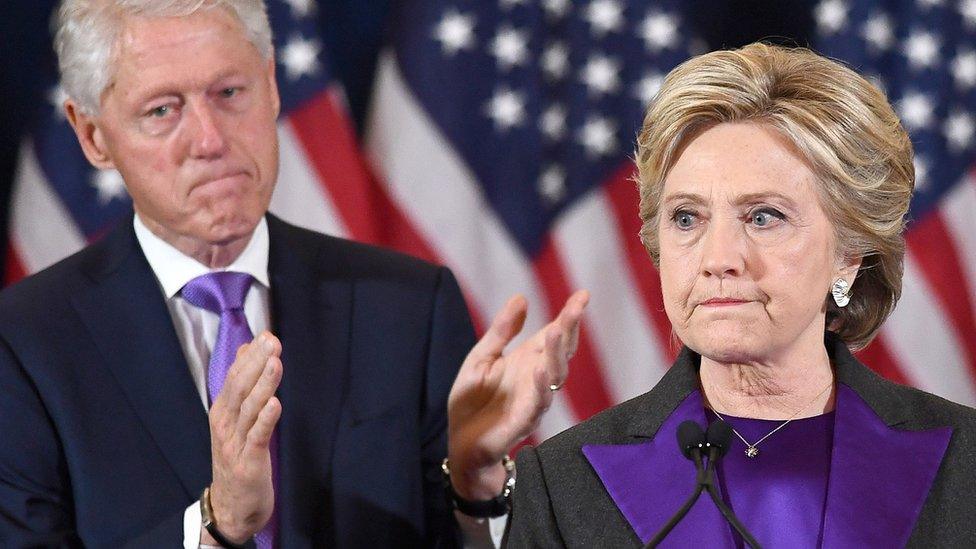
WASHINGTON, D.C. – In a striking sign of changing party loyalty, House Oversight Democrats are no longer shielding Bill and Hillary Clinton, two names that once defined the modern Democratic Party.
In a bipartisan vote last month, nine Democrats joined Republicans to move forward a resolution that recommends holding former President Bill Clinton in contempt of Congress for refusing to comply with a subpoena tied to the Jeffrey Epstein investigation.
Three Democrats also backed a similar step aimed at former Secretary of State Hillary Clinton. It was an uncommon, very public rebuke of leaders who shaped Democratic politics for decades.
The vote also points to a wider shift inside the party. The centrist Clinton-era brand carries less weight with many of today’s Democrats. With depositions scheduled later this month, the moment is a reminder that yesterday’s stars can turn into today’s baggage.
The Epstein Investigation Brings New Heat on the Clintons
The dispute comes from the House Oversight and Government Reform Committee’s investigation into convicted sex offender Jeffrey Epstein and his associate, Ghislaine Maxwell. Republicans, led by Chairman James Comer (R-Ky.), issued subpoenas to the Clintons last year.
They cited Bill Clinton’s well-documented contact with Epstein, including multiple flights on Epstein’s private plane, and said they want details on any possible government failures tied to earlier investigations.
The Clintons first pushed back. They sent sworn statements saying their knowledge was limited, and they described the subpoenas as a political stunt encouraged by President Trump to attack opponents. They also missed scheduled depositions in January, which led the committee to advance contempt resolutions on January 21, 2026.
What drew the most attention was the number of Democrats who broke ranks. Of the 21 Democrats on the committee, nine, including Reps. Stephen Lynch (D-Mass.), Ayanna Pressley (D-Mass.), and others voted to advance the contempt measure against Bill Clinton in a 34-8 vote (with two voting “present”).
Three Democrats supported the contempt measure aimed at Hillary Clinton. Several Democrats said transparency in the Epstein case mattered more than protecting past party leaders, repeating the idea that “no one is above the law.”
Comer highlighted the bipartisan votes, saying, “Republicans and Democrats on the Oversight Committee have been clear: no one is above the law, and that includes the Clintons.” The resolutions moved to the full House. After that, the Clintons agreed to sit for transcribed, filmed depositions, Bill on February 27 and Hillary on February 26, which avoided an immediate full contempt vote.
A Growing Gap: The Clintons’ Shrinking Pull With Democrats
The Oversight Committee fight reflects bigger changes inside the Democratic Party. Bill Clinton, the “Comeback Kid” who won in 1992 and 1996, once enjoyed near-automatic support. Hillary Clinton carried the party’s hopes in 2008 and 2016. But many Democrats today are younger, more progressive, and shaped by the post-2008 economy and modern social justice movements. For them, the Clintons’ “Third Way” approach often feels out of date.
Commentators point to a clear generational divide. Some of the committee’s progressive members, including those who backed contempt, chose accountability over defending party icons. As one observer put it, many Democrats now have little personal memory of the Clinton years, and they are more focused on avoiding ties that could turn off voters. The lack of a strong party-wide defense also signals how much the Clinton brand has cooled, with some Democrats linking it to recent election frustration.
There have been other signs of distance. After the 2024 election, party post-mortems again criticized Clinton-era triangulation, trying to win moderates while upsetting core supporters, as a poor fit for today’s calls for bigger, bolder action. The Epstein probe became a flashpoint where old loyalties gave way to public scrutiny and demands for openness.
Democrats Weigh Risk, and Warn About the Precedent
Democrats who opposed the contempt push called it a Republican trap. They argued the goal is to use the Epstein case as a weapon, and they warned that contempt threats can cut both ways. They said that when Democrats regain the House, the same tactics could be used against former President Trump or other Republicans with Epstein connections.
Rep. Daniel Goldman (D-N.Y.) said the precedent could be used “when we take back the majority.” Others, including Ranking Member Robert Garcia (D-Calif.), accused Comer of giving the Clintons extra attention while moving slowly on Justice Department document requests.
Former House Speaker Nancy Pelosi was reported to be privately unhappy with the defections, viewing them as needless while talks were still happening. Still, the vote showed that loyalty is no longer automatic, and it forced the party to face uncomfortable choices in public.
The Clintons also fought back. They called for public hearings instead of closed-door depositions, warning against what they described as a “kangaroo court.” They insisted they had already shared what they knew. They only agreed to testify after the contempt threat gained traction, and Comer said they had “caved.”
What It Means for Democratic Unity
The episode adds to questions about Democratic unity during a time of high partisan conflict. Letting the Clintons face tough scrutiny, instead of closing ranks, could play well with independents and moderates who dislike the idea of special treatment for political elites. At the same time, it may upset older donors and activists who credit the Clintons with helping rebuild the party after the Reagan years.
With the depositions coming up, attention will turn to what comes out of the sessions, and whether anything new emerges or the Clintons’ accounts stay narrow. For now, the message from the Oversight Committee vote is hard to miss: the Democratic Party looks less tied to its Clinton past, and even former standard-bearers are no longer treated as untouchable.
Related News:
CNN Delivers Stark Reality Check to Democrats Over Voter ID
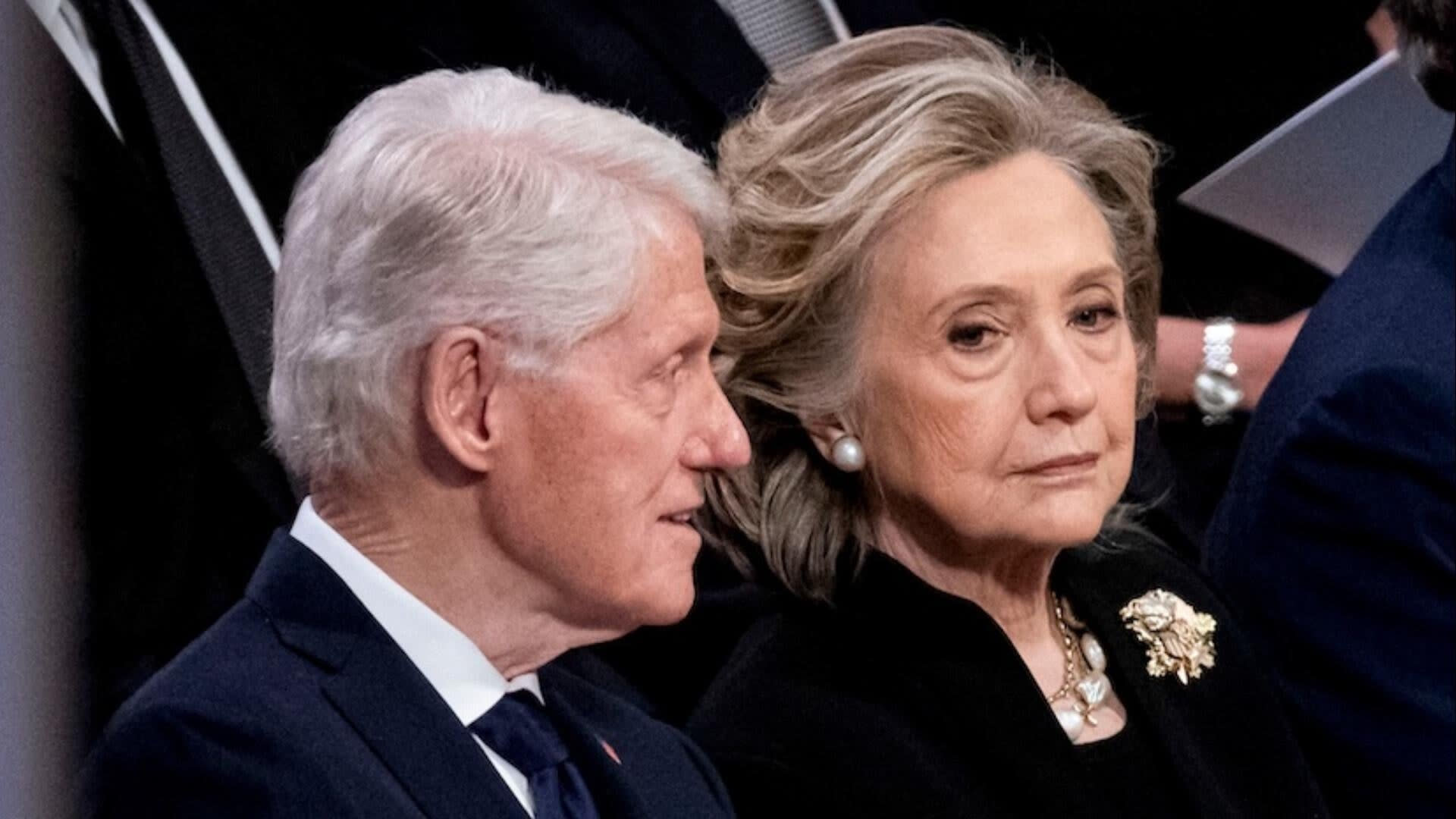
WASHINGTON, D.C. – In a sharp twist in the House investigation into Jeffrey Epstein’s sex-trafficking network, former Secretary of State Hillary Clinton is calling for her testimony, and that of her husband, former President Bill Clinton, to happen in a public, televised hearing.
She says it shouldn’t take place in a closed-door setting.
Her demand comes only days after the Clintons agreed to sit for depositions with the House Oversight Committee, a move that helped them avoid a possible contempt of Congress vote.
On February 5, 2026, Hillary Clinton posted on X and directly challenged Rep. James Comer (R-KY), who leads the House Oversight and Government Reform Committee. She wrote: “Let’s stop the games. If you want this fight, @RepJamesComer, let’s have it, in public.
You love to talk about transparency. There’s nothing more transparent than a public hearing, cameras on. We will be there.” The message landed hard because it contrasted with the Clintons’ earlier stance. When the committee issued subpoenas in August 2025, they pushed back and fought them.
What the Committee Is Investigating
The House Oversight Committee’s Epstein probe has looked at Epstein’s ties to powerful people and how the government handled related cases. Lawmakers have been reviewing items like flight logs, visitor records from Epstein’s properties, and actions taken by officials across multiple administrations.
The focus has stayed on who knew what, when they knew it, and whether opportunities to act were missed.
Comer’s committee subpoenaed both Clintons last summer. The subpoenas were part of a larger sweep that also targeted former attorneys general, FBI directors, and records tied to the Department of Justice.
The committee wants answers about any knowledge of Epstein’s conduct. Bill Clinton’s connection has drawn attention because he is documented as having taken flights on Epstein’s private jet and had a social relationship with Epstein before Epstein died in federal custody in 2019.
At first, the Clintons challenged the subpoenas. They argued the requests lacked a real legislative purpose and were driven by politics. The conflict escalated in January 2026, when the committee advanced steps toward holding both Clintons in contempt of Congress. That effort had some bipartisan support, including votes from a few Democrats. A contempt vote could have sent the issue to the Justice Department for possible prosecution.
On February 2, the Clintons changed course. Their attorneys told Comer they would comply. Hillary Clinton’s deposition is set for February 26, and Bill Clinton’s is scheduled for February 27. Both sessions are expected to be transcribed and video-recorded, but held privately.
Why Comer Wants Closed-Door Depositions
Comer has said private depositions are routine in investigations like this. He argues they allow detailed questioning without the pressure of live coverage. He has also left the door open to a public hearing later if the depositions justify it.
He has framed the approach as a way to deliver “transparency and accountability” while keeping the process controlled, especially when sensitive information could come up.
Clinton Tries to Flip the Script
By demanding an open hearing, Hillary Clinton is trying to reset the story. She is casting the Clintons as willing to show up on camera, while suggesting Republicans are only “pro-transparency” when it suits them.
Her criticism echoes what many Democrats have been saying. They question why the committee is putting so much attention on the Clintons, while other well-known people connected to Epstein, across both parties, have not faced the same level of focus in this specific House probe.
The Politics Around Epstein Still Burn Hot
Epstein’s case remains explosive. In recent years, unsealed court filings have described parts of his network and included the names of prominent figures. Still, for many of those people, the documents have not led to new criminal charges.
Ghislaine Maxwell, Epstein’s convicted associate, is still serving her sentence. At the same time, public anger continues over why more cases were not brought, and why the system seemed to stall for so long.
Supporters of the Clintons say the subpoenas look like a partisan hit job under a Republican-led House. Critics, including some conservatives, say a public hearing is the best way to test the Clintons’ statements about their Epstein ties and expose any gaps or contradictions.
Comer’s allies have pushed back on Clinton’s demand. They describe it as a way to turn the process into a media spectacle. Some Republicans on the committee argue private sessions help protect sensitive details while still creating a full record.
What Happens Next
With the February deposition dates close, the fight over format could grow louder. If Comer keeps the depositions private, the Clintons may still appear as planned while continuing to call for cameras. If either side backs out, the threat of contempt could return, though the recent agreement makes that less likely.
The Epstein investigation has already produced document releases and witness interviews. So far, it has not produced major new public findings beyond what has surfaced through civil lawsuits and reporting.
For now, Hillary Clinton’s demand has added fresh tension to an already charged debate, and it puts a spotlight on what Congress means when it says “transparency.”
Related News:
Democrats Join Republicans to Advance Contempt Resolution Against Bill Clinton


Trump Approval Rating (February 2026 Poll Results, Approve vs Disapprove)

Ohio Man Charged Over Alleged Death Threat Against Vice President JD Vance

Tim Walz Exposed By Minnesota DHS Whistleblower

Democrats Turn Their Backs on Bill and Hillary Clinton

Washington Post Sacks 300 Woke ‘Anti-Trump’ Journalists

Vice President JD Vance to Head Anti-Fraud Task Force Targeting California Welfare Abuses

Trump Says Iran Should Be Worried U.S. ‘Prepared’ for Iranian Military Action

Hillary Clinton Calls for Transparency Wants Televised Congressional Hearing

CNN Delivers Stark Reality Check to Democrats Over Voter ID

CNN Admits Melania Documentary is HUGE Box Office Success

Thai Billionaire Charged With Lese Majeste Over Facebook Post

Russia Bans Facebook, Meta Says It’ll Do “Everything” To Restore Service

4 Things you can do to take your Facebook Lead Generation to the Next Level

Zuckerberg to Allow Violent Speech on Russia After Facebook Blocked

Facebook Login Feature – Clash of Clans

Facebook Loses $200 Billion as Users Shift to TikTok

Downloading Facebook Videos Anonymously with High Quality Video through Snapsave app

Chinese Man Arrested for Using Facebook to Dupe Cryptocurrency Investor

The Best Site to Buy Real Facebook Likes and Followers in 2022

Google and Facebook Under Huge Pressure Over User Privacy

Mosque Set Ablaze in Iran a Citizens Revolt Against the Islamic Regime

AOC Accuses Jessie Watters of Fox News of Sexualizing and Harassing Her

JD Vance Exposes Walz’s Fraud and CNN’s Lies in White House Presser

Milestone Card Credit: How the Milestone MasterCard Can Transform Credit
-

 Crime1 month ago
YouTuber Nick Shirley Exposes BILLIONS of Somali Fraud, Video Goes VIRAL
-

 Politics2 months ago
Ilhan Omar’s Ties to Convicted Somali Fraudsters Raises Questions
-

 China2 weeks ago
China-Based Billionaire Singham Allegedly Funding America’s Radical Left
-

 News2 months ago
Walz Tried to Dodges Blame Over $8 Billion Somali Fraud Scandal
-

 Crime2 months ago
Somali’s Accused of Bilking Millions From Maine’s Medicaid Program
-

 Asia3 months ago
Asian Development Bank (ADB) Gets Failing Mark on Transparancy
-

 Politics3 months ago
South Asian Regional Significance of Indian PM Modi’s Bhutan Visit
-

 Crime2 months ago
Minnesota’s Billion Dollar Fraud Puts Omar and Walz Under the Microscope