
News
Sean “Diddy” Combs to Be Sentenced in October 3, 2025

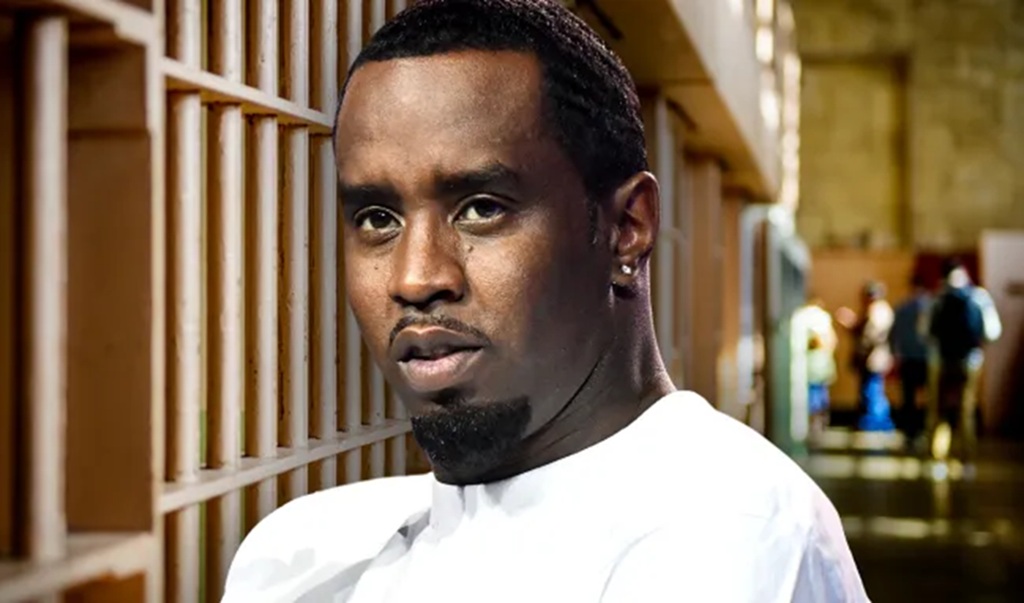
NEW YORK – Anticipation is building around Sean “Diddy” Combs as he awaits his sentencing on October 3, 2025. He was found guilty of two counts under the federal Mann Act related to prostitution, but cleared of the heavier charges of racketeering conspiracy and sex trafficking.
U.S. District Judge Arun Subramanian set the sentencing date after a brief online hearing on July 8, closing a chapter in a case that has drawn widespread attention and sparked debate about Combs’ future. Since his arrest in September 2024, Combs has been held at Brooklyn’s Metropolitan Detention Centre.
He faces up to 20 years in prison, but experts believe his sentence will likely be much shorter. As the date nears, questions about bail and the actual time he might serve remain open.
The seven-week trial, which ended on July 2, 2025, brought a split verdict. Combs escaped possible life sentences on the most serious charges, but the jury convicted him on two lesser federal counts. Each carries up to 10 years.
Outside the Manhattan courthouse, Marc Agnifilo, his lead lawyer, called the verdict a “major win” for the defence. Still, the judge refused bail, citing Combs’ past violent actions and the risk he might try to leave the country. This decision has kept the 55-year-old founder of Bad Boy Records behind bars.
judge’s comments on Diddy
Legal experts have offered a range of predictions on what Combs’ sentence could look like. Some say it could be just over two years, while others think it could reach eight. CBS News contributor Jessica Levinson pointed out that Combs, with no previous convictions, is unlikely to serve the full 20 years.
She said the not-guilty verdicts on the most serious charges should lead to a lighter sentence. Robert Shapiro, the lawyer known for his work in the O.J. Simpson trial, suggested a term between 2.5 and 3.5 years. He mentioned that the judge’s comments on Combs’ past violence could still mean a tougher outcome.
Prosecutors have recommended a sentence of 51 to 63 months, or roughly four to five years. They have pointed to evidence linked to the sex trafficking claims, but a new federal rule bars judges from considering conduct that resulted in an acquittal.
Combs’ lawyers want a sentence between 21 and 27 months, noting his clean record and the nature of the charges. A pre-sentence report, due August 29, will give Judge Subramanian more details about Combs’ background and the events in question before he makes a final decision.
Bail has been a key issue throughout the case. Combs’ defence argued that his strong community ties make him unlikely to flee, suggesting a $1 million bond and noting that his private jet is in Hawaii. Judge Subramanian, however, has rejected every bail request.
Judge’s firm stance
He referred to evidence, including video footage and witness testimony, pointing to Combs’ violent behaviour, such as a 2024 incident with a former girlfriend called “Jane” and claims by ex-partner Cassie Ventura. “It is impossible for the defendant to show by clear and convincing evidence that he poses no danger,” the judge said, according to The Guardian.
Ira Judelson, a well-known bail bondsman, said talks about a new bail package are happening, but the judge’s firm stance is a major barrier. Judelson told Law&Crime that concerns about witness safety and Combs’ resources make granting bail difficult. Still, Combs’ lawyers are not giving up, with Agnifilo stating, “We are not nearly done fighting.”
The trial has sparked strong reactions on both sides. After the verdict, fellow inmates at the detention centre reportedly gave Combs a standing ovation, which his lawyer said showed his strength. Outside, opinions are split. Aubrey O’Day, once part of Combs’ “Making the Band,” posted on Instagram that the verdict made her “physically ill.” In contrast, Combs’ son Justin celebrated the acquittals.
Prosecutors argued that Combs ran a group using threats and violence to fuel illegal activities. The defence said the acts were consensual and should not be considered criminal. These opposing views could shape the judge’s final decision. Prosecutors highlighted Combs’ disregard for the law, while his lawyers pointed to his achievements in music and charity work.
Combs’ Ties to Trump
With the October 3 sentencing set, Combs’ legal team is preparing new motions, due by July 30. Prosecutors will reply by August 20. The defence had requested a quicker sentencing date, but later withdrew that request. Any time Combs has served since his September 2024 arrest will count toward his sentence, which could cut his remaining time behind bars.
Talk about a potential pardon has surfaced, given Combs’ ties to Donald Trump, but this is only speculation for now and would depend on political shifts. For the moment, Combs remains at the Metropolitan Detention Centre, with his lawyers readying for the final legal battle.
This sentencing will not only decide Combs’ future but also affect how people remember him. Whether he serves only a few more months or several years, many will be watching when the judge delivers the verdict on October 3.
Sources: CBS News
Related News:
President Trump Warns Over 35 Per cent Tariffs on Canadian Products
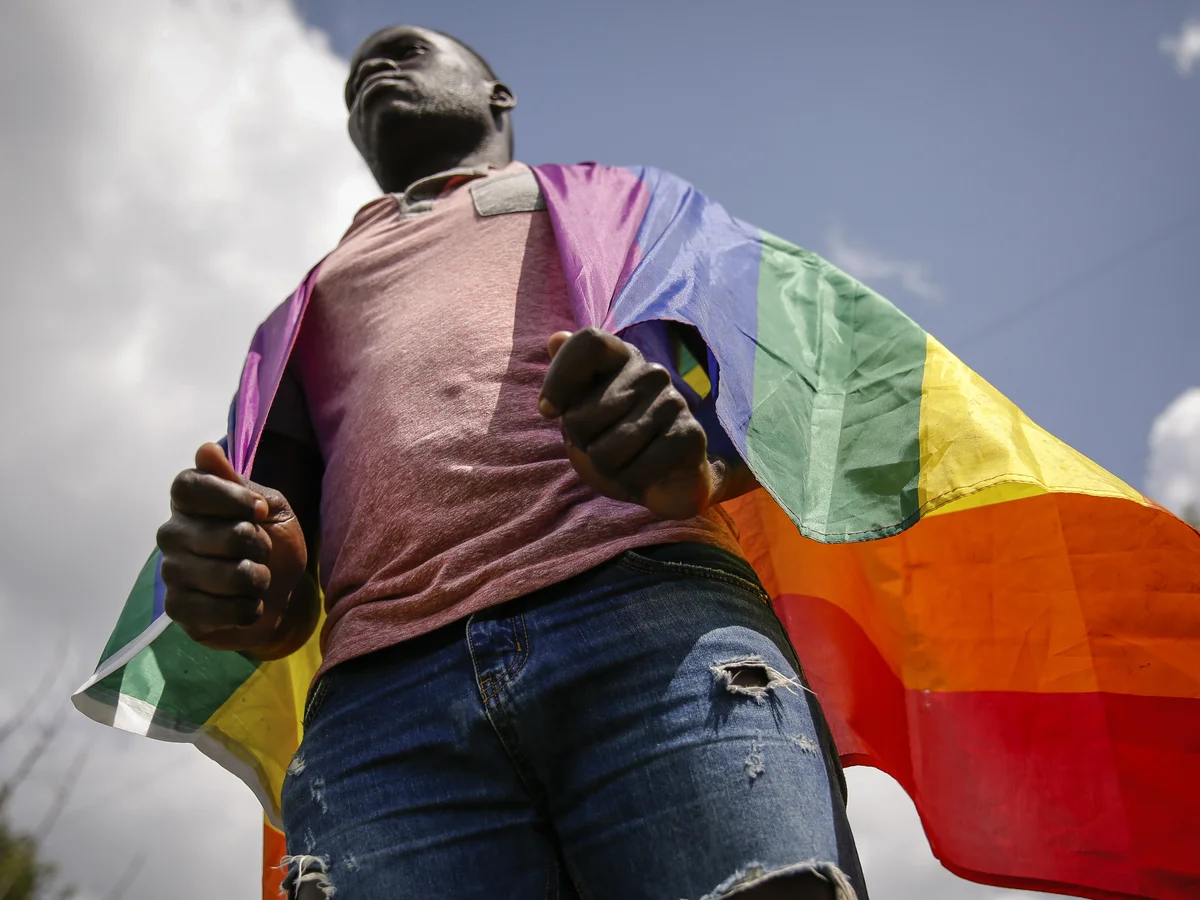
LONDON – The UK asylum system is facing a complex challenge as reports emerge of migrants from Pakistan and Bangladesh allegedly faking their sexual orientation to secure residency. In a system designed to protect the world’s most vulnerable, the rise of “manufactured” claims is sparking a heated debate over border security, human rights, and the integrity of the UK’s legal framework.
For decades, the UK has been a beacon of hope for those fleeing persecution. Under international law, individuals who face a “well-founded fear” of violence or imprisonment due to their sexual orientation are eligible for protection. However, home office officials and immigration experts are highlighting an increasing trend: applicants from conservative South Asian backgrounds claiming to be LGBTQ+ solely to avoid deportation.
The motivation is clear. In countries like Pakistan and Bangladesh, same-sex acts remain illegal and socially taboo. By claiming they are gay, migrants suggest that returning home would be a “death sentence,” a claim that—if believed—makes it legally difficult for the UK to remove them.
The Tactics of Deception
How does one “prove” their sexuality to an immigration officer? In the past, this led to intrusive and often humiliating interviews. Today, the process is governed by strict dignity standards, but this has inadvertently created loopholes that some are eager to exploit.
According to reports from The Telegraph and insights from whistleblowers within the Home Office, the tactics often include:
- Joining LGBTQ+ Social Groups: Migrants may join local pride organizations or attend gay bars specifically to gather “photographic evidence” of their lifestyle.
- Scripted Testimonies: Legal “fixers” and unscrupulous advisors often provide scripts to applicants, teaching them the correct terminology to use during interviews.
- Digital Footprints: Creating social media profiles that highlight a “newfound” identity to show a history of being out and proud in the UK.
The focus on Pakistan and Bangladesh is not accidental. Both nations have legal systems influenced by colonial-era laws, such as Section 377, which criminalizes “unnatural offenses.”
- Pakistan: While the country has made some strides in transgender rights, homosexuality remains a crime. This creates a high “burden of proof” for the UK government to disprove a claim of persecution.
- Bangladesh: High levels of social conservatism and occasional extremist violence against secular or LGBTQ+ activists provide a plausible backdrop for asylum seekers to claim they are at risk.
Government data suggests that as traditional routes to residency—such as work visas or student permits—become harder to obtain, the asylum route becomes the “last resort” for economic migrants.
Perhaps the most tragic consequence of this trend is the shadow it casts over genuine LGBTQ+ refugees. When the system is flooded with fraudulent claims, the “skepticism” of Home Office caseworkers naturally increases.
“Every fake claim makes it harder for someone truly in danger to be believed,” says an advocate for the Refugee Council. “We are seeing people who have survived torture being grilled with more intensity because officials are looking for inconsistencies.”
The backlog of asylum cases in the UK has reached record highs, with many waiting years for a decision. This delay benefits those making false claims, as it allows them to integrate into the community, making it even harder to deport them later under “Right to Family Life” laws.
The Legal and Political Fallout
The UK government, under increasing pressure to “stop the boats” and reduce net migration, has vowed to crack down on abuse of the asylum system. The Illegal Migration Act aims to speed up the removal of those who arrive via irregular routes, but the “sexuality loop-hole” remains a difficult legal knot to untie.
Key Challenges for the Government:
- Human Rights Barriers: The European Convention on Human Rights (ECHR) prevents the deportation of individuals to countries where they might face inhuman treatment.
- Verification Difficulties: There is no “test” for sexuality. Judges and caseworkers must rely on credibility, which is subjective and easily coached.
- Resource Strains: Investigating the private lives of thousands of applicants is a massive logistical and financial burden on the taxpayer.
The Role of “Fixers” and Legal Agencies
A secondary industry has blossomed around these fraudulent claims. Online forums and local community hubs often feature “consultants” who charge thousands of pounds to help migrants “build a case.” These fixers often provide fake witnesses who testify to having been in a relationship with the applicant.
The Solicitors Regulation Authority (SRA) has previously investigated law firms suspected of coaching clients to lie about their sexuality. While many immigration lawyers work with high integrity, the actions of a few “rogue” firms have drawn significant scrutiny from the Ministry of Justice.
As the debate intensifies, several solutions have been proposed. Some argue for a return to more rigorous (though respectful) questioning, while others suggest that migrants should be required to provide evidence of their sexual orientation from before they arrived in the UK. However, critics point out that many people in oppressive regimes are “closeted” by necessity, making pre-arrival evidence impossible to find.
The UK’s dilemma is a microcosm of a global issue: how to maintain a compassionate asylum system while preventing it from being gamed by those seeking economic advantage. For now, the “pretend gay” route remains a controversial and deeply divisive path to British residency.
The integrity of the UK’s borders depends on a system that is both firm and fair. When migrants from Pakistan and Bangladesh—or any other nation—use false identities to bypass immigration laws, they do more than just break the rules; they undermine the safety net for those whose lives truly depend on it. As the Home Office continues to refine its vetting processes, the goal remains clear: protect the persecuted, but close the door on deception.
Trending News:
Starmer Now Blames Trump and Putin for UK’s Energy Prices Not NetZero
TERRAN – As the dust begins to settle over the Middle East and Iran following a month of intense aerial bombardment, the silence of the current ceasefire is being broken by the hum of heavy machinery. New high-resolution satellite imagery has revealed a flurry of activity at Iran’s most sensitive military sites.
Across several “missile cities”—vast underground complexes designed to withstand nuclear strikes—Iranian engineering crews are working around the clock. Their goal? To clear the rubble from tunnel entrances that were collapsed by precision U.S. and Israeli strikes during Operation Roaring Lion.
While the ceasefire was intended to pave the way for diplomacy, these images suggest a different priority for Tehran: digging out and rearming.
Digging Out the “Missile Cities”
For years, Iran has invested billions into a network of hardened underground bases. These facilities house the Islamic Revolutionary Guard Corps (IRGC )’s vast arsenal of ballistic missiles, kept on rails and ready to be rolled out for launch.
Recent imagery published by CNN and analyzed by groups like the James Martin Center for Nonproliferation Studies shows a consistent pattern of recovery:
- Khomein Missile Base: Engineering vehicles have been spotted removing barriers and debris from a primary tunnel shaft. This entrance was previously confirmed as “degraded” following an Israeli Air Force strike.
- Parchin Military Complex: Analysts at the Institute for Science and International Security (ISIS) note that Iran is not just clearing debris but “burying” new structures under concrete and soil to hide them from future detection.
- Esfahan and Natanz: Intelligence reports indicate that at least three tunnel entrances at nuclear-related sites have been backfilled with soil to harden them against further bunker-buster attacks.
According to Sam Lair, a research associate at the James Martin Center, this activity is part of a standard Iranian military doctrine. “Their concept of operations is simple: absorb the first attack, dig yourself out, and then launch again,” Lair explained.
A Half-Intact Arsenal
The clearing of these tunnels is particularly concerning because of what remains inside them. Despite claims from U.S. Defense Secretary Pete Hegseth that Iran’s missile capabilities were “decimated,” recent intelligence assessments paint a more resilient picture.
Reports cited by the Wall Street Journal suggest that:
- 50% of Launchers Survive: Roughly half of Iran’s mobile and fixed-site missile launchers remain functional, many of them currently trapped behind collapsed tunnel entrances.
- Stockpiles Remain: Iran still holds thousands of short and medium-range ballistic missiles.
- Rapid Reactivation: Once the “mouths” of the tunnels are cleared, these missiles can be moved to alternative launch points within hours.
The Ceasefire Dilemma
The ceasefire, which began on April 8, was meant to stop the bleeding. However, for military planners in Washington and Tel Aviv, it has created a “reconstruction window” that Iran is exploiting.
Western officials are now debating whether the clearing of these tunnels constitutes a violation of the spirit of the truce. If Iran is using this time to move launchers back into “ready-to-fire” positions, the risk of a second wave of conflict increases significantly.
“A ceasefire requires you to accept that your adversary is going to rebuild some of what you destroyed,” Lair told Israel Hayom. The question remains: is this defensive repair or the precursor to a fresh offensive?
China’s Shadow Over the Restoration
The speed of Iran’s recovery has also raised eyebrows regarding foreign assistance. Reports from The Telegraph and the Institute for the Study of War (ISW) suggest that China has been shipping key chemical precursors, like sodium perchlorate, to help Iran reconstitute its solid missile propellant.
Furthermore, leaked documents suggest the IRGC has been using a Chinese-made spy satellite, the TEE-01B, to monitor regional U.S. bases. This real-time data helps Iranian commanders identify which of their own facilities remain under the closest watch, allowing them to prioritize repair work at the most “hidden” locations.
As the international community watches these satellite feeds, the tension is palpable. The Biden-Trump transition period in Washington has left some ambiguity in regional policy, a gap that Tehran seems eager to fill.
If the IRGC successfully clears its underground “cities” and restores its launch capabilities, the leverage held by the U.S. and Israel during negotiations could evaporate. For now, the world waits to see if the machines clearing the rubble are a sign of a nation preparing for peace—or a regime readying its next volley.
Trending News:
No Way Out: Four More Protesters Sentenced to Death in Iran
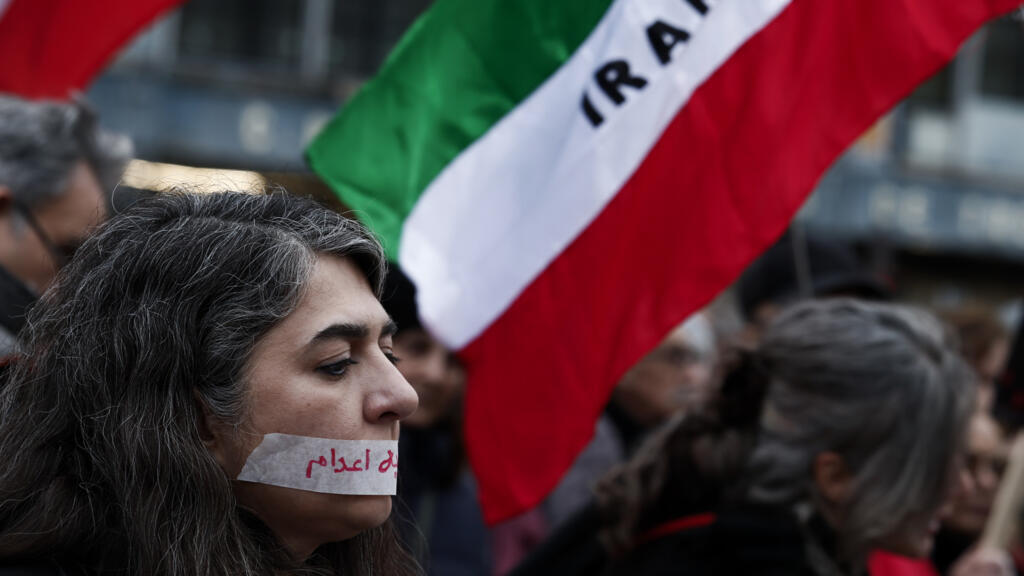
TEHRAN – In a move that human rights monitors describe as a “desperate attempt to instill terror,” the Iranian judiciary has sentenced four more individuals to death following the massive nationwide protests that rocked the regime in January 2026. Among those condemned to the gallows is a woman, believed to be the first female protester to receive a capital sentence in connection with this year’s specific wave of unrest.
The verdicts, handed down by the notorious Branch 26 of the Tehran Revolutionary Court, underscore a sharp escalation in the Islamic Republic’s use of the death penalty. Observers say the regime is fast-tracking executions to silence a population still simmering with anger over economic collapse and social repression.
A Building Targeted: The Condemned Four
The four defendants were identified as Mohammadreza Majidi-Asl, 34, and his wife Bita Hemmati, along with their neighbors Behrouz Zamaninejad and Kourosh Zamaninejad. According to reports from the Abdorrahman Boroumand Center and Iran Human Rights (IHR), all four lived in the same apartment complex in Tehran.
The group was arrested during the height of the January uprising. Their trial has been criticized by international legal experts as a “sham” proceeding. Judge Iman Afshari, known for presiding over high-profile political cases with a heavy hand, oversaw the sentencing.
The charges against them include:
- Using explosives and weapons against security forces.
- Throwing concrete blocks and incendiary materials from the roofs of buildings.
- “Harming stationed forces” during the protests.
- Collusion against national security and links to “hostile groups.”
In addition to the death penalty, the court ordered the total confiscation of all their personal property, a move activists say is designed to financially ruin the families of dissidents. A fifth relative, Amir Ali-Hemmati, was sentenced to over five years in prison in the same case.
A First for Female Protesters
Bita Hemmati’s sentence has drawn particular concern. Rights groups, including the National Council of Resistance of Iran (NCRI), report that she is likely the first woman sentenced to death for participating in the 2026 uprising.
Earlier this year, a video broadcast on state television showed a woman—believed to be Hemmati—being personally interrogated by Judiciary Chief Gholamhossein Mohseni Ejei. Rights advocates argue that such broadcasts are “forced confessions” extracted under physical and psychological torture, a common tactic used by the regime to justify harsh sentences.
The “Execution Machine” Gains Speed
The January 2026 protests were among the largest and most violent the regime has faced in decades. While the government successfully quelled the initial street demonstrations through a combination of live ammunition and internet blackouts, the judicial aftermath has been even more lethal.
According to a joint report by Amnesty International and other monitors, the regime has already executed seven people related to the January protests. These include Saleh Mohammadi, a 19-year-old wrestler who was hanged in Qom just weeks ago.
The Current Statistics of the Crackdown:
- 7 Protesters Executed: Already carried out since March 2026.
- 26+ Sentenced to Death: Individuals currently awaiting execution for protest-related charges.
- Hundreds Facing Capital Charges: Many more are in the middle of fast-tracked, “torture-tainted” trials.
- Over 1,600 Executions in 2025: Highlighting a long-term trend of increasing state-sanctioned killings.
Experts suggest the timing of these sentences is no coincidence. Iran is currently navigating a period of extreme vulnerability. Between ongoing tensions with Israel and the United States and a crumbling domestic economy, the clerical leadership views any sign of dissent as an existential threat.
“The regime is terrified of the volcano of public anger,” said a spokesperson for HRANA. “By executing young protesters and seizing their homes, they hope to preempt the next inevitable revolt. It is not about justice; it is about survival through terror.”
The United Nations Special Rapporteur on Iran has recently warned that the “spiral of impunity” in the country has reached a crisis point. Human rights defenders are calling for immediate international intervention to save the lives of the “Tehran Four” before they are transferred to solitary confinement for execution.
The common thread in all these cases is a total lack of due process. Families report that the defendants were denied access to independent lawyers and were kept in unofficial detention centers where torture is systematic.
In many instances, the only evidence presented in court is a “confession” signed after days of beatings. When defendants try to tell the judge that they were tortured, their claims are routinely dismissed.
How the International Community is Responding
While the regime remains defiant, the international community is ramping up pressure. There are growing calls for:
- Targeted Sanctions: Specifically against judges like Iman Afshari and judiciary officials involved in these sentences.
- Diplomatic Missions: Demanding access to prisoners and the presence of international observers at trials.
- UN Investigation: A formal inquiry into the mass killings of protesters in January and the subsequent “judicial murder” of detainees.
As the families of Mohammadreza, Bita, Behrouz, and Kourosh wait in agony, the world’s eyes remain fixed on Tehran. For many Iranians, these death sentences are not just a legal matter—they are the latest battle in a long, bloody war for the future of the country.
Trending News:
Trump Warns China as Vance Leads Peace Talks with Iran
Starmer Bizarrely Tries to Take Credit for the US- Iran Ceasefire


China’s Billions Are Buying the Western Media Narrative

Illegal Migrants Pretend to be Gay to Remain in the UK

Satellite Imagery Shows Iran Clearing Bombed Missile Tunnels During Ceasefire

No Way Out: Four More Protesters Sentenced to Death in Iran

Who Is Lonna Drewes? New Eric Swalwell Sexual Assault Allegation Explained

US-China Tensions Reach Boiling Point Over Hormuz Blockade

Victory for Trump as Appeals Court Shuts Down Boasberg

China Upset Over Hormuz Blockade As Oils Supply-Line Cut

New York City Prepares to Ban Amazon’s Logistics Model

Breaking!! Eric Swalwell Resigns From Congress Amid Mounting Sex Allegations

Thai Billionaire Charged With Lese Majeste Over Facebook Post

Russia Bans Facebook, Meta Says It’ll Do “Everything” To Restore Service

Facebook Login Feature – Clash of Clans

4 Things you can do to take your Facebook Lead Generation to the Next Level

Zuckerberg to Allow Violent Speech on Russia After Facebook Blocked

Facebook Loses $200 Billion as Users Shift to TikTok

Downloading Facebook Videos Anonymously with High Quality Video through Snapsave app

The Best Site to Buy Real Facebook Likes and Followers in 2022

Chinese Man Arrested for Using Facebook to Dupe Cryptocurrency Investor

Google and Facebook Under Huge Pressure Over User Privacy

President Trump Addresses Nation on War with Iran

Trump Warns NATO Allies: America Won’t Protect Slackers After Iran Clash

Senate Hearing on Fraud and Foreign Influence Turns Tense Over Minnesota Scandals

CNN Forced to Backtrack Its Reporting on Trump’s Iran Talks

Joe Rogan Slams Gavin Newsom for Mocking Nick Shirley

Mosque Set Ablaze in Iran a Citizens Revolt Against the Islamic Regime

AOC Accuses Jessie Watters of Fox News of Sexualizing and Harassing Her

JD Vance Exposes Walz’s Fraud and CNN’s Lies in White House Presser

Milestone Card Credit: How the Milestone MasterCard Can Transform Credit
-

 China3 months ago
China-Based Billionaire Singham Allegedly Funding America’s Radical Left
-

 Politics2 months ago
CNN Delivers Stark Reality Check to Democrats Over Voter ID
-

 Politics2 months ago
Ilhan Omar’s Connections to Convicted Somali Fraudsters Surface
-

 Politics3 months ago
President Trump Addresses ICE Actions Amid Minnesota Unrest
-

 News3 months ago
Former CNN Anchor Don Lemon Facing Charges Under Ku Klux Klan Act
-

 News3 months ago
Erika Kirk’s Early EMP Documentary Fuels CIA Grooming Rumors
-

 Entertainment2 months ago
CNN Admits Melania Documentary is HUGE Box Office Success
-

 Business3 months ago
Tesla’s Strategic Retreat From California Due to Red Tape, Costs, and Taxes