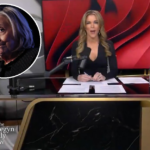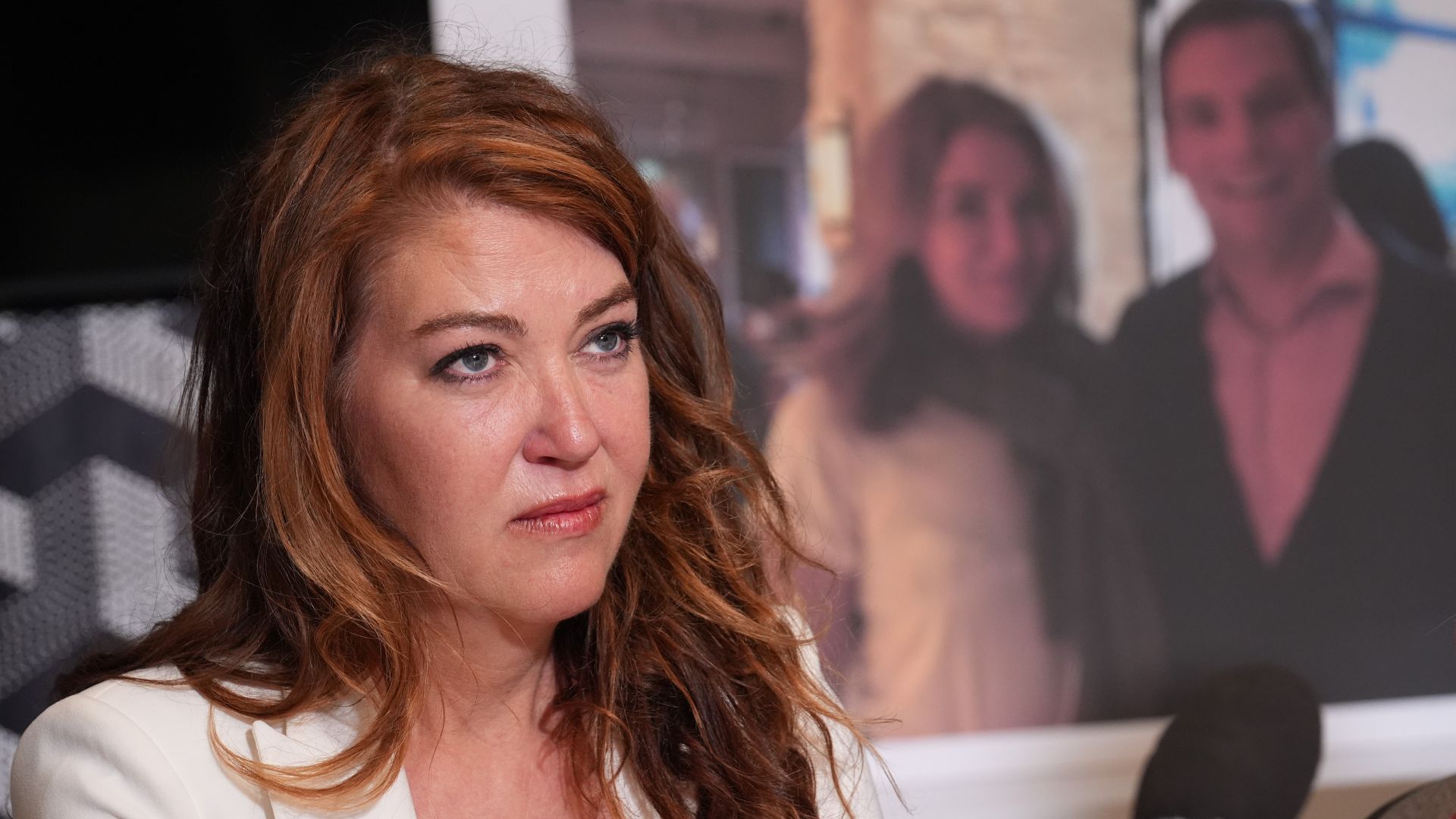


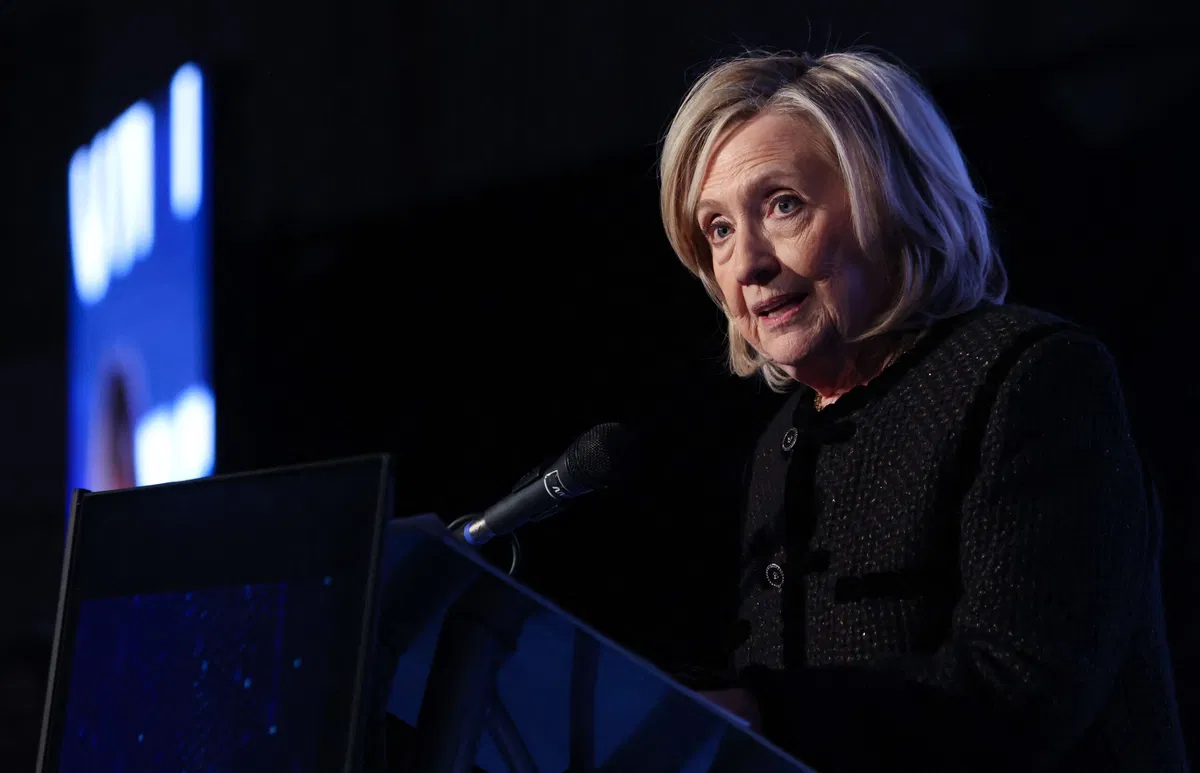


NEW YORK – A heated Sky News Australia segment sparked fresh attention on the Epstein files after comedian Alex Stein slammed former First Lady Hillary Clinton for saying she had no ties to Jeffrey Epstein.
On air, Stein labeled Clinton a “psychopath“ and accused her of lying with ease. His comments quickly spread online, adding fuel to ongoing fights over who knew Epstein, who didn’t, and what the public still hasn’t seen.
Stein’s On-Air Blowup: “She Lies Better Than Any Hollywood Actress”
Alex Stein joined Sky News host Rita Panahi and reacted sharply to Clinton’s recent denial. He claimed Clinton wasn’t telling the truth and tied her statements to broader claims about Epstein’s circle.
- Stein’s key quote: “Hillary Clinton is a psychopath,” he told Panahi. “She has the ability to lie better than any Hollywood actress.”
- Why he said it: Stein pointed to alleged Clinton and Epstein connections and argued her calm delivery made the denial harder to trust.
- Where he took it next: He also pulled in other names, including Nancy Guthrie, while pushing what he described as a “wild conspiracy theory” about political protection and cover-ups.
Even though Stein is known for satire and shock-style commentary, his segment landed with viewers who already doubt official explanations around Epstein and his associates.
Clinton Pushes Back: BBC Interview Triggers a New Wave of Criticism
Stein’s remarks followed Hillary Clinton’s interview with the BBC, where she said she and former President Bill Clinton have “no links” to Epstein or Ghislaine Maxwell. The interview aired as pressure grows to release more Epstein-related documents. During the conversation, Clinton also accused the Trump administration of dragging its feet on disclosure.
- Clinton’s statement: “We have no links,” she told BBC journalist Jessica Parker. She said Bill Clinton flew on Epstein’s plane for Clinton Foundation-related work, and she said she met Maxwell “on a few occasions” but denied anything beyond that.
- Her message to the government: Clinton called for openness, saying, “Get the files out. They are slow-walking it,” and criticized redactions and resistance to Congress.
- Her response to images and paperwork: After photos of Bill Clinton with Epstein circulated again, she called the situation “horrifying” and repeated that the Clintons have been “more than happy to say what we know.”
The BBC interview, aired during the Munich Security Conference, cast Clinton as someone pushing transparency. Still, critics like Stein see her tone as controlled deflection, and that view has spread fast online.
The Epstein Scandal: Famous Names, Flights, and Long-Running Doubts
The outrage makes more sense with the broader Epstein story in mind. Epstein died in jail in 2019 while awaiting trial on sex-trafficking charges. For years, he mixed with celebrities, politicians, and royals. His private jet, often called the “Lolita Express,” became a symbol of the case because of reported trips tied to his properties and the allegations.
- Bill Clinton and the flight logs: Flight logs show Bill Clinton traveled on Epstein’s plane at least 26 times from 2002 to 2003, often tied to foundation-related stops in Africa and Asia. Bill Clinton has said those trips were legitimate and that he cut ties in 2005, before Epstein’s first conviction.
- Hillary Clinton and Maxwell: Hillary Clinton has said she met Maxwell briefly, but says she never met Epstein. Recent documents reportedly mention Bill Clinton more than 50 times, although they don’t allege wrongdoing against him.
- Other high-profile fallout: The wider scandal has touched people like Prince Andrew and led to Maxwell’s 2022 sex-trafficking conviction. As more files become public, victims’ advocates keep calling for accountability.
Because Epstein’s death was ruled a suicide, speculation hasn’t stopped. In that environment, Stein’s attack plays into the public’s distrust and the demand for unredacted releases.
Reaction Online and in the Media: Support, Pushback, and Partisan Framing
Stein’s Sky News appearance split audiences. Some praised him for going after powerful figures. Others called it performative outrage that spreads misinformation. On social media, hashtags like #EpsteinFiles and #ClintonEpstein trended as users argued over what Clinton’s denial means.
- Support for Stein: Many conservative voices amplified his comments and tied them to older Clinton controversies, including the email server story.
- Defenders of Clinton: Others said the focus on the Clintons distracts from other people named in Epstein coverage, including Donald Trump, who has been photographed with Epstein but denies a close relationship.
- How outlets covered it: Networks and publishers, including CNN and GlobalNews,s highlighted Clinton’s claim that officials were withholding information, framing it as a political fight over transparency.
Online threads on Reddit and YouTube showed the same divide. Some users said Clinton’s push for public hearings signaled confidence, not guilt. Meanwhile, 9 News Australia also covered the renewed attention on Clinton-related references, adding to the global attention.
Transparency Pressure Builds: What Could Come Next
Clinton’s call to release the files lines up with bipartisan efforts in Congress, including a law that requires disclosure. Still, lawmakers say delays and national security redactions keep slowing the process. Victims’ groups tied to the Maxwell case have also pushed for faster release so enablers can be identified.
- Possible outcomes: More documents could either support the Clintons’ account or raise new questions. Some legal analysts expect no charges against Bill or Hillary Clinton, while warning the reputational hit could grow.
- Political stakes: With the 2028 election on the horizon, the story could shape how voters think about long-standing political brands, including the Clintons.
- A wider takeaway: The Epstein case keeps highlighting how power can shield people, and why transparency matters when the public feels shut out.
Stein’s “psychopath” label adds another loud moment to a scandal that refuses to fade. For some viewers, it reads as blunt truth-telling; for others, it’s sensationalism. Either way, it keeps the pressure on officials to release more information.
Timeline Context: How the Clinton and Epstein Story Kept Coming Back
The Clinton and Epstein connection has been discussed for years, largely tied to the early 2000s and Bill Clinton’s post-presidency travel and charity work. In a 2002 New York Magazine profile, Epstein described Clinton as a “great guy.” Later reporting suggested the relationship cooled as Epstein’s legal troubles grew, with ties said to have faded by 2011.
During Hillary Clinton’s 2016 campaign, questions about Epstein links surfaced at times but didn’t dominate the race. Now, newer releases, including photos said to be from Epstein-linked locations, have revived attention. Clinton’s team continues to say all contact was appropriate and supported by staff statements.
In the BBC interview, Hillary Clinton described the renewed focus as a “deliberate effort to protect” others, pointing blame toward the Trump-era handling of disclosures. That framing hasn’t slowed down critics like Stein, who call it misdirection.
Expert View: Why Labels Like “Psychopath” Don’t Help
Mental health experts often warn that words like “psychopath” get thrown around too casually. In clinical terms, psychopathy involves traits such as shallow emotion, manipulation, and lack of empathy. Using it as a political insult can oversimplify behavior and confuse the public.
Communication specialists also point out that Clinton has spent decades under harsh scrutiny. A steady tone can reflect experience, not deception. Still, in a climate filled with misinformation and deep distrust, extreme language can spread fast and erode confidence even more.
The Epstein scandal remains a test of whether powerful people face real scrutiny. Stein’s viral Sky News rant adds another flashpoint, while Clinton’s BBC denial shows how quickly the story turns into a partisan fight. As more files appear, the public may get clearer answers. For now, the argument continues, mixing verified records, public statements, and nonstop suspicion.