

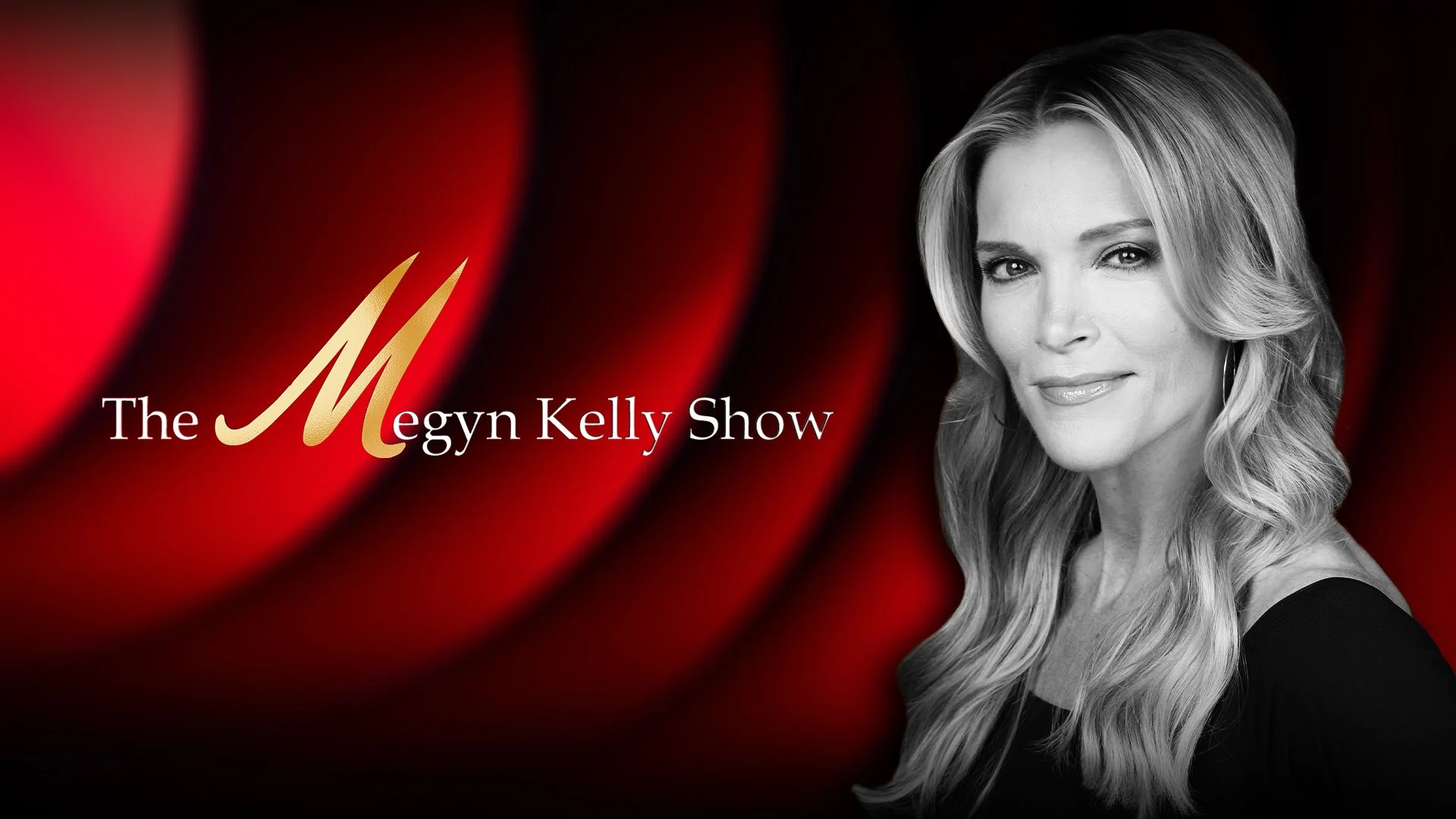


February 18, 2026 – In a lively, wide-ranging conversation on The Megyn Kelly Show, Megyn Kelly interviewed Buck Sexton, co-host of The Clay Travis and Buck Sexton Show and author of the new book Manufacturing Delusion: How the Left Uses Brainwashing, Indoctrination, and Propaganda Against You.
The interview landed right as the book was released on February 17, 2026. Throughout the discussion, Sexton argued that parts of the political left push coordinated messaging that pulls people away from objective reality.
Sexton, who previously worked as a CIA analyst focused on jihadi terror networks, said these methods resemble the persuasion tactics used by authoritarian movements in the past.
In his view, today’s flashpoints, from gender ideology to racial narratives, spread less like organic cultural change and more like results of nonstop messaging, social pressure, and influence inside major institutions.
Sexton Main Claim to Megyn Kelly: Building a Shared Delusion
Early on, Sexton explained why he chose the title Manufacturing Delusion. He told Kelly that the “manufacturing” comes from people seeking broad control, not honest debate. In other words, he believes brainwashing and indoctrination can shape public belief at scale, then reward compliance.
Here are the main themes he raised:
- Brainwashing and indoctrination tools: Sexton said repeated talking points across media, schools, and corporate settings can train people to accept ideas that clash with common sense or biology.
- How propaganda works over time: He argued that constant exposure makes extreme positions feel normal, while disagreement starts to look dangerous or unacceptable.
- “Weaponized kindness”: Sexton used this phrase to describe how compassion can become a pressure tactic, especially in debates about transgender issues and racial equity demands.
Kelly challenged him on how these trends play out in everyday life. They also discussed how hardline messaging can shut down debate and deepen division across the political spectrum.
Past Examples of Mass Persuasion
A large part of the interview focused on history. Sexton leaned on past cases to argue that mass belief shaping isn’t new.
He pointed to several comparisons:
- 20th-century totalitarian states: Sexton cited Nazi Germany and the Soviet Union as examples of systems that used propaganda offices and re-education to enforce strict ideology. He said people learned to repeat claims that served the state, even when they were absurd.
- Cult-style recruitment: Drawing on his CIA experience, he compared modern political pressure to jihadi recruitment, where groups used isolation, repetition, and identity binding to reshape how recruits saw the world.
- Orwell’s warning signs: Sexton referenced George Orwell’s 1984 and the “2+2=5” idea, saying social and career pressure can push people to accept obvious falsehoods.
He also argued that once enough people adopt the preferred story, the system starts to police itself. Those who resist may face shaming, cancellation, or professional fallout, which then pushes others to stay quiet.
Why Group Pressure Works
Kelly and Sexton also talked about why people go along with groupthink. They agreed that conforming can feel safer because it offers belonging and protection from backlash. Still, they said the costs can be serious.
- A shift in what people call “real”: Sexton argued that as more people repeat the same lines, society starts treating dissent as “hate speech” or “disinformation,” even when it’s grounded in facts.
- Real-world outcomes: He pointed to the defund-the-police movement and debates over redefining gender, arguing that these ideas can lead to higher crime and worsening mental health.
- Spillover effects on the right: Sexton added that conservatives can get pulled into the cycle, too. In his view, extreme claims on race or trans issues can spark overcorrections that raise the temperature even more.
At one point, he framed the threat as internal. He said the biggest danger isn’t an outside invasion, it’s the slow breakdown of rational thinking at home.
Current Examples and a Call to Pay Attention
Later, the discussion moved to recent news, including shootings involving individuals identified as trans. Sexton tied those cases to what he called cultural confusion, where affirmation replaces treatment and honest diagnosis. He again criticized “weaponized kindness,” saying it can put ideology ahead of mental health.
Kelly also brought up passages where Sexton describes COVID-era rules as another example of a “manufactured delusion.” He argued that elites and left-leaning institutions used fear and pressure to drive compliance.
To push back, Sexton urged people to stay alert, think clearly, and refuse to self-censor. He said his book aims to help readers recognize manipulation tactics and hold their ground when social pressure rises.
Why the Conversation Hits a Nerve Now
With cultural conflicts growing sharper, Sexton’s Manufacturing Delusion positions itself as a direct warning about propaganda, indoctrination, and political brainwashing. Published by Penguin Random House and promoted by voices like Glenn Beck and Jack Carr, the book mixes intelligence-style analysis, historical examples, and commentary on today’s debates.
The interview’s takeaway was simple: if people don’t notice how these narratives get built and repeated, shared reality can crack. Sexton’s message to viewers was to spot the pattern early, before it becomes the new normal.