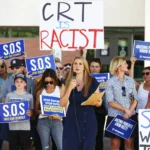


In what used to be centers of open thought, many American universities now feel tense and restricted. Places that once prized open debate now lean toward strict ideological rules. Diversity, Equity, and Inclusion (DEI) offices, first sold as tools for fairness and belonging, have grown into powerful bureaucracies that police what people can say. Critics argue that these programs silence debate, punish disagreement, and enforce a narrow version of “woke” ideology.
Federal pressure, faculty firings, and rising student self-censorship have pushed the campus free speech crisis to a breaking point in 2025. As President Donald Trump’s new executive orders roll back what opponents call discriminatory DEI policies, universities are left dealing with years of speech controls and ideological tests. This is not just another policy fight; it is a struggle over what higher education should be and who gets to speak inside it.
The Rise of DEI: From Inclusion to Indoctrination
How a push for fairness turned into enforced orthodoxy
DEI programs started with a clear goal: to address past injustices and open doors for people who were shut out. Over time, many students and faculty say those programs shifted in focus. Instead of helping individuals, they now promote group identity and demand agreement with a specific framework on race, gender, and power.
These programs shape hiring, curriculum, training, and student life. On many campuses, they expect public support for ideas like “anti-racism” and “intersectionality.” Dissenting from these ideas can carry social or professional risks. Viewpoint diversity and merit often feel secondary.
A major study from Heterodox Academy found that schools with larger DEI bureaucracies, such as the University of California, Berkeley, tend to show less tolerance for conservative speakers and more support for protests that shut down unpopular views. UC Berkeley increased its equity staff from 110 in 2017 to 170 in 2022, and critics point to that growth as part of a system that enforces a single worldview using public money.
The climate on campus reflects this shift. In a 2025 survey by the Foundation for Individual Rights and Expression (FIRE), more than 60% of faculty said they self-censor when discussing race, gender, or politics. Many fear investigations, online mobs, or career damage if they speak honestly.
The case of Dr. Tabia Lee at De Anza Community College stands out. A tenured Black faculty member who worked in a DEI post, she raised concerns about the constant focus on “whiteness” and “white supremacy culture” in her office. She refused to stereotype people by race and said she was branded the “wrong kind of Black person” for it. The college dismissed her. She is now suing under Title VII, saying her termination was retaliation for protected speech and disagreement with the dominant DEI outlook.
The roots of this trend go back to early 2010s activism linked to social justice movements and events like the Black Lives Matter protests. By 2020, many universities required DEI statements for hiring and promotion. Applicants had to show support for race-conscious and identity-based policies as part of the job process.
Physicist Lawrence Krauss wrote in a widely discussed Wall Street Journal column that this DEI fixation creates “a climate of pervasive fear.” He argued that merit is pushed aside in favor of ideological tests and equity targets. The result is a campus culture where many feel forced to repeat approved views rather than think freely and argue honestly. Graduates leave college trained in cancel tactics, not in open debate.
Federal Hammer: Trump’s War on Woke Mandates
How new executive orders shook higher education
The political tide shifted sharply in January 2025. After returning to the White House, President Trump signed Executive Order 14151, titled “Ending Radical and Wasteful Government DEI Programs and Preferencing.” The order shut down federal DEI work and described many of those efforts as illegal discrimination under civil rights law.
Soon after came Executive Order 14173, “Ending Illegal Discrimination and Restoring Merit-Based Opportunity.” This directive put colleges and universities in the crosshairs. It warned that federally funded schools must dismantle race-based scholarships, cultural centers that exclude by identity, and hiring preferences tied to race or ideology, or they would risk losing large sums of federal funding.
The fallout was immediate. On February 14, 2025, the Department of Education sent a “Dear Colleague” letter to more than 4,000 institutions. The letter said that all race-conscious programs conflict with the Supreme Court’s 2023 ruling on affirmative action. By March, over 50 universities, including Harvard and Yale, were under investigation for allegedly ignoring the new guidance.
States began to move as well. In Ohio, Senate Bill 1, signed by Governor Mike DeWine in March, banned DEI-based scholarships and added monitoring of faculty speech. Teachers’ unions, including the American Federation of Teachers, sued, arguing that the law violates the First Amendment and restricts academic freedom.
The pushback exposed how entrenched DEI structures had become. The University of Michigan, once held up as a leader in campus diversity, quickly scaled back or closed some DEI offices due to fear of losing federal aid. Supporters said this showed federal overreach. Critics called it long overdue.
Commentators like Christopher Rufo praised the executive orders as a needed course correction. He warned that elite schools were “on notice” and must “abolish DEI or get wrecked.” Advocacy groups and DEI officials fired back. The National Association of Diversity Officers filed suit on February 21 and won a preliminary injunction from a New Hampshire judge, who said parts of the federal guidance were vague and presented a real threat to academic freedom and expression.
By November, the State Department proposed removing 38 universities, including Stanford and Duke, from the Diplomacy Lab program due to DEI hiring practices that appeared to favor identity over merit. Columbia agreed to pay $200 million in penalties and committed to race-neutral hiring. The University of Virginia’s president stepped down as Justice Department pressure grew.
Supporters of the crackdown see these developments as proof that DEI structures have crossed a line into compelled speech and discrimination. Opponents call it a political attack on diversity efforts. Either way, the clash has drawn national attention to how deeply DEI has reshaped campus culture and how much it affects free speech.
Silencing Dissent: The Human Cost of Woke Orthodoxy
What happens to the people who refuse to fall in line
The impact of these trends shows up most clearly in the lives and careers of those who speak against them. Since 2015, FIRE has recorded more than 600 attempts to punish scholars for protected speech. Over half of those cases have come since 2020, many tied to criticism of DEI or to comments on hot-button issues like gender identity and race.
In the last few years alone, almost three dozen tenured professors have lost their jobs. Their supposed offenses usually fall under vague labels like “harmful” or “offensive” speech, or they are accused of “creating an unsafe environment.”
History professor Matthew Garrett at Bakersfield College offers a clear example. He helped start the Renegade Institute for Liberty, a campus group focused on free speech and open inquiry. After he questioned a racial climate survey, the college fired him in May 2024, claiming “immoral conduct” and “dishonesty.” A federal judge later recommended that he be reinstated and found that his punishment was based on “pure political speech,” not misconduct.
Garrett’s successor, philosophy professor Daymon Johnson, also came under fire. Johnson opposed DEI policies and argued for color-blind standards. Administrators labeled his views as “promoting exclusion” and opened investigations. In July 2025, the Ninth Circuit Court of Appeals revived key parts of his lawsuit, recognizing a credible threat to his First Amendment rights.
The pattern repeats across the country. At St. Philip’s College in Texas, biology professor Johnson Varkey taught that biological sex is linked to X and Y chromosomes, a view still common in standard textbooks. After some students complained that this clashed with their beliefs about gender identity, the college fired him after 19 years.
At the University of Arizona, Professor Brent Abraham says he was removed from faculty governance roles because he opposed race-based DEI hiring. He has filed a Title VII lawsuit alleging retaliation. Other campuses, including UC Berkeley and Northwestern, have removed or disciplined faculty members over pro-Palestine statements or mild criticism of Trump, often under the banner of fighting “antisemitism” or “hate.”
Students feel the pressure as well. A GB News investigation into UK and U.S. campuses found widespread self-censorship. Many students said they avoid speaking in class if their views challenge dominant opinions on topics like gender, colonialism, or race. One student at Colchester described seminars where people stay silent to avoid being shamed or reported.
FIRE’s 2025 student survey paints a similar picture in the U.S. About 70% of students said that professors who say something “offensive” should be reported to administrators. That number reflects a generation more willing to involve authorities in speech disputes instead of answering words with words.
Protest or Persecution? Woke Activism’s Disruptive Edge
When activism crosses from expression into suppression
Campus activism has always been part of university life. Recent protests, however, have taken on a more aggressive and censorious style. During the 2024–2025 academic year, protests over Gaza swept campuses. At Columbia, Rutgers, and many other schools, student encampments blocked buildings, shouted down speakers, and demanded more DEI staff and race-based programs.
Protesters often borrow language from the 1960s Free Speech Movement, but the tactics look different. Instead of pushing for more speech, many modern activists try to deny platforms to those they dislike, citing “safety” or “harm.” Psychologist Jonathan Haidt has called this trend “safetyism” in his book “The Coddling of the American Mind.” Under safetyism, emotional discomfort is treated like physical danger, and offensive words are seen as a form of violence.
Past incidents show how harsh this can get. At Middlebury College, protesters physically attacked social scientist Charles Murray and a faculty host. At William & Mary, students shouted down an ACLU representative with chants like “The oppressed are not impressed” until the event had to be canceled.
Irony runs through many of these episodes. Activists say they stand against oppression, yet often target conservative, religious, or Zionist voices for silencing. In response, some states have passed laws to curb what they see as ideological training. Florida’s Stop WOKE Act tried to forbid certain “woke” ideas in schools and workplaces. Courts struck down parts of the law for targeting viewpoints, saying the government cannot favor one side of a debate.
Trump’s executive orders have already prompted schools such as the University of Iowa and Ohio State to scale back or close DEI offices. Leaders say they do this to protect funding, but it also shows how quickly institutions will change course when money is at stake.
The tension between protest rights and speech rights is now central to campus life. A peaceful protest is part of free expression. Shutting down events, threatening speakers, and turning disagreement into grounds for discipline crosses into censorship.
A Path Forward: Reclaiming the Ivory Tower
How universities can protect free speech without giving up fairness
The current crisis has created a rare opening for real reform. Princetonians for Free Speech, a faculty and alumni group, predicts that 2025 could become a turning point. In Congress, H.R. 3724, the End Woke Higher Education Act, is moving forward in the House. The bill would require colleges that receive federal funds to protect free speech, teach basic principles of open inquiry, and stop using ideological litmus tests in hiring and promotion.
Faculty advocacy groups have begun to organize as well. Backed by large grants, including a $100 million gift to the University of Chicago, some professors are building new centers focused on free thought and academic freedom. Their goal is simple: create spaces where people can argue, learn, and change their minds without fear of punishment.
For universities to regain trust, they need to return to their core purpose: the pursuit of truth through evidence, debate, and open discussion. That means rejecting any enforced orthodoxy, whether it comes from the left or the right. As FIRE often warns, once a single viewpoint becomes untouchable, academic freedom withers.
Students are also pushing back. People like Inaya Folarin Iman are starting free-speech projects across campuses, even while facing heavy bureaucracy and resistance from administrators. They remind their peers that a real education requires the right to hear and express unpopular ideas.
Policy makers can help by tying public funding to clear, neutral protections for speech, not to ideological goals. The focus should be on viewpoint-neutral rules that protect everyone’s rights, including those who hold minority or controversial views.
In the end, what some describe as a “DEI-woke” grip on the university is not just about controlling language. It shapes what students learn, which ideas they consider, and which careers survive in academic life. As federal scrutiny grows and campus conflicts intensify, higher education faces a choice. It can renew its role as a home for free inquiry, or it can double down on ideological enforcement and censorship.
The outcome will affect more than just universities. A society that trains its future leaders to fear open debate will struggle to keep a healthy democracy. The stakes could not be higher.