Politics
Trump Threatens Minnesota With Insurrection Act Over ICE Protests

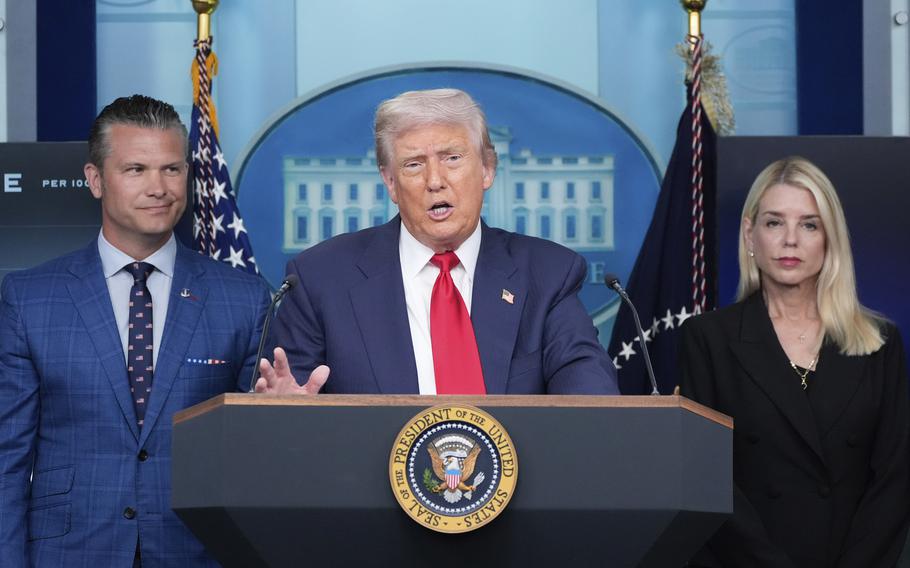
WASHINGTON, D.C. – Tensions in Minnesota have spiked after President Donald Trump warned he may use the Insurrection Act to send U.S. military forces in response to protests tied to federal immigration enforcement.
The warning comes as Minneapolis sees clashes between demonstrators and Immigration and Customs Enforcement (ICE) agents after two widely reported shootings. At the same time, federal investigators say they are still uncovering large-scale fraud in state-run programs.
Republicans argue Democrats are pushing the ICE story to pull attention from the fraud cases, while state leaders such as Governor Tim Walz say the federal response is fueling fear and disorder. The White House, meanwhile, says local officials are letting unrest grow.
Rising Tensions in Minneapolis
The latest unrest grew after an ICE agent fatally shot 37-year-old Renee Nicole Good, a U.S. citizen and mother of three, during an immigration enforcement action in Minneapolis. Her death set off protests across the area, with critics accusing federal agents of using excessive force and overstepping their role during Trump’s immigration crackdown.
A second ICE-related shooting followed on January 14. A federal officer shot a man in the leg during an attempted arrest in north Minneapolis. The Department of Homeland Security (DHS) said the officer was attacked. Witnesses and local officials disputed that account and described the event as part of a wider pattern of aggressive enforcement.
Since then, protests have escalated into confrontations, including outside federal buildings such as the Bishop Henry Whipple Federal Building. Streets have been blocked, arrests have been reported, and some accounts describe agents using force against protesters, including smashing car windows and detaining bystanders.
Minnesota officials estimate 2,000 to 3,000 armed federal agents are now in the Twin Cities, a presence they say exceeds local police staffing. Walz called the surge a “federal invasion,” urged residents to document ICE actions for possible future legal cases, and asked people to keep protests peaceful.
White House Press Secretary Karoline Leavitt defended the operations, saying ICE is targeting “heinous criminals,” including child abusers and drug traffickers. She accused Democratic leaders, including Walz and Minneapolis Mayor Jacob Frey, of using public statements in ways that encourage violence toward federal officers. DHS officials also reported rising threats against agents, including alleged ambush attempts and interference during arrests.
Trump’s Insurrection Act Warning
On January 15, Trump posted on Truth Social that he would invoke the Insurrection Act if Minnesota’s “corrupt politicians” did not stop what he called “professional agitators and insurrectionists” from attacking ICE agents.
The Insurrection Act, passed in 1807, gives a president authority to deploy military forces inside the United States to suppress uprisings or enforce federal law when local authorities cannot or will not do so. Trump pointed to earlier uses of the law by other presidents and said federal agents are “only trying to do their job.”
Trump has raised the Insurrection Act before. He weighed it during the 2020 protests after George Floyd’s death, also in Minneapolis. Legal experts say the law has been used around 30 times in U.S. history, but using it in a modern major city could trigger major legal fights over federal power and civil rights.
Walz responded by urging Trump to lower the tension and stop what he called a “campaign of retribution.” Minnesota has also sued the Trump administration to block the federal agent surge, arguing it is creating chaos and spreading fear across communities.
Fraud Investigations Expand
While the ICE protests dominate headlines, federal investigators have kept pushing forward on fraud cases tied to Minnesota social services programs. Prosecutors estimate up to $9 billion may be fraudulent out of roughly $18 billion spent since 2018 across programs such as child care assistance, Medicaid-funded housing, and pandemic relief.
The investigations began surfacing in 2021 and include allegations that providers billed for services that never happened. Many cases have been linked to the state’s Somali community. So far, 98 defendants have been charged and 64 have been convicted, with investigators also looking into possible links to elected officials and terrorist financing.
The Trump administration has frozen $10 billion in child care funding for Minnesota and four other Democratic-led states (California, Colorado, Illinois, and New York), citing “extensive and systematic fraud.”
A viral video from influencer Nick Shirley, which accused Somali-run day cares of fraud, added fuel to the issue, though some of its claims have been debunked. Republicans in Congress have also held hearings, with House Oversight Committee Chairman James Comer calling for stronger accountability.
Under rising pressure, Walz announced on January 5 that he will not run for re-election, saying he needs to focus on the scandal instead of campaigning. He has admitted his administration had a “culture of being a little too trusting” and says new anti-fraud steps are now in place. Republicans argue that those changes came too late and claim the problem was allowed to grow for political reasons.
Distraction Claims Deepen
Republicans say Democrats, major news outlets, and Walz are giving the ICE protests outsized attention to draw focus away from the fraud findings. Rep. Greg Steube tied attacks on ICE agents to what he called Democratic “demonizing” of federal officers.
Vice President JD Vance praised Shirley’s video and suggested it provided stronger reporting than much of the protest coverage. The White House has also highlighted Minnesota fraud efforts in official messaging, implying that Democratic-led states share blame, and administration officials have pointed to immigrants as drivers of the schemes without offering evidence.
Democrats respond that the fraud investigations are serious but started well before the current ICE surge. They say the protests are driven by real anger over federal use of force. Walz has challenged the $9 billion estimate and says his administration helped spot problems early.
Major outlets, including The New York Times and CNN, have reported on both the protests and the fraud investigations, with live protest updates appearing alongside coverage of fraud hearings. Advocates say ICE actions have intensified under Trump and point to data showing more shootings involving immigration agents.
Both issues now sit at the center of a sharp political fight. Republicans frame the fraud as proof of Democratic failures in blue states. Democrats argue the ICE surge is meant to punish political opponents.
As investigations continue, Minnesota residents are demanding answers on both fronts, including independent reviews of ICE actions and stronger controls to prevent fraud. Another Insurrection Act move could push tensions even higher and test the limits of federal authority.
Minnesota may also preview Trump’s approach in other Democratic strongholds. The administration has already broadened fraud probes and funding freezes to states such as California and New York. Supporters say the pressure is needed to stop waste and abuse. Critics warn the strategy may weaken trust in public aid programs.
With Walz stepping aside, the 2026 governor’s race is now wide open, and the state’s political future looks less predictable. Community leaders continue to call for calm, with Walz warning against violence that could be used to justify more federal action. As national attention stays fixed on Minnesota, the state’s overlapping crises show how immigration policy, public spending, and political messaging can collide fast in Trump’s second term.


US Treasury Warns Canada Banks Over Iran Sanctions

US-Canada Tensions: Elections Interference Warning

U.S. Investigation Uncovers Canadian Banks Debanking Conservatives

Tesla Halts Model 3 Orders in Canada as Tensions Rise

Why Alberta Is Voting on a Future Independence

Alberta Votes on Independence: Advance Polls Open

Opinion: Is Canada in a Deep Crisis Over Trade and Defense

Canadian Manufacturers Face Bankruptcy Amid U.S. Tariffs

Opinion: Canada’s Economy Is Under Pressure From Debt, a Weak Dollar and Steel Tariffs

H1-B Visa Crackdown Rocks Big Tech and India
Opinion: Is Modern Political Empathy Really About Self-Image?
US Trade Moves Put Massive Pressure on Canada
Opinion: Canada’s Combating Hate Act Threatens Free Speech
Pierre Poilievre Critiques Reporter Who Questions His Leadership

How Progressivism Replaced Religion With A New Secular Faith

Opinion: What South America’s Political Shift Means for Canada

Uncovering the Truth Behind Inequality: A Bold New Vision

Canada Sheds 68,000 Jobs As Economic Fears Deepen

Food Insecurity and Surging Prices: Canada’s Inflation Squeeze
Behind Carney’s $1-Trillion Canada Investment Scheme

Jimmy Kimmel Slammed for “Vile” Melania Trump “Expectant Widow” Joke

President Trump Addresses Nation on War with Iran

Trump Warns NATO Allies: America Won’t Protect Slackers After Iran Clash

Senate Hearing on Fraud and Foreign Influence Turns Tense Over Minnesota Scandals

CNN Forced to Backtrack Its Reporting on Trump’s Iran Talks

Joe Rogan Slams Gavin Newsom for Mocking Nick Shirley

Mosque Set Ablaze in Iran a Citizens Revolt Against the Islamic Regime

AOC Accuses Jessie Watters of Fox News of Sexualizing and Harassing Her

JD Vance Exposes Walz’s Fraud and CNN’s Lies in White House Presser

Milestone Card Credit: How the Milestone MasterCard Can Transform Credit


-

 News9 months ago
China-Based Billionaire Singham Allegedly Funding America’s Radical Left
-
Crime10 months ago
YouTuber Nick Shirley Exposes BILLIONS of Somali Fraud, Video Goes VIRAL
-
Politics10 months ago
Ilhan Omar Faces Renewed Firestorm Over Resurfaced Video
-
Politics10 months ago
2026 Midterms Guide: Candidates, Key Issues, and Battleground States
-
Politics8 months ago
CNN Delivers Stark Reality Check to Democrats Over Voter ID
-
Politics8 months ago
Ilhan Omar’s Connections to Convicted Somali Fraudsters Surface
-
Politics7 months ago
Rep. Ilhan Omar Faces Heat as Minnesota Voters Seek Change
-
Politics8 months ago
Trump Approval Rating (February 2026 Poll Results, Approve vs Disapprove)