Connect with us

News

New Detail Emerge on Alex Pretti Minneapolis Shooting

VORNews

Published

on

Alex Pretti

MINNESOTA – A major investigative report has surfaced new information about Alex Pretti’s final days. Sources cited in a CNN exclusive say Pretti had a previously unreported run-in with Immigration and Customs Enforcement (ICE) agents just a week before he was killed.

In that earlier incident, he reportedly left with a broken rib after a physical struggle with federal officers during protest activity in Minneapolis. The disclosure adds a new layer to what happened on Saturday, January 24, 2026, when Pretti, a 37-year-old intensive care nurse, was shot and killed by Border Patrol agents.

The shooting happened during the Trump administration’s broad immigration enforcement push, described by federal officials as the largest operation in U.S. history. The crackdown has led to thousands of arrests and sharp backlash, especially in sanctuary-leaning cities such as Minneapolis.

Alex Pretti’s death was the third shooting involving federal immigration agents in the city in under three weeks, following the January 7 death of Renee Nicole Good.

Alex Pretti’s Prior Encounter

People familiar with federal records and witness statements say the earlier clash took place during a protest tied to immigration raids. Witnesses and Alex Pretti reportedly described a scene in which five agents tackled him while he watched officers chase a family on foot.

During the restraint, one agent allegedly put a heavy weight on Alex Pretti’s back, which led to a fractured rib. He was released at the scene and was not charged, but he later told people close to him that he thought he might die during the encounter.

The Department of Homeland Security (DHS) has tracked contacts with protesters through internal paperwork described as “intel collection non-arrests.” Pretti’s name appeared in those records, according to the report, which suggests agents could have recognized him when they crossed paths again on January 24. That matters because it means Pretti may not have been viewed as a stranger at the scene, but as someone already known to immigration enforcement.

The new reporting also pushes back on early descriptions of Alex Pretti as a random troublemaker or only a “First Amendment witness,” a phrase used by Minnesota Governor Tim Walz. Instead, it paints a picture of repeated friction between Pretti and federal agents, with tensions that may have carried into the final encounter.

Shooting Video and Official Claims Collide

On the morning of January 24, near 26th Street and Nicollet Avenue in Minneapolis’s Whittier neighborhood, Alex Pretti was filming federal agents on his cellphone as they tried to enter a local business (reported as a donut shop) during protests.

Bystander video reviewed and verified by outlets including The New York Times and BBC Verify shows Pretti holding his phone in one hand while lifting his other, empty hand. The footage also appears to show him trying to protect a woman after agents pushed her down and used pepper spray.

Videos from multiple angles show agents taking Alex Pretti to the ground before shots were fired. Pretti, who held a legal firearm permit, had a gun on him, and agents tried to remove it during the struggle. Witnesses who later submitted affidavits with the ACLU said they did not see Pretti point or display the weapon.

A preliminary internal Customs and Border Protection review, leaked to congressional sources and reported by NPR, says Pretti resisted arrest, but it does not describe him attacking agents or making a lethal threat. That stands in contrast to early statements from the Trump administration that labeled him a “would-be assassin” planning to kill agents.

Alex Pretti’s family has strongly rejected those claims. In a statement, they called the government’s version “sickening lies” and pointed to a video that appears to show him unarmed in the moments before agents tackled him.

Megyn Kelly Truthful on Pretti

The new details have intensified debate across political media. Conservative commentator Megyn Kelly, host of The Megyn Kelly Show, drew widespread criticism after discussing the case on Monday. “I know I’m supposed to feel sorry for Alex Pretti, but I don’t,” Kelly said.

She argued that Pretti chose to “inject himself” into law enforcement activity, and she framed the outcome as “FAFO” (f*** around and find out). Kelly also called him an “agitator” and “subversive,” suggesting that staying away from federal operations could have prevented the death.

The remarks triggered accusations of cruelty, especially because Alex Pretti worked as an ICU nurse at a VA hospital caring for veterans.

Her response reflects the deep split over immigration enforcement. Supporters of tougher tactics see the earlier confrontation as proof that Pretti repeatedly interfered. Critics view the broken-rib incident as another example of excessive force by masked federal agents operating in city neighborhoods.

With the earlier ICE clash now public, the case looks less like a single confrontation and more like a series of escalating encounters between a committed protest observer and heavily armed federal agents.

The new context raises fresh concerns about training, de-escalation, and whether prior knowledge about Pretti affected how agents handled the January 24 scene.

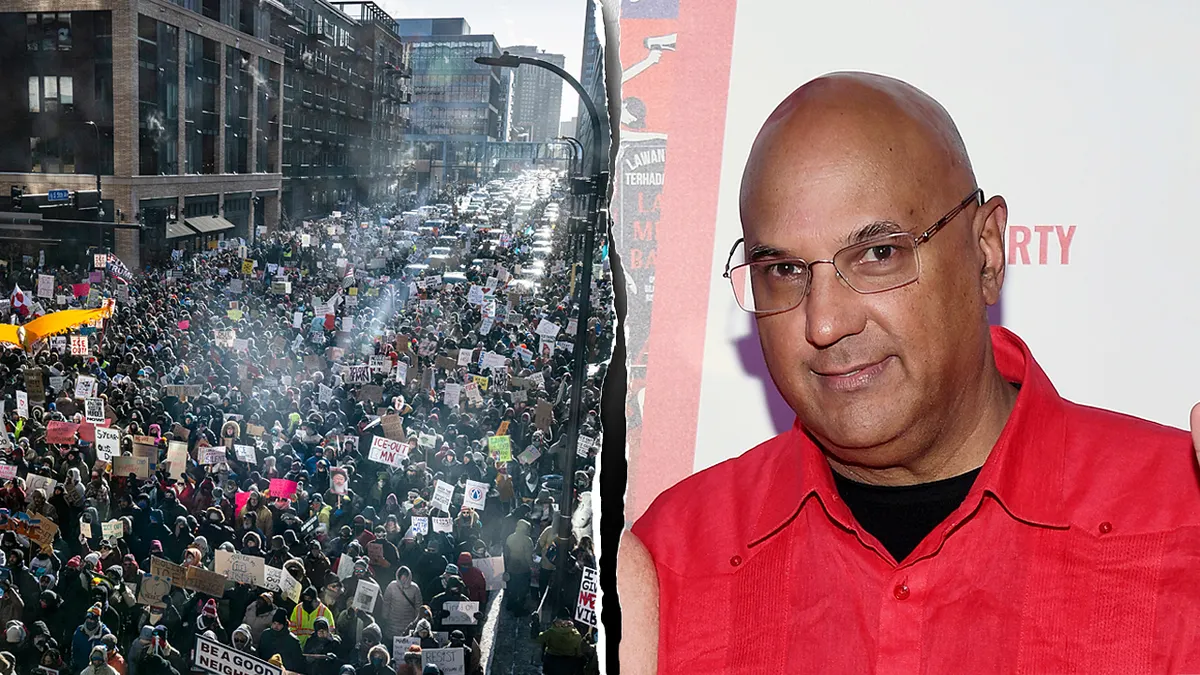
Calls for an independent investigation have grown, including from some Republican lawmakers on Capitol Hill. Minnesota leaders continue pressing for federal agents to leave, while protests continue and memorials expand at the site of the shooting.

As the country argues over the costs of aggressive immigration enforcement on city streets, the report about Pretti’s earlier injury adds a troubling detail. It also may reshape how many Americans think about accountability during a period of mass arrests and deportation efforts.


Related News:

President Trump Addresses ICE Actions Amid Minnesota Unrest

News

Iran’s Supreme Leader Cowers in a Bunker, While his Security Forces Murder Thousands

Iranian Senior Health Ministry Sources Describe Enormous Casualty Count
Report Says Khamenei Ordered “No Mercy” Measures While Sheltered in a bunker Amid U.S. Strike Fears

Jeffrey Thomas

Published

on

Iran's Supreme Leader Hides

TERRAN – A report coming from Iran describes what could be one of the worst cases of state violence against civilians in recent history. As many as 30,000 people may have been killed across Iran on January 8 and 9, based on claims shared with TIME by two senior officials in Iran’s Ministry of Health.

The reported figure comes from hospital logs and tallies kept by doctors and first responders. It suggests extreme force during a nationwide uprising that began in late December 2025. The unrest started with anger over economic collapse, then spread into calls to end the Islamic Republic’s rule. Hospitals in major cities, including Tehran and Shiraz, reportedly struggled to cope.

Morgues filled up, and authorities allegedly used trucks to move bodies after facilities reached capacity.

A confidential count inside the Ministry of Health listed 30,304 deaths recorded in civilian hospitals by late last week, according to Dr. Amir Parasta, a German-Iranian eye surgeon who reviewed the data.

The count reportedly does not include people taken straight to military morgues, those killed in rural areas, or bodies never entered into official systems. For that reason, the real number could be higher. Activists and human rights groups have reported lower totals, but still in the thousands, since protests began. Verification has been difficult because authorities imposed a near-total internet shutdown.

Accounts say the worst violence happened on January 8 and 9. Security forces, reportedly acting under direct orders, used live ammunition against crowds. Witnesses described streets filled with protesters chanting “Death to the Dictator” and “Death to Khamenei,” followed by heavy gunfire.

Cartridge cases reportedly covered the ground, then were cleared overnight by municipal crews. Demonstrations were reported in all 31 provinces, with claims that millions joined nationwide.

Large-scale killings in Iran

Supreme Leader Ayatollah Ali Khamenei is described as central to the crackdown. Sources familiar with internal orders said that on January 9, he instructed the Supreme National Security Council to end the protests “by any means necessary.”

Security units reportedly received clear direction to shoot to kill and show no mercy. What began as protests over prices and jobs then shifted into a large-scale killing spree, according to the report’s sources.

As pressure rose at home and abroad, Khamenei reportedly moved into a fortified underground bunker in Tehran. Opposition-linked outlets and people close to the government said the relocation was driven by fears of a U.S. missile strike.

Those fears were tied to President Donald Trump’s warnings and U.S. military moves in the region, including the deployment of the aircraft carrier USS Abraham Lincoln.

Trump’s public messages urging protesters to keep going, along with statements suggesting U.S. action if killings continued, reportedly increased anxiety inside Iran’s leadership. Khamenei’s third son, Masoud, was said to be running daily operations of the Supreme Leader’s office, passing messages to government branches while Khamenei remained largely isolated.

Iran’s public messaging tells a different story. Hardliners tied to Khamenei announced 3,117 deaths on January 21. They described the dead as a mix of protesters, security forces, and people labeled as foreign-backed “rioters” or “terrorists,” with claims of links to the United States and Israel.

Crimes against humanity

Khamenei has also referred to “thousands” killed in speeches, while blaming outside powers and promising no retreat against what he called “saboteurs.” The internal Ministry of Health figures, as described in the report, point to a far larger toll and suggest an effort to hide the true scale.

The protests began in late December 2025 after the rial fell to new lows. Inflation rose, energy shortages worsened, and long-running mismanagement fueled public rage. Early action included bazaar merchants in Tehran closing shops.

It quickly expanded, with university students and everyday citizens joining rallies and chanting against the Supreme Leader. Some crowds also voiced support for exiled figures, including Reza Pahlavi, son of the late shah.

As unrest grew, the state response reportedly expanded, too. Reports described mass arrests, raids on hospitals treating injured protesters, and pressure on doctors and volunteers who helped the wounded.

Human rights groups, including Amnesty International and Iran Human Rights, condemned the crackdown as crimes against humanity. They pointed to what they described as systematic repression and planned killings.

Observers also drew stark historical comparisons. Analysts said a death toll of this size in 48 hours would rival major atrocities, including the Nazi massacre at Babyn Yar in 1941, where more than 33,000 people were executed over two days.

Anger and Outrage

In Iran, the killings described in the report were said to have taken place across many cities at once, not in a single location, which overwhelmed even parts of the state’s own system.

International reaction has been strong, though limited by the communications blackout. The United Nations and Western governments voiced alarm and called for independent investigations.

Trump increased his rhetoric, calling Khamenei a “sick criminal” and hinting at more steps, while the U.S. imposed sanctions on officials linked to the crackdown.

Inside Iran, the government appeared to have restored some control through force, but reports suggested the anger runs deep across regions and age groups. Families of victims said authorities forced them to pay for the bullets used to kill their relatives, a practice described as both cruel and extortionate.

As more details surface, the events of January 8 and 9 are being described as proof of how far the state will go to keep power. Whether the killings mark a turning point for the Islamic Republic or another brutal chapter remains unclear, but the growing list of names and numbers is unlikely to fade from public memory.

Related News:

Trump Positions U.S. Military Assets Closer to Iran Amid Deadly Crackdown

Continue Reading

News

Tragic Private Plane Crash at Bangor International Airport Kills Six 

Deadly incident ranks among Maine’s worst aviation disasters; NTSB investigation underway into possible icing, weather factors

VORNews

Published

on

By

Private Plane Crash at Bangor Airport

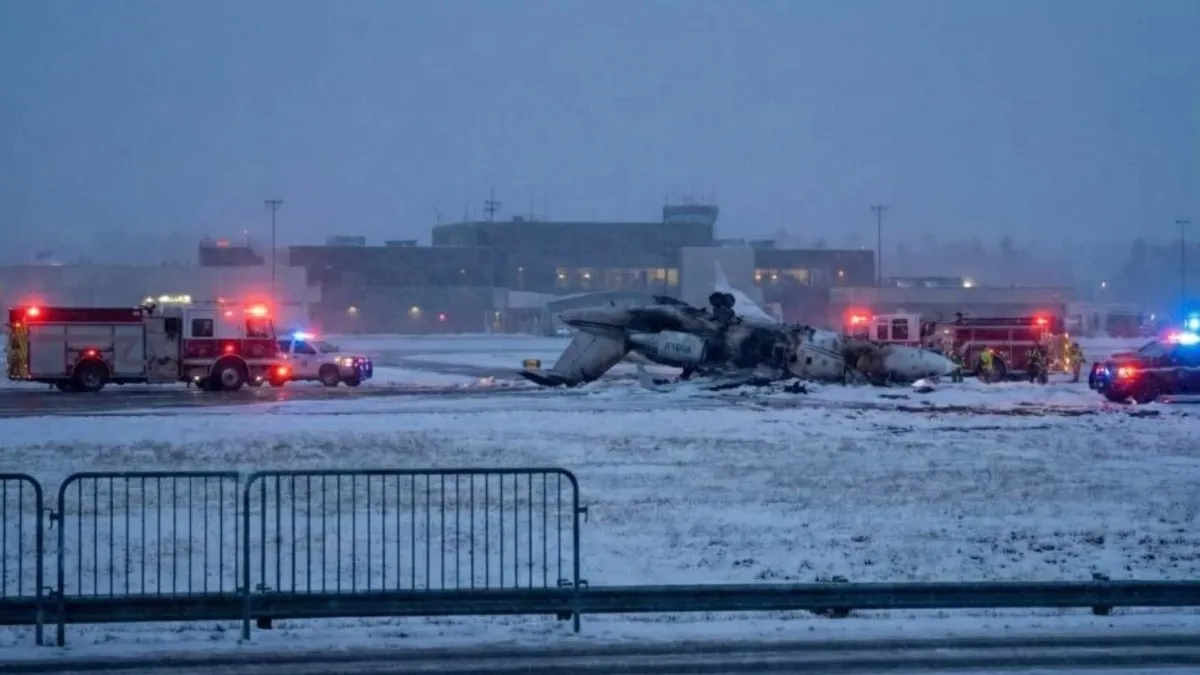
BANGOR, Maine – A private business plane crashed during takeoff at Bangor International Airport on Sunday evening, killing all six people onboard. Officials say it is among the most deadly aviation accidents in Maine in recent years.

The aircraft, a Bombardier Challenger 600, flipped upside down and caught fire soon after leaving the runway around 7:45 p.m. The crash happened as a nor’easter began pushing snow across parts of the state.

The incident rattled the Bangor area, where the airport handles both commercial flights and private aircraft. Police, airport staff, and emergency teams secured the scene as investigators began gathering early information.

Bangor Fire Department crews, the Maine National Guard, and responders from nearby towns arrived within minutes. They fought the fire while snow and wind picked up. Witnesses described a dull orange flash, followed by a loud boom in the stormy night.

Local officials confirm six onboard plane

Bangor police and airport director Jose Saavedra said the flight manifest showed six people were on the twin-engine jet. No one was taken to the hospital, and all six are believed to have died at the scene.

Early FAA information confused stating there were eight people onboard, with seven deaths and one serious injury. Bangor officials pushed back Monday, saying the manifest listed six total passengers and crew, all fatally injured. The FAA noted that early details can change as investigators confirm facts.

Officials said the plane was a 2020 Bombardier Challenger 600 registered to KTKJ Challenger LLC in Houston, Texas. It reportedly arrived earlier from Houston. Sources familiar with the situation connected the jet to Arnold & Itkin, a Houston-based personal injury law firm.

Authorities have not released the victims’ names as they wait for identification and family notifications. One report named Tara Arnold as a victim, with a county official calling her “a phenomenal person, a bold leader.”

Winter weather and visibility issues at the time of the plane crash

The crash took place as heavy winter weather spread across the Northeast. National Weather Service data showed light but steady snow at the airport around the time of the incident. Temperatures were near 2 degrees Fahrenheit, with wind chills around minus 13.

Visibility dropped to about three-quarters of a mile in freezing fog. Bangor was under a winter storm warning. Snow buildup at the airport was still developing, but totals reached close to 10 inches by the next day.

Flights continued around the time of the crash, with de-icing operations underway. Other aircraft landed and took off safely before and after the incident. Saavedra said crews were already on site responding to the storm, and runways stayed open during active snow response.

The National Transportation Safety Board (NTSB) and the Federal Aviation Administration (FAA) are investigating. The NTSB is expected to review weather conditions, aircraft performance, pilot actions, maintenance records, and the possibility of icing.

Aviation safety experts have pointed to the Challenger 600’s history of wing icing concerns during takeoff. Former NTSB investigator Jeff Guzzetti told media outlets that even small ice buildup can reduce lift and increase risk. Bombardier and regulators have issued guidance on de-icing practices, though it is not yet clear what steps were taken before this flight.

Air traffic control recordings captured the alarm in the moments after the plane went down, including a call reporting the aircraft was upside down. Responders reached the site in under a minute, but the fire made rescue and recovery difficult.

One of Maine’s deadliest aviation accidents in decades

The crash now joins a short list of Maine’s most tragic aviation events. Historic examples include two fatal accidents on July 11, 1944, one involving a B-17 bomber near Rangeley that killed 10 people, along with another deadly crash elsewhere in the state the same day.

More recent incidents have involved fewer victims, though Bangor International Airport saw another fatal crash just months earlier that killed one person.

Bangor International Airport remained closed through at least midday Wednesday as NTSB teams worked the scene and cleanup continued. The agency cited weather-related travel delays for investigators, but said the review will be thorough.

A preliminary NTSB update could come in the next few weeks. A final report often takes months.

The losses have hit hard in Bangor and beyond. Local leaders praised the fast work of first responders and asked the public to keep the victims’ families in mind as the investigation moves forward.

Trending News:

Facebook Loses $200 Billion as Users Shift to TikTok

Continue Reading

News

Border Patrol Commander Greg Bovino and Agents Expected to Leave Minnesota

* The Trump administration points to a new approach in Minnesota immigration operations after fatal shootings and protests

* White House press secretary Karoline Leavitt shares the president’s three conditions for easing the federal-state standoff

Leyna Wong

Published

on

Greg Bovino and Agents Expected to Leave Minneapolis 

MINNESOTA –  U.S. Border Patrol commander Greg Bovino and a group of agents are expected to leave Minneapolis soon and return to their home sectors, according to the New York Times. The shift signals a change in how the Trump administration is handling its hard-line immigration push in Minnesota.

The expected exit comes after weeks of anger over deadly confrontations involving federal officers, including the fatal shootings of two U.S. citizens. It also follows President Donald Trump’s choice to send White House border czar Tom Homan to Minnesota to take direct control of operations there.

Greg Bovino is expected to return to California’s El Centro sector, where he previously served as chief patrol agent before being assigned to high-profile deployments across the country.

People familiar with the planning said Bovino could begin leaving as early as Tuesday. An unknown number of Border Patrol agents would go with him.

Not every agent assigned under Operation Metro Surge is expected to leave. The operation has brought more than 3,000 federal personnel into Minnesota. Still, the partial withdrawal is being read as a step toward calming a situation that has rattled Minneapolis since early January.

Greg Bovino’s national role and the Minneapolis spotlight

Greg Bovino, a nearly 30-year Border Patrol veteran, became a visible figure during the second Trump presidency. He often served as the face of large immigration raids in cities such as Los Angeles, Chicago, Charlotte, and New Orleans. Those deployments regularly drew lawsuits, street protests, and claims of excessive force.

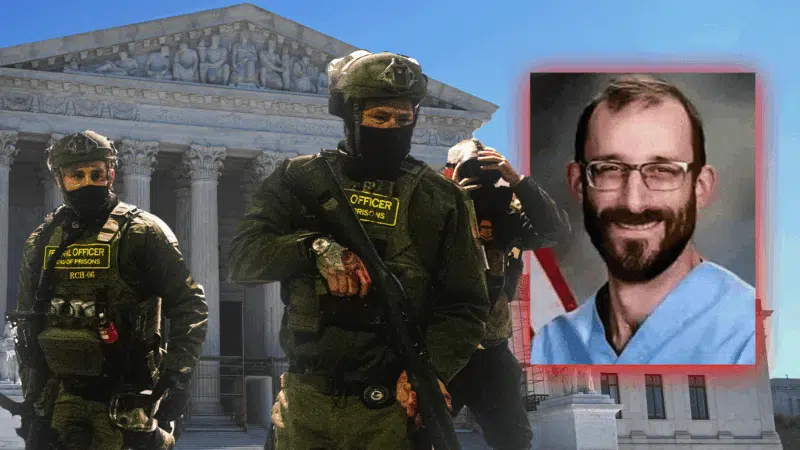
In Minneapolis, Greg Bovino led daily press briefings and defended agent actions after a Saturday shooting that killed 37-year-old ICU nurse Alex Pretti. Authorities said Pretti was armed and recording federal officers when he was shot. Bovino said, without publicly shared evidence, that Pretti planned to “massacre” agents. Witness accounts and video footage challenged that claim.

The Pretti killing followed the January 7 death of Renée Good, who was shot by an ICE agent during clashes near Roosevelt High School grounds. The two incidents intensified protests and renewed accusations that federal forces used heavy tactics, including tear gas and less-lethal rounds, against demonstrators.

Trump and Walz talk as Homan takes charge

President Trump spoke by phone on Monday with Minnesota Governor Tim Walz. Trump later described the call as productive and said the two were “on a similar wavelength.” Trump also announced on Truth Social that Homan would be sent to Minnesota to oversee ICE operations and report directly to the president.

White House Press Secretary Karoline Leavitt addressed the situation on Monday and said the administration wants to restore order while continuing deportations. She said President Trump gave Walz three requirements meant to end what the White House called “resistance and chaos” in Minnesota and reduce the need for Border Patrol support.

Leavitt listed the conditions as:

  • Full cooperation in handing over people in state jails and prisons who are in the country illegally
  • Ending sanctuary-style policies that block federal enforcement
  • Active help from state and local officials to identify and process undocumented immigrants

“If Governor Walz and Mayor [Jacob] Frey implement these common-sense cooperative measures, which have already been implemented in nearly every other state, Customs and Border Patrol will not be needed to support ICE on the ground in Minnesota,” Leavitt said.

Leavitt praised Greg Bovino as a “wonderful man and great professional” and said he would keep a national leadership role within Border Patrol. She said Homan would take the lead on day-to-day ground operations in Minneapolis. Leavitt also said the president continues to back Homeland Security Secretary Kristi Noem, who has overseen the department’s broader response.

Walz welcomes signs of a drawdown

Tim Walz, a Democrat who has openly fought the administration over the federal surge, welcomed the idea of fewer federal agents in the state. After the call with Trump, Walz said progress was being made on reducing personnel levels and giving state investigators more access to evidence tied to the Pretti shooting investigation.

Minnesota officials have also filed lawsuits challenging Operation Metro Surge. They argue the scale of the effort crosses constitutional lines and puts public safety at risk.

The federal deployments began after allegations of welfare fraud in Minnesota, which the administration connected to broader immigration enforcement. Critics, including local officials and civil rights groups, have described the surge as political payback aimed at a Democratic-leaning area that opposed Trump in recent elections.

As Greg Bovino and some agents prepare to leave, uncertainty remains around the future of Operation Metro Surge and whether Homan’s arrival will ease tensions or raise the stakes. Protests continued over the weekend, and calls for independent investigations into both fatal shootings have grown louder.

For now, the partial withdrawal stands as the clearest move toward de-escalation since the crisis began. Administration officials say enforcement will continue, with more focus on cooperation instead of confrontation.

Related News:

ICU Nurse Alex Pretti Shot and Killed By Federal Agents in Minneapolis

Continue Reading

Get 30 Days Free

Express VPN

Create Super Content

rightblogger

Flight Buddies Needed

Flight Volunteers Wanted

Trending