Politics
Trump Targets Minneapolis Mayor Say He’s “Playing with Fire”

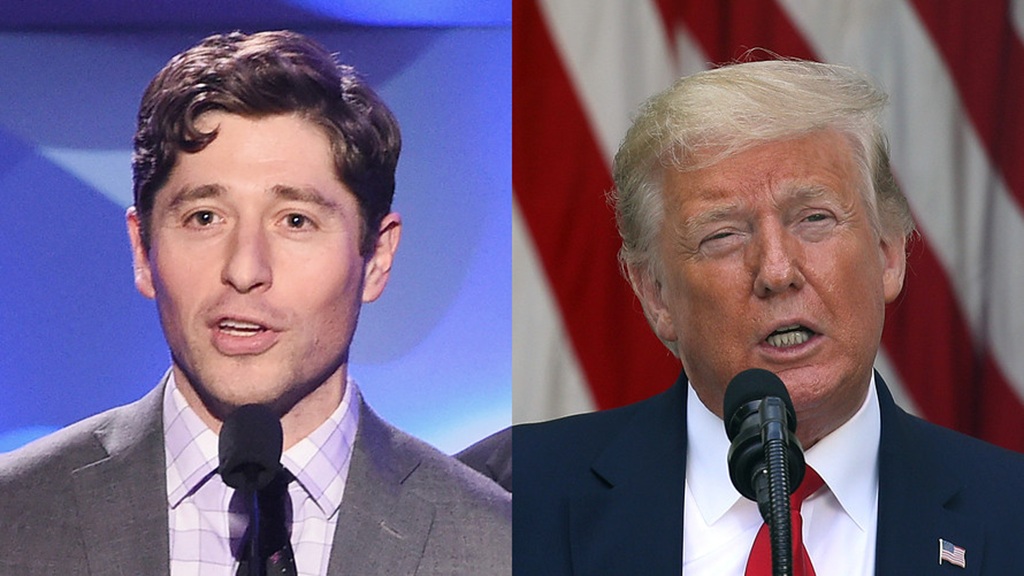
WASHINGTON, D.C. – A fresh clash over federal immigration enforcement is brewing after U.S. President Donald Trump accused Minneapolis Mayor Jacob Frey of breaking the law by not having city officials help enforce federal immigration rules.
Trump claimed in a Truth Social post on January 28, 2026, adding more pressure to the ongoing dispute between the administration and cities with sanctuary-style policies.
Trump’s post came after Mayor Frey repeated that Minneapolis won’t take on federal immigration enforcement. Trump wrote: “Surprisingly, Mayor Jacob Frey just stated that, ‘Minneapolis does not, and will not, enforce Federal Immigration Laws.’
This is after having had a very good conversation with him. Could somebody in his inner sanctum please explain that this statement is a very serious violation of the Law, and that he is PLAYING WITH FIRE!”
Frey’s comments reflect Minneapolis’ long-standing approach. Under city policy, local police don’t take part in federal immigration enforcement unless it connects to a criminal matter. Frey made his remarks after meeting with Trump’s border czar, Tom Homan, who has been leading expanded ICE activity in the Minneapolis area.
On X (formerly Twitter), Frey argued that city officers should focus on public safety, like stopping homicides, instead of “hunting down a working dad who contributes to MPLS & is from Ecuador.”
Trump hinted there could be consequences if Minneapolis didn’t cooperate, but he didn’t list any specific steps. Still, the message lines up with his broader push to target sanctuary cities and other places that limit help for Immigration and Customs Enforcement (ICE).
Trump and Minneapolis’s Sanctuary-Style Policies
Minneapolis has used sanctuary-leaning rules for years, and they’ve been reinforced under Frey and the city council. In most cases, city workers can’t ask about immigration status. The city also limits when local jails can hold someone for ICE through detainers, unless there’s a judicial warrant.
Supporters say these rules build trust with immigrant communities. They believe people are more likely to report crimes or talk to police when they don’t fear deportation.
Tensions grew in early 2026 as the Trump administration increased ICE deployments in Minnesota, with a focus on the Twin Cities. Reports describe multiple incidents tied to these operations, including fatal shootings involving ICE personnel. Those events sparked protests and lawsuits that claim excessive force and constitutional violations.
Frey has said the federal actions are hurting community safety and wants the operations to end quickly. He has also said he’s open to continued talks with Homan, but he won’t change the city’s core policy of not helping with routine immigration enforcement.
The Legal Fight: Can the Federal Government Force Local Help?
Legal experts have challenged Trump’s claim that Frey is violating federal law. They point to the anti-commandeering doctrine, which says the federal government can’t force state or local officials to carry out federal programs.
The Supreme Court backed that idea in Printz v. United States (1997). In that case, Justice Antonin Scalia wrote that Washington can’t compel state and local officers to enforce federal regulatory schemes.
Under that view, Minneapolis doesn’t have to commit its own staff or funding to support ICE in civil immigration cases. The city’s policies don’t block federal agents from acting on their own. They mainly say the city won’t provide extra help.
Critics of the administration say Trump’s post ignores settled constitutional limits. Supporters argue that refusing to cooperate weakens public safety and national security.
Vice President JD Vance and other allies have echoed the criticism online, also targeting Minnesota Governor Tim Walz for resisting the federal push. Frey pushed back on social media, comparing his position to policies once supported by former New York City Mayor Rudy Giuliani.
What This Means for the Wider Immigration Debate
The dispute shows the deep divide between Trump’s aggressive deportation agenda and Democratic-led cities that support protective local rules. As ICE operations continue, along with town halls, protests, and court fights, the situation highlights how hard it is to run nationwide immigration enforcement without strong local support.
Some observers say Trump has sometimes signaled he wants to cool things down, including after talks with Frey and Walz. His latest post suggests that tone may not last if Minneapolis doesn’t shift course.
For many Minneapolis residents, especially in neighborhoods with large immigrant populations, the issue goes beyond enforcement. It also affects trust in law enforcement and the sense of stability in daily life.
As this plays out, the struggle between federal power and local control remains a central political fight, and Minneapolis is now a major testing ground.
Related News:
President Trump Addresses ICE Actions Amid Minnesota Unrest


US Treasury Warns Canada Banks Over Iran Sanctions

US-Canada Tensions: Elections Interference Warning

U.S. Investigation Uncovers Canadian Banks Debanking Conservatives

Tesla Halts Model 3 Orders in Canada as Tensions Rise

Why Alberta Is Voting on a Future Independence

Alberta Votes on Independence: Advance Polls Open

Opinion: Is Canada in a Deep Crisis Over Trade and Defense

Canadian Manufacturers Face Bankruptcy Amid U.S. Tariffs

Opinion: Canada’s Economy Is Under Pressure From Debt, a Weak Dollar and Steel Tariffs

H1-B Visa Crackdown Rocks Big Tech and India
Opinion: Is Modern Political Empathy Really About Self-Image?
US Trade Moves Put Massive Pressure on Canada
Opinion: Canada’s Combating Hate Act Threatens Free Speech
Pierre Poilievre Critiques Reporter Who Questions His Leadership
How Progressivism Replaced Religion With A New Secular Faith

Opinion: What South America’s Political Shift Means for Canada

Uncovering the Truth Behind Inequality: A Bold New Vision

Canada Sheds 68,000 Jobs As Economic Fears Deepen

Food Insecurity and Surging Prices: Canada’s Inflation Squeeze
Behind Carney’s $1-Trillion Canada Investment Scheme

Jimmy Kimmel Slammed for “Vile” Melania Trump “Expectant Widow” Joke

President Trump Addresses Nation on War with Iran

Trump Warns NATO Allies: America Won’t Protect Slackers After Iran Clash

Senate Hearing on Fraud and Foreign Influence Turns Tense Over Minnesota Scandals

CNN Forced to Backtrack Its Reporting on Trump’s Iran Talks

Joe Rogan Slams Gavin Newsom for Mocking Nick Shirley

Mosque Set Ablaze in Iran a Citizens Revolt Against the Islamic Regime

AOC Accuses Jessie Watters of Fox News of Sexualizing and Harassing Her

JD Vance Exposes Walz’s Fraud and CNN’s Lies in White House Presser

Milestone Card Credit: How the Milestone MasterCard Can Transform Credit


-

 News9 months ago
China-Based Billionaire Singham Allegedly Funding America’s Radical Left
-
Crime10 months ago
YouTuber Nick Shirley Exposes BILLIONS of Somali Fraud, Video Goes VIRAL
-
Politics10 months ago
Ilhan Omar Faces Renewed Firestorm Over Resurfaced Video
-
Politics10 months ago
2026 Midterms Guide: Candidates, Key Issues, and Battleground States
-
Politics8 months ago
CNN Delivers Stark Reality Check to Democrats Over Voter ID
-
Politics8 months ago
Ilhan Omar’s Connections to Convicted Somali Fraudsters Surface
-
Politics7 months ago
Rep. Ilhan Omar Faces Heat as Minnesota Voters Seek Change
-
Politics8 months ago
Trump Approval Rating (February 2026 Poll Results, Approve vs Disapprove)