Politics
The House Ways and Means Committee Probes Foreign Funding of Far-Left Nonprofits
Republican-led hearing points to gaps that may let foreign money flow through tax-exempt groups, fueling activism, protests, and political influence

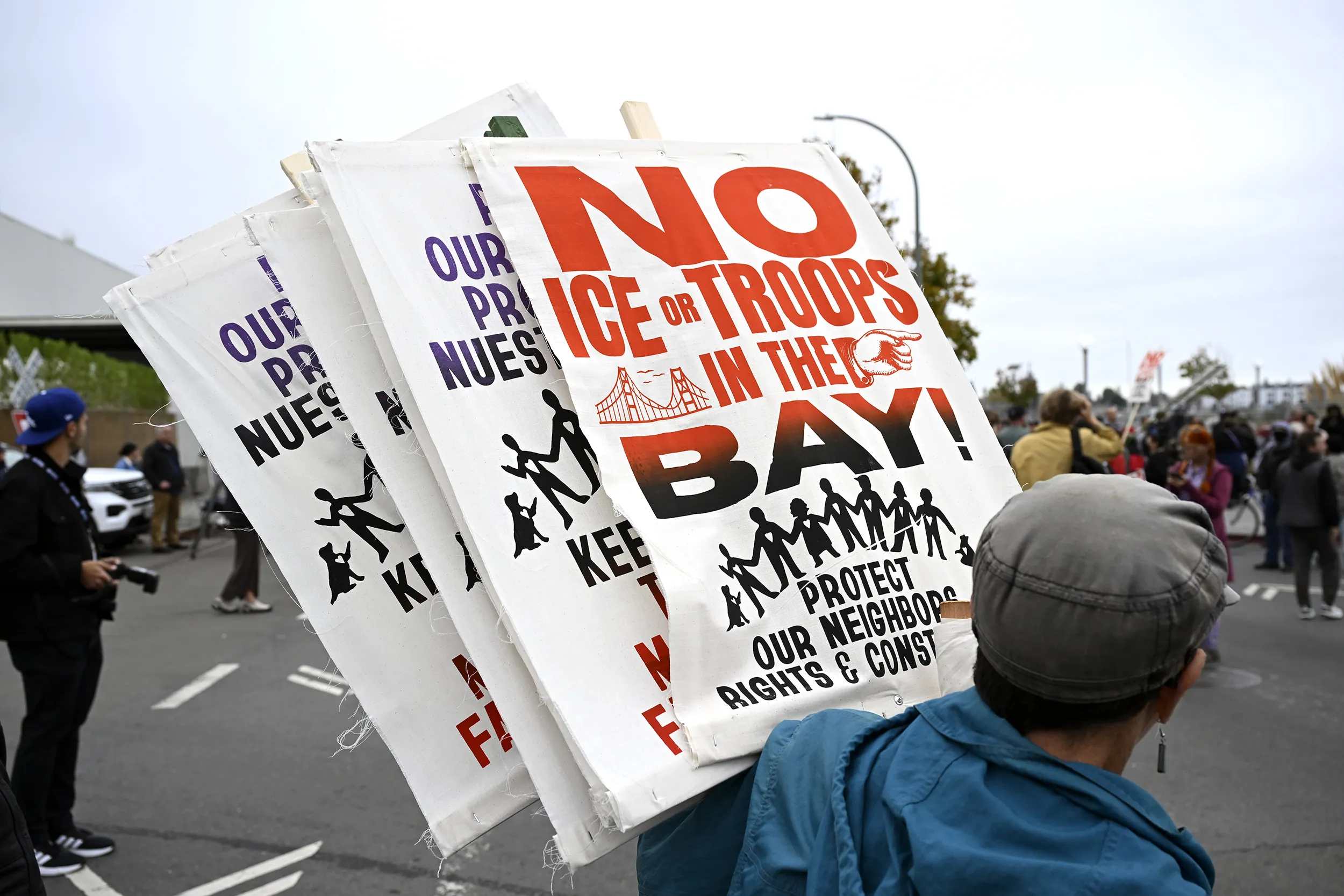
WASHINGTON, D.C. – February 16, 2026, House Republicans used a recent Ways and Means Committee hearing to press a warning they call urgent. They say foreign adversaries can exploit America’s nonprofit system to move huge sums into U.S. activist networks.
In their view, that money helps drive protests, sharpen social divides, and push overseas interests inside the United States.
Rep. Jason Smith (R-Mo.) led the February 10 hearing, titled “Foreign Influence in American Non-profits: Unmasking Threats from Beijing and Beyond.” The discussion focused on alleged links between some nonprofit funding streams and the Chinese Communist Party (CCP), along with other foreign donors.
Republicans and several witnesses argued that weak oversight makes it easier to route money through 501(c)(3) and 501(c)(4) groups. They also said these pathways can sidestep campaign finance limits and create risks tied to propaganda, disruption, and election interference.
Key claims raised during the Ways and Means Committee hearing
Lawmakers and witnesses pointed to a mix of specific examples and broader trends.
- Neville Roy Singham and an alleged network of groups: Neville Roy Singham, a U.S.-born tech entrepreneur now based in Shanghai, drew heavy attention. Ways and Means Committee Chairman Smith described what he called a “Singham CCP network.” He and other Republicans alleged that Singham has moved more than $100 million, and possibly more, through U.S. nonprofits. They said the goal is to amplify pro-CCP messaging and support far-left causes. Groups mentioned in connection with this claim included:
- The People’s Forum (a New York-based organizing space tied to anti-ICE protests and pro-Palestinian actions)
- CodePink
- BreakThrough News
- Tricontinental: Institute for Social Research
- ANSWER Coalition
- Party for Socialism and Liberation
Witnesses also said some of these groups work alongside organizations such as the Democratic Socialists of America to mobilize demonstrations. They argued that these protests can overwhelm local authorities and inflame unrest.
- Swiss billionaire Hansjorg Wyss and the 1630 Fund: Testimony highlighted Wyss’s giving, including $280 million to the left-leaning 1630 Fund, a major 501(c)(4). Republicans also cited claims that foreign sources have sent about $2.7 billion through parts of the nonprofit sector. They contrasted that figure with right-leaning groups, who they say block foreign funds.
- Other overseas foundations supporting U.S. activism: Americans for Public Trust referenced nearly $2 billion from five foreign charities. Examples named during the hearing included the Quadrature Climate Foundation and the Oak Foundation. According to the testimony, the money supported U.S. climate litigation, protest activity, and policy advocacy. Republicans said some of that work targets U.S. energy independence.
In his opening remarks, Smith said tax-exempt status is “a privilege, not a right.” He argued that some groups receive the benefits of U.S. tax policy, including deductions, while pushing what he described as foreign propaganda. He also raised concerns about alleged ties to extremist activity.
Testimony, pushback, and party-line friction
Most witnesses came from conservative-leaning groups, which shaped the tone and focus of the hearing.
- Scott Walter of the Capital Research Center said both parties agree foreign money should not shape U.S. politics.
- Caitlin Sutherland of Americans for Public Trust described how foreign “dark money” can move through donor-advised funds and fiscal sponsors.
- Peter Schweizer and others pointed to reported Singham links, including claims about shared office space with Chinese state media and attendance at pro-CCP events.
Democrats challenged the framing and the witness selection. They pointed out that one witness from Public Citizen had received Wyss funding. Members also argued that Republicans centered the hearing on left-leaning groups while downplaying other forms of foreign influence. As the debate sharpened, Democrats warned that the effort could slide into political targeting. Republicans said oversight is necessary when national security is at stake.
Calls for DOJ and IRS enforcement
The hearing did not stop at criticism. Republicans urged federal agencies to take action, including the Department of Justice (DOJ), the IRS, and the Treasury Department. They called for reviews of possible violations of the Foreign Agents Registration Act (FARA), nonprofit tax rules, and election laws.
Several recent moves fed that push:
- Late in 2025, Republican state attorneys general asked the DOJ to investigate foreign funding tied to more than 150 climate groups.
- The Trump administration has signaled broader scrutiny of left-leaning NGOs. That includes groups linked to George Soros’s Open Society Foundations. Republicans said tools such as FBI task forces and IRS reviews should focus on alleged support for “political violence.”
- Smith has also urged the IRS to revoke tax-exempt status for groups such as Alliance for Global Justice, citing alleged terror-related links.
Even so, no formal DOJ action followed the hearing. Critics say aggressive investigations could chill speech protected by the First Amendment. Progressive nonprofits responded by defending their work as lawful advocacy and civic engagement.
Legal and practical hurdles also remain. Nonprofits can mask sources of money through layered structures, and investigators often need strong proof of direct foreign control or illegal coordination.
What it means for the nonprofit sector
The hearing highlighted a long-running tension in the U.S. nonprofit system. The country offers broad tax benefits to support charities and civic groups. Republicans argue that the same system can be misused by foreign actors, including China, to influence public debate and politics.
Republicans floated several policy options, including:
- tougher disclosure rules for foreign grants tied to 501(c)(4) groups
- Closing gaps that allow foreign nationals to shape elections through indirect routes
- more IRS audits of politically active nonprofits
As a result, the hearing became a flashpoint in a wider fight over foreign interference, domestic activism, and civil liberties. With claims of billions in play and national security concerns driving the debate, pressure on federal agencies continues to build.


Canada’s $82,000 Per Household Debt Crisis Sparks Outcry

The Fallout of the Omar Raid: Guilty Until Proven Innocent?

DOJ Guidelines on Political Investigations: Rules Explained

RCMP Raids Lion Electric Amid $500M Taxpayer Fraud Probe

Carney’s US Trade War a Failure: Cost Shoppers $100M Weekly

Food Bank Lines Surge in Canada While Carney Pushes Foreign Aid

EU Parliament Erupts Over Canada’s Associate Member Bid

David Eby Campaign Stumbles Amid Mailer Scandal

Alberta Referendum Results Shift as Vote Tally Continues

Fedeal Investigators Obtain Ilhan Omar’s DNA
Opinion: Is Modern Political Empathy Really About Self-Image?
Opinion: Canada’s Combating Hate Act Threatens Free Speech

US Trade Moves Put Massive Pressure on Canada
How Progressivism Replaced Religion With A New Secular Faith
Canada Sheds 68,000 Jobs As Economic Fears Deepen
Uncovering the Truth Behind Inequality: A Bold New Vision
Pierre Poilievre Critiques Reporter Who Questions His Leadership

Opinion: What South America’s Political Shift Means for Canada

Why Alberta Separatist Leaders Say It’s Time to Leave Canada

Quebec Election 2026: Will the Province Leave Canada?


-

 News9 months ago
China-Based Billionaire Singham Allegedly Funding America’s Radical Left
-
Politics10 months ago
2026 Midterms Guide: Candidates, Key Issues, and Battleground States
-
Politics8 months ago
Ilhan Omar’s Connections to Convicted Somali Fraudsters Surface
-
Politics9 months ago
CNN Delivers Stark Reality Check to Democrats Over Voter ID
-
Politics8 months ago
Rep. Ilhan Omar Faces Heat as Minnesota Voters Seek Change
-
Politics9 months ago
Trump Approval Rating (February 2026 Poll Results, Approve vs Disapprove)
-
Politics10 months ago
Who Is Leading the Democratic Party in 2026?
-
United States10 months ago
Mosque Set Ablaze in Iran a Citizens Revolt Against the Islamic Regime